
The Thames At Richmond — History & Facts
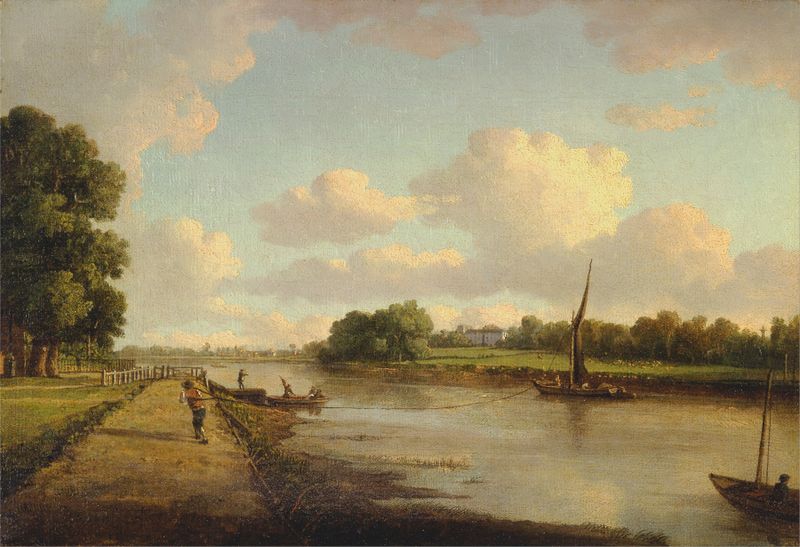
What if silence could speak through light? In The Thames At Richmond, the gentle caress of the sun graces the river's surface, revealing whispers of truth hidden in its reflections and ripples. Look to the center of the canvas, where the soft blues and greens meld seamlessly, capturing the river's tranquil flow. Notice how the light dances across the water, illuminating the boats that glide smoothly, their sails catching the breeze. To the right, a lush bank teems with life, painted in rich, verdant hues, inviting the viewer to explore the harmony of nature and human presence.
The artist's delicate brushwork gives the scene a lifelike quality, evoking the serenity of a moment suspended in time. Delve deeper into the contrasts at play: the stillness of the water juxtaposed with the movement of the boats, symbolizing the balance between nature and humanity. Each figure—whether fisherman or leisurely traveler—embodies the connection to the landscape, while the distant haze of the horizon suggests both the vastness and intimacy of the world. This interplay hints at a larger narrative about the pursuit of truth in our existence, as fleeting as the light that illuminates the scene. During the late 18th century, Marlow operated at a time when landscape painting was evolving rapidly.
He created this work between 1770 and 1780, reflecting the burgeoning appreciation for the sublime beauty of nature in a post-Rococo England. As artists began to explore a more authentic representation of their surroundings, Marlow's depiction of the Thames reveals both his technical prowess and his emotional connection to the serene landscapes of his time.
More Artworks by William Marlow
Browse all →
Whitehall
William Marlow
View on the River Thames at Richmond
William Marlow
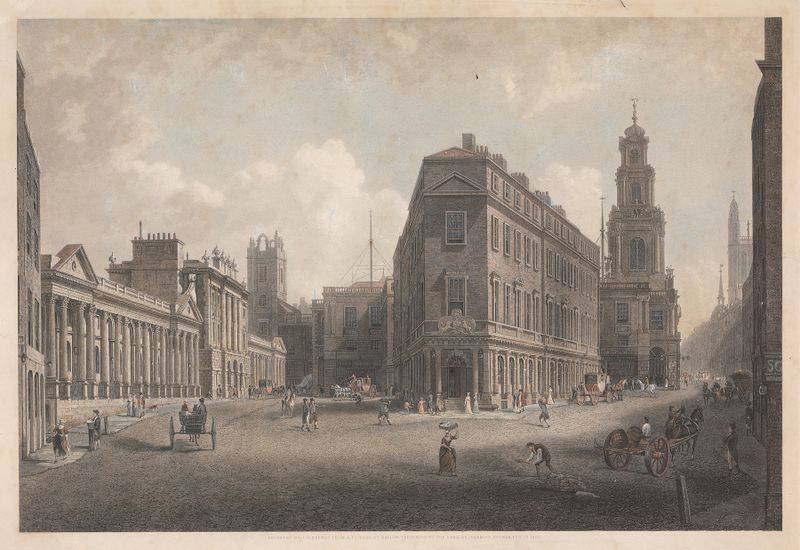
Bank of England Royal Exchange
William Marlow

The Arno towards the Ponte alle Grigio
William Marlow
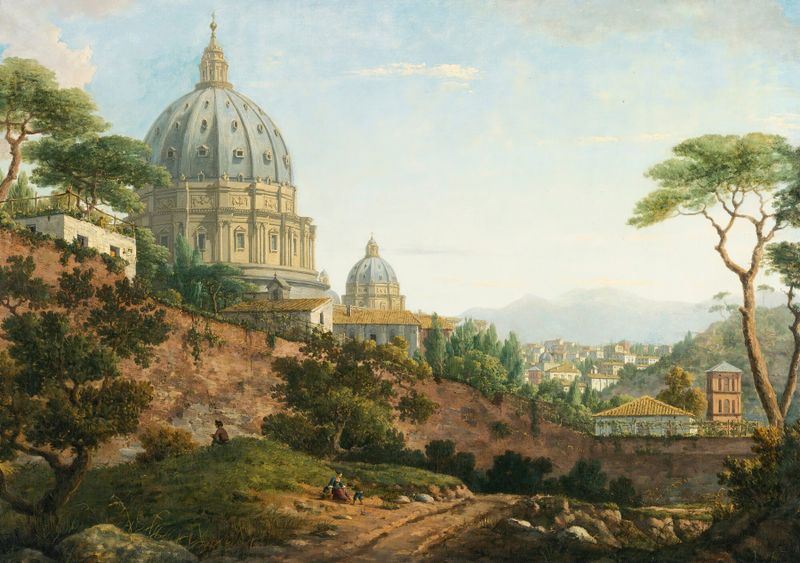
View Of Saint Peter’s, Rome
William Marlow
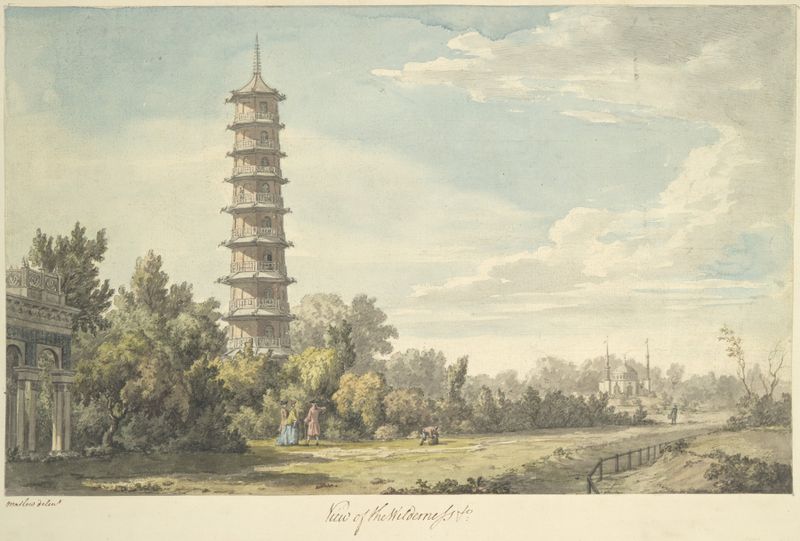
View of the Wilderness at Kew
William Marlow
The Bay of Naples with Santa Maria degli Angeli
William Marlow

Nîmes from the Tour Magne
William Marlow
The Amphitheater at Nimes
William Marlow

Castle on the Rhône River, France
William Marlow





