
The Arno towards the Ponte alle Grigio — History & Facts
In the tranquil embrace of a river, longing swells beneath the surface, revealing the delicate balance between serenity and sorrow. Look to the left at the soft undulation of the hills, gently caressed by the fading light of dusk, where the landscape seems to breathe with an ethereal quality. Notice how the shimmering water captures the fading colors of twilight, its surface a canvas of blues and golds, mirroring the sky’s transient beauty. The delicate brushwork conveys a sense of fluidity, inviting you to trace the path of the river as it winds toward the distant Ponte alle Grigio, a bridge that stands as a silent witness to the stories of countless souls. While the scene is undeniably picturesque, the juxtaposition of vibrant hues against the soft, smudged outlines hints at deeper emotions.
The bridge, a symbol of connection, stands firm amid the transient beauty of nature, suggesting longing for that which is unattainable. The water reflects not just the sky, but the memories and dreams of those who gaze upon it, embedding a sense of nostalgia within the viewer’s heart. During the time this piece was created, Marlow was immersed in the burgeoning appreciation for landscape painting, flourishing in the rich artistic environment of 18th century England. He focused on capturing the essence of nature, showcasing locales that inspired admiration and introspection.
This work reflects a period when artists sought deeper connections with their subjects, striving to evoke emotions that transcended mere representation.
More Artworks by William Marlow
Browse all →
Whitehall
William Marlow
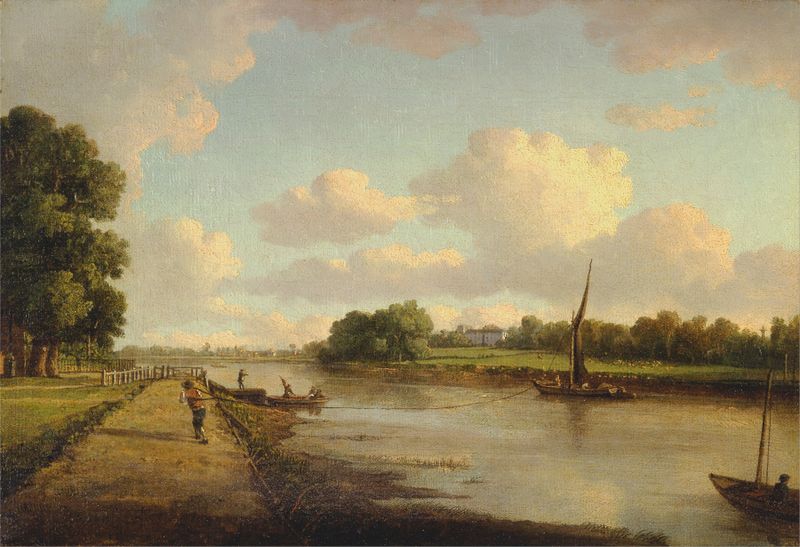
View on the River Thames at Richmond
William Marlow
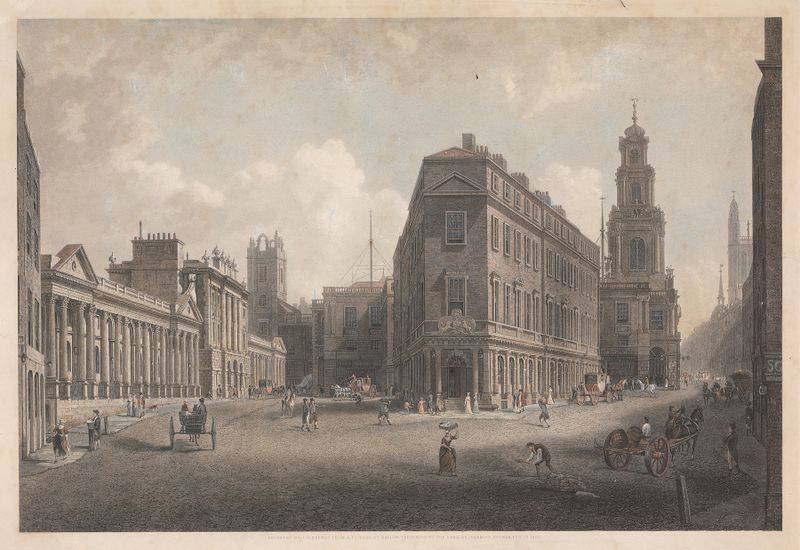
Bank of England Royal Exchange
William Marlow

The Thames At Richmond
William Marlow
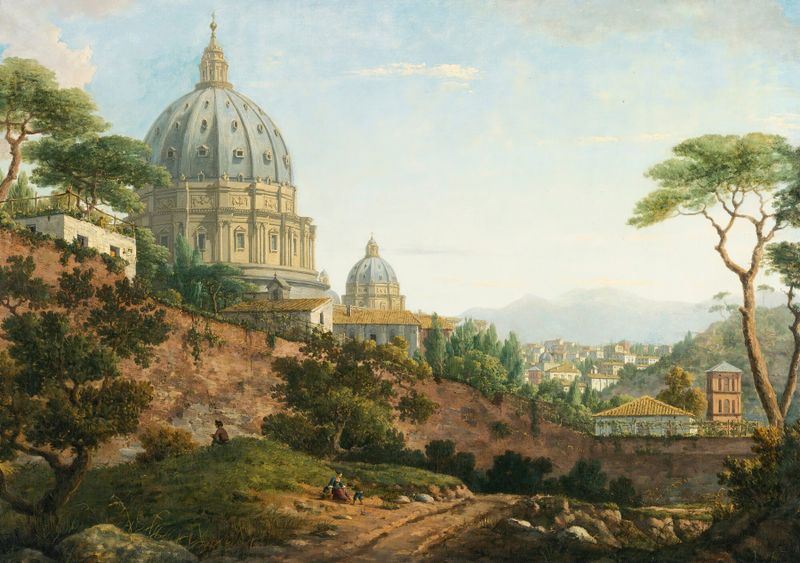
View Of Saint Peter’s, Rome
William Marlow
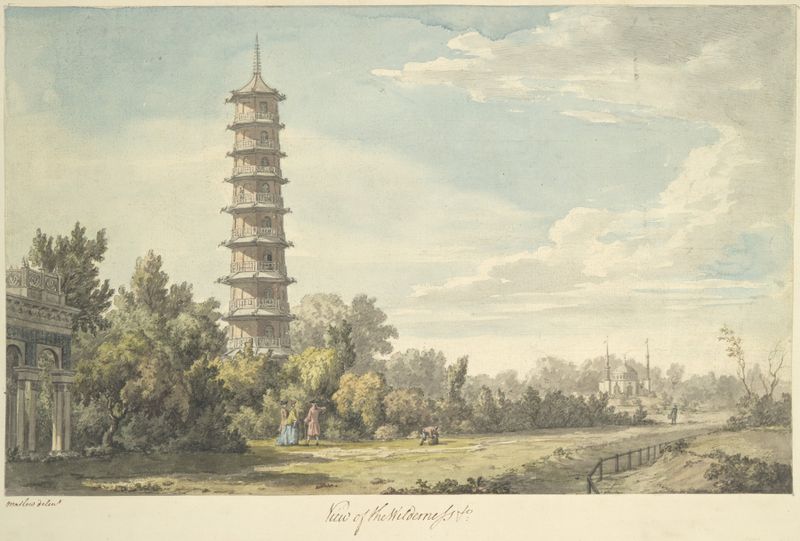
View of the Wilderness at Kew
William Marlow
The Bay of Naples with Santa Maria degli Angeli
William Marlow

Nîmes from the Tour Magne
William Marlow
The Amphitheater at Nimes
William Marlow

Castle on the Rhône River, France
William Marlow





