
View of the Wilderness at Kew — History & Facts
Where does light end, and longing begin? In the delicate interplay of nature and emotion, the boundaries blur, revealing a deeper truth hidden within the landscape. Look to the left at the winding path that beckons the viewer to explore the wilderness. The gentle curve draws the eye into the expansive, lush greenery painted with soft strokes of green and gold. Notice how the light cascades through the trees, casting dappled shadows that dance across the ground, giving life to the scene.
The delicate balance of cool and warm tones embodies the tranquility of nature, while the crisp detail of the foliage invites a sense of closeness, as if the viewer is standing right there, inhaling the fresh, invigorating air. Upon closer inspection, the painting reveals subtle contrasts. The vibrant colors of the trees juxtapose with the serene blues of the distant sky, hinting at a world that is both inviting and distant. Each brushstroke captures a moment suspended in time, whispering stories of solitude and contemplation.
The figures in the foreground, though modestly rendered, suggest a connection between humanity and the vast wilderness, portraying an intimate dialogue between the self and the natural world. Created in 1763, this artwork emerged during a period of significant social and artistic changes in England. William Marlow painted View of the Wilderness at Kew while exploring themes of landscape and nature, reflecting the burgeoning Romantic movement that sought to express emotion and individual experience. As a respected voice in the 18th-century British art scene, Marlow was influenced by both the picturesque tradition and the emerging fascination with the sublime in nature, capturing the essence of a moment that resonates with the viewer long after they leave its quiet embrace.
More Artworks by William Marlow
Browse all →
Whitehall
William Marlow
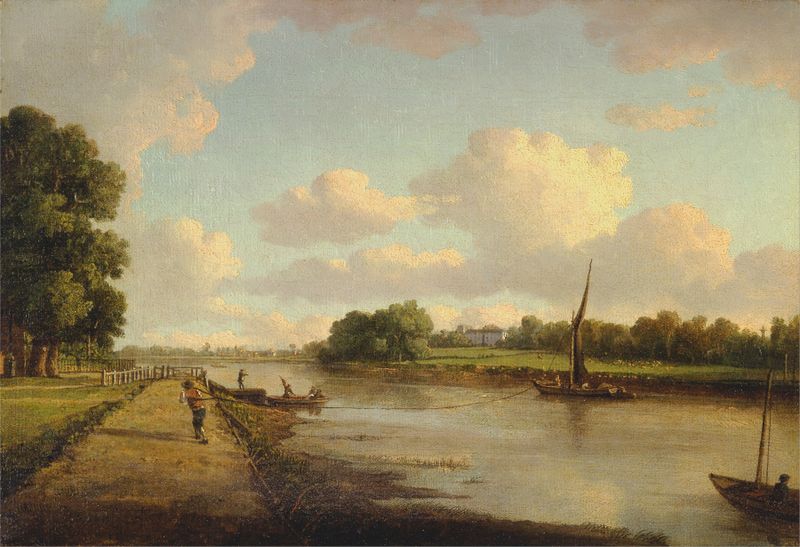
View on the River Thames at Richmond
William Marlow
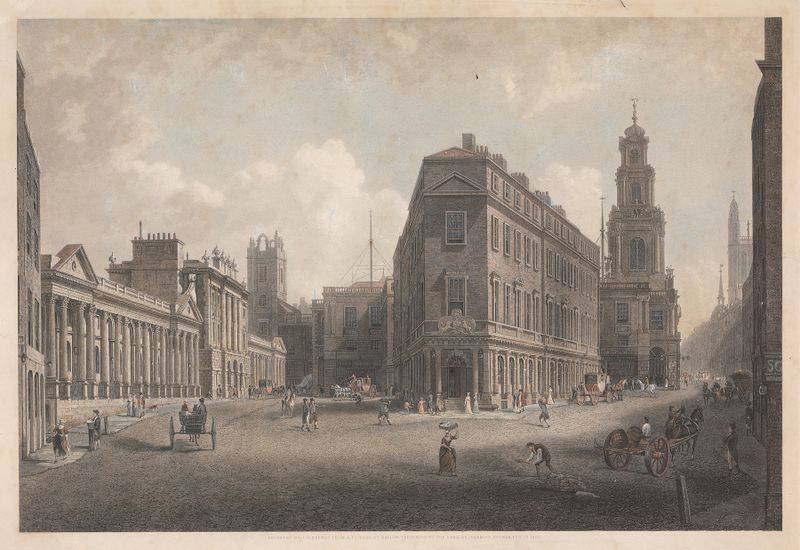
Bank of England Royal Exchange
William Marlow

The Thames At Richmond
William Marlow

The Arno towards the Ponte alle Grigio
William Marlow
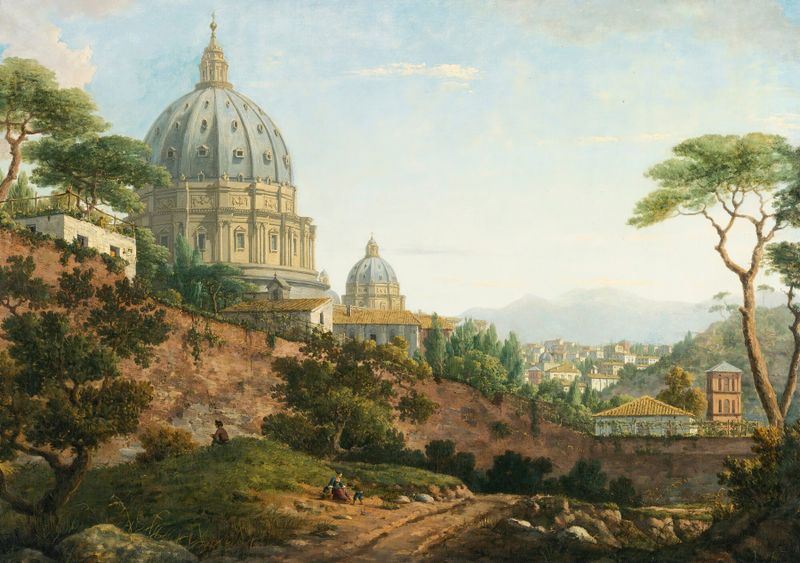
View Of Saint Peter’s, Rome
William Marlow
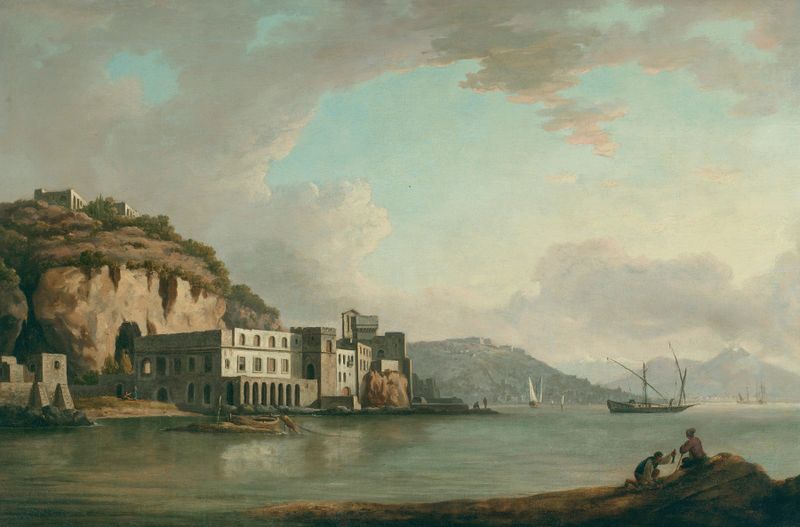
The Bay of Naples with Santa Maria degli Angeli
William Marlow

Nîmes from the Tour Magne
William Marlow
The Amphitheater at Nimes
William Marlow

Castle on the Rhône River, France
William Marlow





