
Discover insights about this artwork
Banks of the Marne — History & Facts
In Banks of the Marne, Paul Cézanne captures a serene landscape with a gentle river flowing through lush greenery. The painting features a palette of soft greens, blues, and hints of warm earth tones. Trees line the banks, creating a sense of depth and tranquility.
The overall composition invites the viewer to immerse themselves in this peaceful natural setting. Cézanne employs his signature brushwork, using short, visible strokes to build texture and form. The layering of colors creates a vibrant yet harmonious effect, characteristic of his Post-Impressionist style. The painting measures approximately 65 x 81 cm, making it a medium-sized work that allows for detailed observation.
The use of light and shadow adds dimension to the landscape, enhancing its realism. Created in the 1880s, Banks of the Marne reflects Cézanne's fascination with the natural world and his desire to depict it with a new perspective. This work is part of a series of landscapes that he painted while exploring the countryside near Paris. Cézanne's innovative approach influenced many modern artists, paving the way for future movements.
An interesting fact is that this painting showcases his transition from Impressionism to a more structured, geometric style.
More Artworks by Paul Cézanne
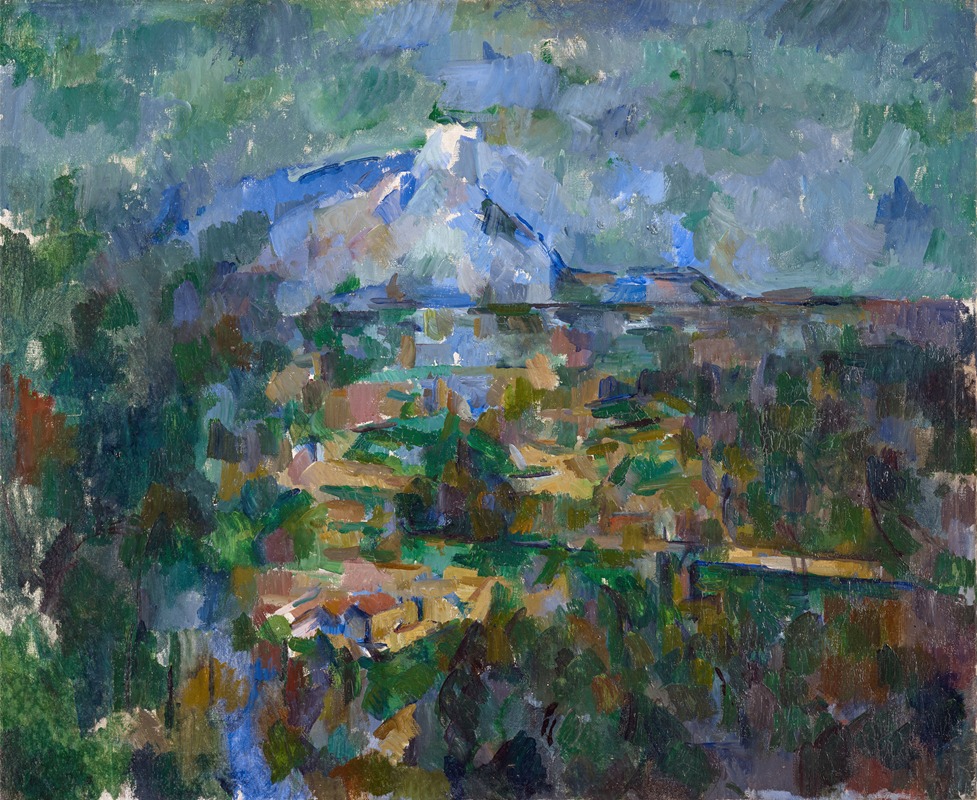
The Mont Sainte-Victoire Seen From Les Lauves
Paul Cézanne
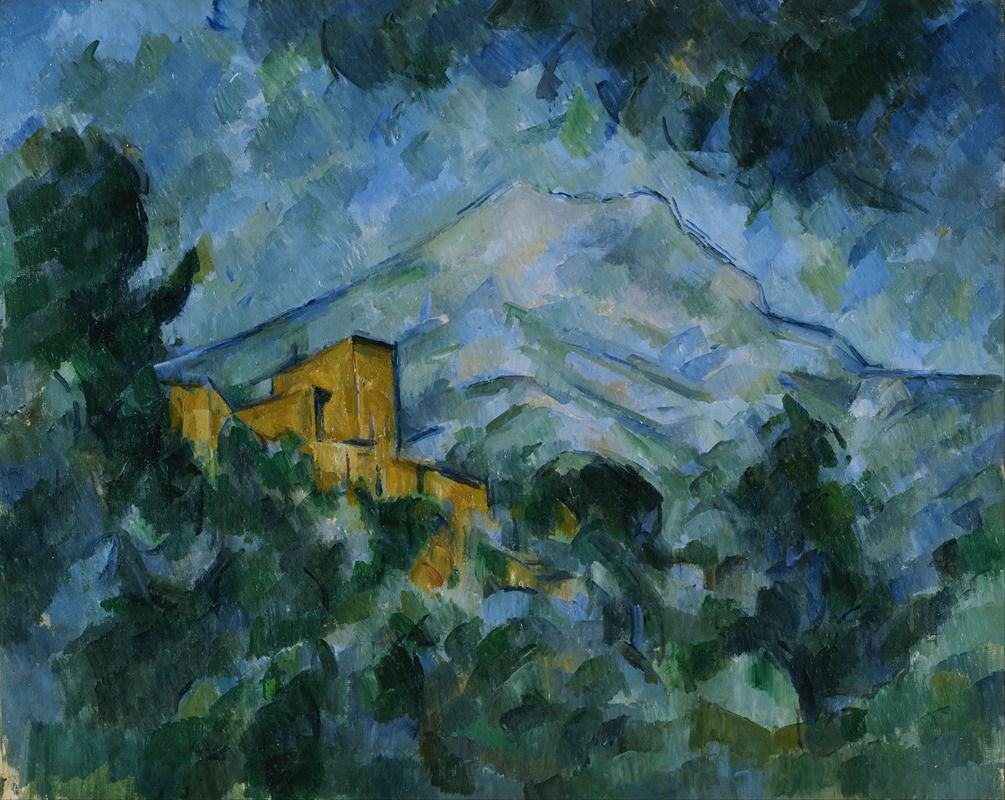
Mont Sainte-Victoire and Château Noir
Paul Cézanne
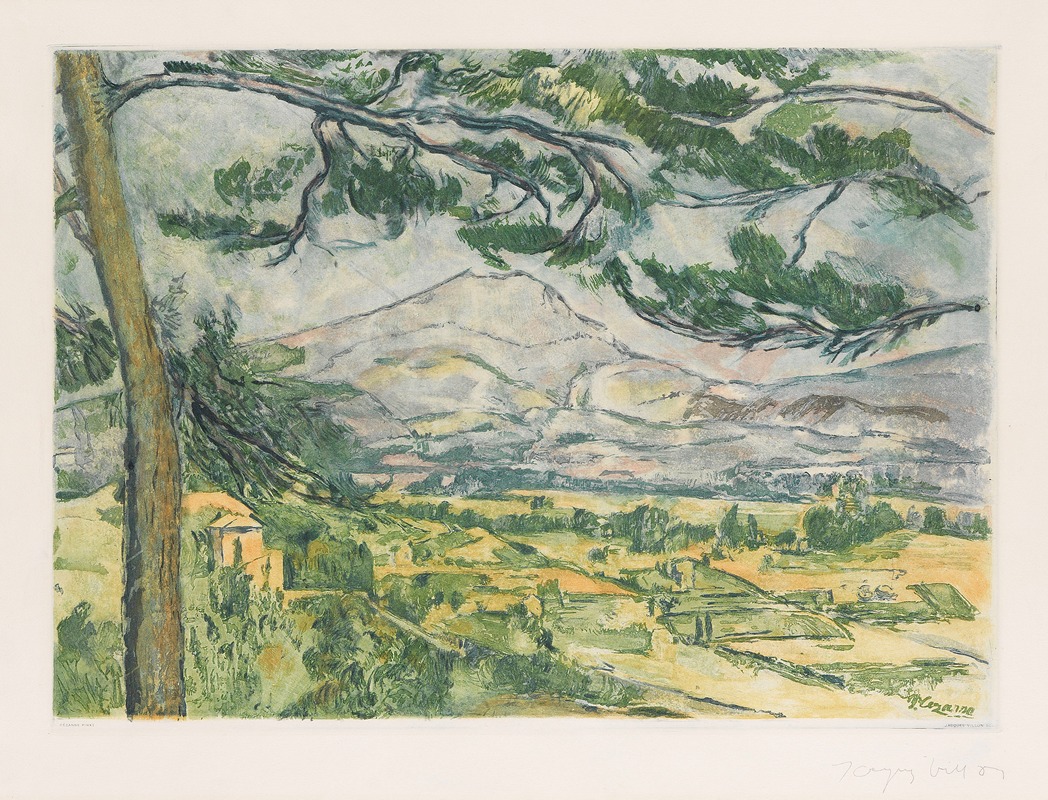
La Montagne Sainte-Victoire
Paul Cézanne
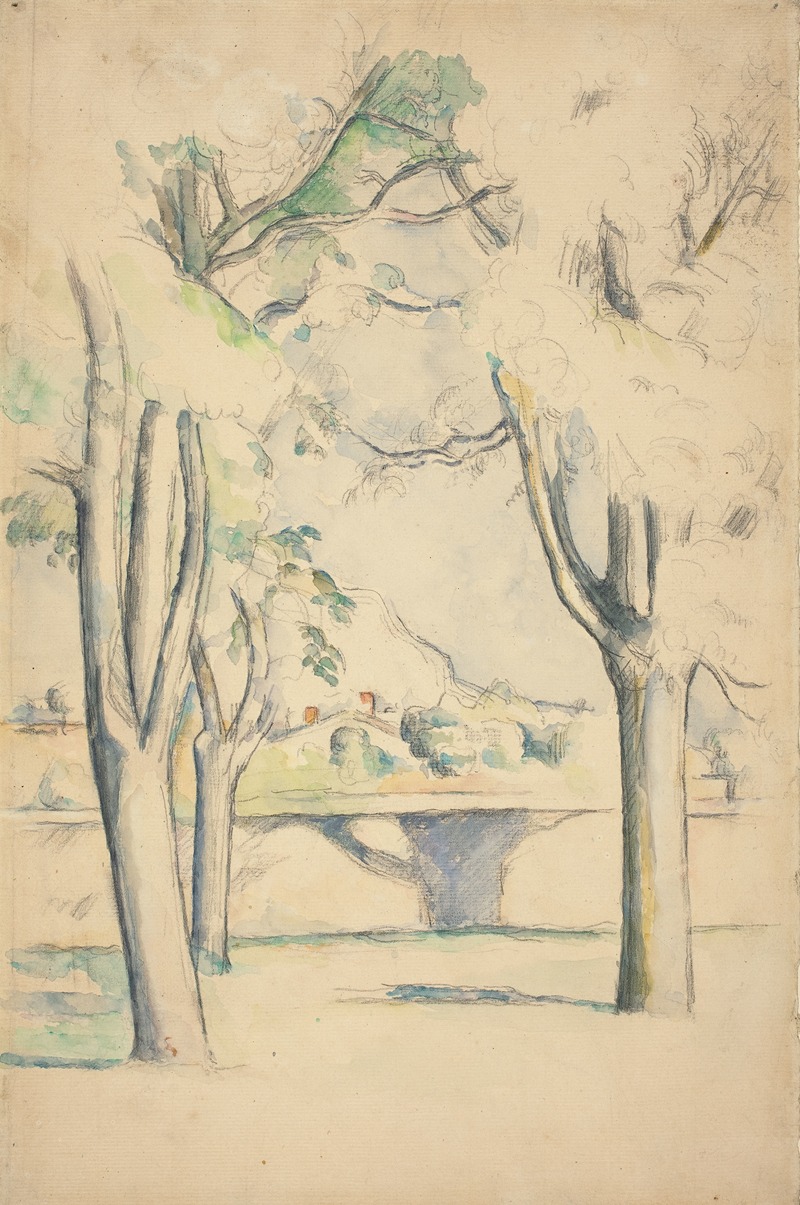
Mont Sainte-Victoire Seen beyond the Wall of the Jas de Bouffan
Paul Cézanne
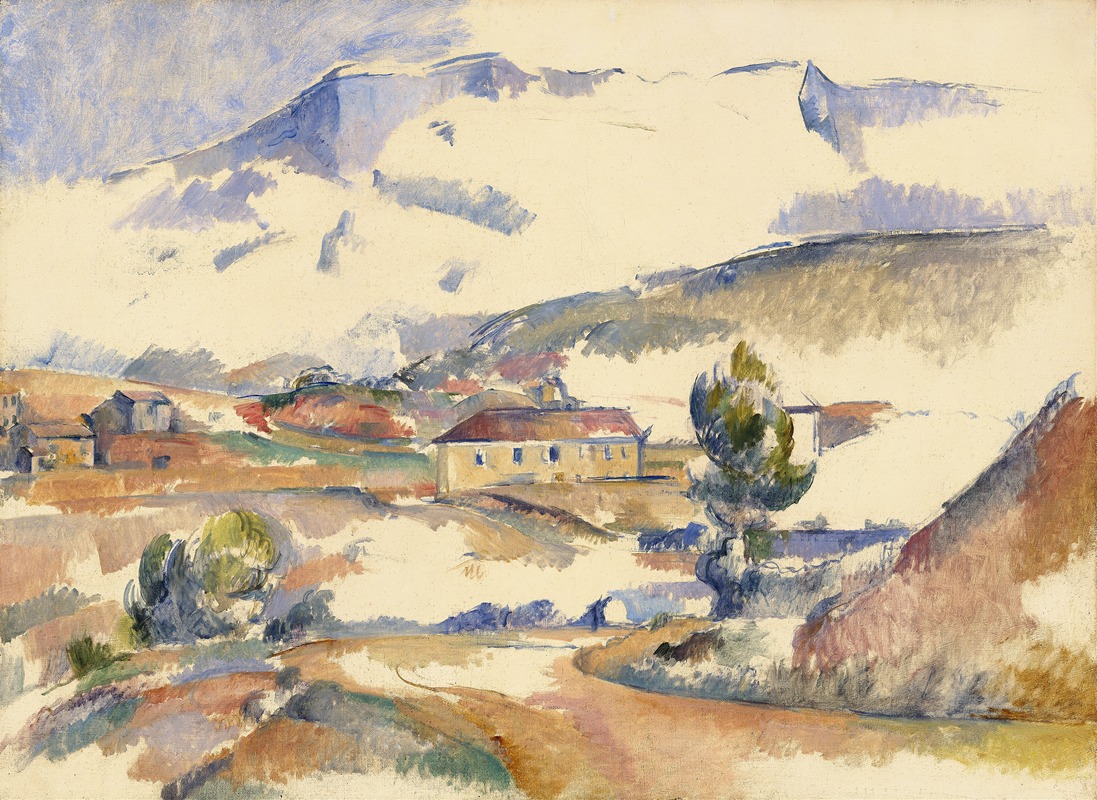
Montagne Sainte-Victoire,from near Gardanne
Paul Cézanne
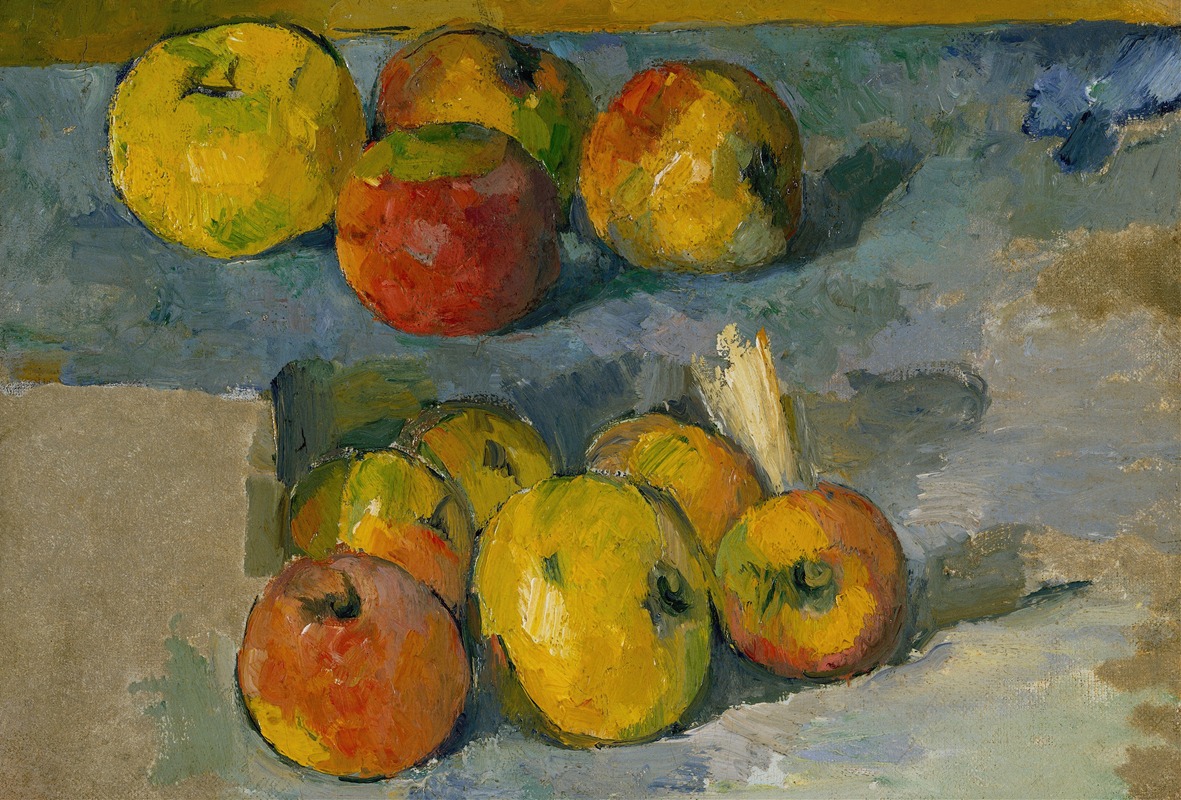
Apples
Paul Cézanne
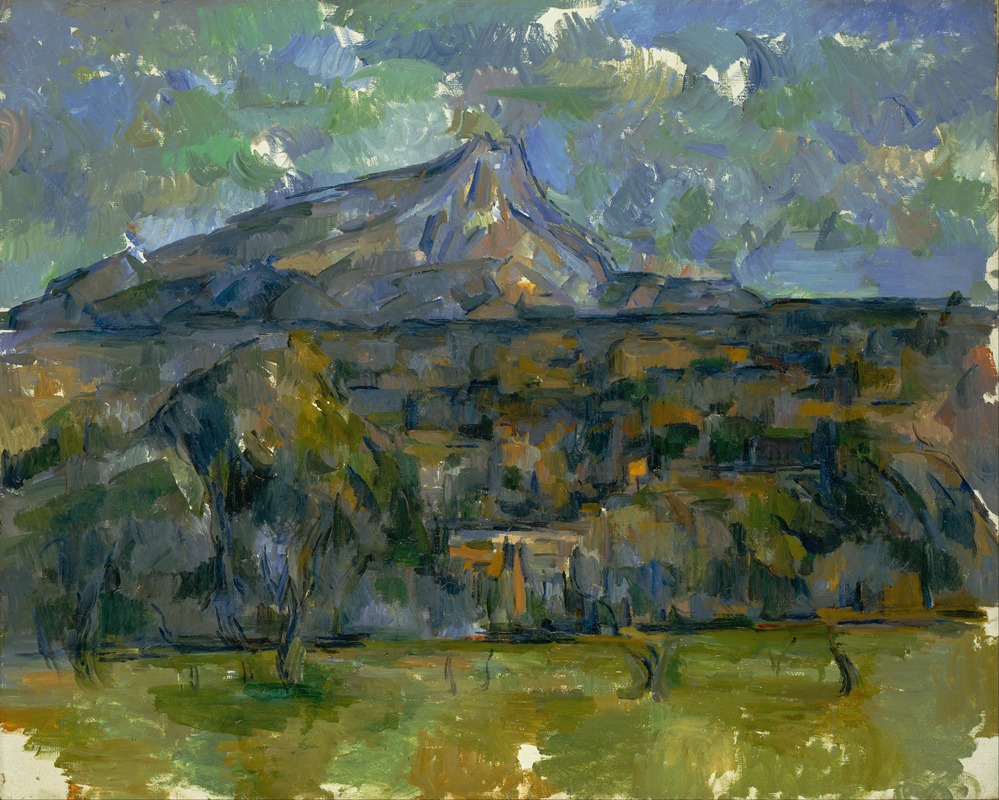
Mont Sainte-Victoire
Paul Cézanne
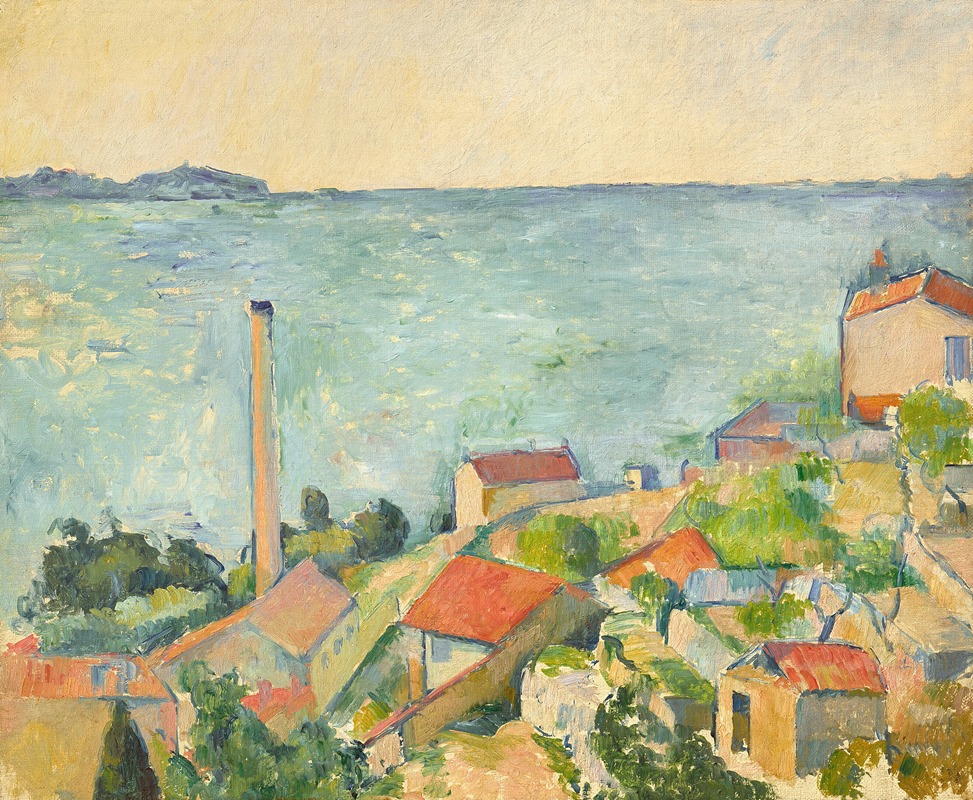
La mer à l’Estaque
Paul Cézanne
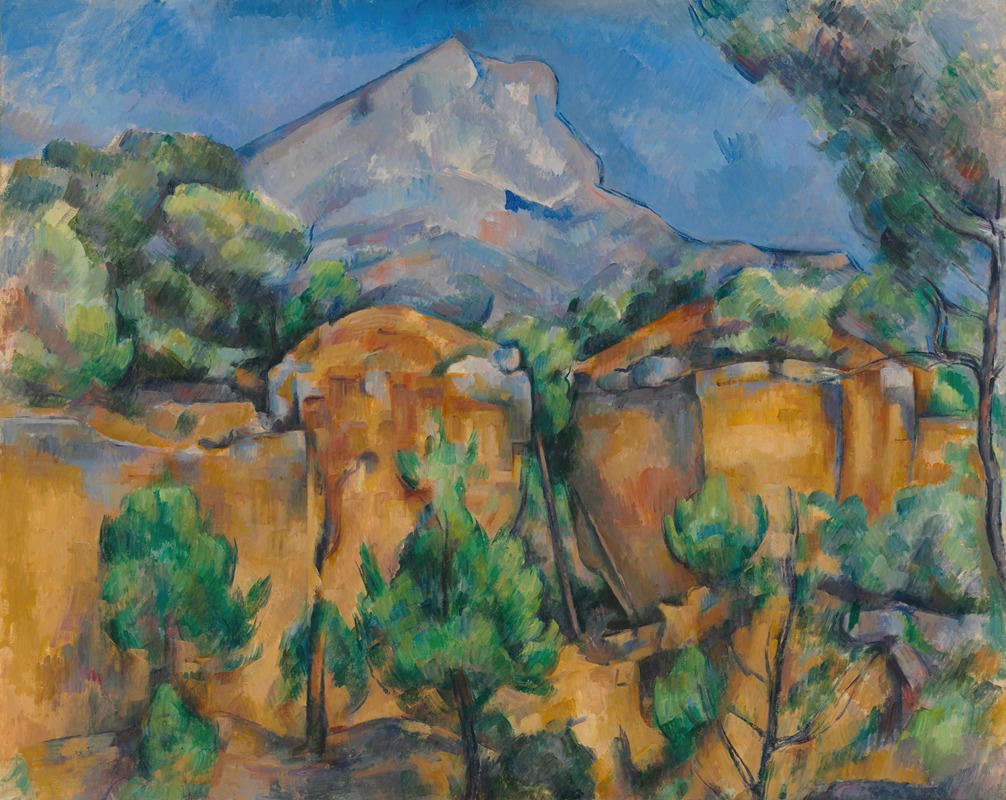
La Montagne Sainte-Victoire vue de la carrière Bibémus
Paul Cézanne
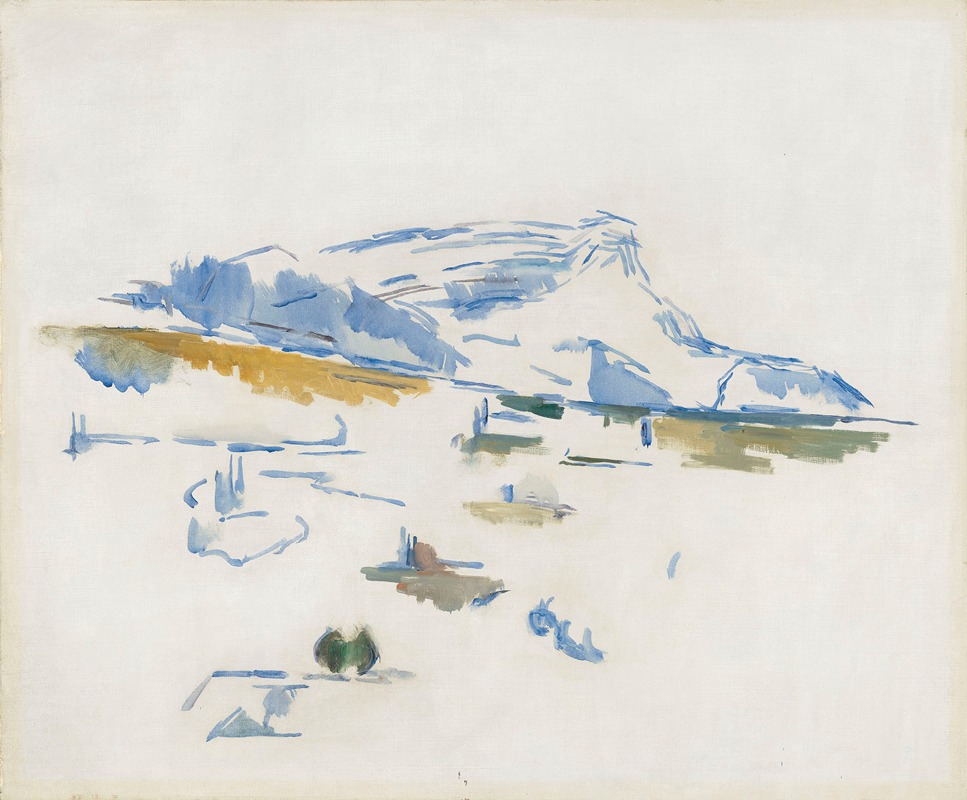
La Montagne Sainte-Victoire vue des Lauves
Paul Cézanne
More Landscape Art
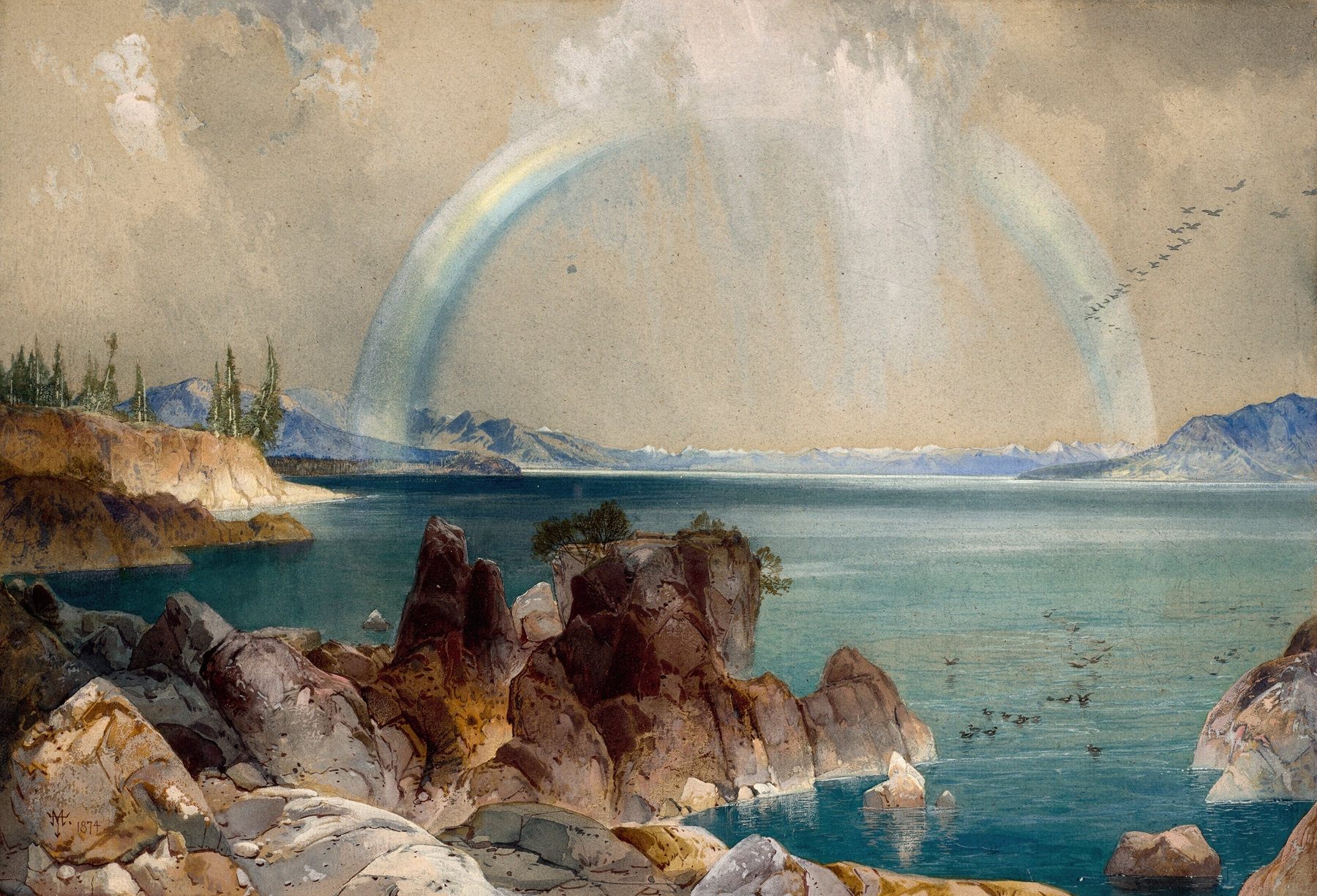
The Southern Arm of the Yellowstone Lake, Yellowstone National Park, Wyoming Territory
Thomas Moran
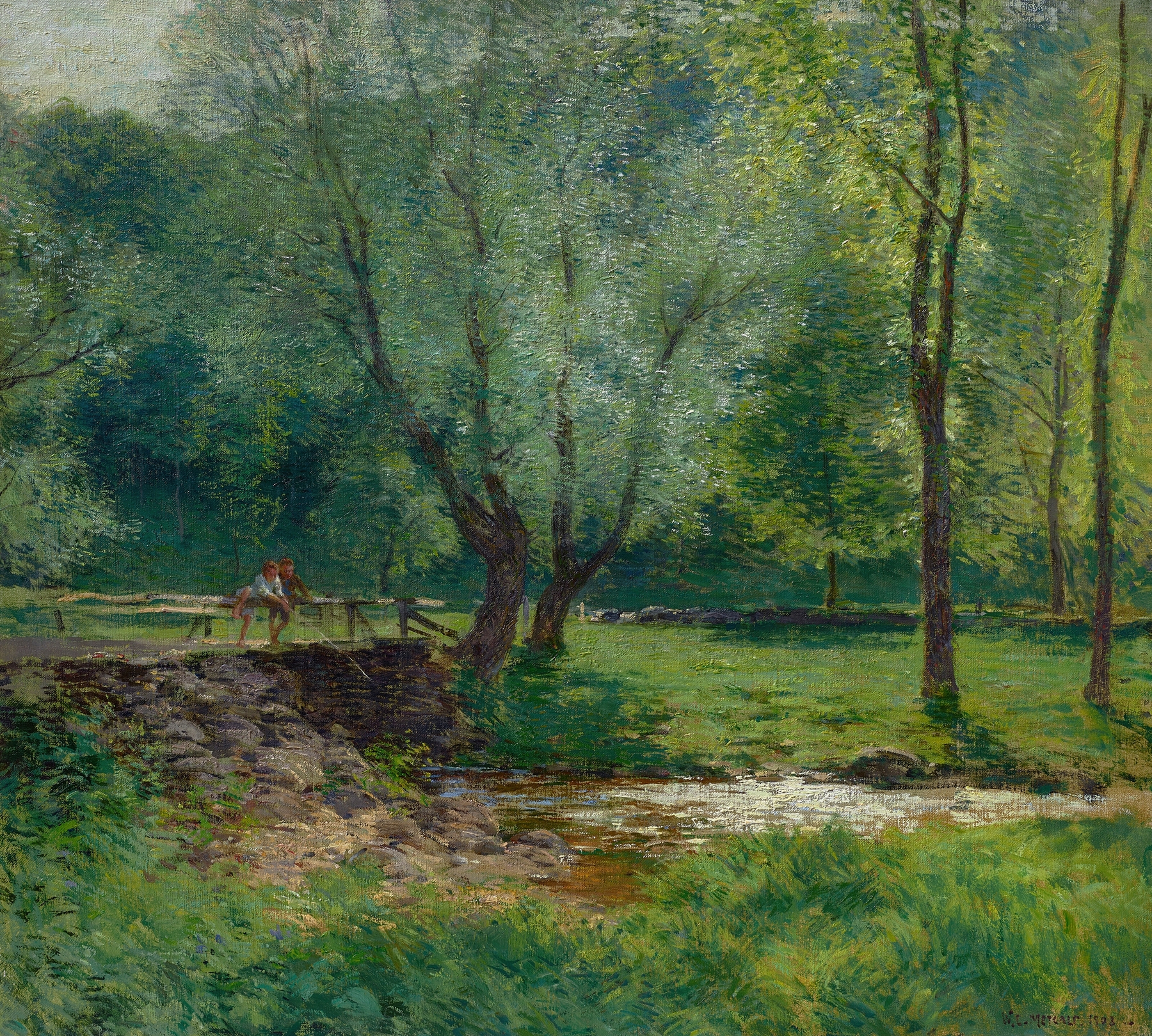
The Sun Kiss
Willard Leroy Metcalf
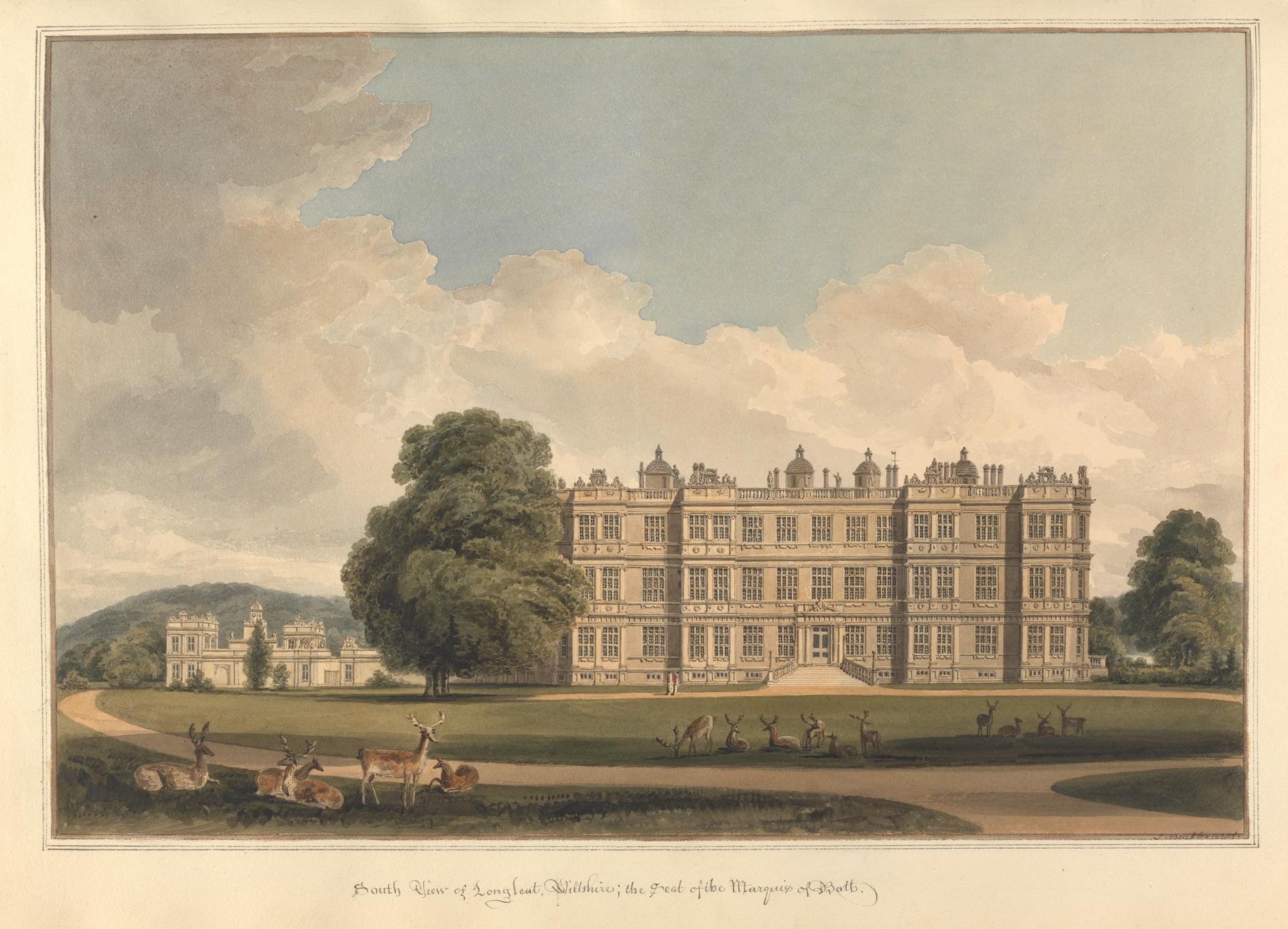
South View of Longleat, Wiltshire: the Seat of the Marquis of Bath
John Buckler
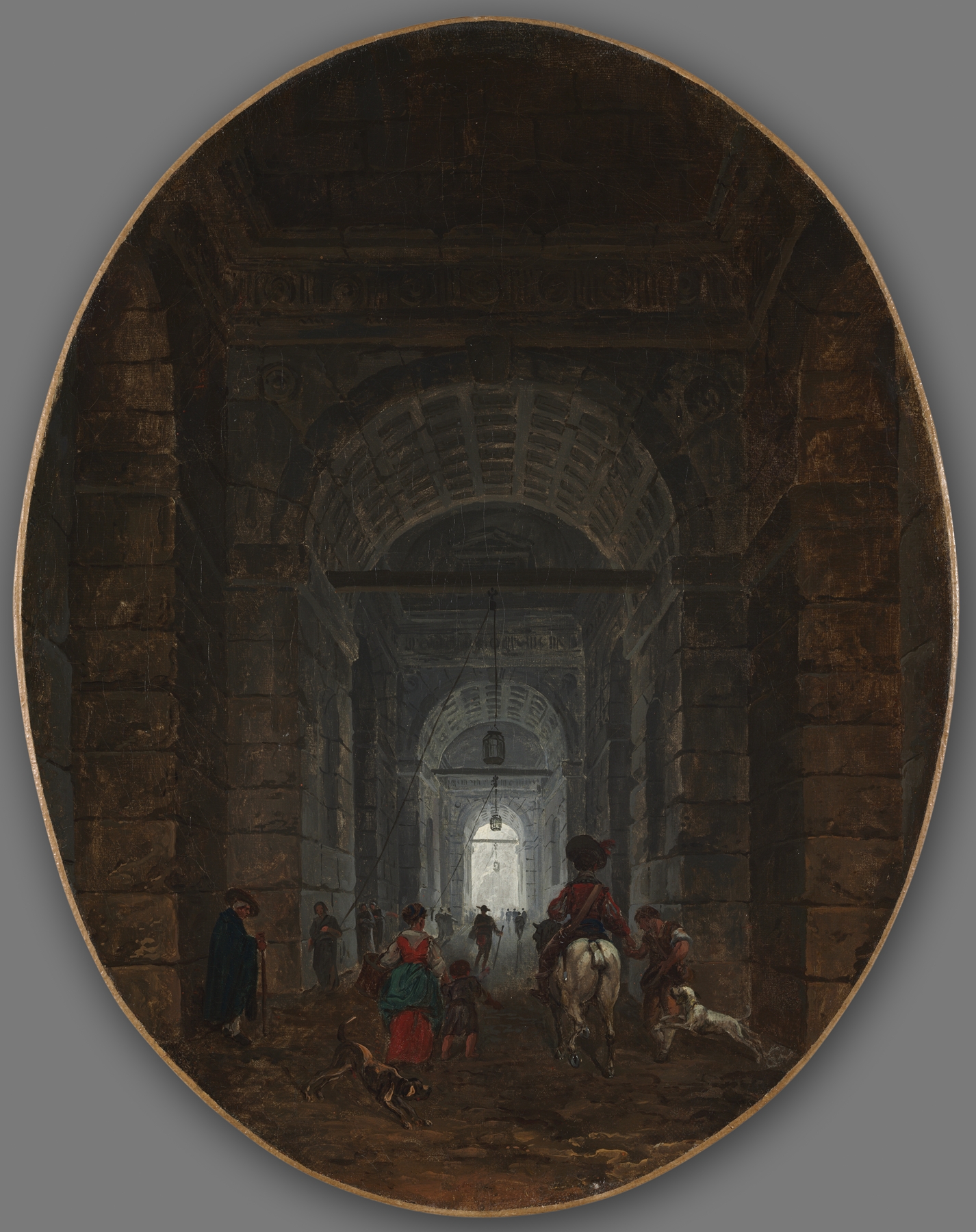
The Grotto of Posillipo
Hubert Robert
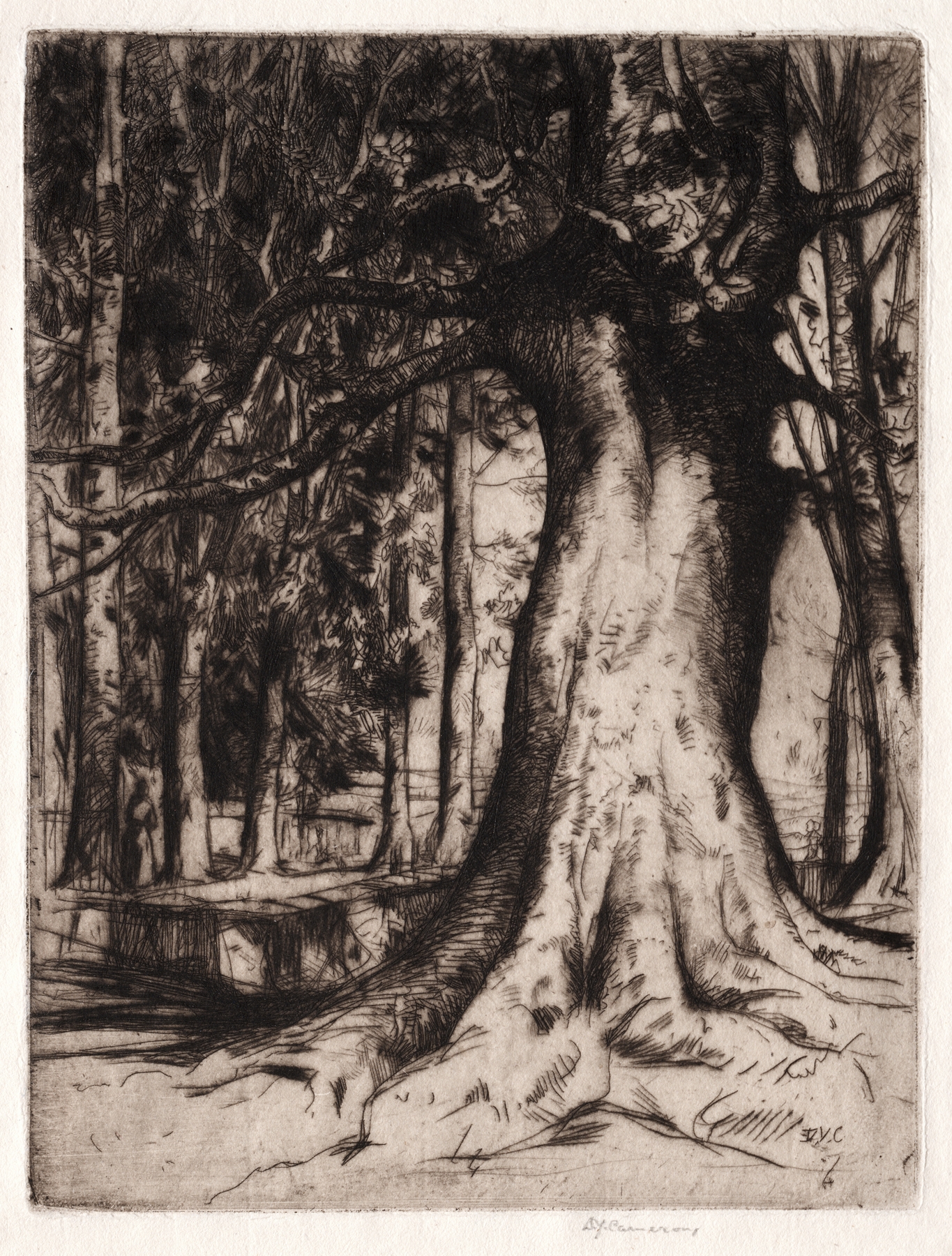
The Sycamore
David Young Cameron
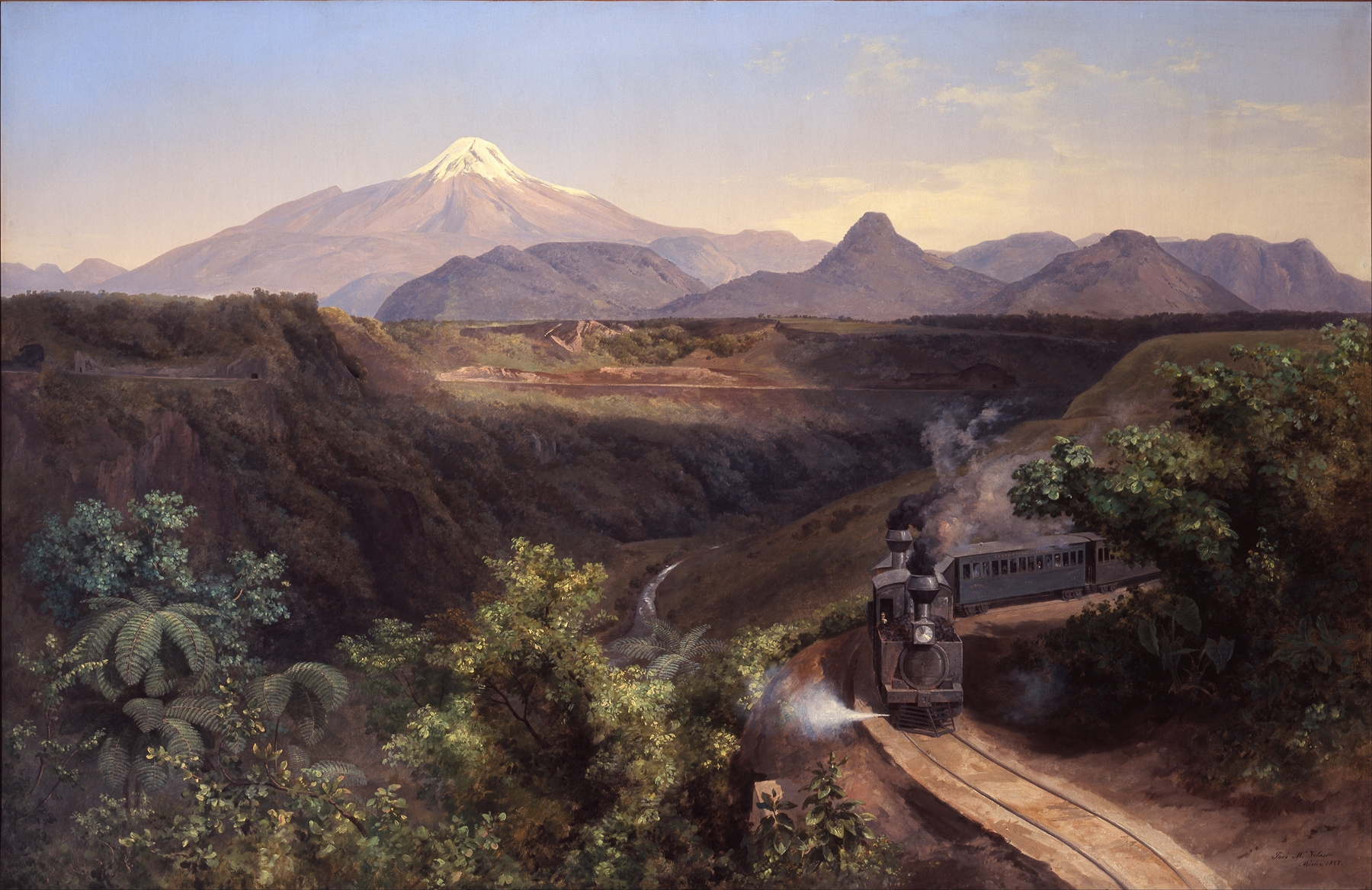
The Metlac Ravine
José María Velasco