
Bardon Hill, Coleorton Hall — History & Facts
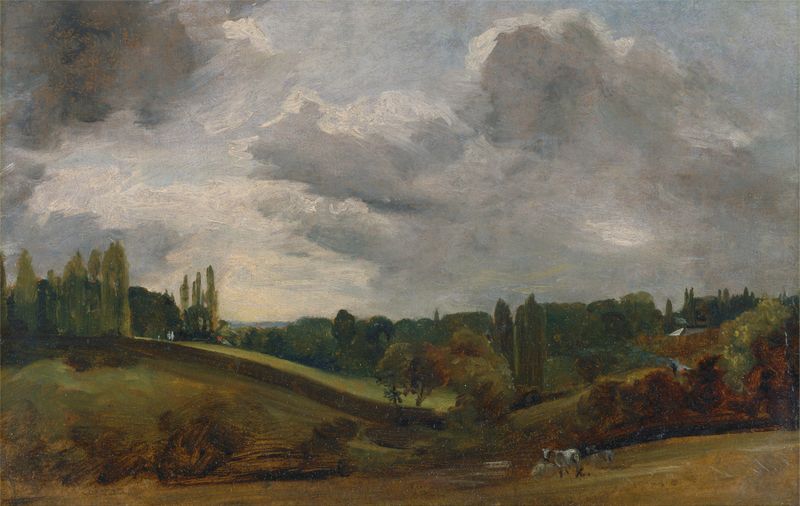
Did the painter know this moment would outlive them? In the embrace of nature, time becomes a gentle whisper, inviting reflection and reverence. Look to the left at the rolling hills that cradle the scene, their undulating forms rendered with a rich tapestry of greens and browns. The sky breathes life into the canvas, streaks of soft blue peeking through a lacy veil of clouds. Notice how the light dances across the textured surface, illuminating the path that winds through the landscape, leading the viewer deeper into the serene tableau.
The artist’s brushwork reveals a profound connection to both the land and the fleeting nature of beauty. Beneath the surface, a deeper harmony resonates. The juxtaposition of light and shadow suggests a dialogue between the stability of the earth and the ephemeral quality of existence. The scattered clouds symbolize the passage of time, while the tranquil scene invites contemplation of life’s transience.
Here, the artist captures not just a moment, but a feeling—a universal yearning for connection with nature and a desire to preserve its magic. In 1823, Constable painted this work amidst his growing recognition, blending realism with romanticism. Living in England during a period of industrial change, he sought solace in the landscapes of his youth, capturing their majesty with a heartfelt urgency. This painting reflects the artist's internal struggle, a desire to connect modernity with the untouched beauty of the natural world, a theme that resonates throughout his life and work.
More Artworks by John Constable
Browse all →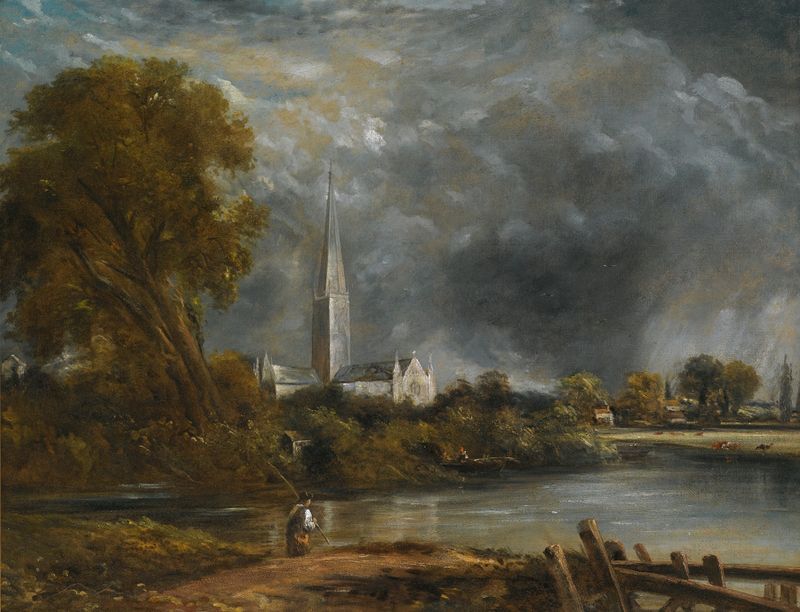
Salisbury Cathedral From The Meadows
John Constable
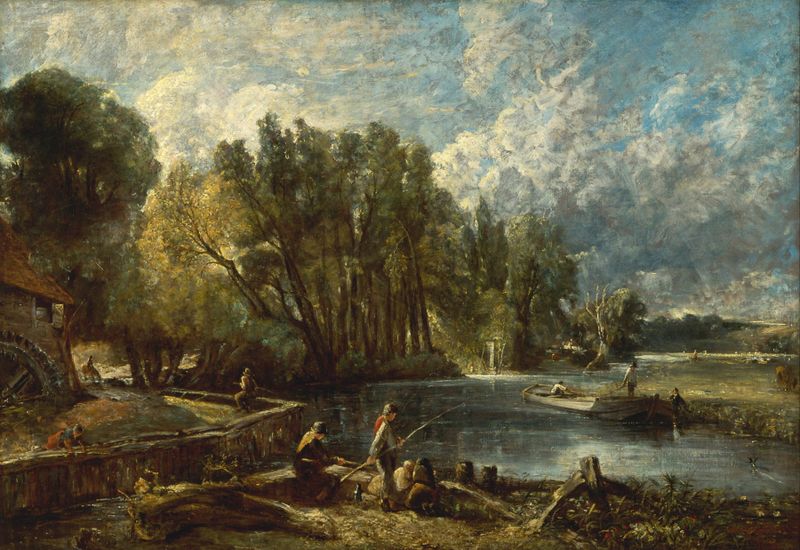
Stratford Mill
John Constable
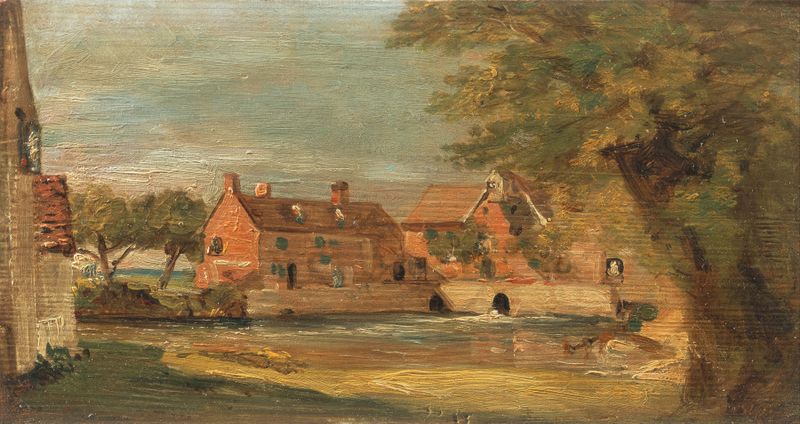
Flatford Mill
John Constable
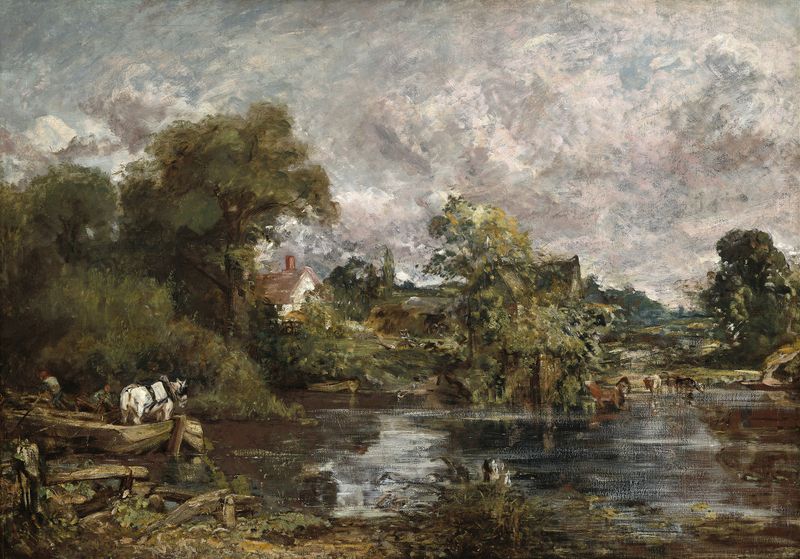
The White Horse
John Constable
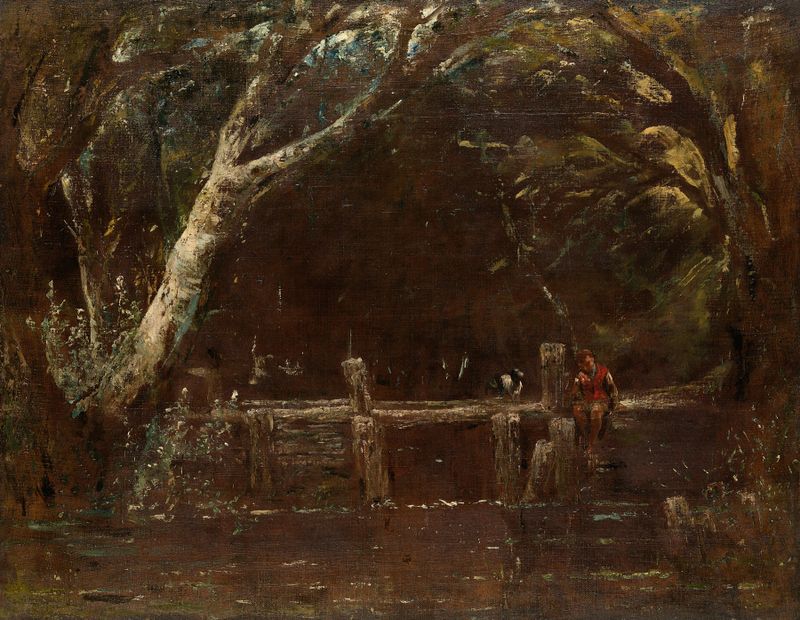
Landscape (The Lock)
John Constable
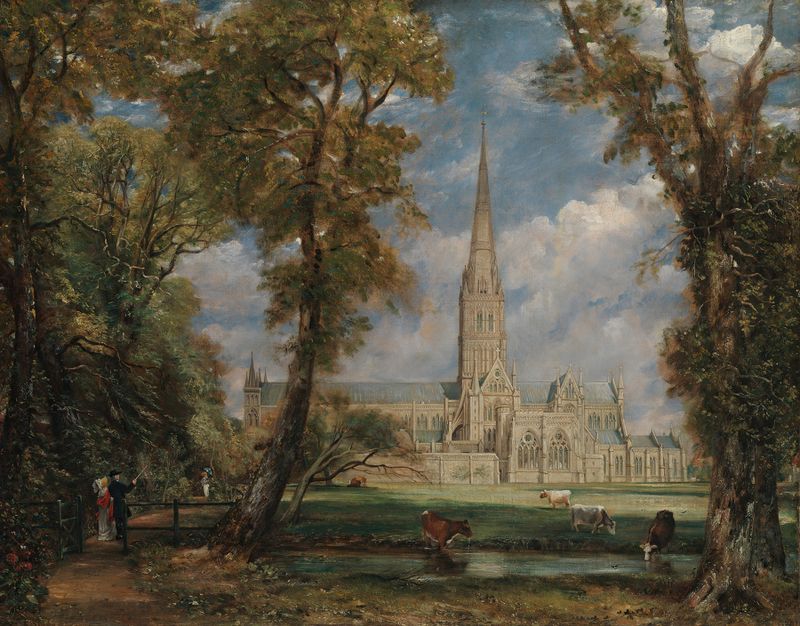
Salisbury Cathedral from the Bishop’s Grounds
John Constable
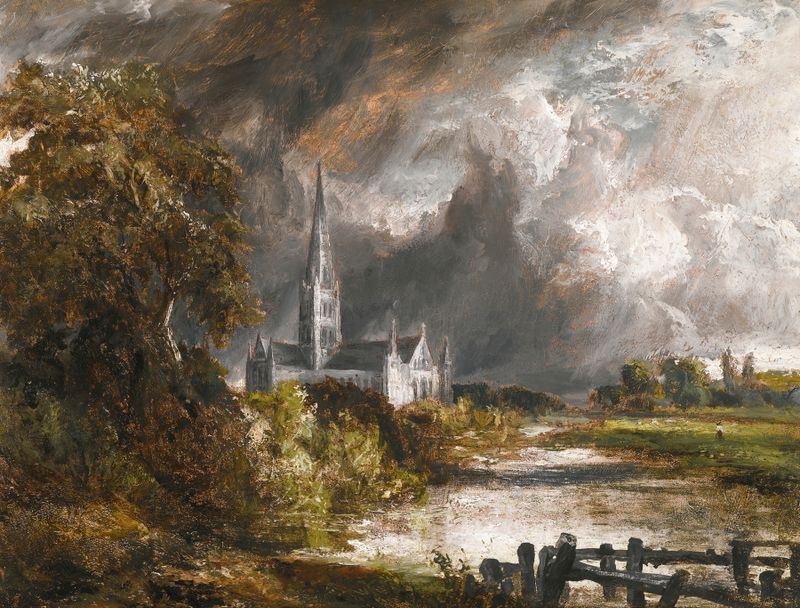
Salisbury Cathedral From The Meadows
John Constable
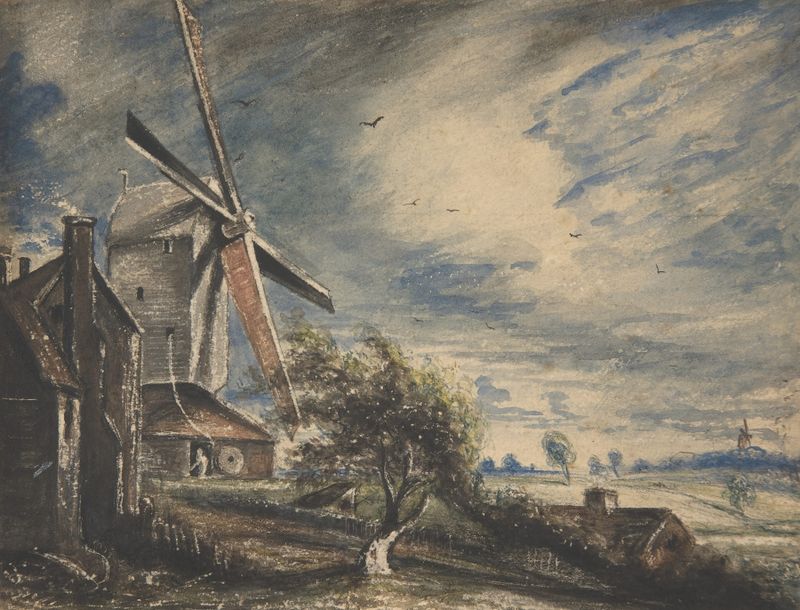
A Mill Near Colchester
John Constable
East Bergholt
John Constable

Flatford Mill
John Constable





