
Barmouth estuary — History & Facts
Who listens when art speaks of silence? In Barmouth estuary, a quiet reverie unfolds, inviting the viewer to witness a moment of rebirth and reflection. Look to the horizon where the soft hues of dawn embrace the water, illuminating the estuary with a gentle blush of pink and gold. The layered strokes of pigment create a textured surface that captures both the stillness of the air and the fluidity of the shifting tide. As your gaze drifts across the canvas, notice the way the light dances upon the water, mirroring the delicate interplay of nature and the rising sun—a visual sonnet to renewal. Beneath the serene surface lies a tension between the vastness of the landscape and the intimate whisper of the water.
The solitary boats, mere silhouettes, symbolize the fragile connection between man and nature, while the encroaching clouds hint at the transient nature of existence. Each brushstroke echoes the quiet promise of change, evoking emotions tied to both longing and hope—reminders that even in stillness, life is always poised for transformation. William Turner of Oxford painted this piece during a time when he was deeply influenced by the Romantic movement, which celebrated nature's beauty and power. The exact date remains unknown, but it reflects his exploration of light and atmosphere that marks a pivotal point in his artistic journey.
Amidst an evolving artistic landscape, the artist sought to capture fleeting moments, allowing viewers to find their own narratives within the silence of the scene.
More Artworks by William Turner of Oxford
Browse all →
Shepherd Boy on a Hillside
William Turner of Oxford

Oxford from Hinksey Hill
William Turner of Oxford
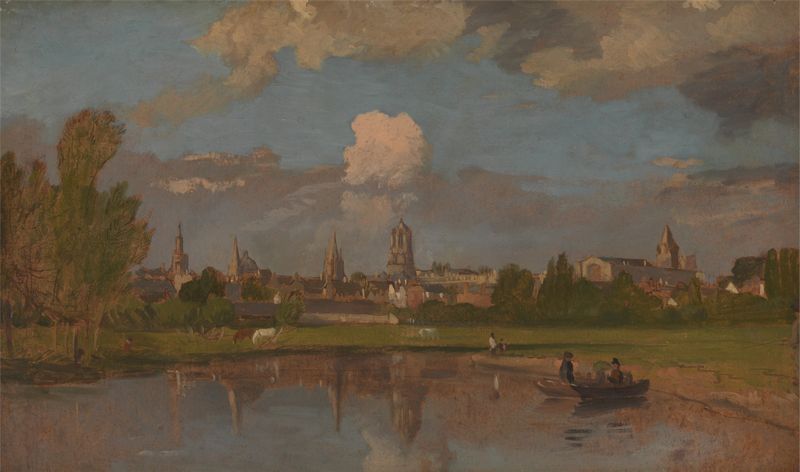
Oxford from the River with Christ Church in the Foreground
William Turner of Oxford
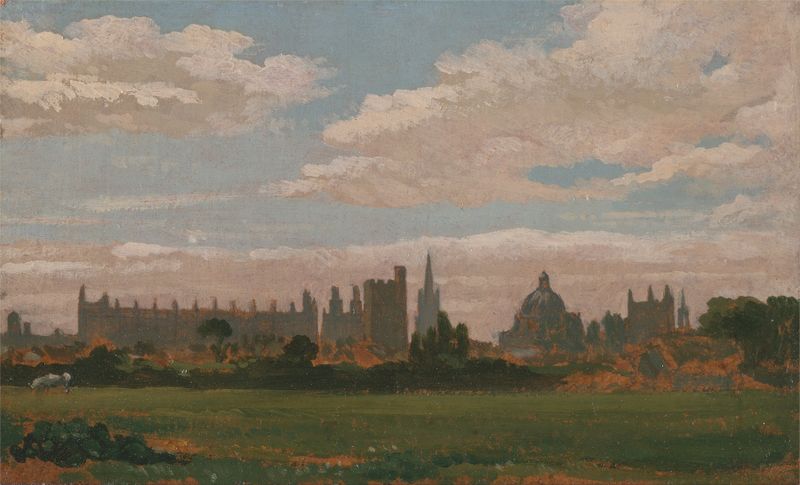
A View of Oxford
William Turner of Oxford

Extensive Landscape with a Pond
William Turner of Oxford
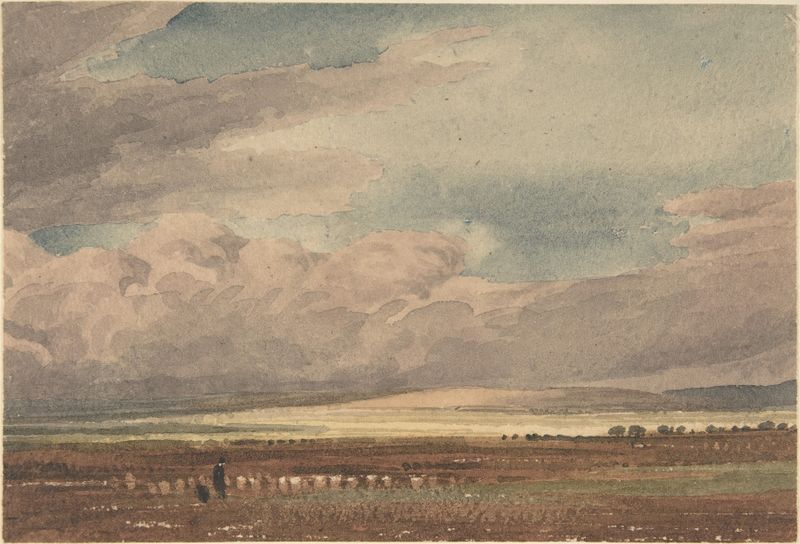
Salisbury Plain with Old Sarum in the Distance, Wiltshire
William Turner of Oxford
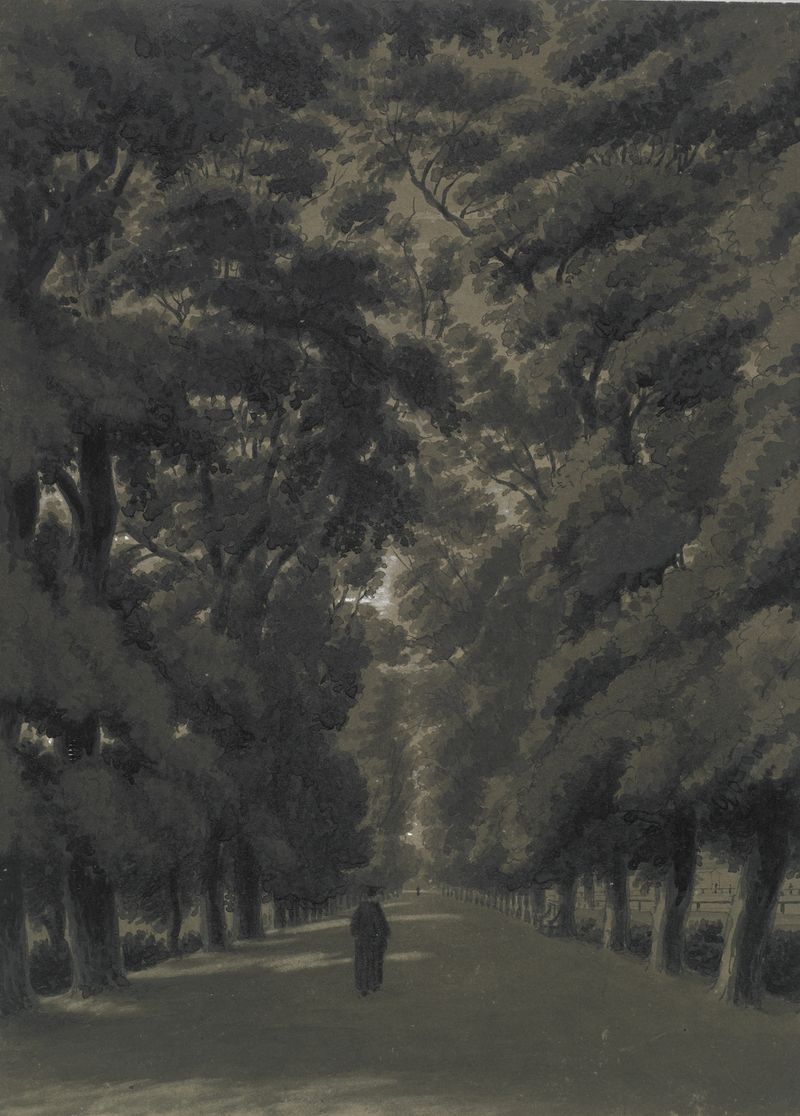
The Broadwalk, Oxford
William Turner of Oxford
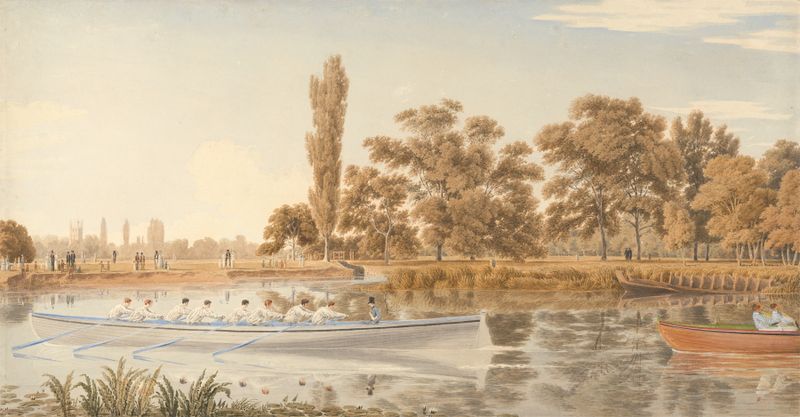
The Exeter College Eight on the Isis, Oxford
William Turner of Oxford

A View from Moel Cynwich; Looking Over the Vale of Afon Mawddach and Toward Cader Idris
William Turner of Oxford
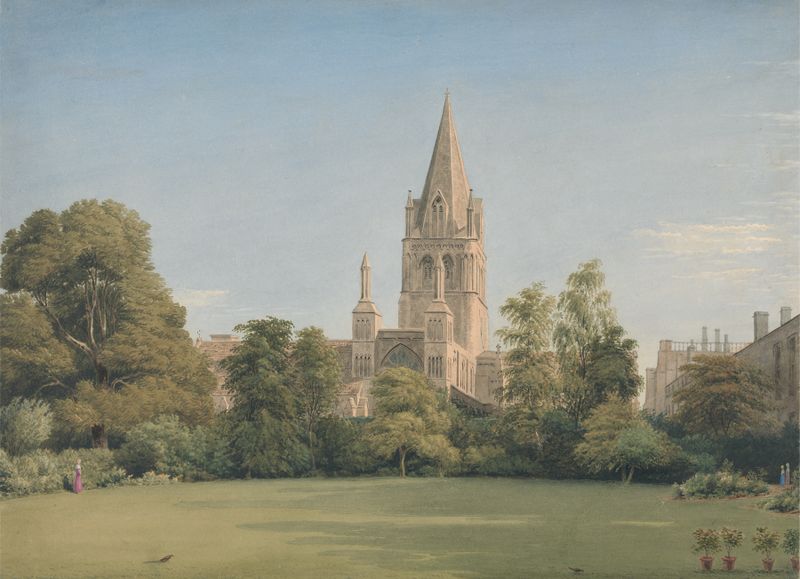
View from the Dean’s Garden, Christ Church, Oxford
William Turner of Oxford





