
Barnard Castle — History & Facts
In the stillness of a fading memory, loss permeates the air like a heavy fog, enveloping the past while whispering secrets of what once was. Focus on the delicate interplay of light and shadow in the painting. Look to the center, where the ruins of Barnard Castle emerge from a soft haze, their crumbling stones kissed by the warm glow of the setting sun. Notice how the rich hues of oranges and golds dance across the canvas, contrasting with the cool blues and grays, evoking a poignant sense of nostalgia.
The swirling clouds overhead suggest the tumultuous emotions tied to the place, inviting the viewer to reflect on the impermanence of life. The emotional tension within this work lies in its juxtaposition of beauty and decay. The castle, a once-majestic symbol of strength and history, now stands in a state of melancholic disrepair. Yet, there is an inexplicable tenderness in the way nature envelops the ruins, as if to cradle its lost glory.
The fleeting light draws the viewer's eye, hinting at the fragility of memory and the inevitability of time’s passage, reminding us that even in decay, there is a haunting beauty. In 1825, Joseph Mallord William Turner was at the height of his artistic exploration, painting in an era marked by industrial change and romantic ideals. He traveled extensively, immersing himself in the landscapes of Britain, capturing their emotional resonance. This period was significant for Turner as he sought to convey the sublime through light and atmosphere, reflecting his own inner turmoil and the world’s transformations, as exemplified in Barnard Castle.
More Artworks by Joseph Mallord William Turner
Browse all →
Dort or Dordrecht- The Dort Packet-Boat from Rotterdam Becalmed
Joseph Mallord William Turner
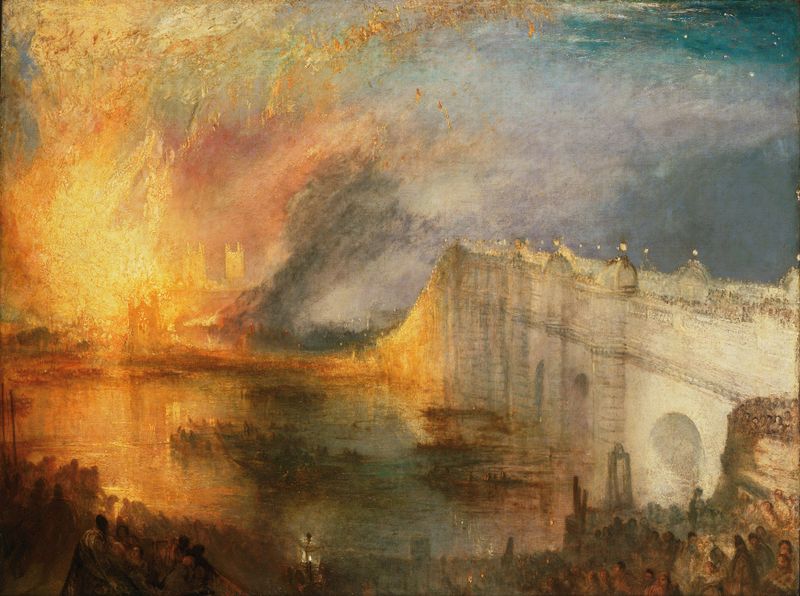
The Burning of the Houses of Lords and Commons, October 16, 1834
Joseph Mallord William Turner
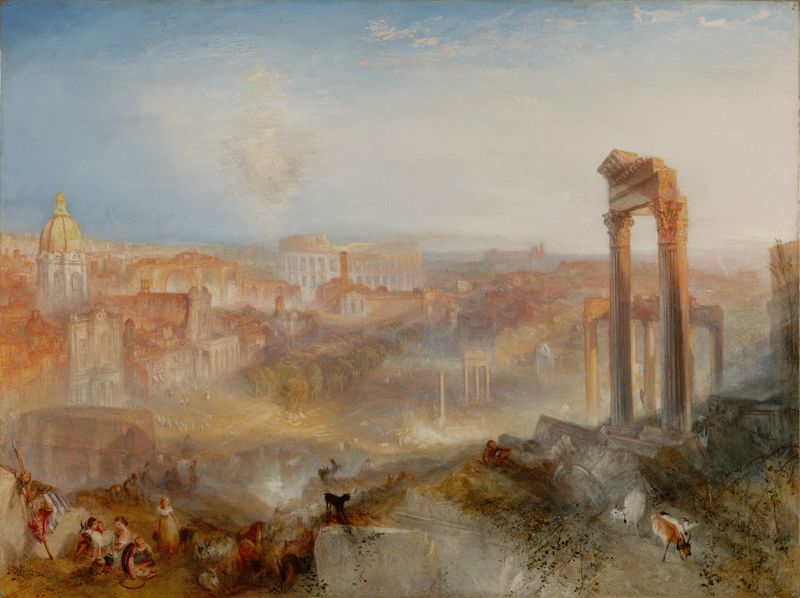
Modern Rome – Campo Vaccino
Joseph Mallord William Turner
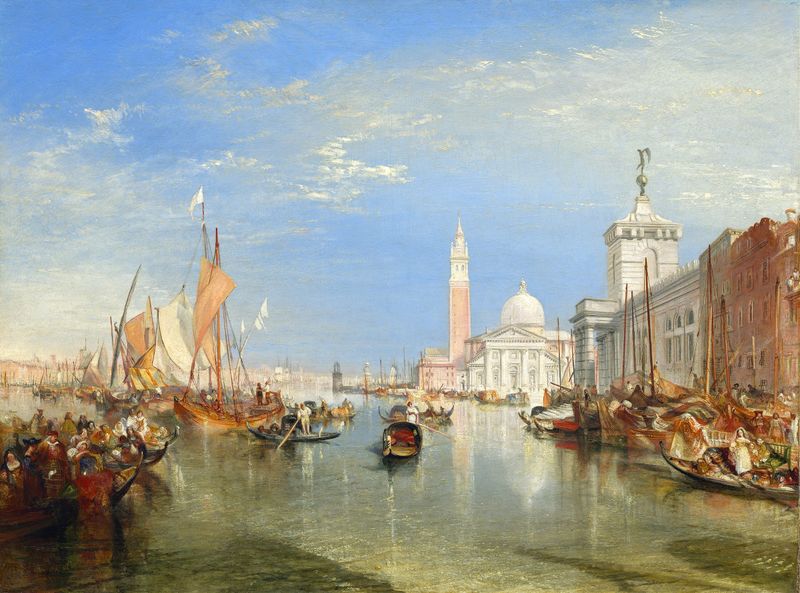
Venice – The Dogana and San Giorgio Maggiore
Joseph Mallord William Turner

The Burning of the Houses of Lords and Commons, 16 October 1834
Joseph Mallord William Turner
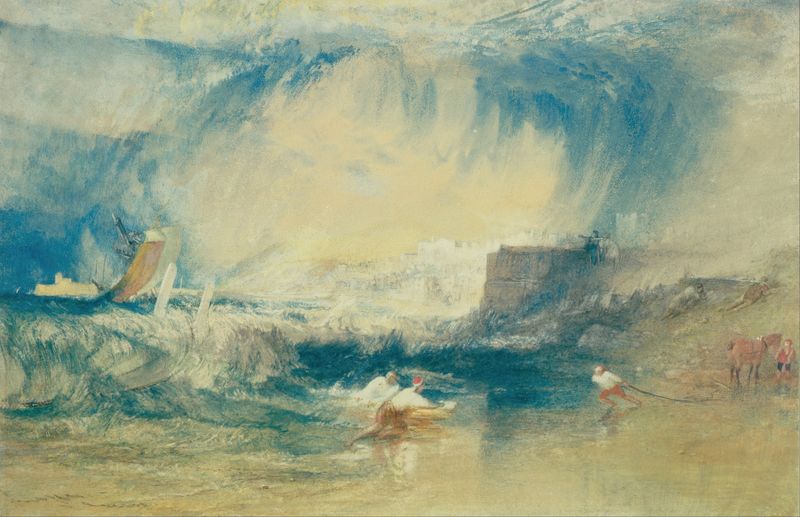
Lyme Regis, Dorsetshire, England
Joseph Mallord William Turner
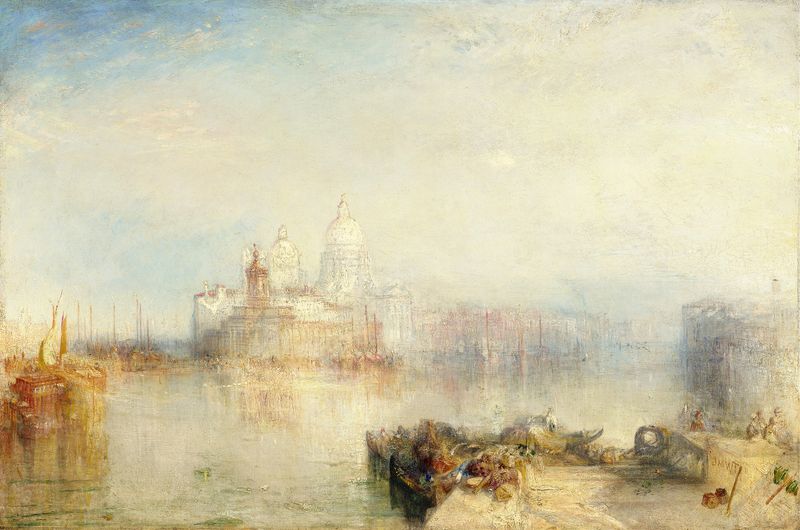
The Dogana and Santa Maria della Salute, Venice
Joseph Mallord William Turner
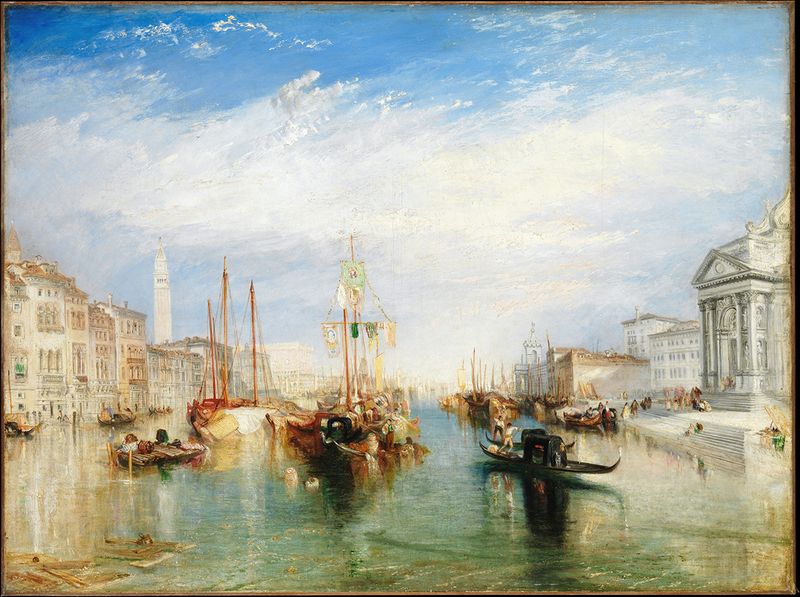
Venice, from the Porch of Madonna della Salute
Joseph Mallord William Turner
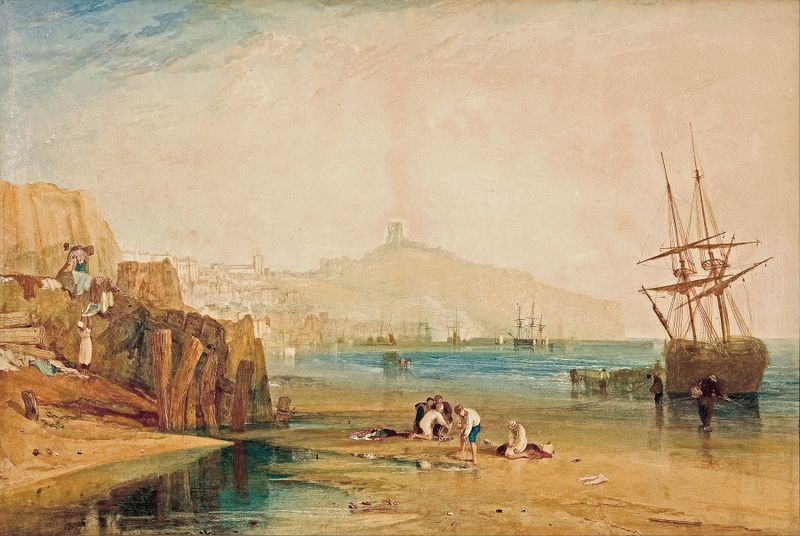
Scarborough town and castle; morning; boys catching crabs
Joseph Mallord William Turner
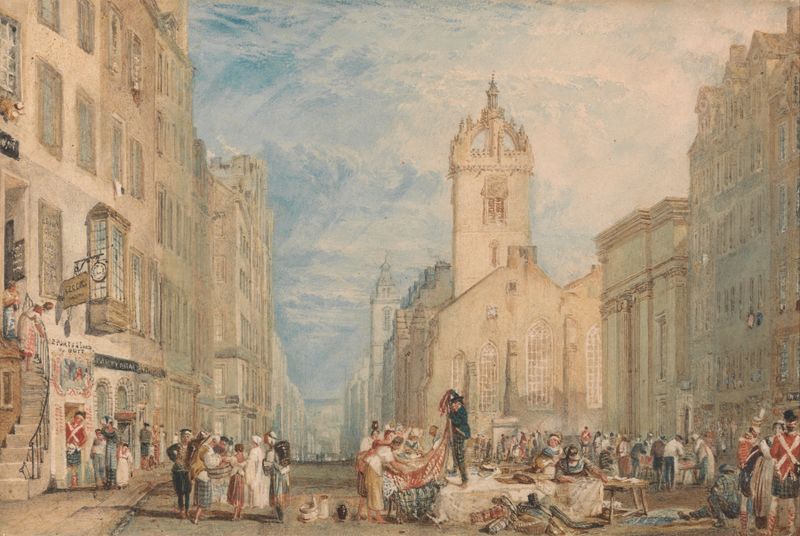
High Street, Edinburgh
Joseph Mallord William Turner





