
Barnyard — History & Facts
What if beauty was never meant to be finished? In Barnyard, vibrant hues and bold strokes suggest that art is a living entity, eternally evolving. Look to the left at the warm ochres of the barn, perfectly contrasted by the lush greens of the surrounding fields. The sky, a swirling mix of blues and soft whites, draws the eye upward, where sunlight filters through in gentle dapples. Notice how the artist's brushwork captures the vibrancy of the farming life, with a palpable energy that seems to ripple across the canvas.
Each color is intentionally chosen to evoke a sense of harmony, as the lively shades interlace with the earthiness of the subject matter. Beneath the surface, the piece resonates with themes of labor and the passage of time. The juxtaposition of the barn’s sturdy structure against the delicate, fleeting moments of nature hints at the resilience of rural life. Small details, like the clumps of hay scattered at the barn’s threshold, evoke a sense of warmth and nostalgia, binding the viewer to the environment, while the shadows cast by the fence illustrate the balance between light and dark, hope and toil. The painting emerges from a time when its creator was delving into the intersection of realism and impressionism.
Active in the late 19th century, Hopkinson Smith was influenced by the changing landscapes of America, as urbanization began to reshape the countryside. His work in this period reflected not only personal exploration but also a broader artistic shift towards capturing the essence and beauty of everyday life, finding art in the ordinary.
More Artworks by Francis Hopkinson Smith
Browse all →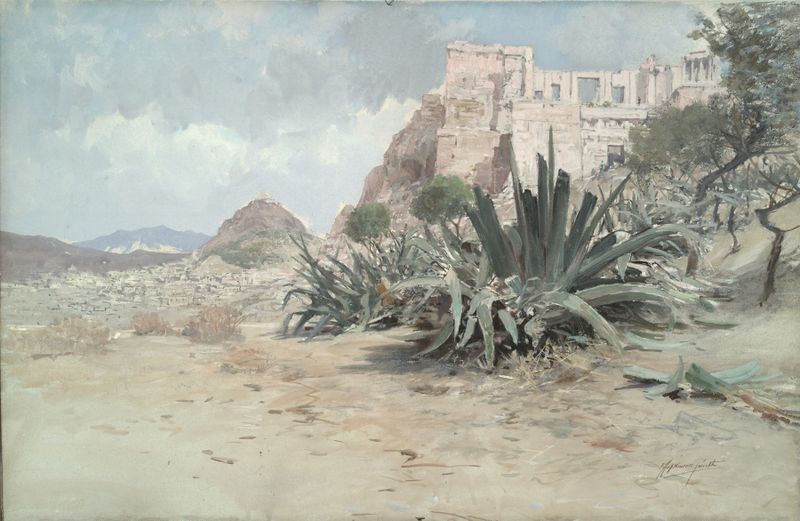
The Approach to the Acropolis
Francis Hopkinson Smith

The Propylaea – Acropolis
Francis Hopkinson Smith

A Turkish Street Scene
Francis Hopkinson Smith
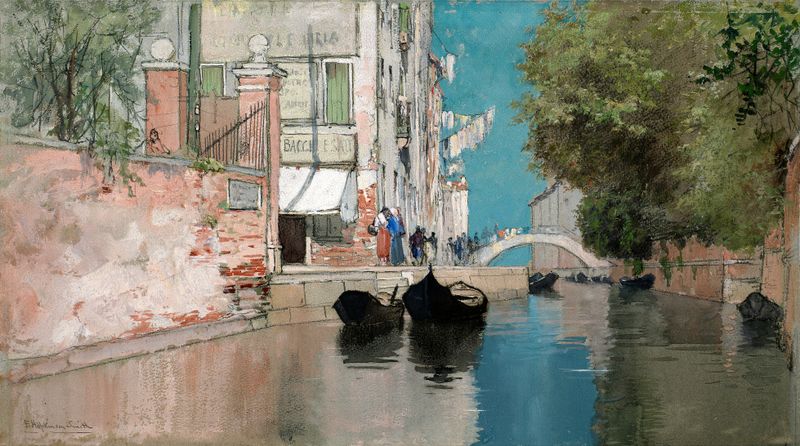
Venice
Francis Hopkinson Smith
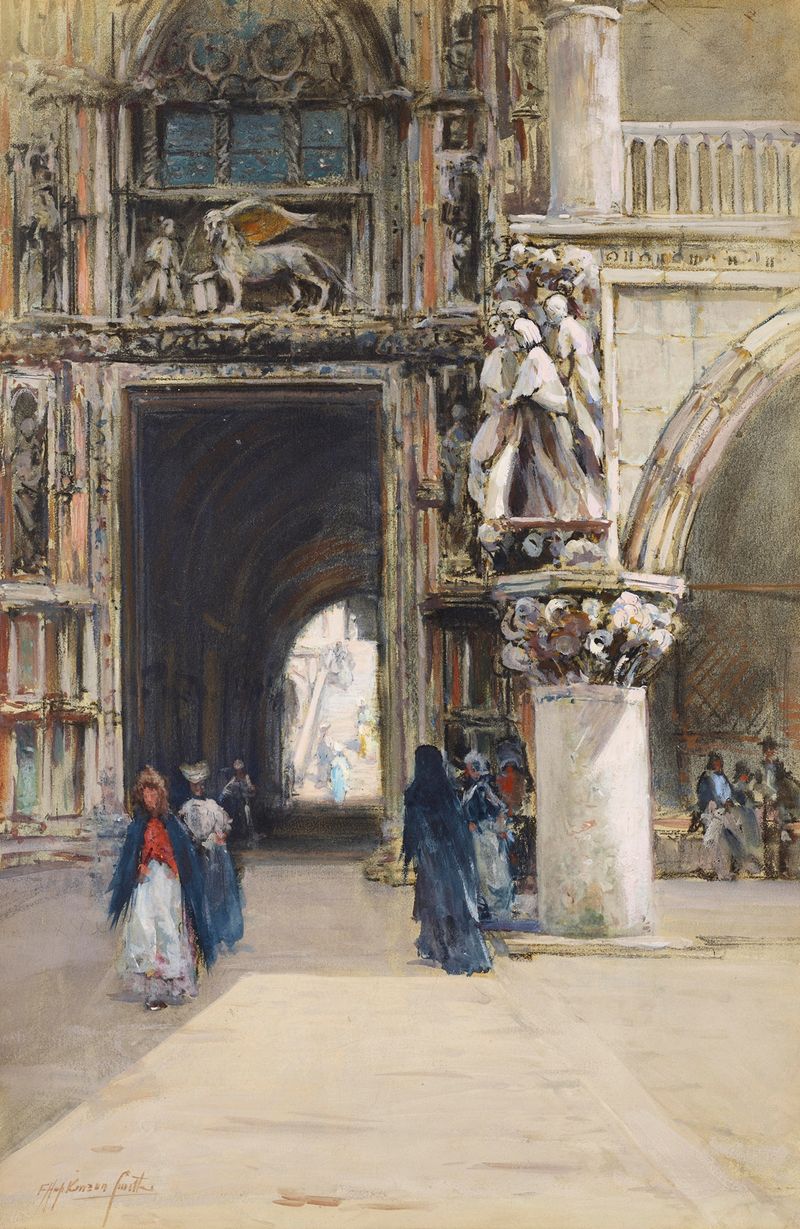
Porta della Carta, Venice
Francis Hopkinson Smith
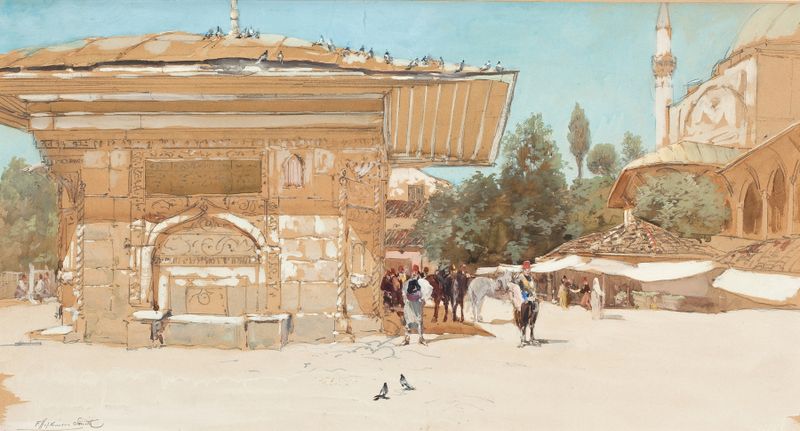
Middle Eastern Scene Outside a Mosque
Francis Hopkinson Smith
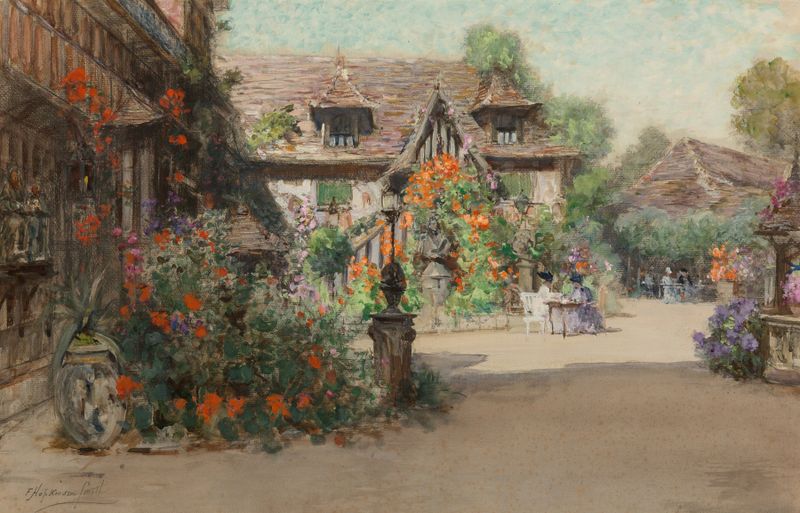
The Inn of Will
Francis Hopkinson Smith
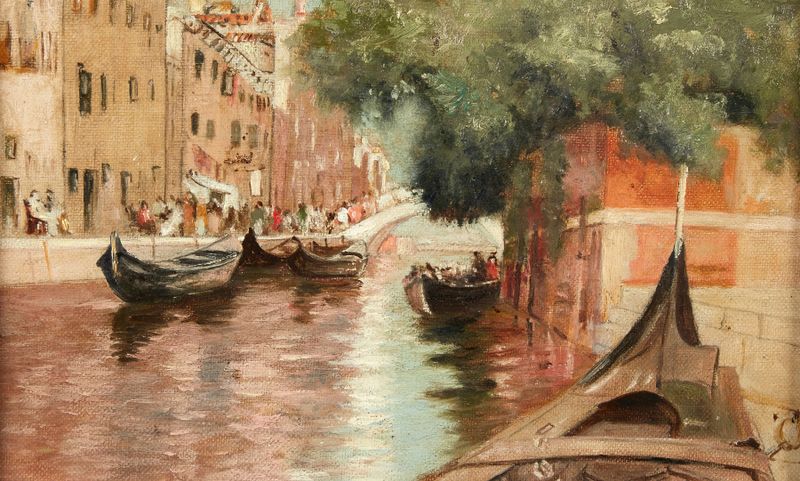
Canal Scene
Francis Hopkinson Smith

Temple of the Wingless Victory
Francis Hopkinson Smith





