
Venice — History & Facts
What secret hides in the quiet of the canvas? Each brushstroke whispers of dreams woven through the labyrinth of Venice’s tranquil canals, inviting the viewer into a world suspended in time. Look to the center, where a lone gondola glides silently across the water, its graceful form kissed by soft, dappled light. Notice how the warm hues of russet and gold blend seamlessly with the cool blues and greens of the canal, creating a serene yet vibrant atmosphere. The delicate play of shadows and reflections on the surface of the water draws your gaze, making you feel as if you are gently floating alongside the vessel, sharing in its solitude. Beneath the surface, a deeper narrative unfolds.
The stillness of the water hints at introspection, where the gondola may symbolize both the journey and the pause, encapsulating a fleeting moment of peace amidst a bustling world. The distant architecture, with its intricate details and muted colors, evokes nostalgia for a bygone era, suggesting layers of history that resonate with each ripple in the canal. This juxtaposition of movement and stillness invites contemplation on the nature of dreams and the passage of time. Francis Hopkinson Smith created this exquisite scene during the early 20th century, a period marked by rapid changes in both society and artistic expression.
Often inspired by the beauty of coastal landscapes and historic cities, he found solace in Venice, a city that perfectly embodied his longing for tranquility and inspiration. During this time, the art world was evolving, with artists exploring Impressionism and the emotional resonance of color, making Venice a reflection of both personal experience and broader cultural shifts.
More Artworks by Francis Hopkinson Smith
Browse all →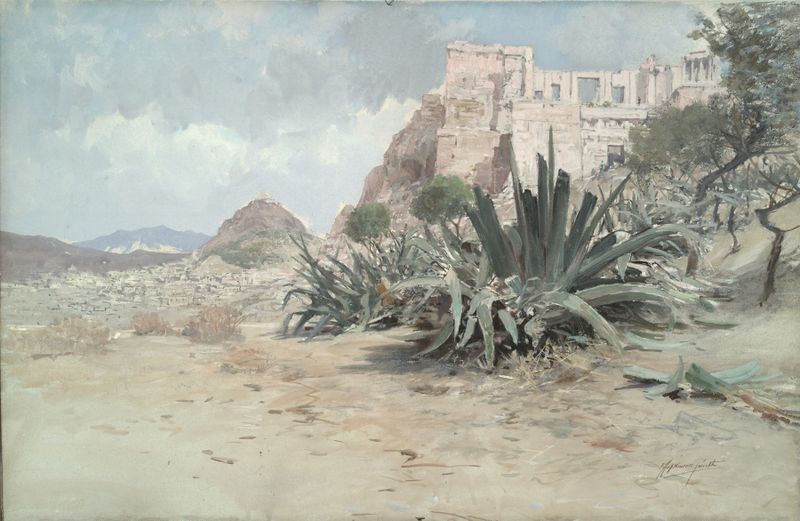
The Approach to the Acropolis
Francis Hopkinson Smith

The Propylaea – Acropolis
Francis Hopkinson Smith

A Turkish Street Scene
Francis Hopkinson Smith
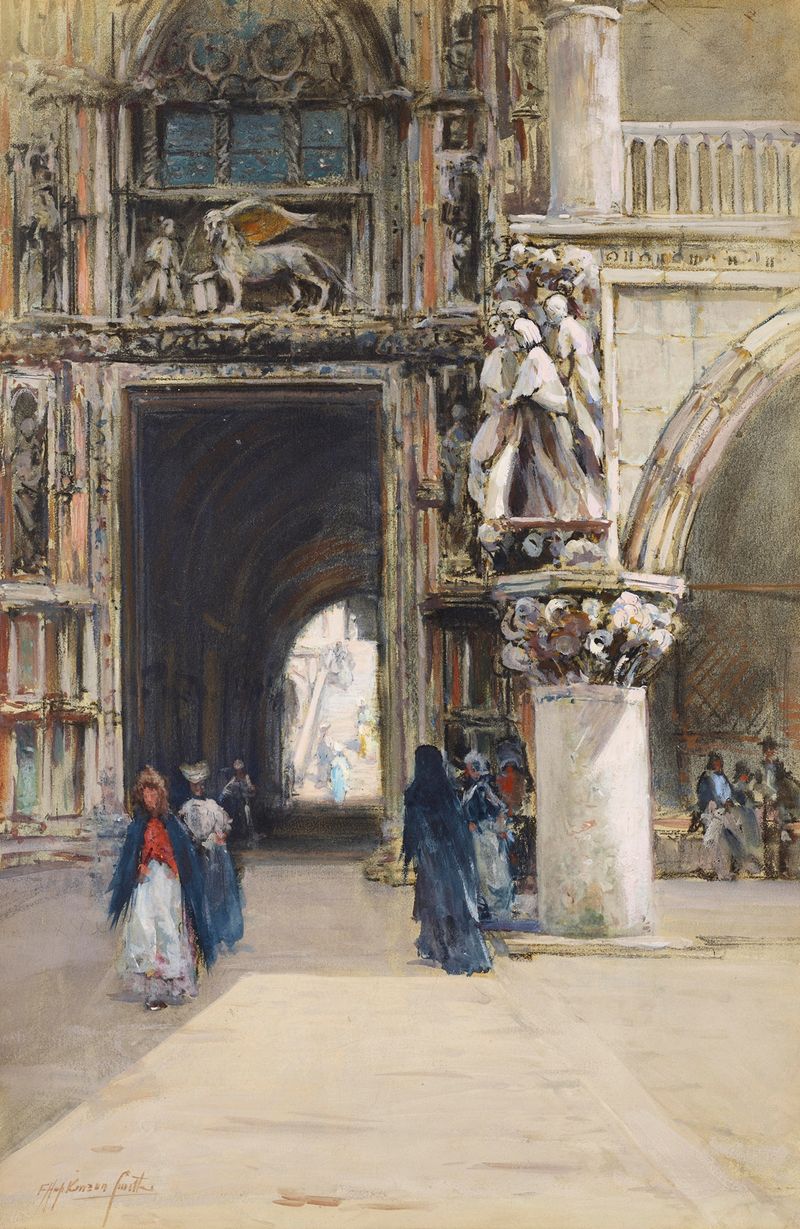
Porta della Carta, Venice
Francis Hopkinson Smith
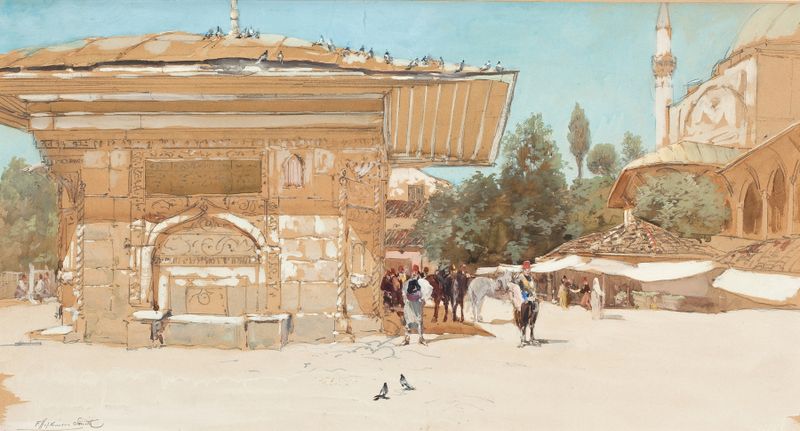
Middle Eastern Scene Outside a Mosque
Francis Hopkinson Smith

Barnyard
Francis Hopkinson Smith
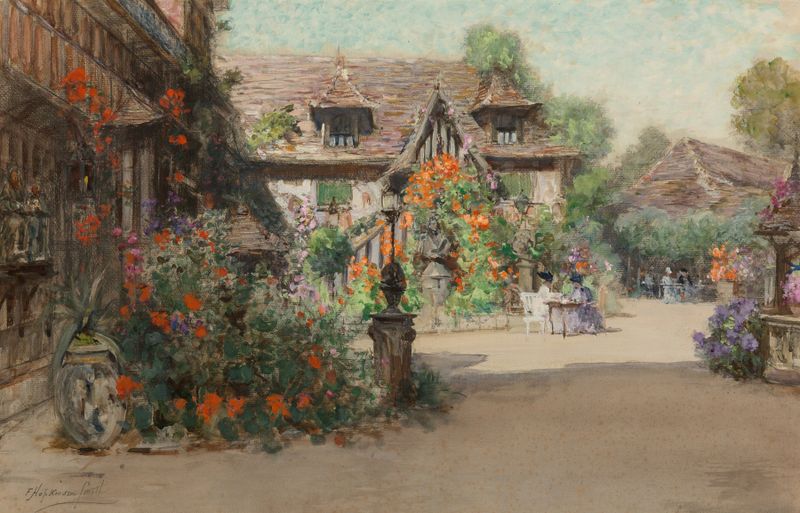
The Inn of Will
Francis Hopkinson Smith
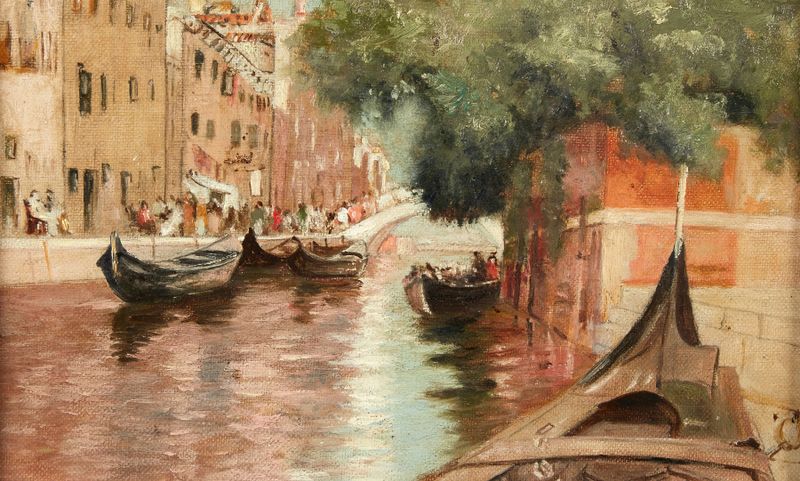
Canal Scene
Francis Hopkinson Smith

Temple of the Wingless Victory
Francis Hopkinson Smith





