
Temple of the Wingless Victory — History & Facts
In the stillness of transformation, moments converge—a fading past and an emerging future, each reflecting the essence of what was once whole. Look to the left, where the weathered stones of the Temple rise, a testament to both the passage of time and human ambition. Notice how the light caresses the intricate carvings, amplifying their shadows while revealing details that whisper of ancient stories. The cool palette of blues and grays creates an atmosphere of serene remembrance, inviting viewers to linger in a space suspended between memory and aspiration. Beneath the surface, the contrasts emerge: the crumbling stone speaks of decay, yet it simultaneously symbolizes resilience.
It’s as if the artist reveals an intricate dance between ruin and revival, suggesting that every structure, much like every life, holds both fragility and strength. The play of light and shadow not only illuminates physical forms but also suggests a deeper spiritual transformation—an echo of the past permeating the present. In 1907, Hopkinson Smith was immersed in the vibrant artistic community of New York, drawing inspiration from the historical architecture around him. He was known for his ability to capture both the beauty and the decay of structures, reflecting a broader cultural fascination with heritage and nostalgia.
At this time, the world was on the cusp of modernity, and his work often explored themes of change, making Temple of the Wingless Victory a poignant commentary on the ephemeral nature of achievement and memory.
More Artworks by Francis Hopkinson Smith
Browse all →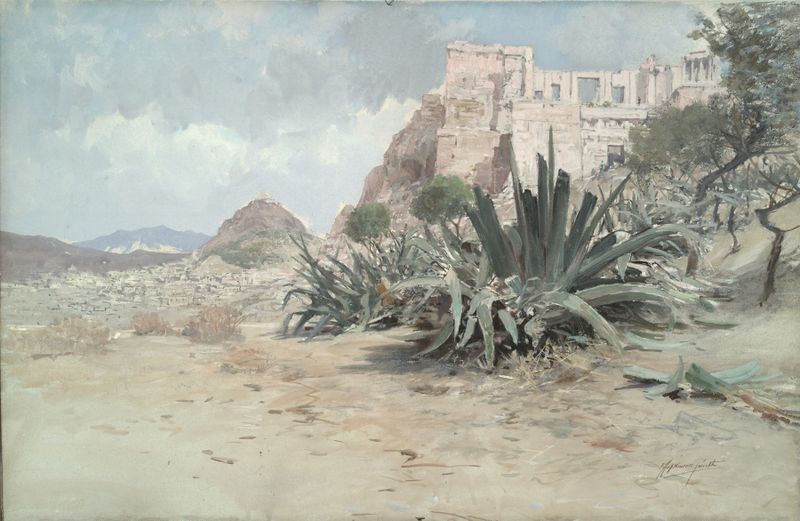
The Approach to the Acropolis
Francis Hopkinson Smith

The Propylaea – Acropolis
Francis Hopkinson Smith

A Turkish Street Scene
Francis Hopkinson Smith
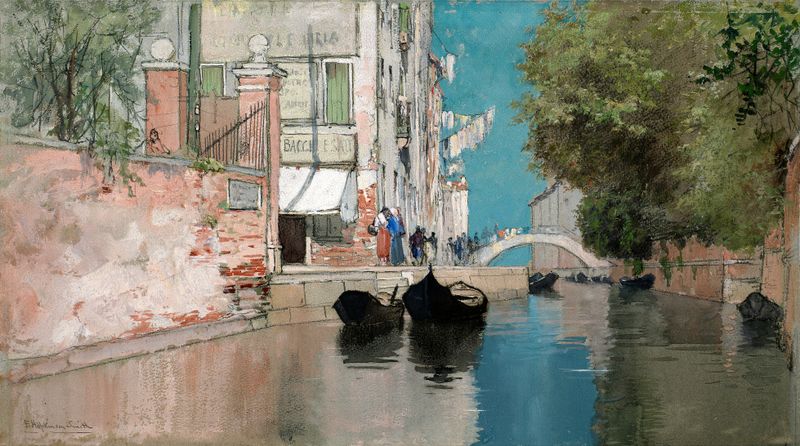
Venice
Francis Hopkinson Smith
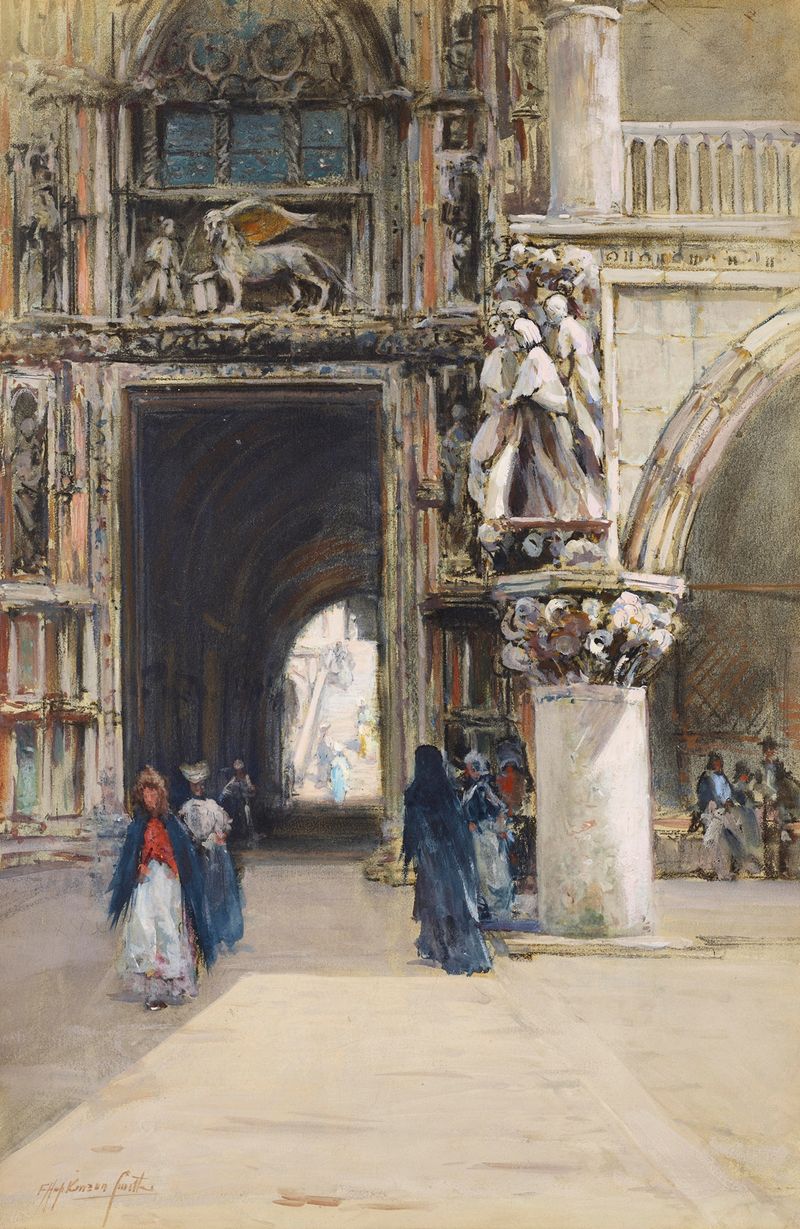
Porta della Carta, Venice
Francis Hopkinson Smith
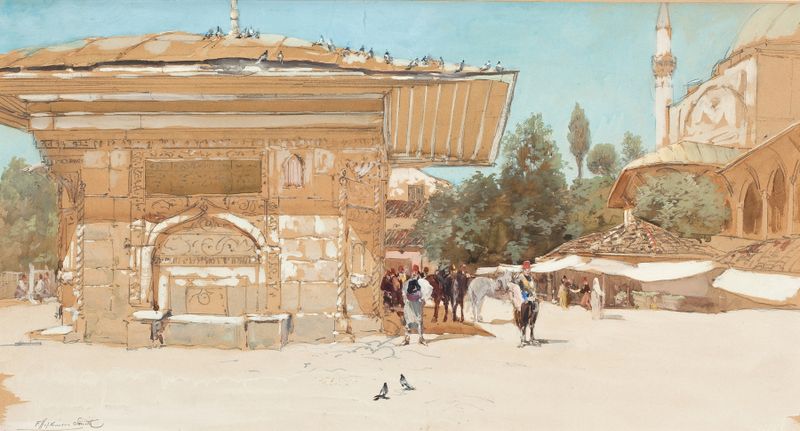
Middle Eastern Scene Outside a Mosque
Francis Hopkinson Smith

Barnyard
Francis Hopkinson Smith
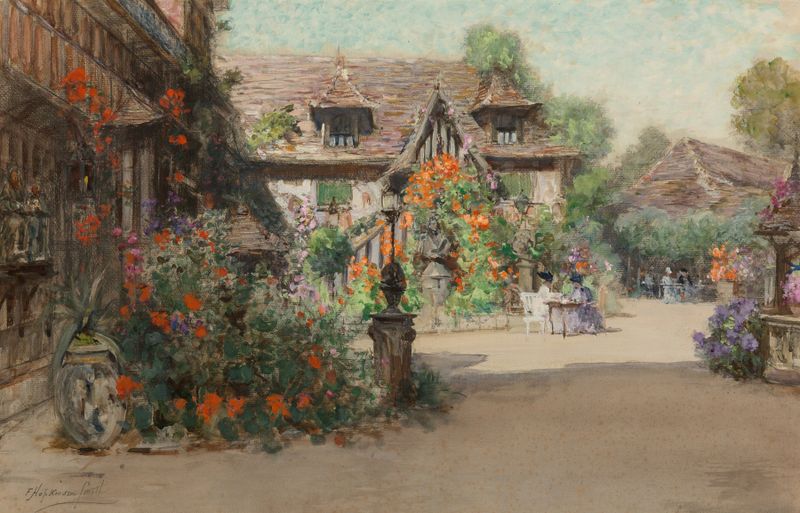
The Inn of Will
Francis Hopkinson Smith
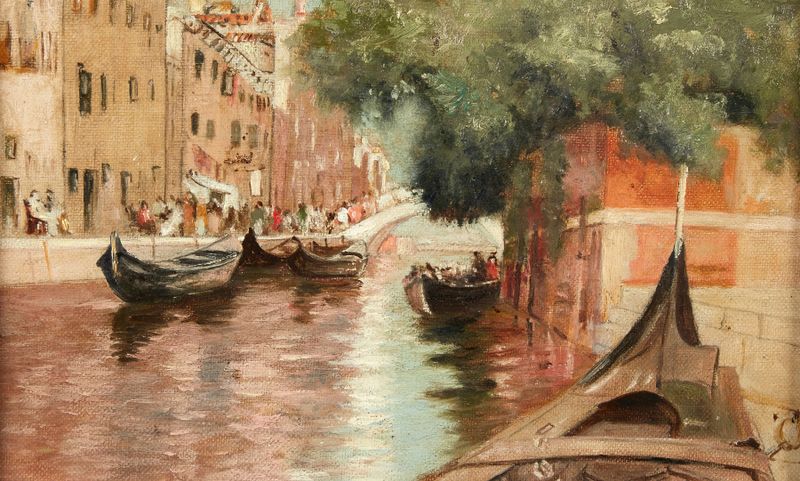
Canal Scene
Francis Hopkinson Smith
More Architecture Art
Browse all →
The statue of Liberty
Frédéric Auguste Bartholdi

View of Houses in Delft, Known as ‘The Little Street’
Johannes Vermeer

View of Houses in Delft, Known as ‘The Little Street’
Johannes Vermeer

The Cathedral in Rouen. The portal, Grey Weather
Claude Monet

The yellow house
Vincent van Gogh

The Church in Auvers-sur-Oise, View from the Chevet
Vincent van Gogh