
Barque et voiliers, coucher de soleil. Au revers; Marine — History & Facts
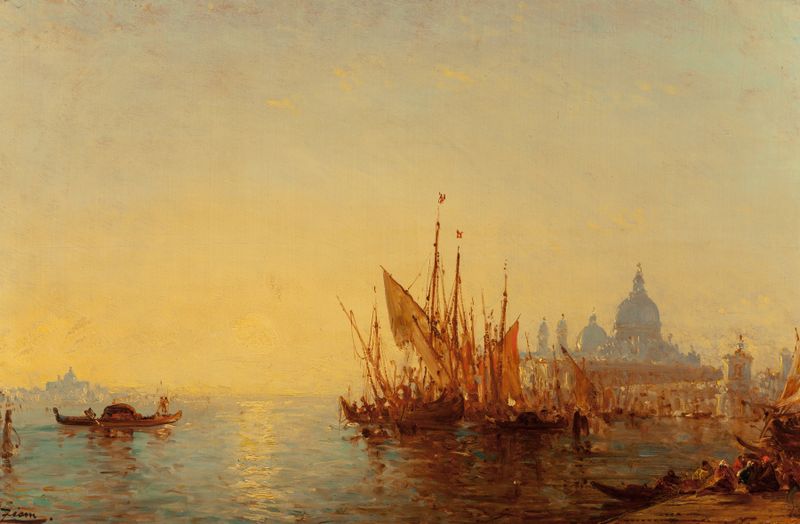
Can beauty exist without sorrow? In the gentle embrace of twilight, the horizon blurs between reality and illusion, beckoning contemplation. Look to the left, where the luminous orange and violet hues of the sunset meld seamlessly into the soft blues of the sea. Notice how the delicate strokes evoke the shimmering reflections of the water, capturing the ephemeral dance of light against surface. The composition is masterful, with the silhouetted barques and sails rising against the vibrant sky, creating a sense of depth and layered emotion.
The painter's choice of color is not merely decorative; it channels a poignant tension between the fleeting beauty of the moment and the inevitable passage of time. As you delve deeper, consider the juxtaposition of the tranquil seascape with the impending night. Each vessel, seemingly at rest, is at the mercy of unseen currents, symbolizing a fragile balance between stability and chaos. The interplay of light and shadow hints at the duality of existence—serenity punctuated by the undercurrents of uncertainty and longing.
Here, the vessels are not just boats; they embody the human condition, adrift in the vast ocean of life, ever caught between hope and melancholy. In this period, between 1850 and 1860, Ziem was exploring the themes of nature and light, influenced by the burgeoning Romantic movement in France. He was often captivated by the Mediterranean coast, creating works that reflected both the tranquility of coastal life and the deeper undercurrents of emotion. It was a time when Impressionism was beginning to emerge, and Ziem's exploration of color and light laid the groundwork for future artistic innovations in capturing the transient beauty of the natural world.
More Artworks by Félix Ziem
Browse all →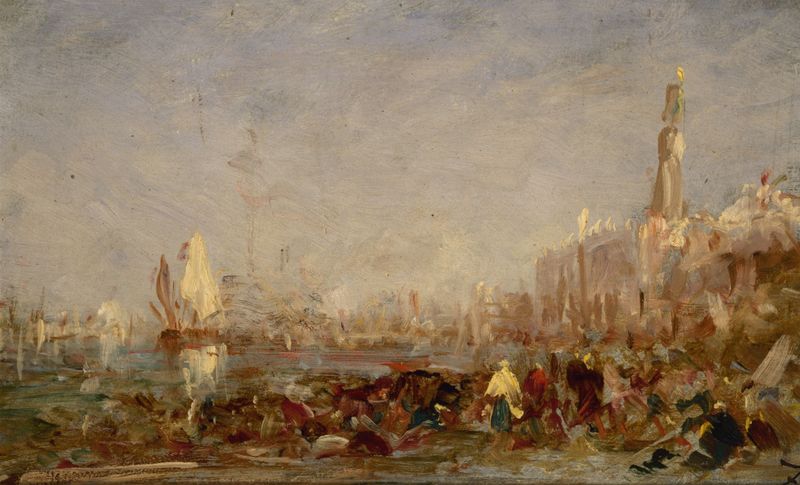
Venise
Félix Ziem
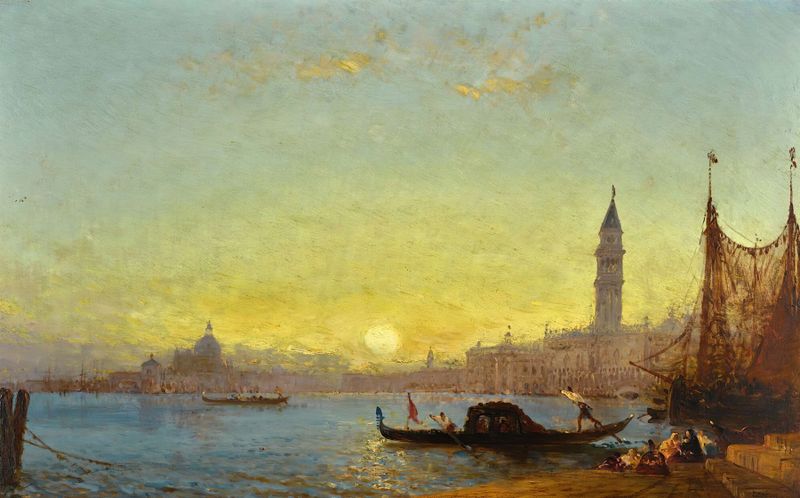
Coucher De Soleil À Venise
Félix Ziem
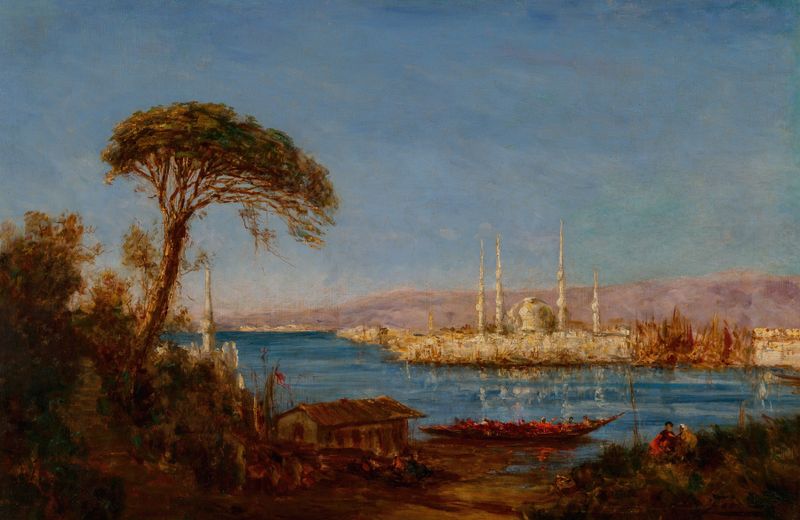
Constantinople
Félix Ziem
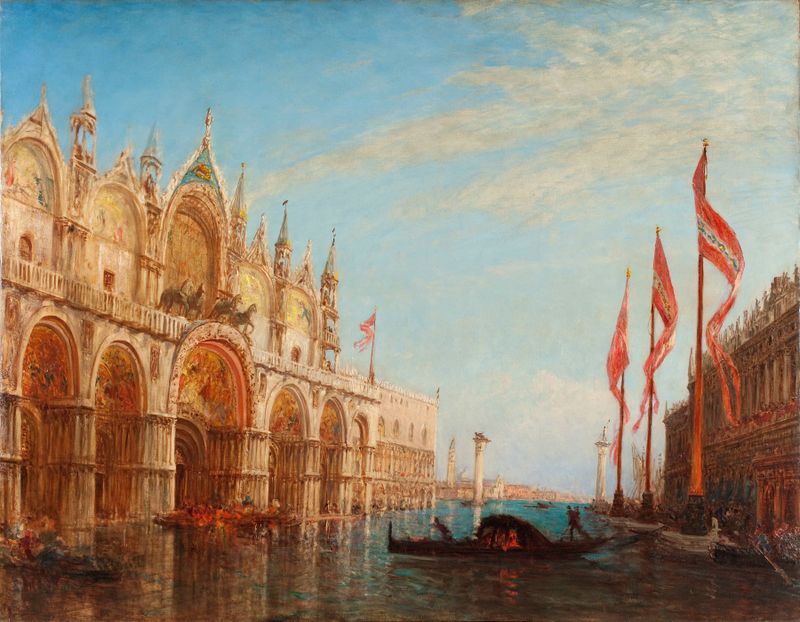
La place Saint-Marc, inondation de 1863
Félix Ziem
Bacino di San Marco
Félix Ziem
Canal Grande
Félix Ziem
Le Palais Du Doge, Venise
Félix Ziem
Vue d’Italie; la vieille porte
Félix Ziem
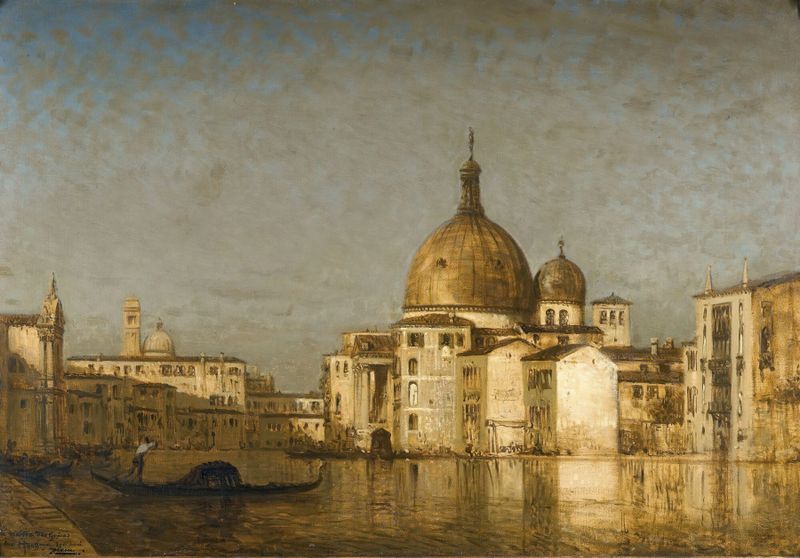
San Simeone Piccolo Au-Delà Du Grand Canal, Venis
Félix Ziem
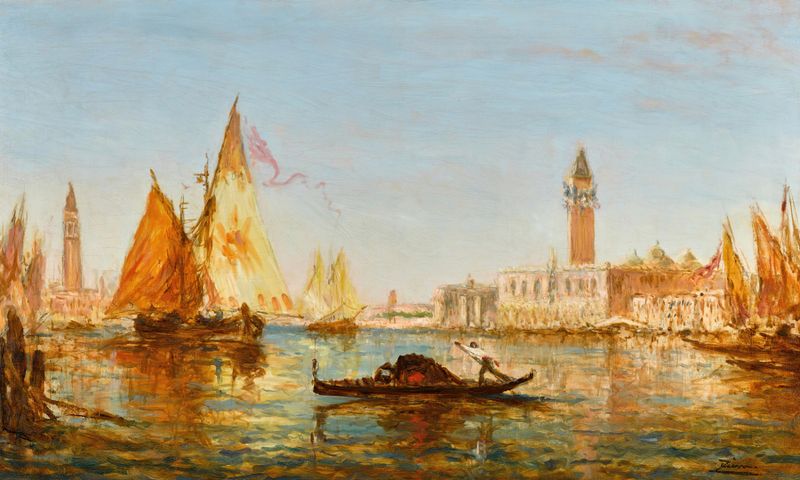
Venise, gondole et voiliers devant le Palais des doges et San Giorgio Maggiore
Félix Ziem





