Bassin d’Argenteuil — History & Facts
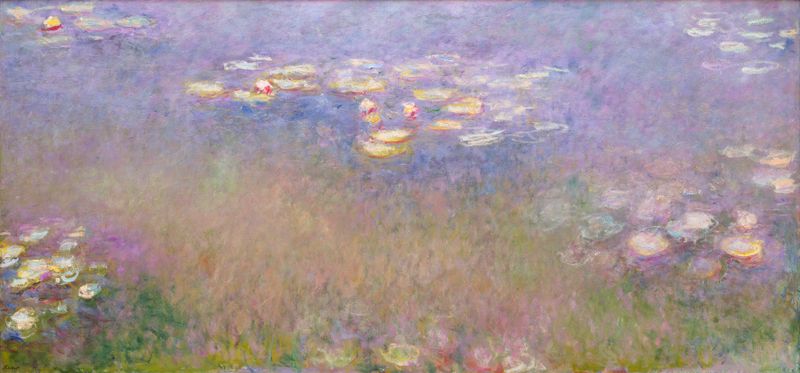
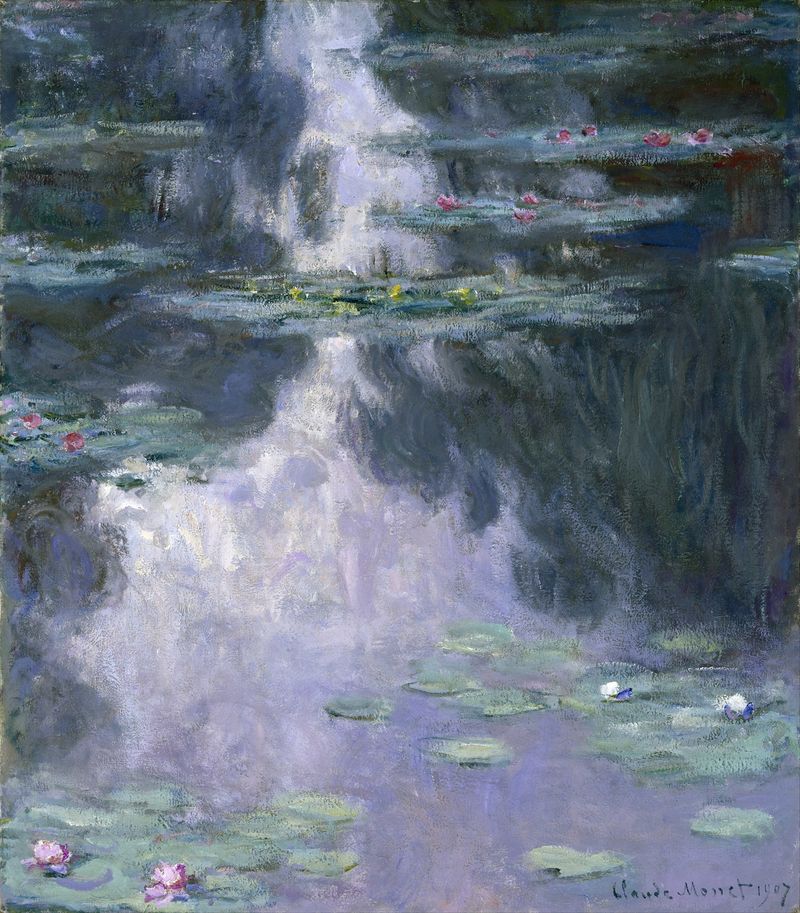
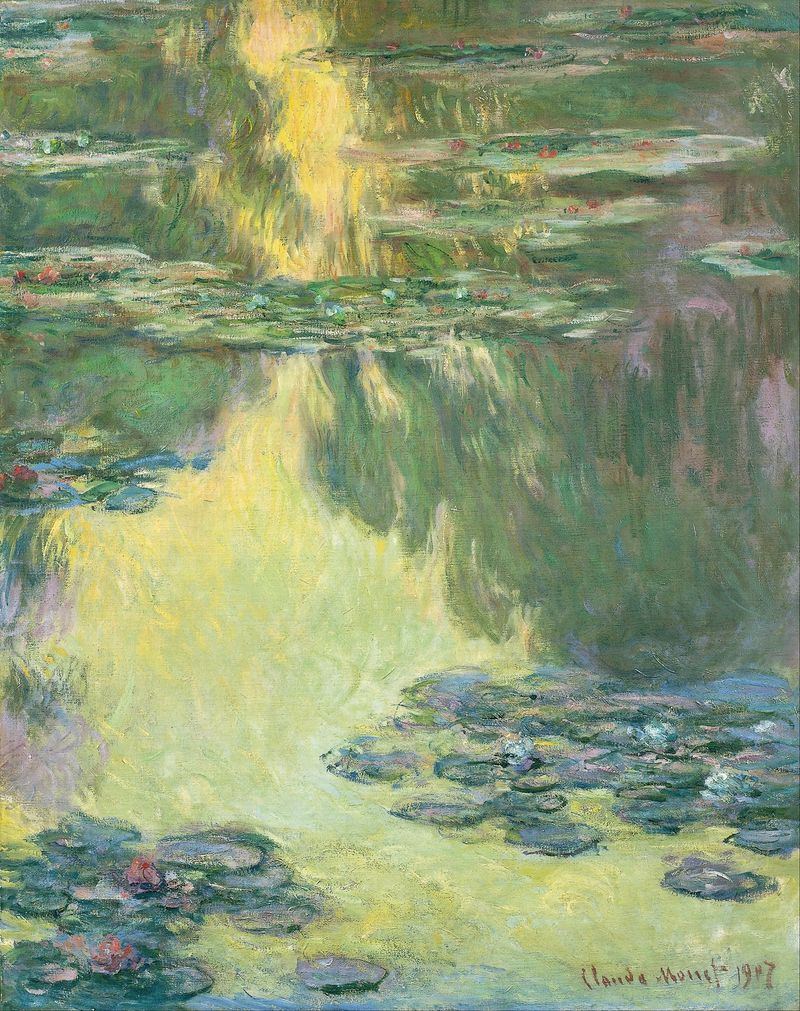
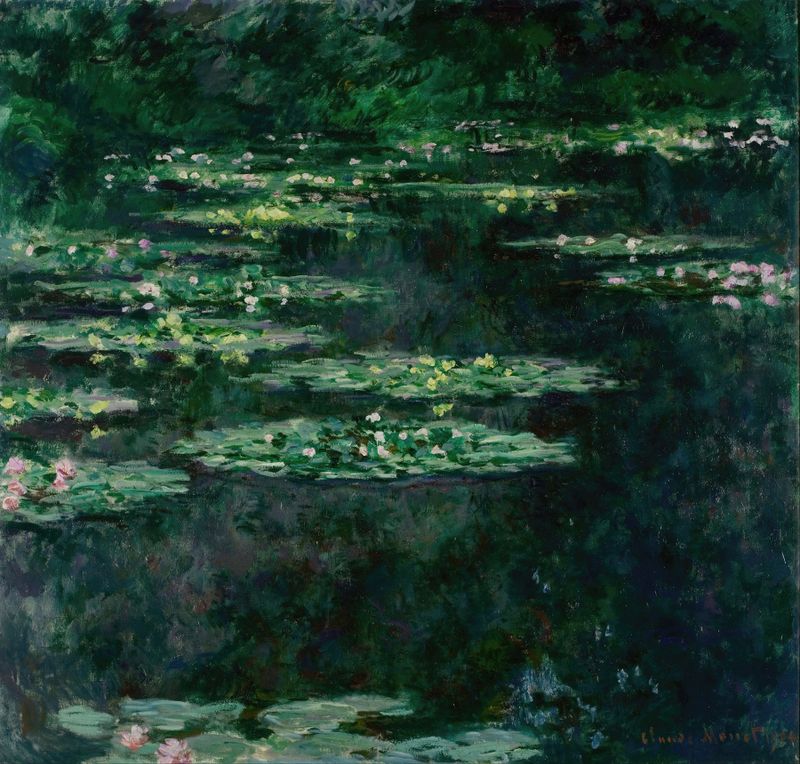
What if silence could speak through light? Monet’s Bassin d’Argenteuil whispers secrets of yearning, inviting viewers into a tranquil yet profound interplay of color and reflection. Look to the left at the gentle ripples of the water, where dappled sunlight dances across its surface. The palette is vibrant yet soothing, with soft blues and greens harmonizing with the shimmering reflections of boats. Notice how the artist captures movement and stillness simultaneously, each stroke alive with energy yet restrained in its elegance.
The soft brushwork creates a dreamlike quality, drawing your gaze effortlessly into the idyllic scene. Within this serene landscape lies a tension between nature and human presence. The delicate boats, anchored yet ready to drift, symbolize longing—perhaps for adventure or escape. The vibrant blooms at the water's edge juxtapose the calmness of the water, suggesting a fleeting beauty that is both enticing and ephemeral.
Each element serves to evoke a sense of nostalgia, a yearning for moments past that linger like the sunlight on the water. Monet painted Bassin d’Argenteuil in the early 1870s, during a period of artistic exploration and innovation that defined Impressionism. Living in France, Monet was influenced by the changing landscape of the Seine River, turning his attention to the ways light transforms the world around him. This era marked a shift toward capturing everyday scenes, mirroring the growing industrialization and modernity of life, while still holding on to the ethereal beauty of nature.