Bayou Sacra, Louisiana — History & Facts
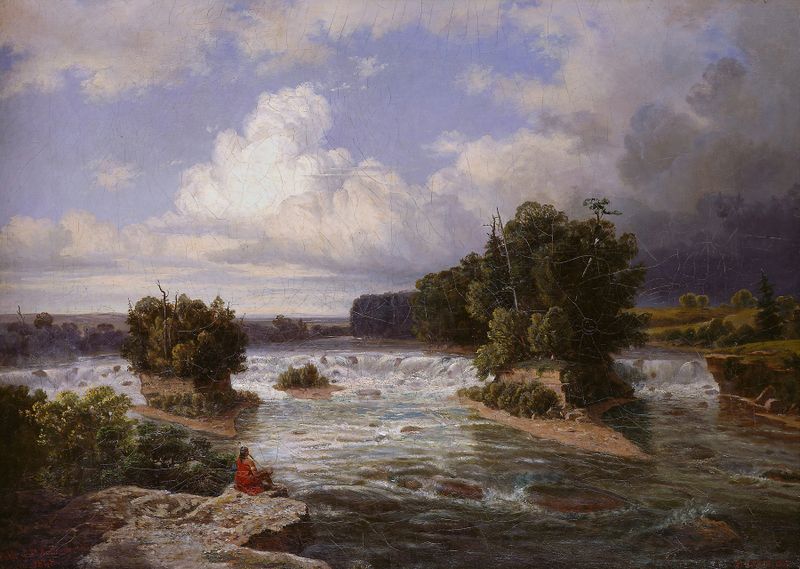
What secret hides in the quiet of the canvas? Beneath the surface of tranquility, there lies a fragile world, intricately woven with nature's grace and haunting solitude. Look to the left at the delicate interplay of greens and browns that paint the lush foliage. The artist’s brushstrokes evoke the gentle sway of the cypress trees, their gnarled roots mirroring the twisted narratives of life in the bayou. Notice how the light filters through the canopy, casting dappled shadows that hint at both warmth and mystery, inviting the viewer deeper into the heart of this serene yet enigmatic landscape. Yet, amidst the beauty, there’s an underlying tension.
The still water reflects not just the trees but also the weight of abandonment, a reminder of what once thrived in this sacred place. The fragile ecosystem depicted suggests vulnerability, hinting at environmental decay and the loss of history. Each ripple in the water signifies time’s passage, a reminder that even the most serene settings can conceal stories of sorrow and change. Created during a time when the artist was deeply engaged with the natural world, this painting captures a moment in the evolving narrative of American art.
Lewis, exploring the nuances of his surroundings, sought to convey the relationship between humanity and nature. While the exact date of the work remains unknown, it reflects an era when artists began to grapple with the complexities of landscape and identity in an ever-changing world.