Beach Scene — History & Facts
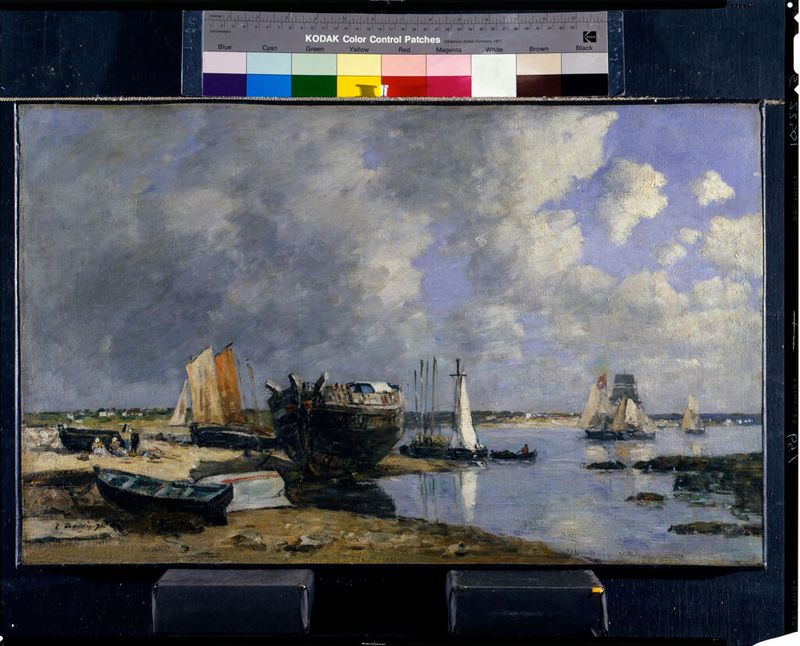
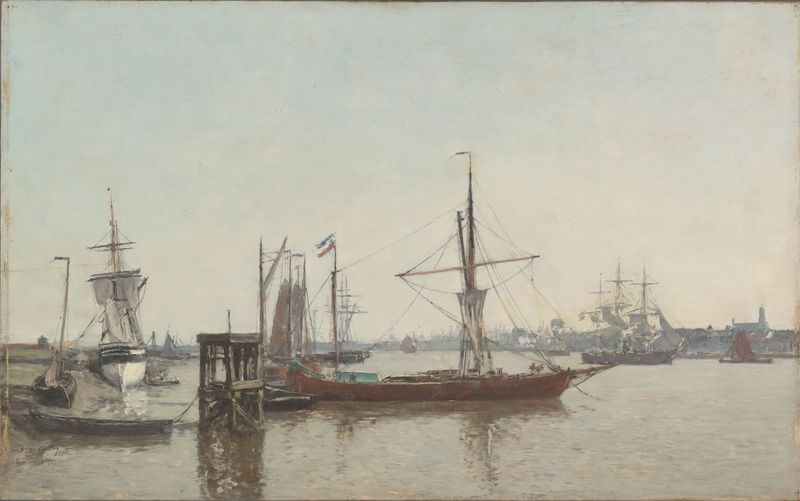
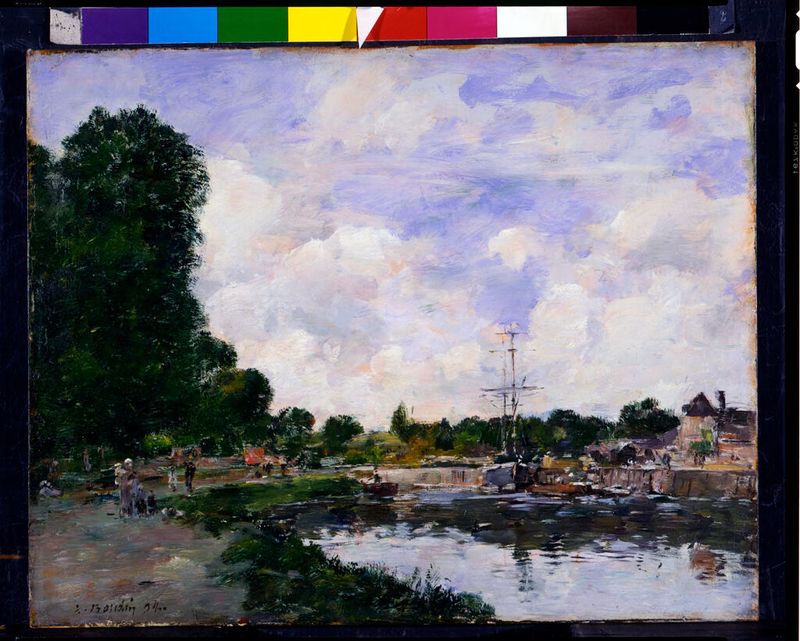
Did the painter know this moment would outlive them? In Beach Scene, vibrant hues collide with the tranquil sands, capturing both the ephemeral nature of a summer day and its lingering beauty. Focus on the shoreline, where the soft, golden light bathes the waves, creating a shimmering path that draws the viewer's eye. Notice how the artist’s brushstrokes blend an array of blues and greens, evoking the churning sea, while flecks of white bring life to the frothy surf. The figures, scattered along the beach, are enveloped in the warm glow of the sun, their silhouettes softly defined, beckoning you to step into their world. Amidst this serenity lies a palpable tension—between the fleeting joy of leisure and the inevitable march of time.
The stark contrast between the vibrant colors of life on the beach and the muted tones of the distant horizon hints at the ephemeral nature of existence. Each figure in the scene, captured in a moment of blissful oblivion, invites contemplation on what is lost when the sun sets, illustrating the delicate balance between joy and transience. In the late 19th century, Boudin found solace in the coastal landscapes of Normandy, painting Beach Scene during a time when Impressionism was beginning to reshape the art world. Merging spontaneity with observation, he was influenced by the changing light and atmosphere around him, reflecting the broader artistic trends of capturing modern life.
Boudin’s work not only marked a personal expression but also heralded the evolution of plein air painting, celebrating the beauty of the everyday.