
Beach scene — History & Facts
Can paint confess what words never could? In the vast expanse of the shore, an unfathomable longing stretches across the canvas, whispering secrets of the heart and soul. Look to the horizon where the azure sea kisses the sky, a seamless blend of blues that draws the eye into an infinite depth. Notice how the gentle waves, brushed with frothy whites, ripple gracefully along the sandy bank, each crest catching the golden light of the sun. The figures scattered along the beach, miniature silhouettes against the grandeur of nature, evoke a sense of nostalgia and timelessness, inviting the viewer to reflect on moments of solitude and connection alike. Yet, within this serene landscape lies a poignant contrast.
The vibrant hues of the sunlit water clash with the muted earth tones of the beach, symbolizing the dichotomy of joy and melancholy. Each figure's stance tells a story: some gaze wistfully at the horizon while others engage in quiet conversations, suggesting both the thrill of shared experiences and the weight of unspoken desires. The tension between the ephemeral beauty of the scene and the enduring ache of longing resonates deeply, creating a silent dialogue with the observer. Théodore Gudin painted this work in the late 1860s, a time when he was deeply immersed in the Romantic movement, emphasizing the emotional power of nature.
Working in France, amidst a burgeoning art world, he aimed to capture the sublime beauty of seascapes, reflecting both personal and universal themes of longing and the search for meaning.
More Artworks by Théodore Gudin
Browse all →
Sormy Seas by a Chalk Coast
Théodore Gudin

The Gulf of Naples with View of Mount Vesuvius
Théodore Gudin
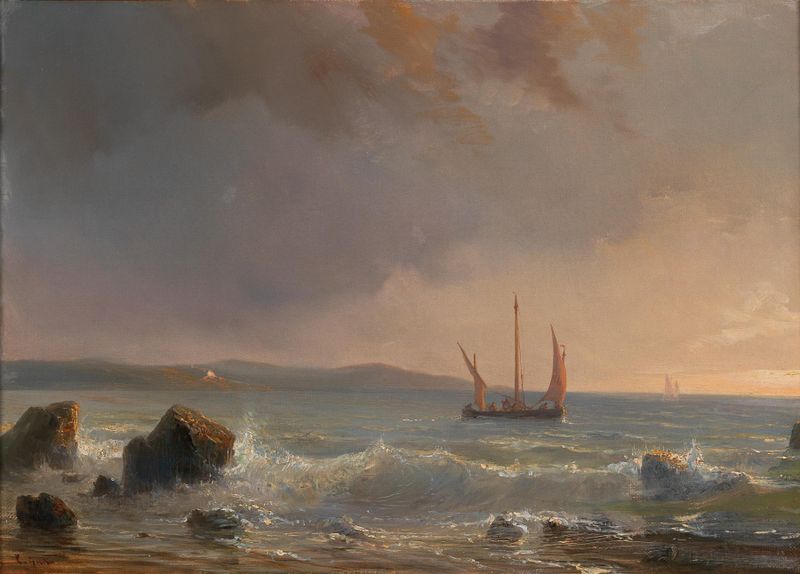
Abendstimmung über einer Meereslandschaft mit Segelbooten
Théodore Gudin
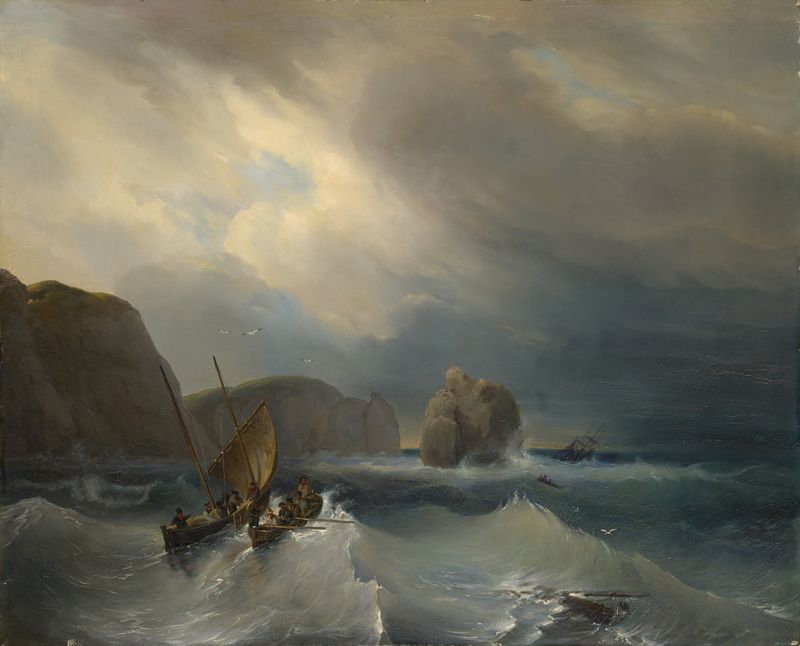
Rough Sea with Ships
Théodore Gudin

Fishermen at the harbour wall, low tide
Théodore Gudin
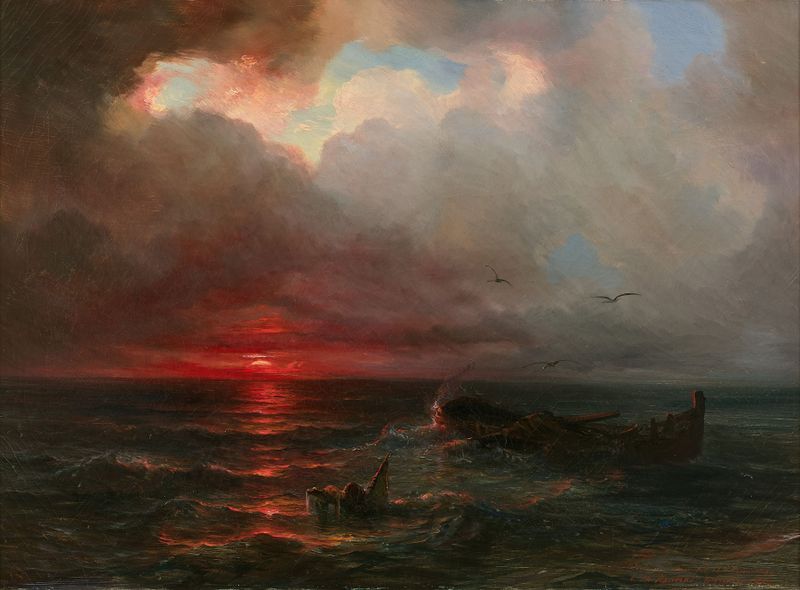
Coucher de soleil sur un littoral
Théodore Gudin
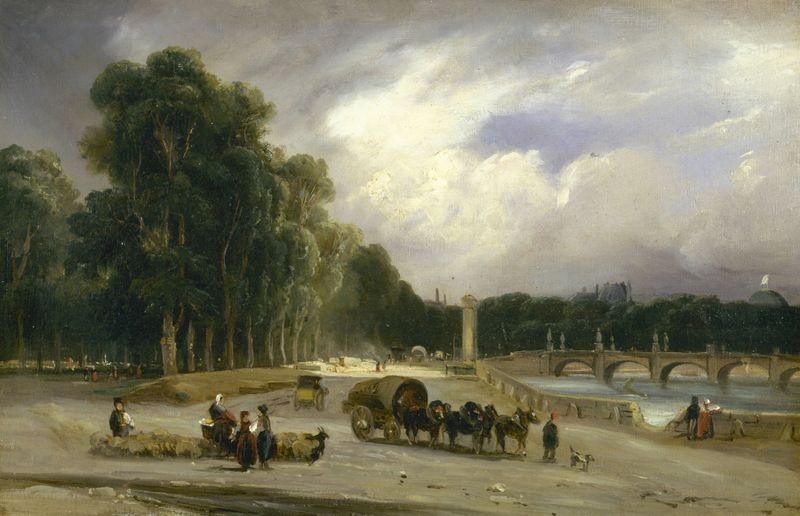
Le Cours-la-Reine
Théodore Gudin
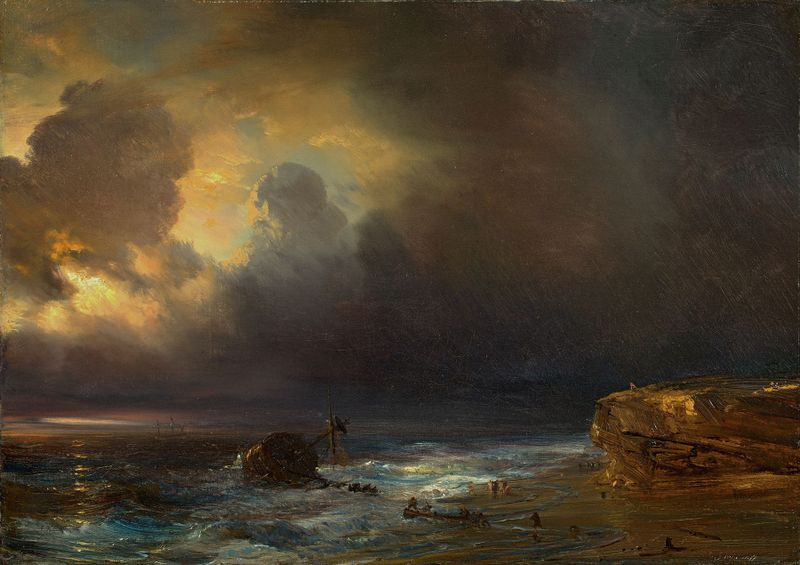
Coastal scene by moonlight
Théodore Gudin
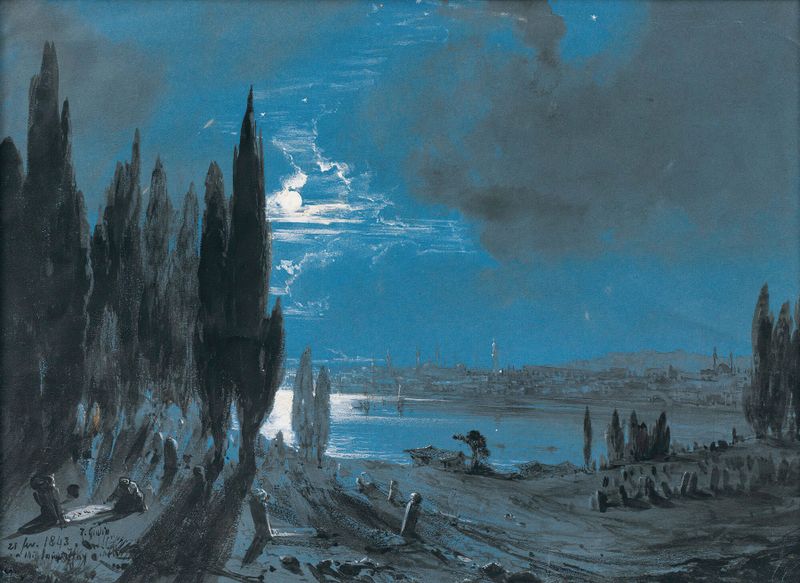
View Of Constantinople
Théodore Gudin

Shipwreck at Castello sul Mare in Rapallo
Théodore Gudin





