
Beached Vessel — History & Facts
Can beauty exist without sorrow? This question lingers in the air as one gazes upon a derelict ship, its hull worn and weathered, poised in a melancholic embrace with the shore. Focus on the beached vessel, its once-vibrant colors now muted by time and salt. The structure leans against the golden sand, evoking a poignant stillness, while waves lap gently at its base, a rhythmic reminder of what once was. Notice how the light, filtered through delicate clouds, bathes the scene in a soft glow, drawing the eye to the intricate textures of the wood and the delicate interplay of shadow and light etched across the sand. At first glance, the painting presents a simple landscape, yet it resonates with deeper meanings.
The ship, abandoned yet proud, speaks of journeys taken and dreams deferred. Its loneliness is palpable, contrasting with the beauty of the natural surroundings. The gentle waves symbolize the passage of time, a reminder that even the most robust vessels eventually succumb to the relentless march of nature.
Embedded within this imagery is a narrative of nostalgia, a complex tapestry woven from memories and lost hopes. George Loring Brown painted this poignant scene around 1880, during a period when American art was increasingly embracing realism. At the time, he was inspired by the coastal landscapes of New England, reflecting both his personal encounters with the sea and the broader cultural fascination with nature’s beauty and decay. This moment in his life marked a transitional phase, as he sought to capture the raw, unfiltered emotions embedded in everyday scenes, inviting viewers to reflect on their own journeys.
More Artworks by George Loring Brown
Browse all →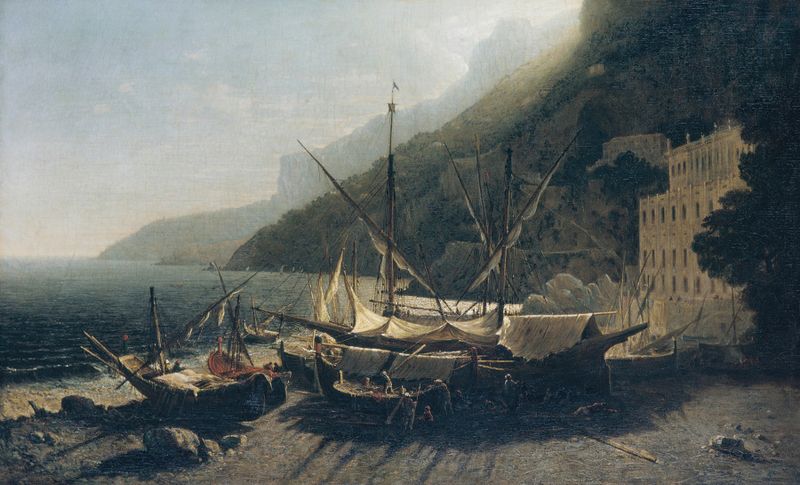
View at Amalfi, Bay of Salerno
George Loring Brown

Morning on the Grand Canal, Venice
George Loring Brown

Composition, Italian Scenery
George Loring Brown
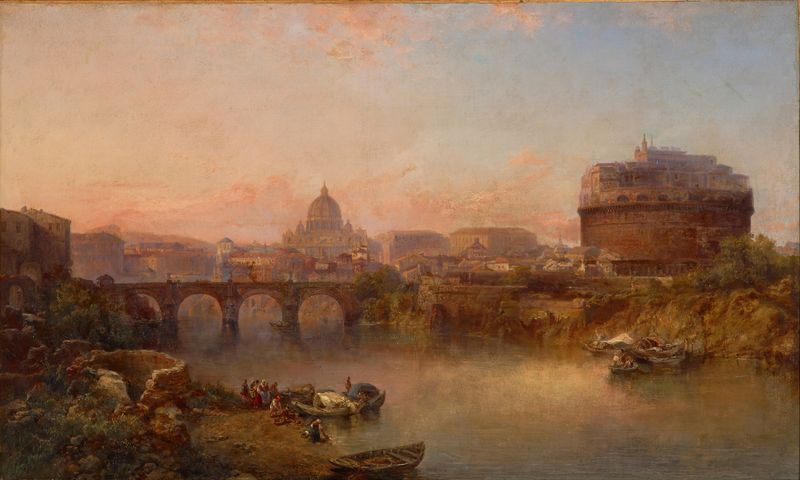
Sunset on the Tiber, Rome
George Loring Brown
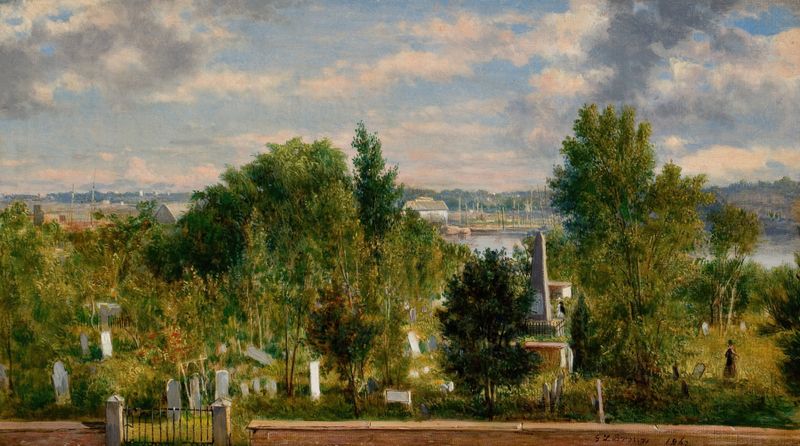
New England Landscape with Cemetery (possibly Medford, MA)
George Loring Brown
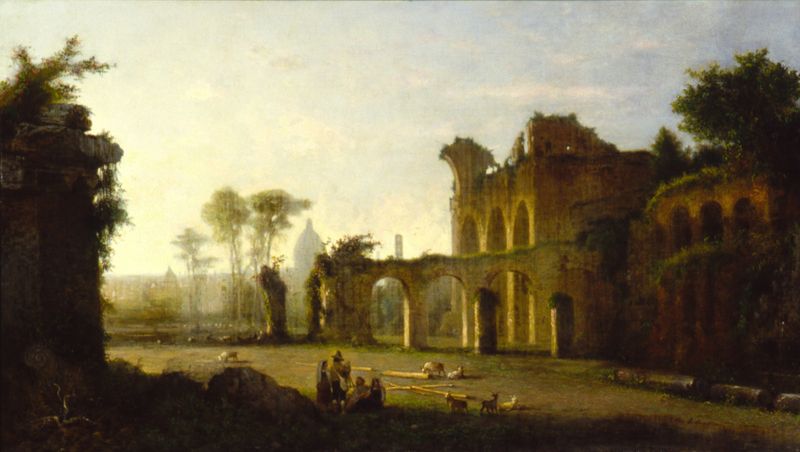
View of the Temple of Peace in the Roman Forum
George Loring Brown
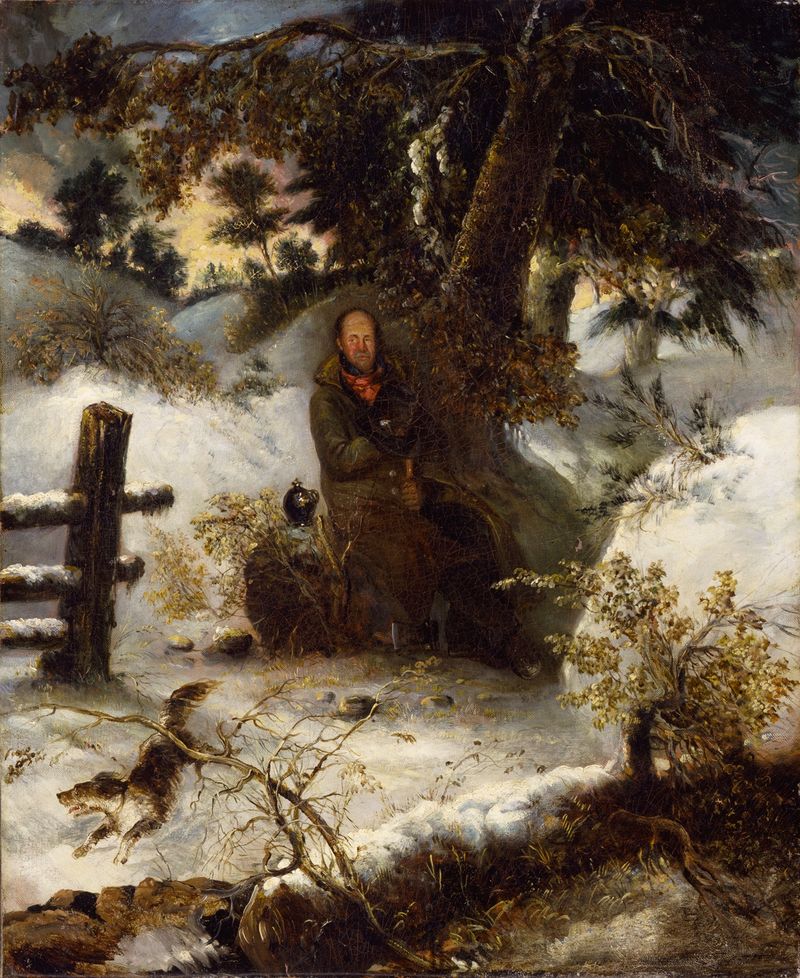
The Woodchopper
George Loring Brown





