Beaker (trichterhalsbecher) with medallions and floral scrolls — History & Facts
Could beauty survive in a century of chaos? In the delicate curves of this beaker, one finds an unwavering truth, a testament to the human desire for artistry amid tumultuous times. Look closely at the intricate floral scrolls that spiral around the beaker's body. The vivid medallions, each set against a rich background, draw your eye seamlessly, leading you through an exquisite narrative of craftsmanship. The luminous glaze captures light in a way that breathes life into these motifs, making colors dance and shimmer, evoking a sense of both celebration and reverence for the natural world. Yet, beneath its ornamental beauty lies a quiet tension.
The floral designs may symbolize the transience of life, while the solid form represents the enduring spirit of creation, suggesting both fragility and resilience. Each medallion serves as a snapshot of culture, hinting at the complexities of the era. This blend of artistry and symbolism reflects a moment where chaos and beauty coexist, inviting contemplation on the nature of existence itself. Created between 1560 and 1590, this piece emerged from an era marked by religious strife and social upheaval in Europe.
The artist, whose identity remains shrouded in mystery, contributed to a burgeoning craft of decorative arts that flourished despite the surrounding instability. In a world struggling with conflict, this beaker stands as a reminder that beauty can prevail, offering solace through its timeless elegance.
More Artworks by Unknown Artist
Browse all →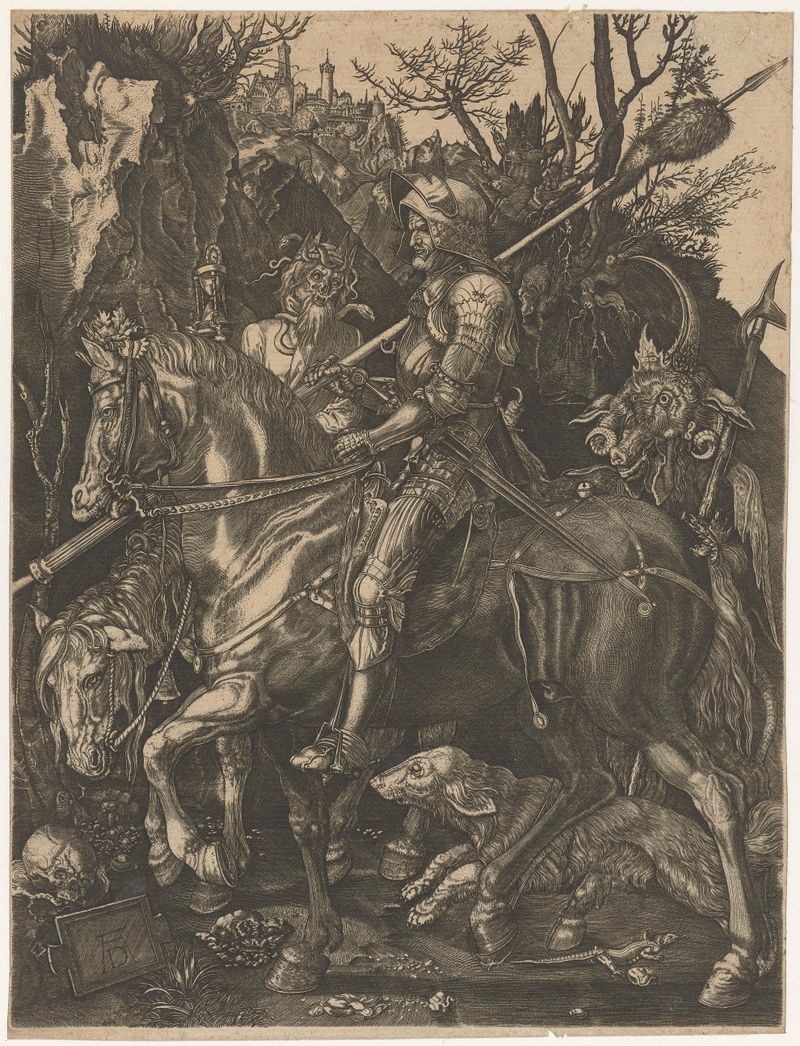
Ridder, Dood en Duivel
Unknown Artist
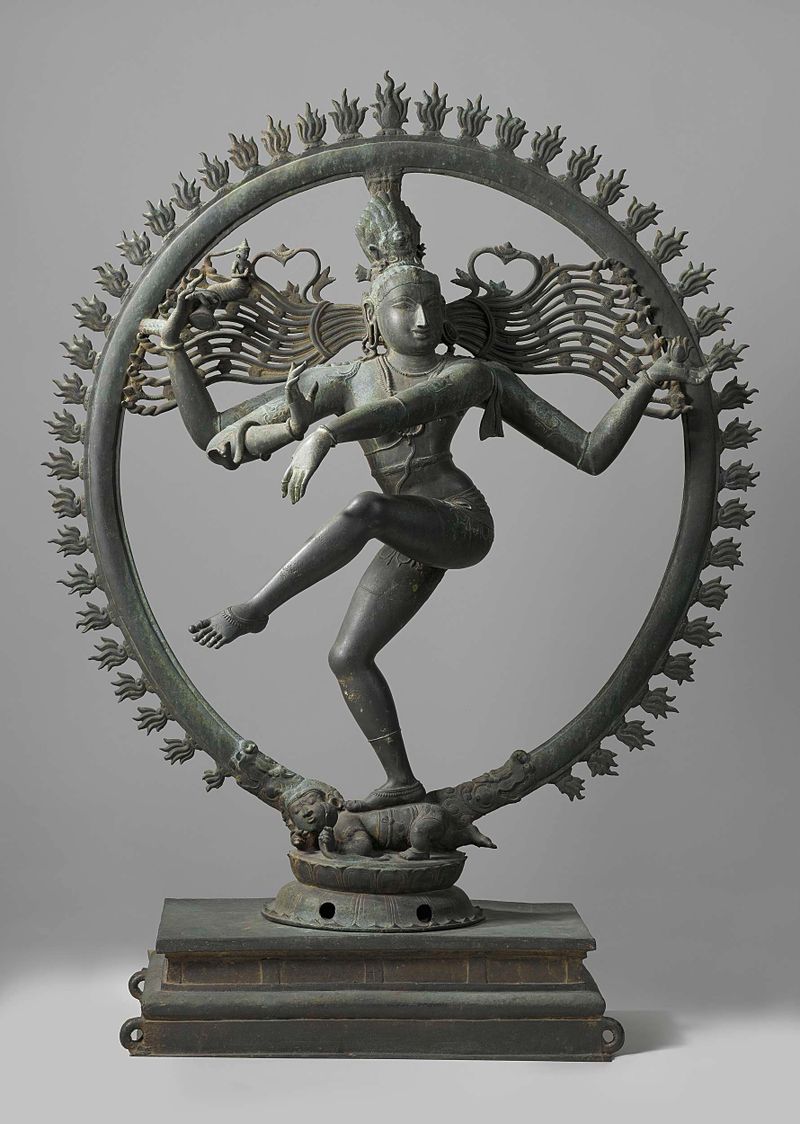
Shiva Nataraja
Unknown Artist
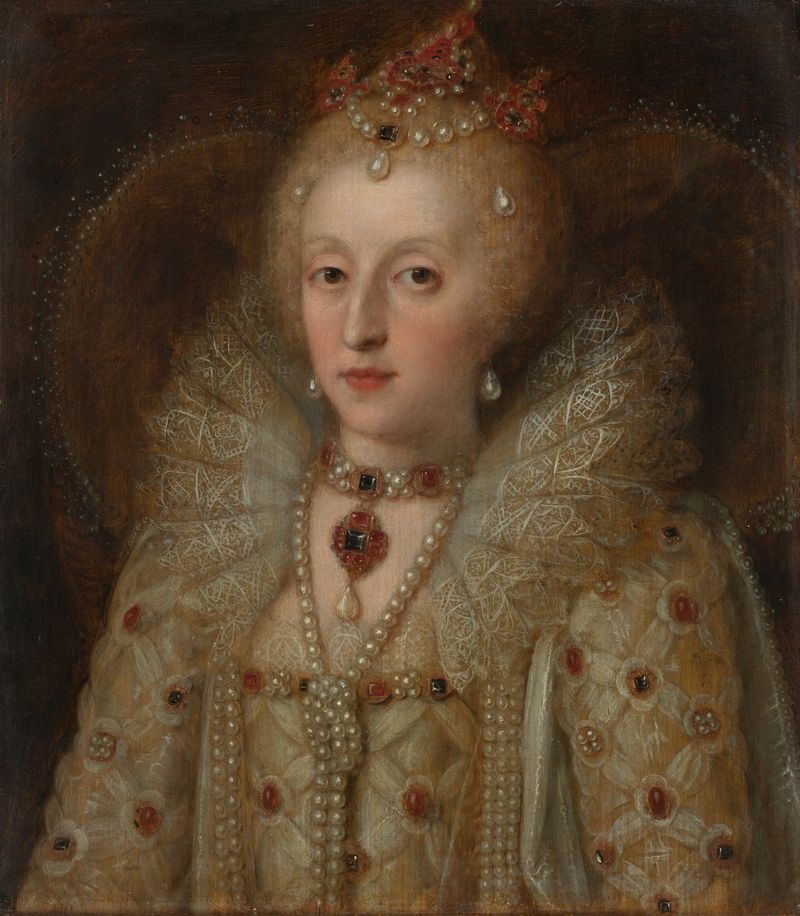
Portrait of Elizabeth I, Queen of England
Unknown Artist
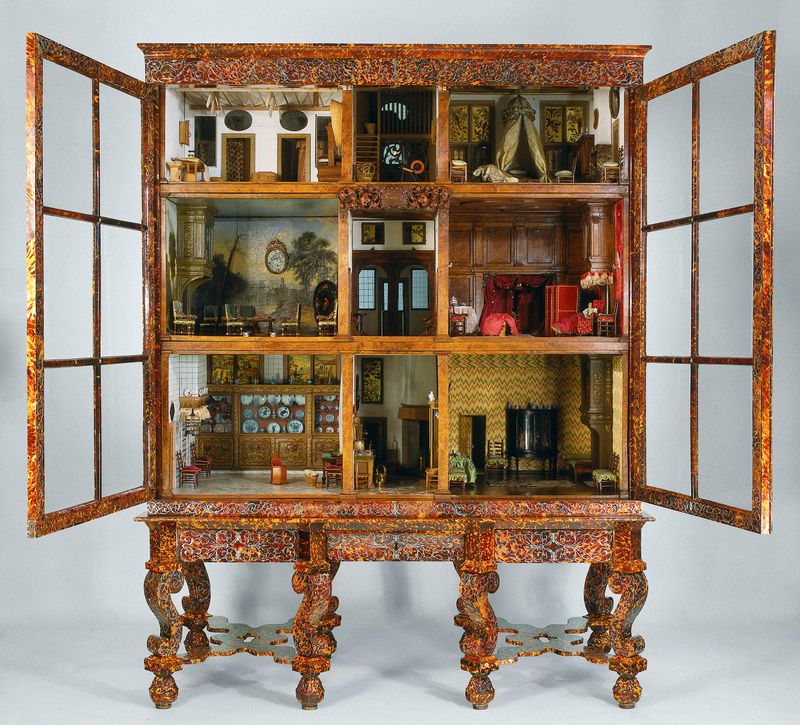
Dolls’ house of Petronella Oortman
Unknown Artist
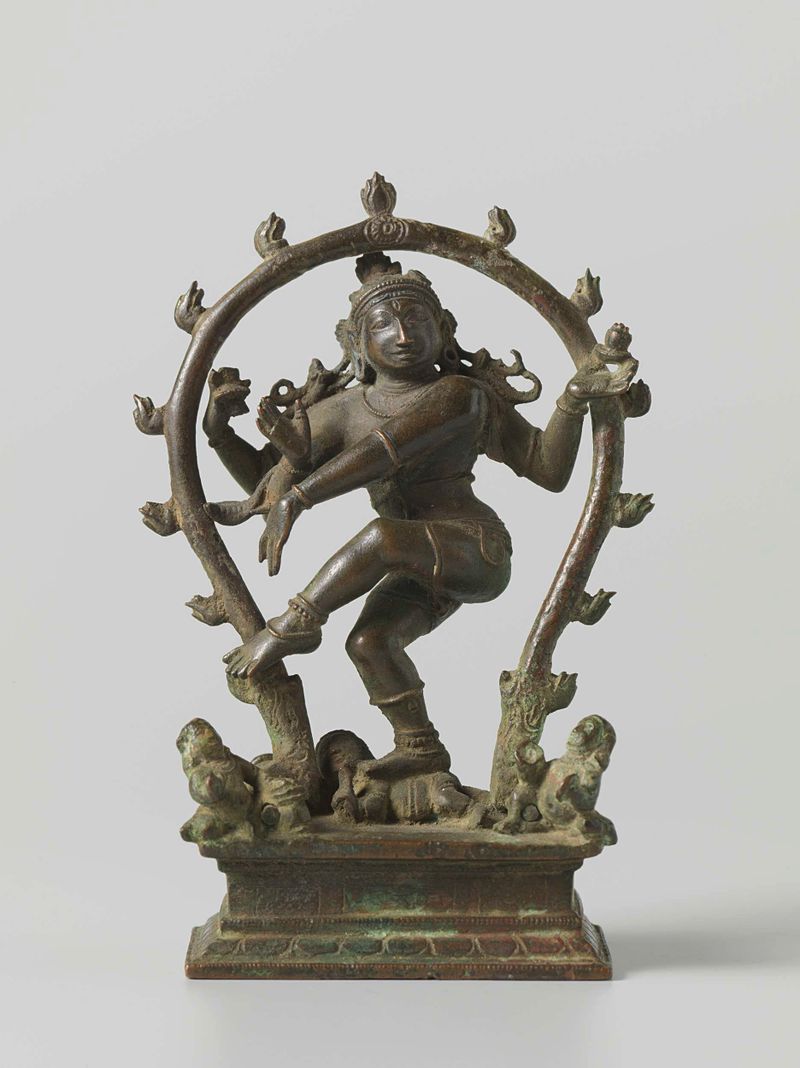
Shiva Nataraja
Unknown Artist

The Tale of Genji
Unknown Artist

The Tale of Genji
Unknown Artist
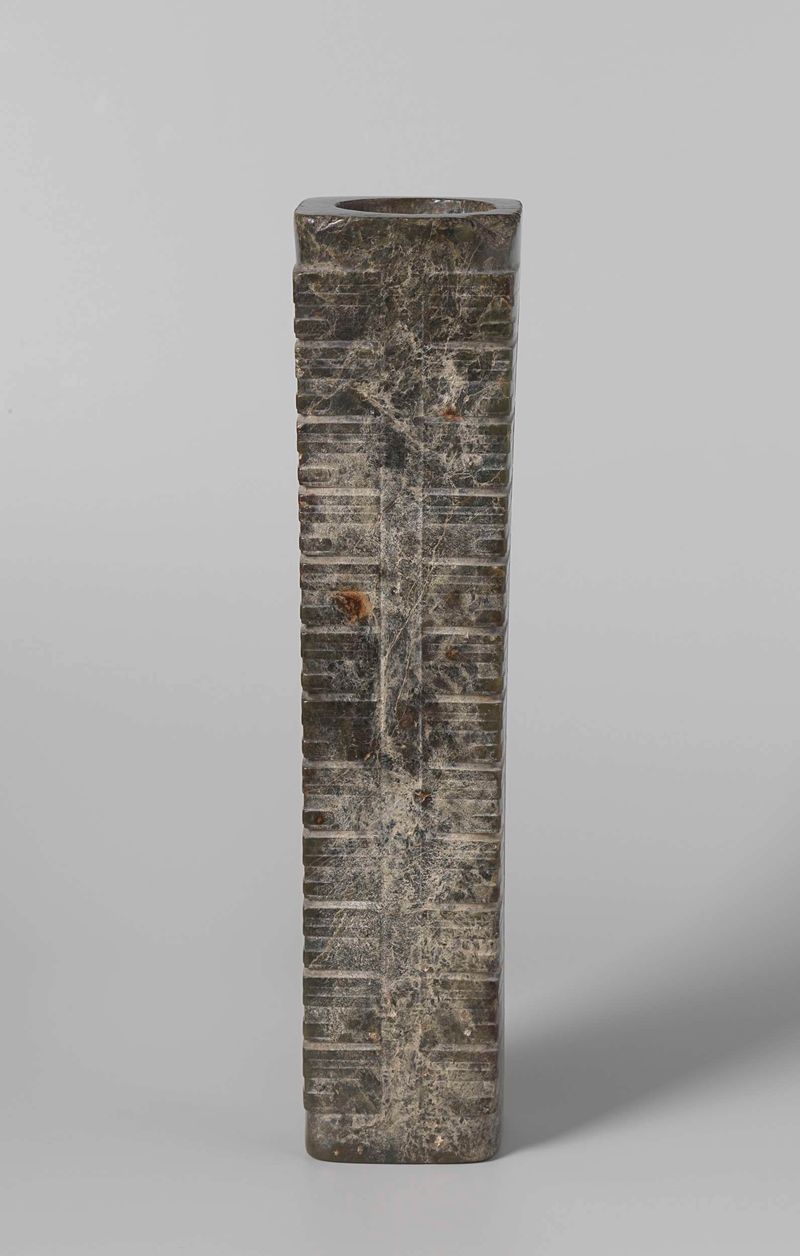
Cong
Unknown Artist
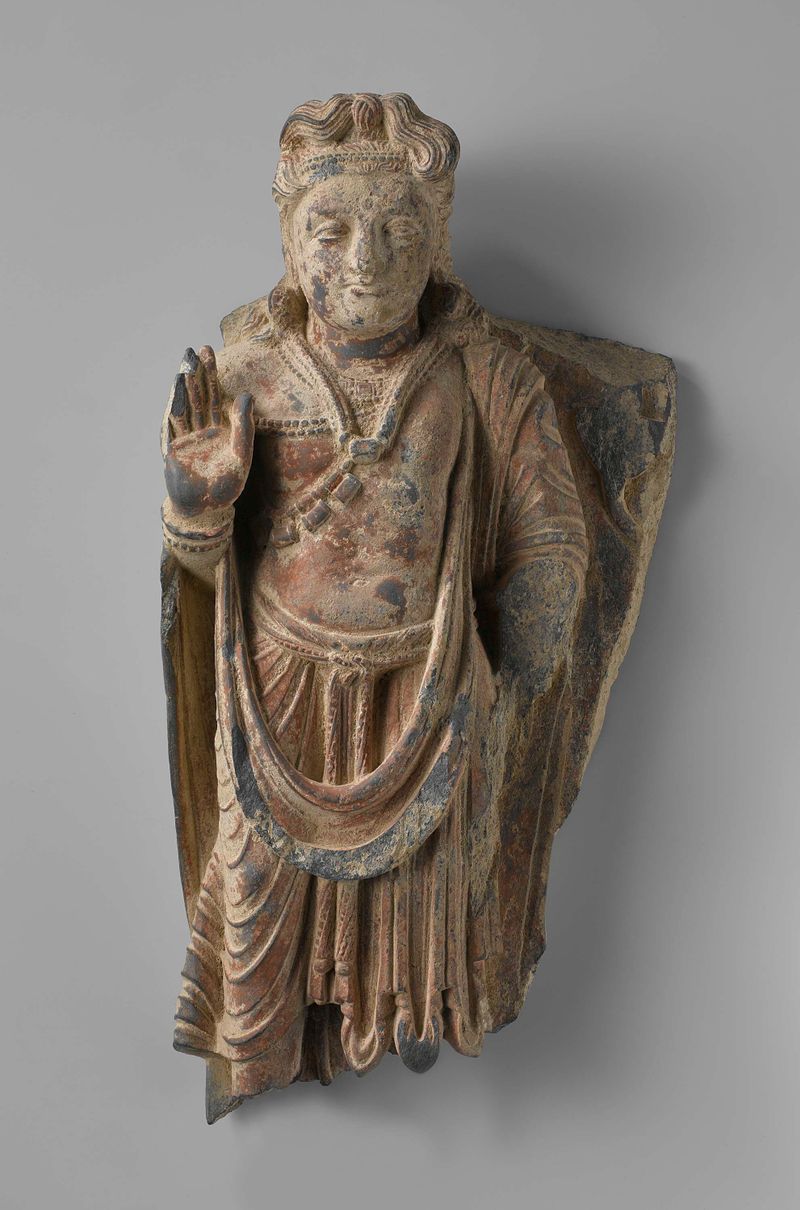
The bodhisattva Maitreya
Unknown Artist
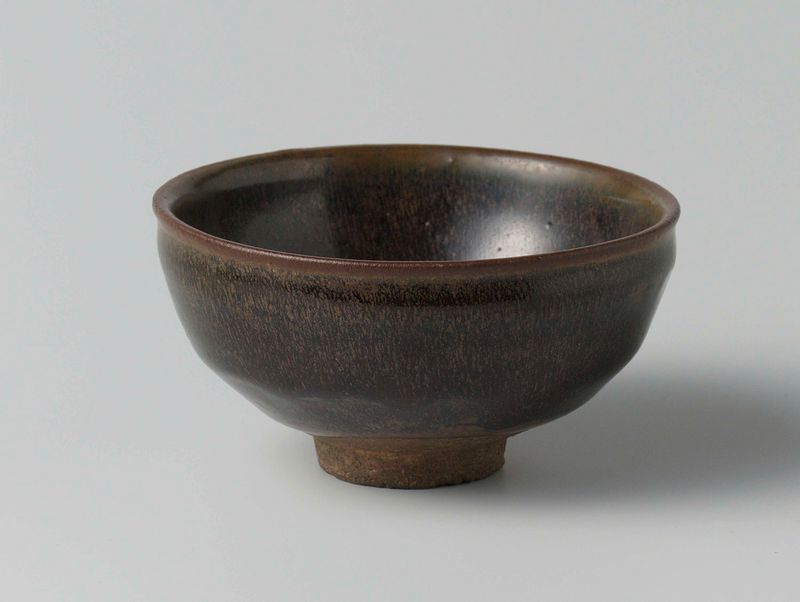
Teabowl with a 'hare's fur' glaze
Unknown Artist