
Bebost rivierlandschap met ophaalbrug — History & Facts
When did color learn to lie? In the hands of an artist, hues can whisper memories, weave dreams, and conjure longings for the past. Look at the soft greens and browns that cradle the riverbank, inviting you to dive into the scene. Notice how the gentle curve of the water reflects the sky, a mix of calm blues and wispy whites. The drawbridge, poised to connect two worlds, hints at movement yet maintains a stillness that echoes the weight of history.
The meticulous brushwork captures every leaf fluttering in the breeze, imbuing the landscape with a palpable sense of nostalgia. The juxtaposition of the sturdy drawbridge against the flowing water embodies the tension between permanence and transience. Each element, from the grazing cattle to the distant figures, resonates with a yearning for simpler times, yet also highlights the inexorable passage of life. The landscape feels alive, evoking an emotional landscape where memories linger — a reminder of moments that were once fleeting but now captured forever on canvas. Painted between 1631 and 1674, this work emerged during a period of profound artistic exploration in the Netherlands.
Anthonie van Borssom was deeply influenced by his contemporaries, embracing the lush naturalism that defined Dutch landscape painting. As he crafted this piece, the art world was transforming, marked by the rise of realism that mirrored the changing social fabric of the time, as the Dutch Republic flourished amidst commerce and cultural growth.
More Artworks by Anthonie van Borssom
Browse all →
De windmolen aan het water
Anthonie van Borssom
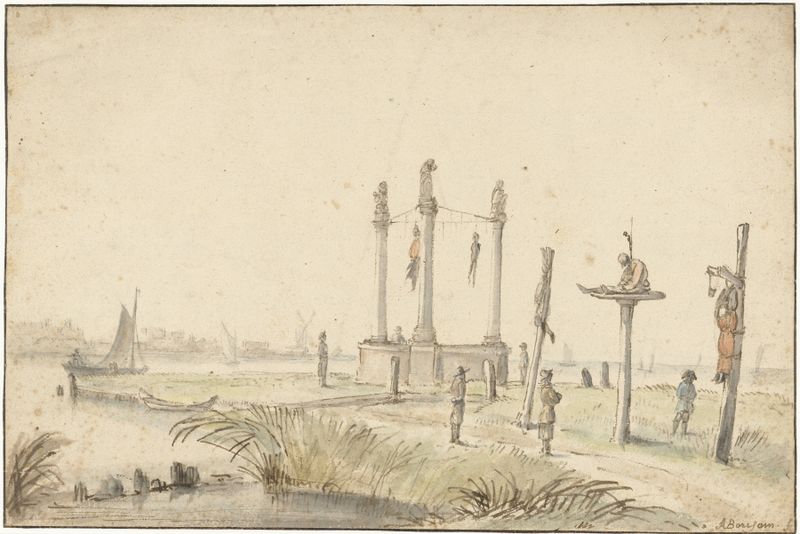
Galgenveld aan de rand van de Volewijk
Anthonie van Borssom

De windmolen aan het water
Anthonie van Borssom
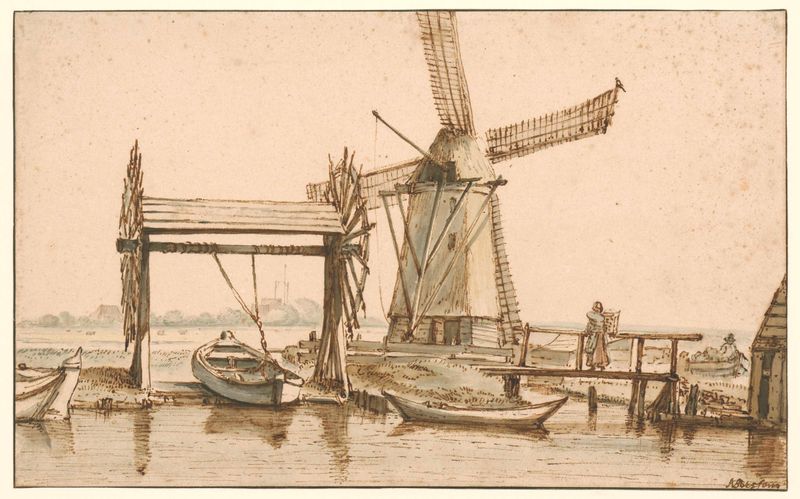
Overhaal en een molen buiten Amsterdam
Anthonie van Borssom

Kerk te Soest
Anthonie van Borssom
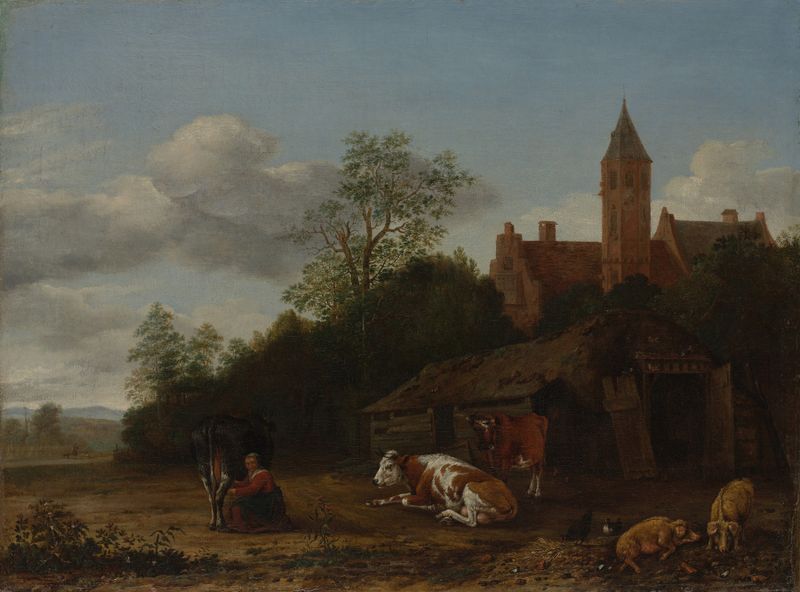
Barnyard Scene
Anthonie van Borssom
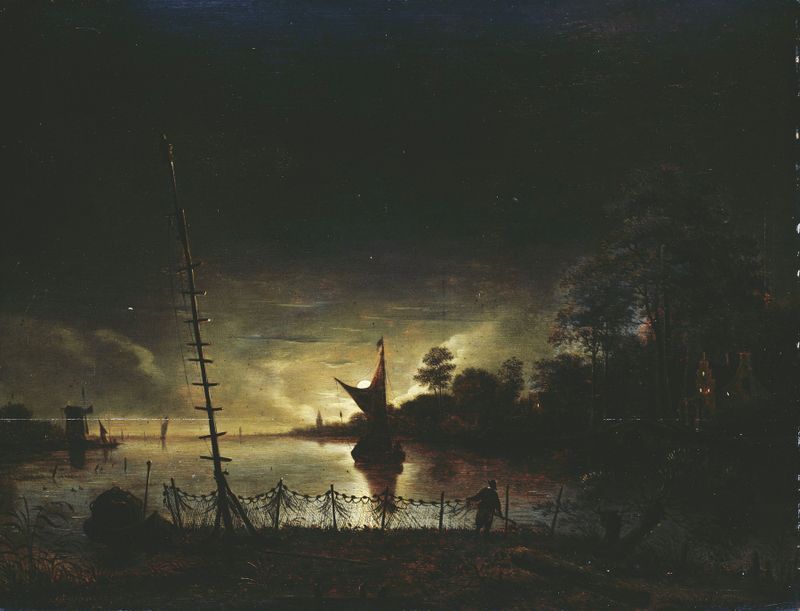
Moonlit Landscape
Anthonie van Borssom
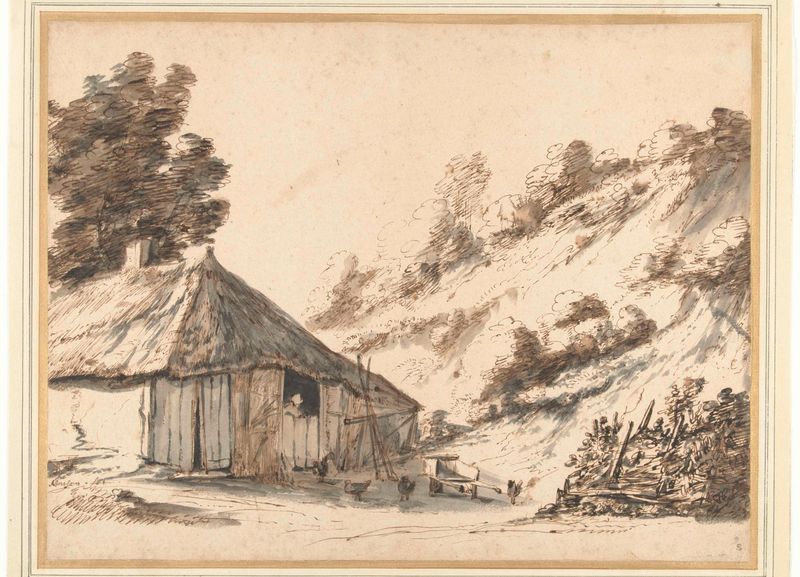
Boerderij bij een zandheuvel
Anthonie van Borssom
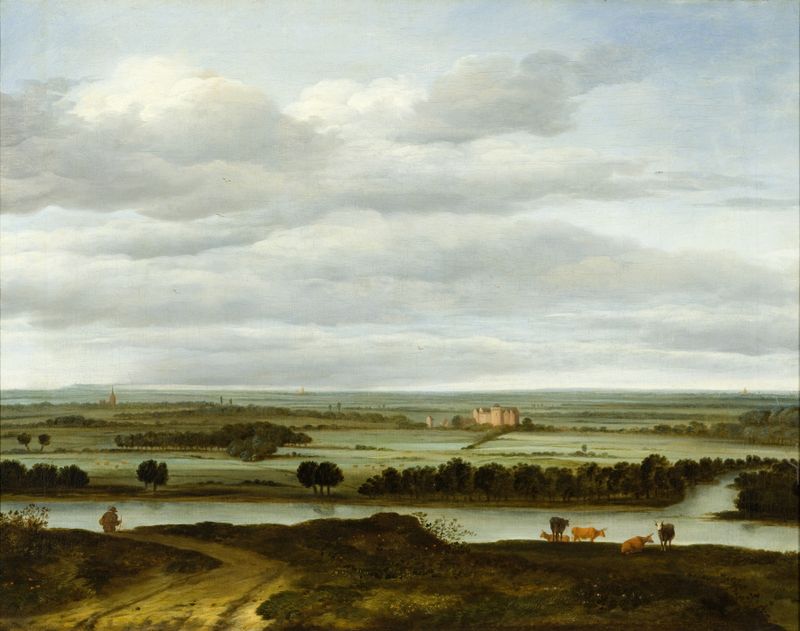
Panoramic Landscape near Rhenen with the Huis ter Lede
Anthonie van Borssom

Boerderij en een hooiberg tussen bomen
Anthonie van Borssom





