
De windmolen aan het water — History & Facts
Can paint confess what words never could? In De windmolen aan het water, the vibrant colors and serene composition whisper secrets of a tranquil Dutch landscape, echoing the indelible bond between nature and human artistry. Look to the horizon where the windmill stands tall, its sails almost alive in the gentle breeze. The soft blues of the sky contrast beautifully with the warm greens of the grass, inviting the viewer to wander through a palette that feels both familiar and dreamlike. Notice how the light dances upon the water's surface, creating a shimmering pathway that guides the eye from the foreground to the distant pastures, evoking a sense of harmony and peace in this idyllic setting. Hidden within the gentle brushstrokes are narratives woven through color and light.
The juxtaposition of the vibrant greens with the soft pastels of the sky signifies a balance between vitality and tranquility, reflecting the coexistence of human life and the natural world. The windmill, a symbol of industry and perseverance, stands as a sentinel over the landscape, reminding us of the enduring relationship between progress and preservation. Each detail, from the birds in flight to the delicate ripples in the water, adds layers of meaning, suggesting an unspoken dialogue between nature and civilization. Created between 1660 and 1677, this work emerged during a period of significant artistic development in the Dutch Golden Age.
Anthonie van Borssom, influenced by the naturalistic movements of his contemporaries, painted at a time when landscapes became a favored subject, reflecting both a celebration of the Dutch countryside and a deeper appreciation for the interplay of light and color. As the art world flourished, he found his voice in capturing the essence of serene moments, forever immortalizing the beauty of his homeland.
More Artworks by Anthonie van Borssom
Browse all →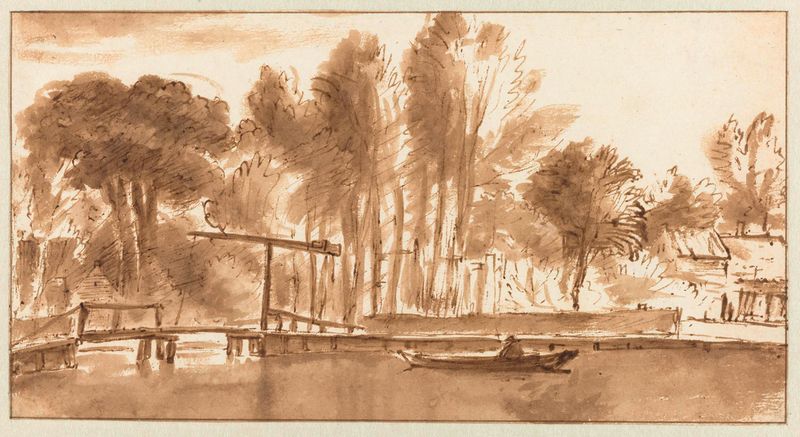
Bebost rivierlandschap met ophaalbrug
Anthonie van Borssom

De windmolen aan het water
Anthonie van Borssom
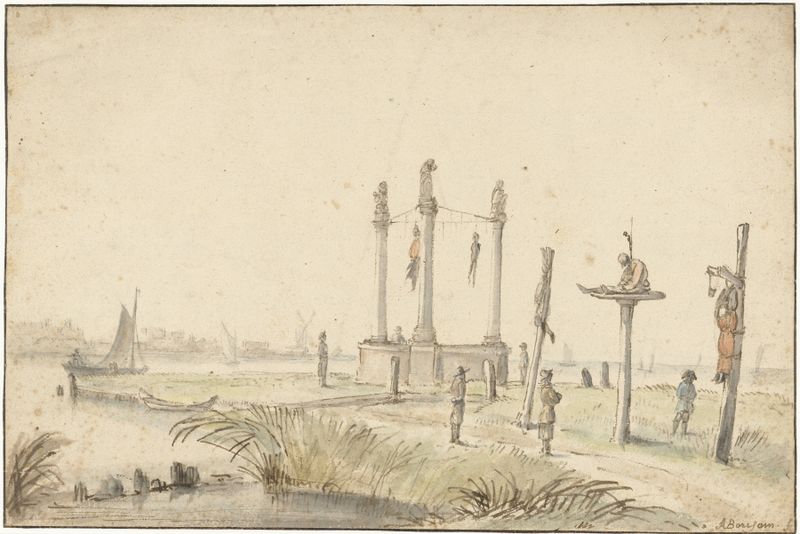
Galgenveld aan de rand van de Volewijk
Anthonie van Borssom
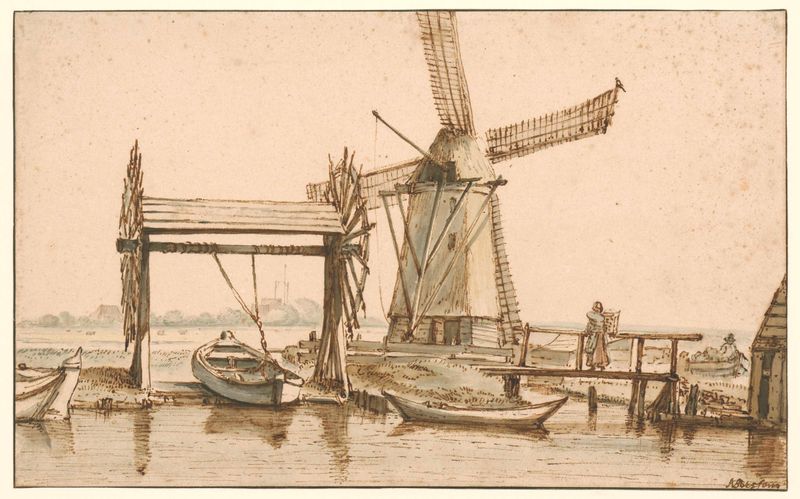
Overhaal en een molen buiten Amsterdam
Anthonie van Borssom

Kerk te Soest
Anthonie van Borssom
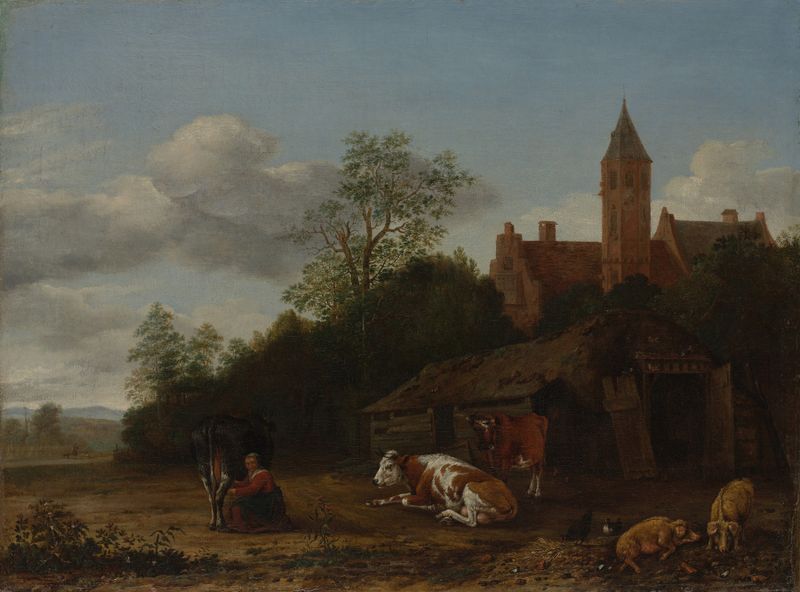
Barnyard Scene
Anthonie van Borssom
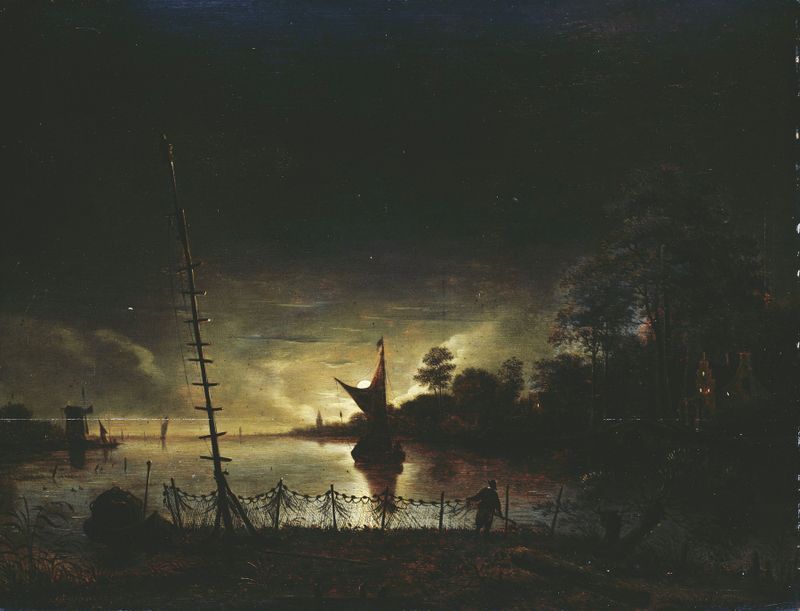
Moonlit Landscape
Anthonie van Borssom
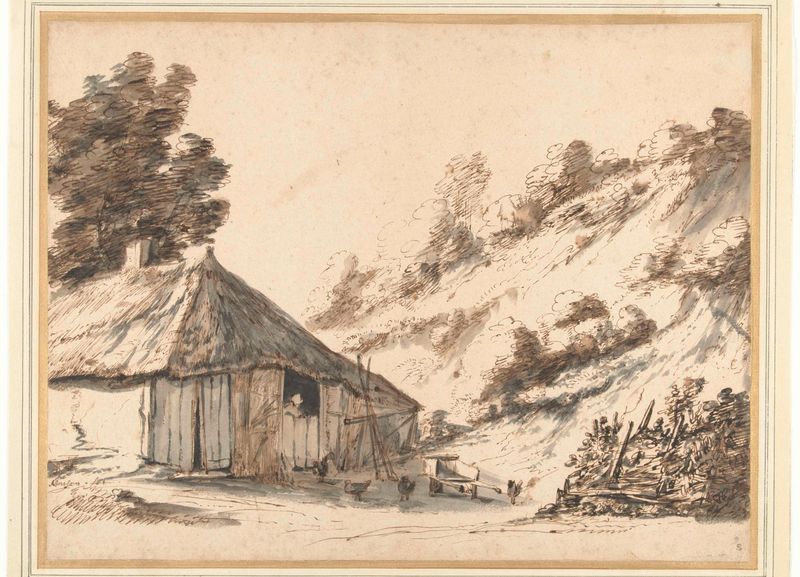
Boerderij bij een zandheuvel
Anthonie van Borssom
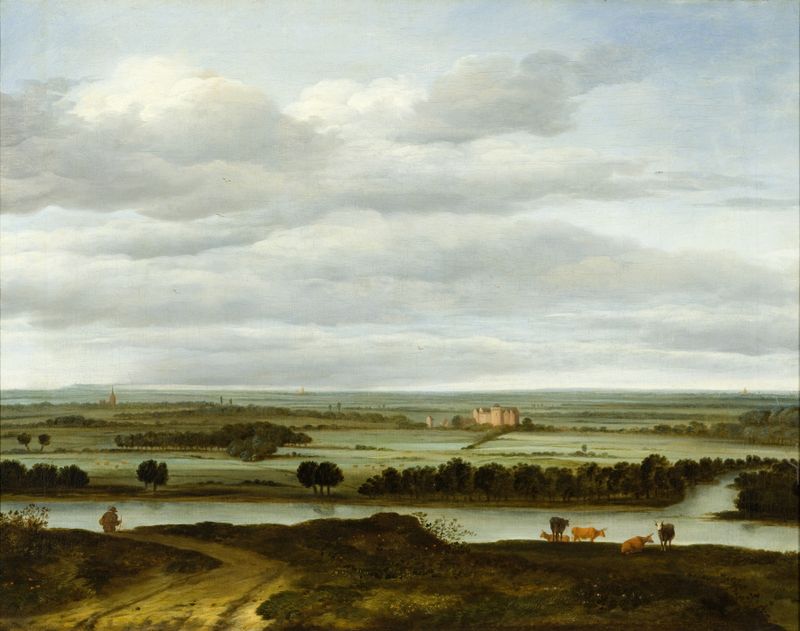
Panoramic Landscape near Rhenen with the Huis ter Lede
Anthonie van Borssom

Boerderij en een hooiberg tussen bomen
Anthonie van Borssom





