
De windmolen aan het water — History & Facts
In the stillness of the Dutch landscape, the solitude of the windmill stands as a haunting reminder of isolation, whispering the secrets of those who once inhabited its shadow. Look to the left at the stark silhouette of the windmill, its broad sails extended yet unmoving against the soft azure sky. The delicate brushstrokes convey a sense of calmness, while the gentle ripples of water reflect the muted palette of greens and browns. Notice how the light filters through the clouds, casting a serene glow that highlights the textures of the mill’s weathered wood, invoking a quiet reverence for nature’s endurance amidst human absence. Beneath the tranquil surface lies a profound tension between the vibrant life of the landscape and the desolate architecture.
The juxtaposition of the sturdy windmill and the placid water evokes a feeling of loneliness, as if the structure stands sentinel, longing for the sound of laughter or the bustle of daily life. The distant trees appear to bend in a collective sigh, their shapes suggesting a narrative of remembrance, while the expansive sky teeters on the edge of storm, echoing the emotional weight of isolation. During the years spanning 1660 to 1677, Anthonie van Borssom painted this work in the Netherlands, a time when Dutch art was flourishing amidst political and religious upheaval. Emerging as a significant figure in the Dutch Golden Age, he found inspiration in landscapes suffused with light, yet this piece reveals an introspective moment—reflecting both the beauty and solitude inherent in rural life during an era of great change.
More Artworks by Anthonie van Borssom
Browse all →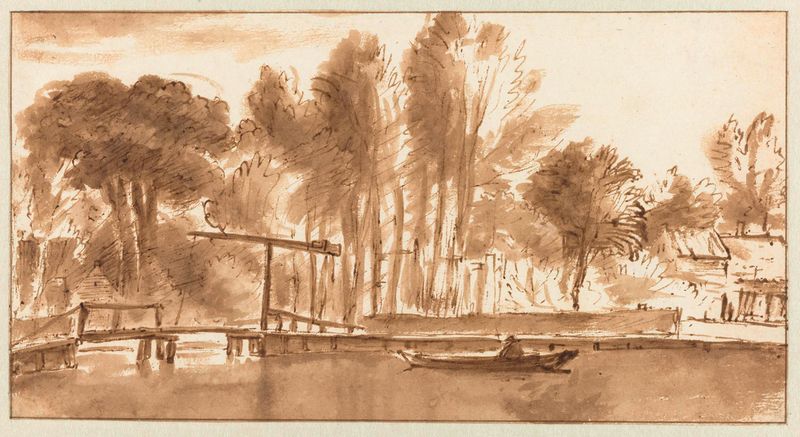
Bebost rivierlandschap met ophaalbrug
Anthonie van Borssom
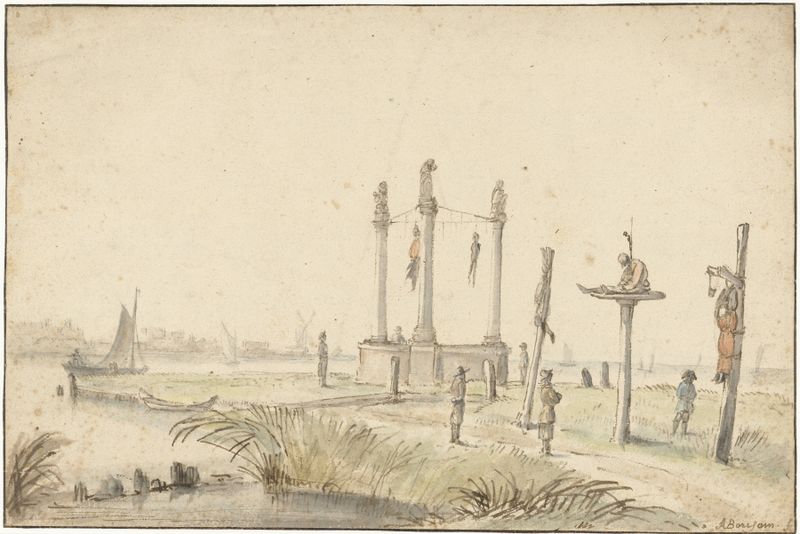
Galgenveld aan de rand van de Volewijk
Anthonie van Borssom

De windmolen aan het water
Anthonie van Borssom
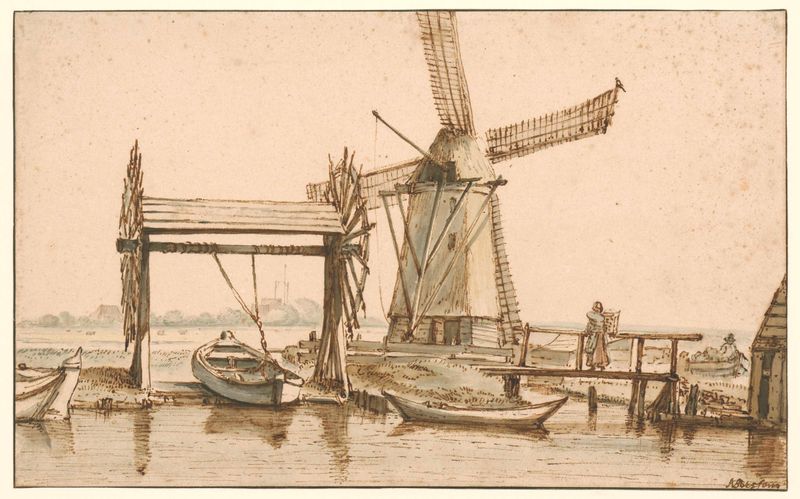
Overhaal en een molen buiten Amsterdam
Anthonie van Borssom

Kerk te Soest
Anthonie van Borssom
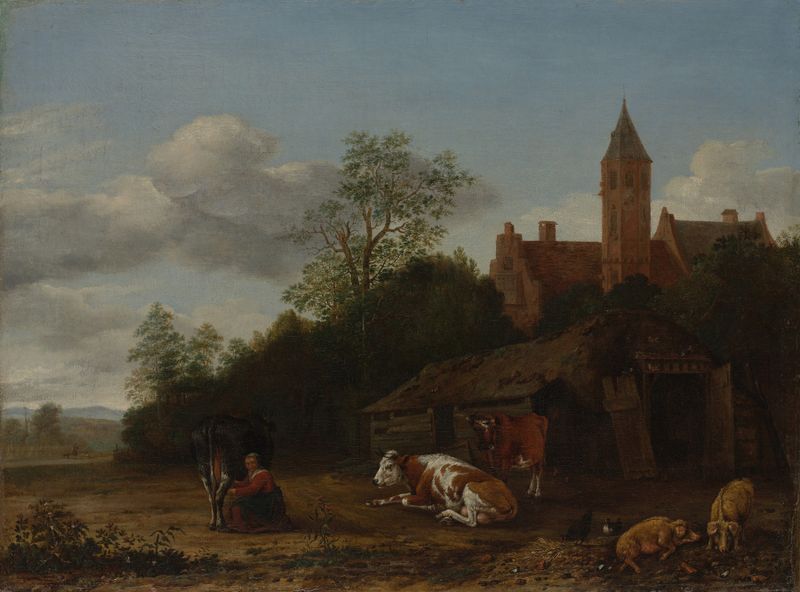
Barnyard Scene
Anthonie van Borssom
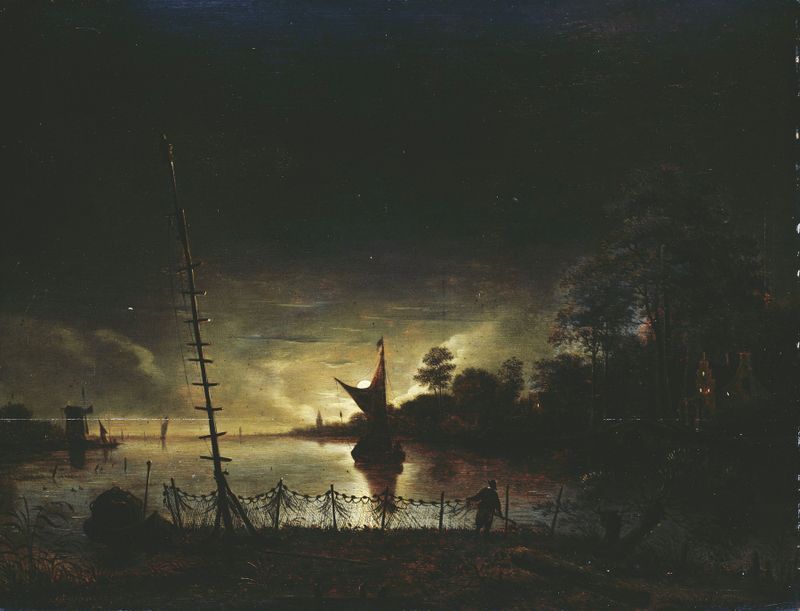
Moonlit Landscape
Anthonie van Borssom
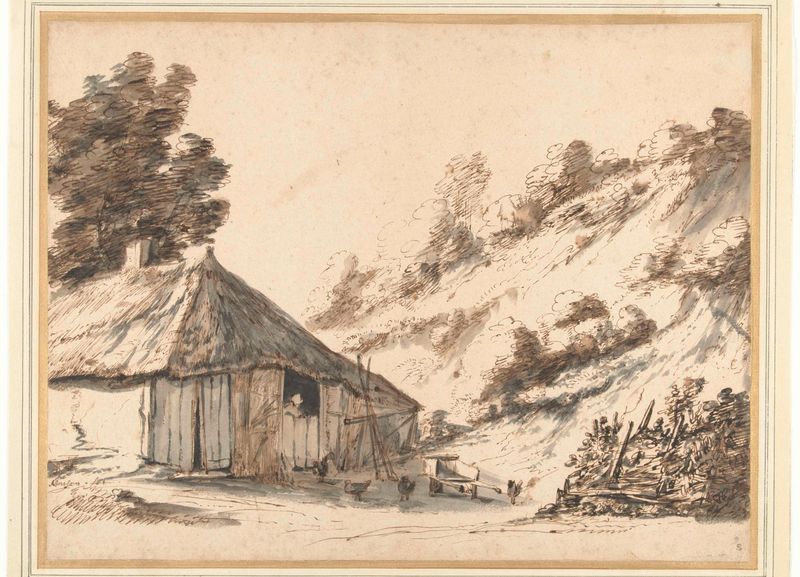
Boerderij bij een zandheuvel
Anthonie van Borssom
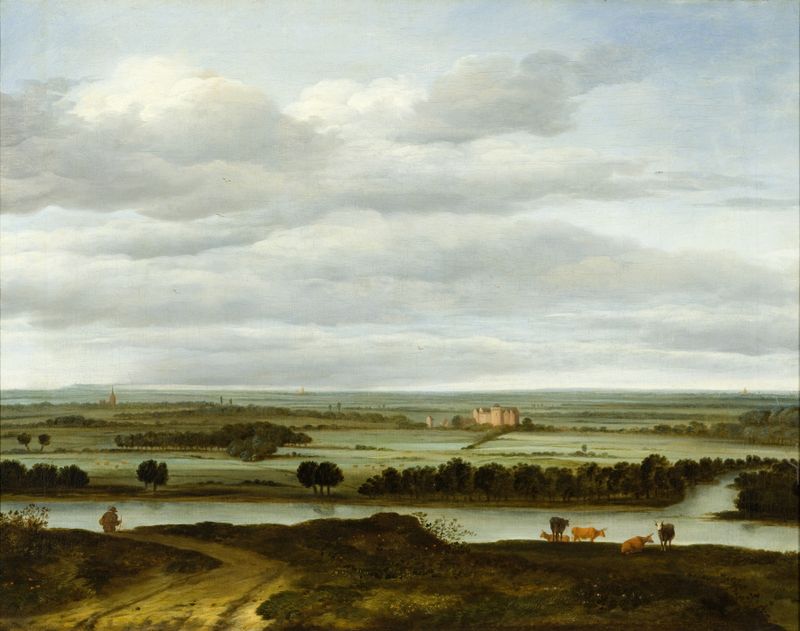
Panoramic Landscape near Rhenen with the Huis ter Lede
Anthonie van Borssom

Boerderij en een hooiberg tussen bomen
Anthonie van Borssom





