
Galgenveld aan de rand van de Volewijk — History & Facts
In the stillness of a landscape, echoes of violence linger beneath the surface, whispering of histories left unexamined. The serene facade of nature belies the darker narratives that twist through its shadows. Focus your gaze on the foreground, where a solitary gallows stands, stark against an otherwise tranquil Dutch countryside. Notice how the artist employs muted earth tones to create a sense of heaviness, the browns and greens punctuated by soft, melancholic blues in the sky.
The composition is balanced yet unsettling, drawing immediate attention to the gallows while simultaneously revealing the lush, rolling fields that extend into the distance. The juxtaposition of life and death is palpable, a reminder of human fragility amidst the grandeur of nature. Amidst the idyllic setting, the gallows serves as a haunting symbol of punishment and societal control, hinting at the violence inherent in justice. The calmness of the landscape contrasts sharply with the ominous structure, inviting contemplation on the collective memory of suffering that such sites represent.
The painting, while serene in appearance, is imbued with a tension that speaks to the darker truths of humanity’s historical narrative, revealing the way violence can exist in quietude. Created between 1664 and 1665, this work emerged during a period of relative peace in the Dutch Republic, yet it reflects underlying societal fears and the realities of justice during that time. Anthonie van Borssom, influenced by the naturalism and attention to detail characteristic of the era, painted in an environment where the picturesque often masked the grim realities of life. This landscape invites the viewer not only to appreciate its beauty but also to confront its unspoken histories.
More Artworks by Anthonie van Borssom
Browse all →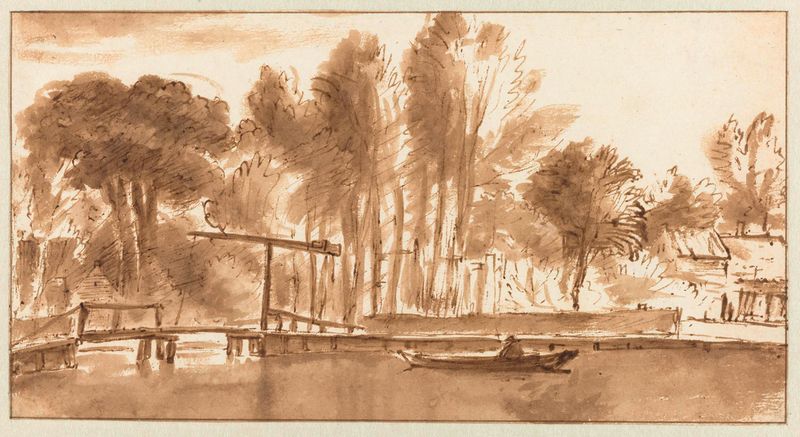
Bebost rivierlandschap met ophaalbrug
Anthonie van Borssom

De windmolen aan het water
Anthonie van Borssom

De windmolen aan het water
Anthonie van Borssom
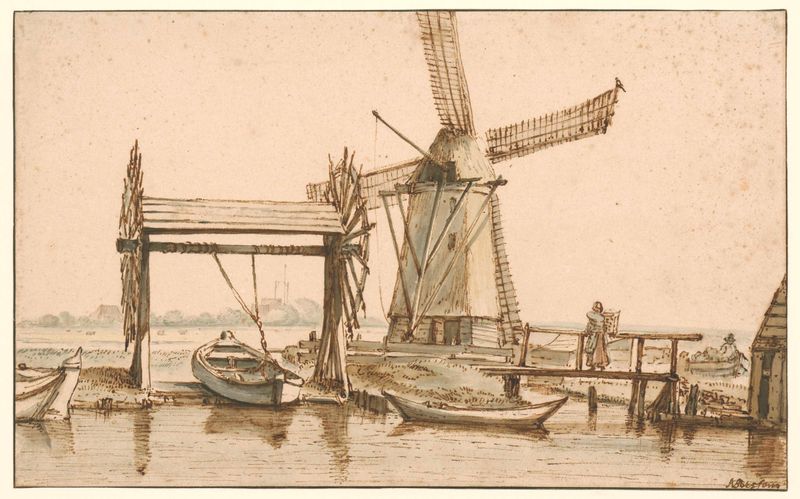
Overhaal en een molen buiten Amsterdam
Anthonie van Borssom

Kerk te Soest
Anthonie van Borssom
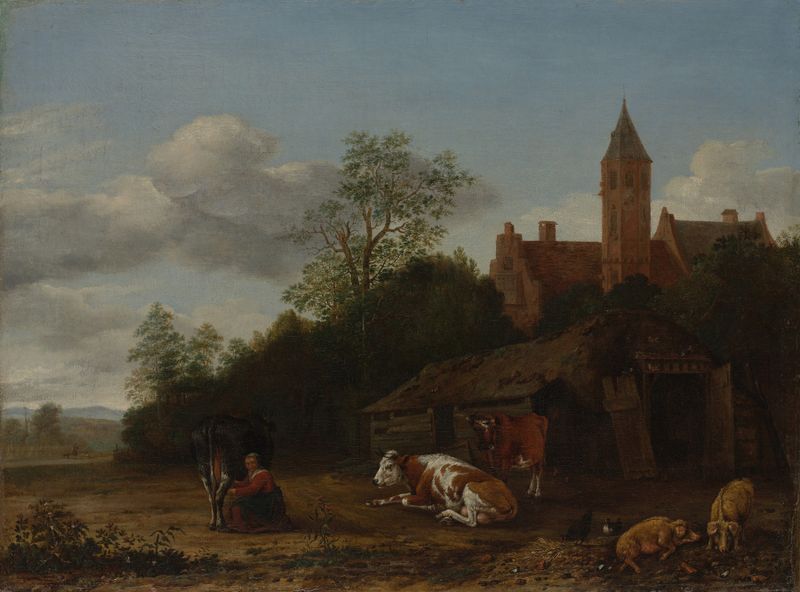
Barnyard Scene
Anthonie van Borssom
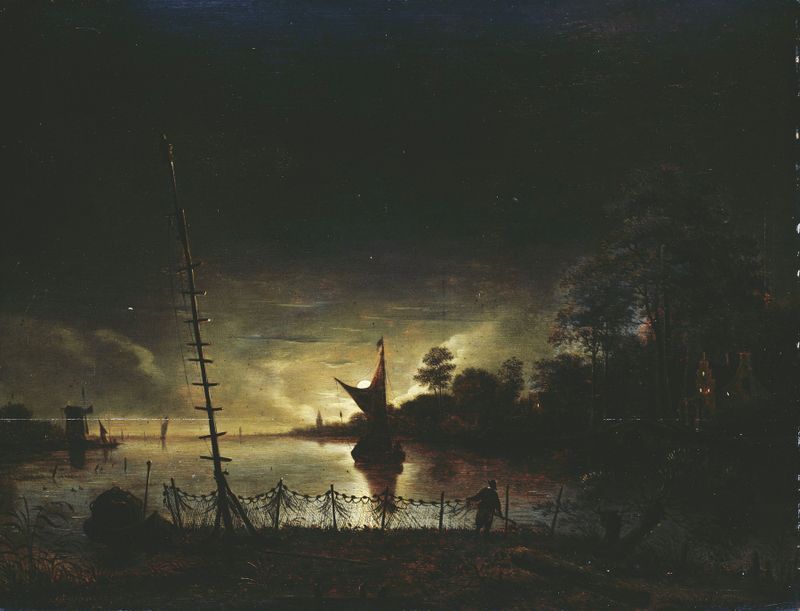
Moonlit Landscape
Anthonie van Borssom
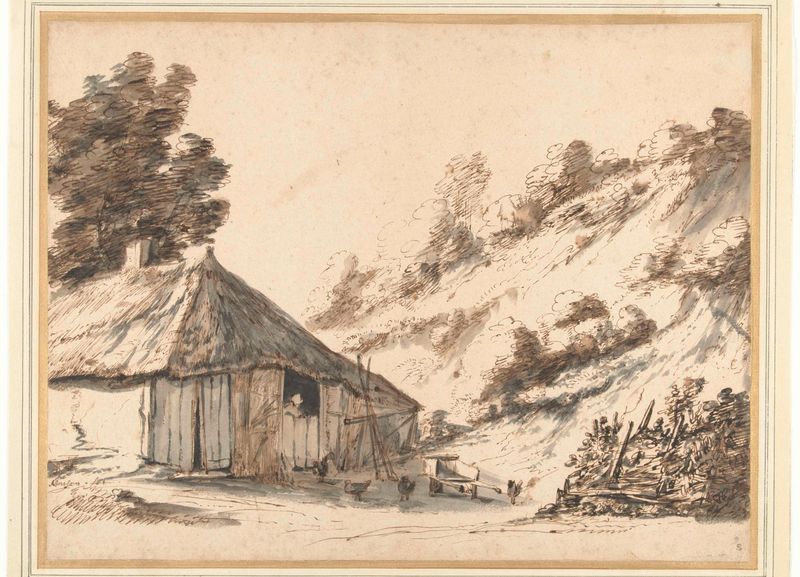
Boerderij bij een zandheuvel
Anthonie van Borssom
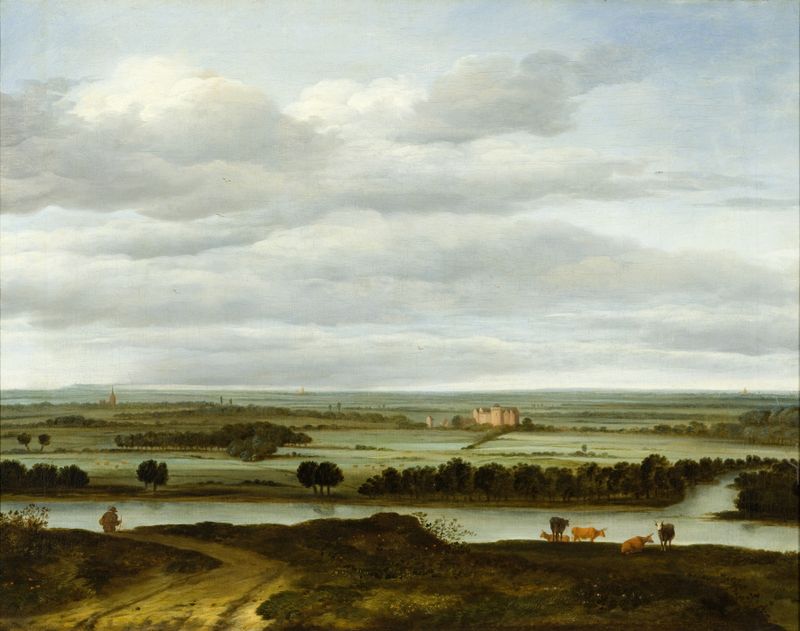
Panoramic Landscape near Rhenen with the Huis ter Lede
Anthonie van Borssom

Boerderij en een hooiberg tussen bomen
Anthonie van Borssom





