
Before the Storm — History & Facts
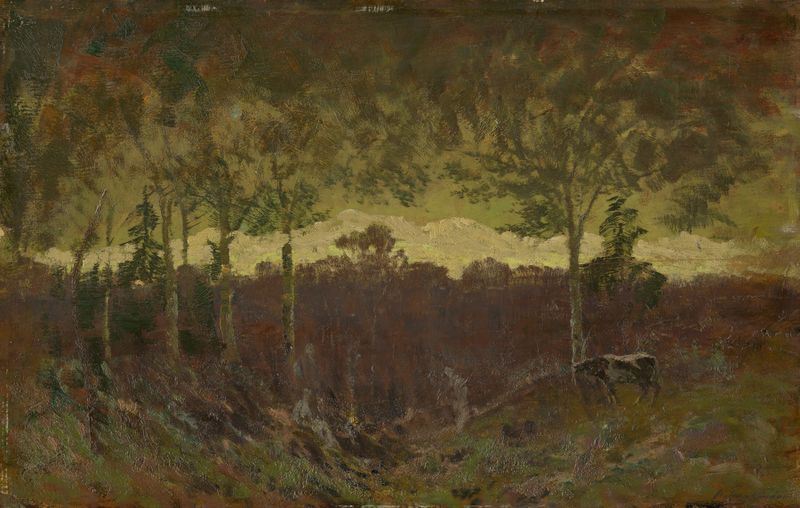
What if beauty was never meant to be finished? In Before the Storm, an ethereal interplay of light and shadow evokes a sense of fleeting harmony, capturing a moment on the cusp of change. Look to the center of the canvas, where a soft golden light bathes the landscape, illuminating the horizon with an almost divine glow. Notice how the brushstrokes vary, fluid and delicate around the edges, yet fierce and exaggerated where the tempest brews in the background. The vibrant colors of the foreground contrast with the impending darkness, crafting a visual dialogue that invites the viewer to linger and explore the tension between serenity and chaos. Now, consider the subtle choices within.
The trees, with their lush greens, lean ever so slightly towards the darkening sky, as if acknowledging the storm's approach. The way the light dances on the surface of a nearby lake reflects an ephemeral beauty, suggesting what is about to be lost. This tension encapsulates a moment of stillness before the world shifts, leaving the viewer to ponder the fragility of nature and human emotion. Created in 1900, this piece emerged from Katona's studio during a time of artistic experimentation in Europe, where artists were beginning to embrace more expressive styles that broke from tradition.
Living in Hungary, he was influenced by the surrounding landscapes and a growing interest in symbolist themes, which sought to convey deeper meaning through emotion rather than mere representation. In this work, he masterfully balances light and darkness, hinting at the inevitable turmoil that follows tranquility.
More Artworks by Ferdinand Katona
Browse all →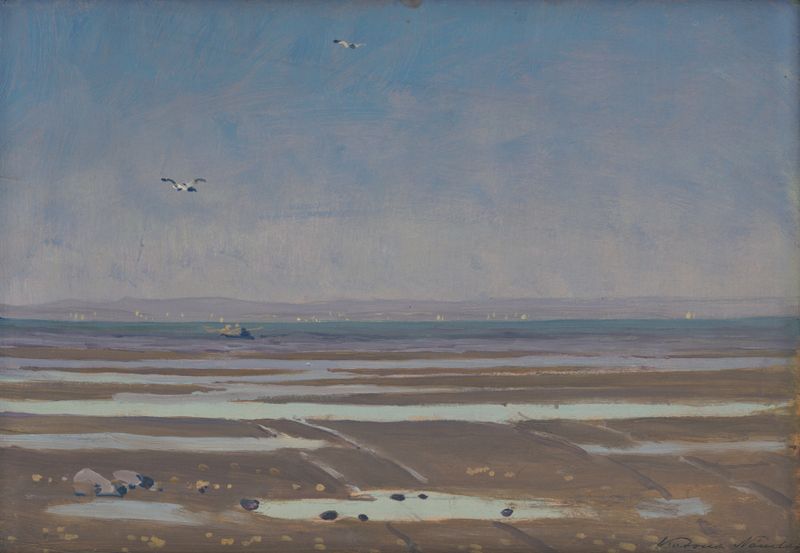
Early spring
Ferdinand Katona
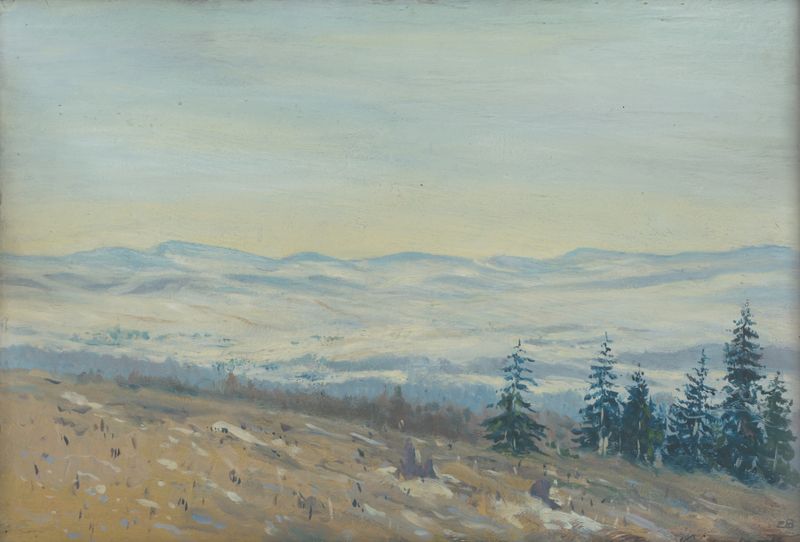
High Tatras
Ferdinand Katona
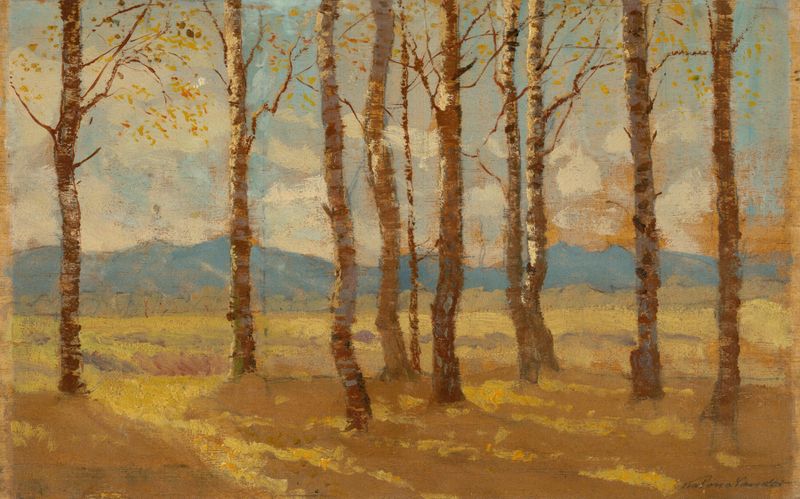
Birches in Autumn
Ferdinand Katona
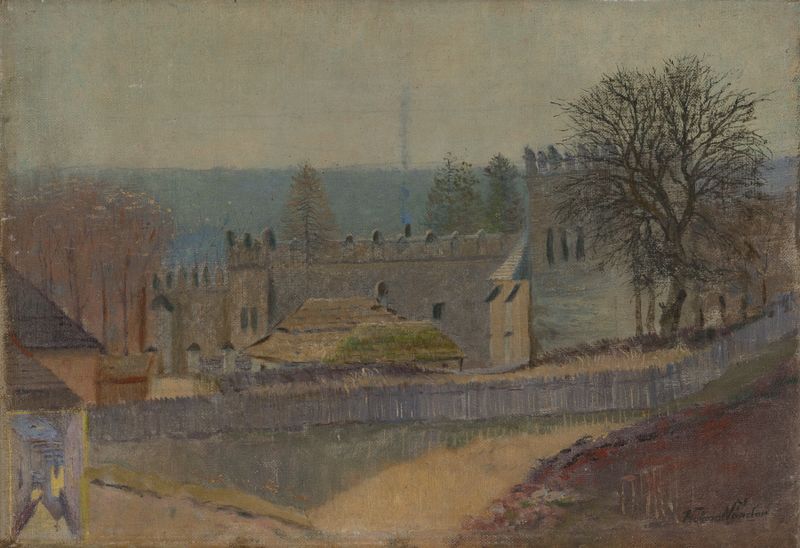
View of Strážky
Ferdinand Katona
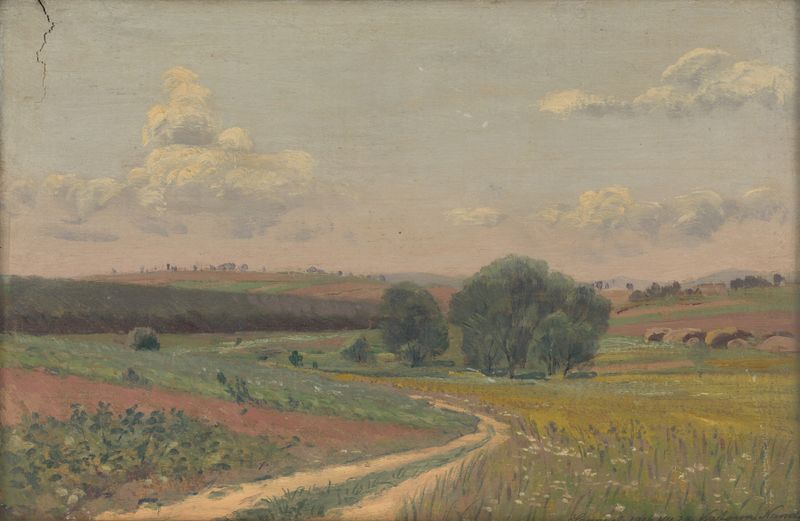
Landscape with a dirt road
Ferdinand Katona
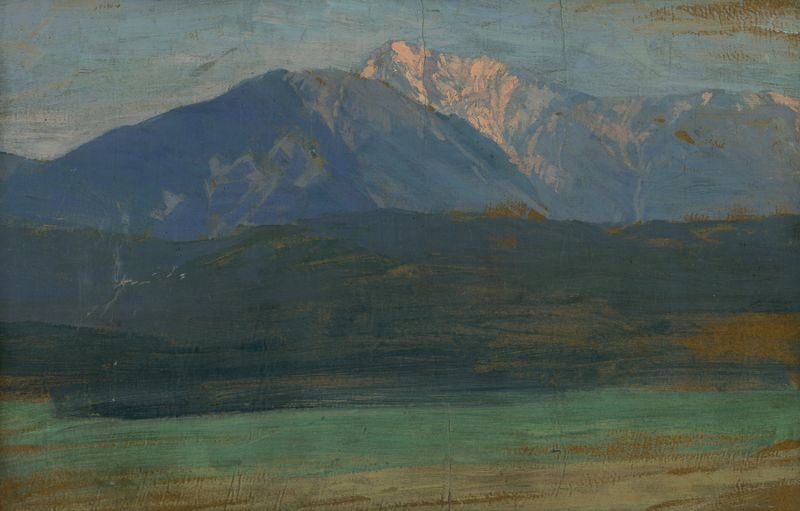
High Tatras
Ferdinand Katona
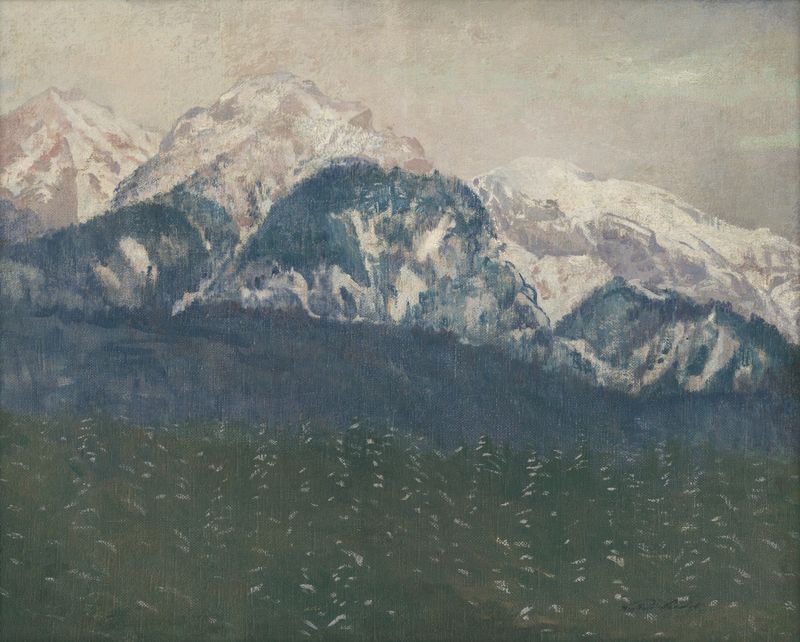
View of the High Tatras
Ferdinand Katona
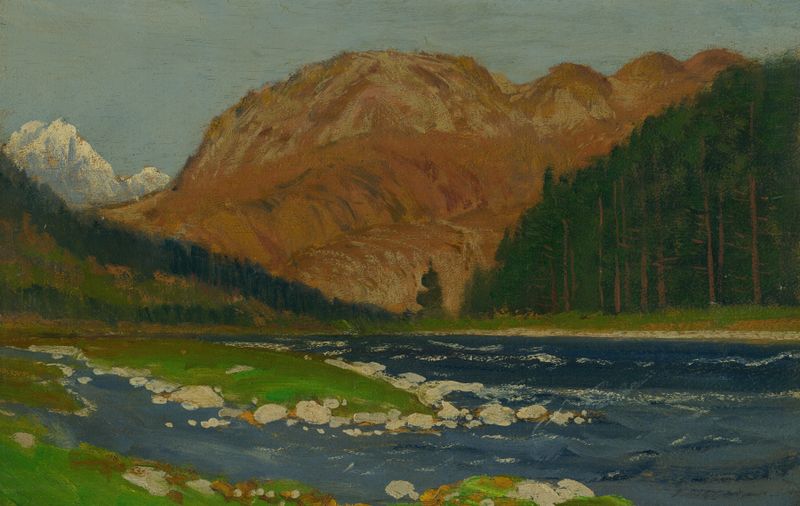
Landscape by the Danube
Ferdinand Katona
Early Evening Tatras Landscape
Ferdinand Katona
View of the High Tatras
Ferdinand Katona





