
Begging Sits on Pride's Train — History & Facts
A sweep of crimson fabric tumbles down the steps, drawing the eye from the grandeur of towers to the humble figures at the forest’s edge. In Begging Sits on Pride's Train, Albrecht Altdorfer conjures a world where allegory and landscape intertwine: a richly cloaked figure, attended by courtiers, strides forward, trailed by a train so long it becomes a path for beggars and children to cling to. The contrast is deliberate—the opulence of architecture and costume set against the vulnerability of those who must follow in Pride’s wake.
Altdorfer’s brushwork revels in the play of light, the sky opening above a city that sprawls with possibility, while the shadows beneath the trees suggest the costs hidden in ambition’s shadow. This is a painting alive with the tensions of its age, the early sixteenth century, when allegory was a favored tool for moral instruction and reflection. Artists like Altdorfer—a pioneer of the Danube school—were among the first in German art to give landscape a starring role, letting the natural world comment on the follies of humankind. The city’s towers rise with the same ambition as Pride herself, while the winding road and distant mountains hint at journeys both literal and spiritual.
Dated 1531 and now in the Staatliche Museen zu Berlin, this work stands as a testament to an era when artists painted not just what was seen, but what was meant to be understood. Let your gaze follow the sweep of that red train, and consider what it means to be carried by, or left behind by, the ambitions of others.
More Artworks by Albrecht Altdorfer

Landscape with Two Pines
Albrecht Altdorfer
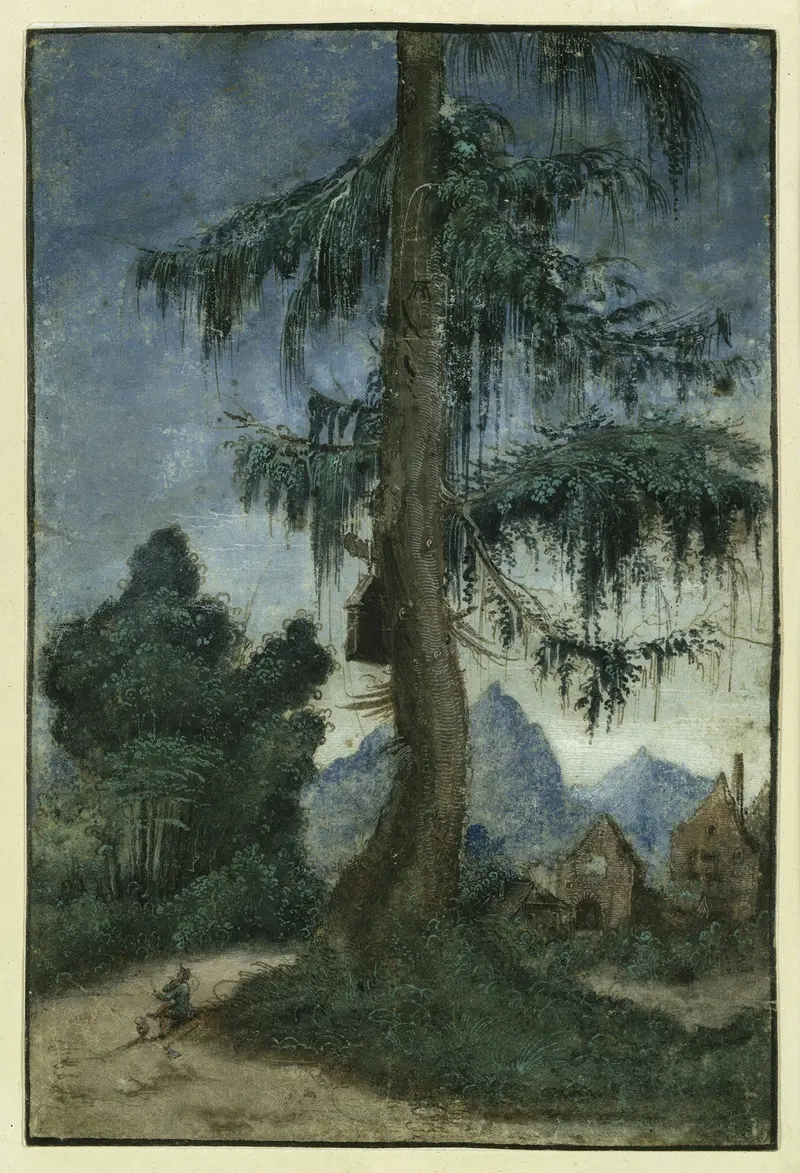
Landscape with spruce
Albrecht Altdorfer
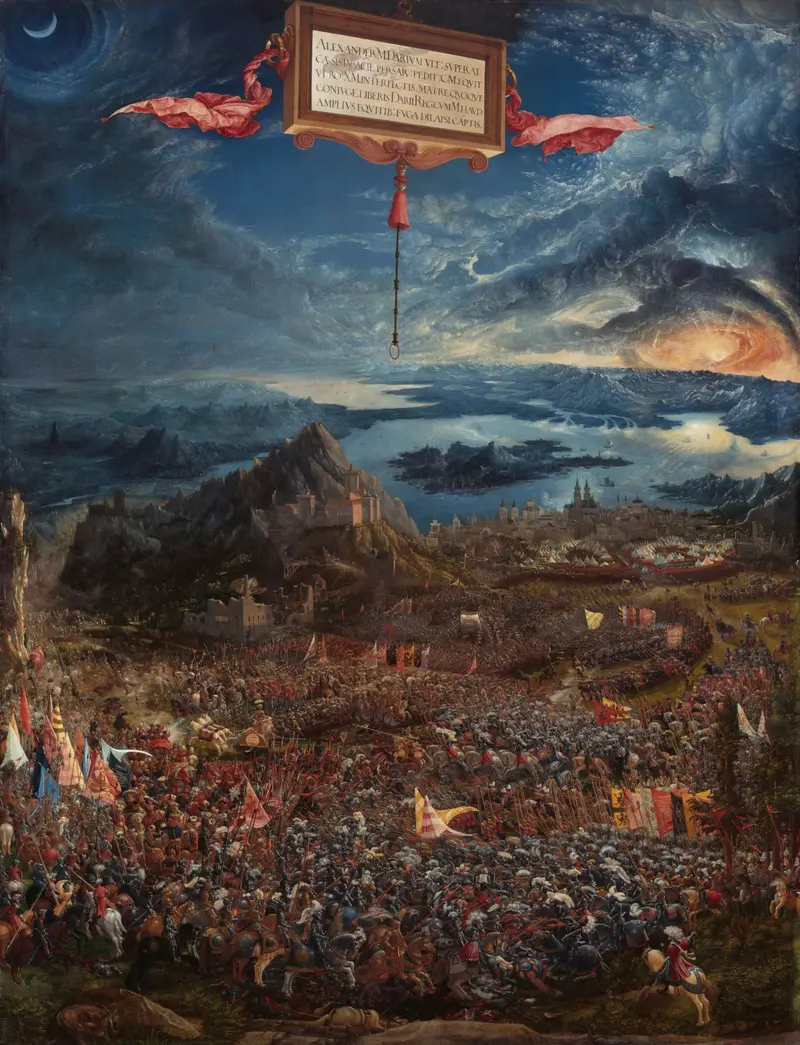
The Battle of Alexander at Issus
Albrecht Altdorfer
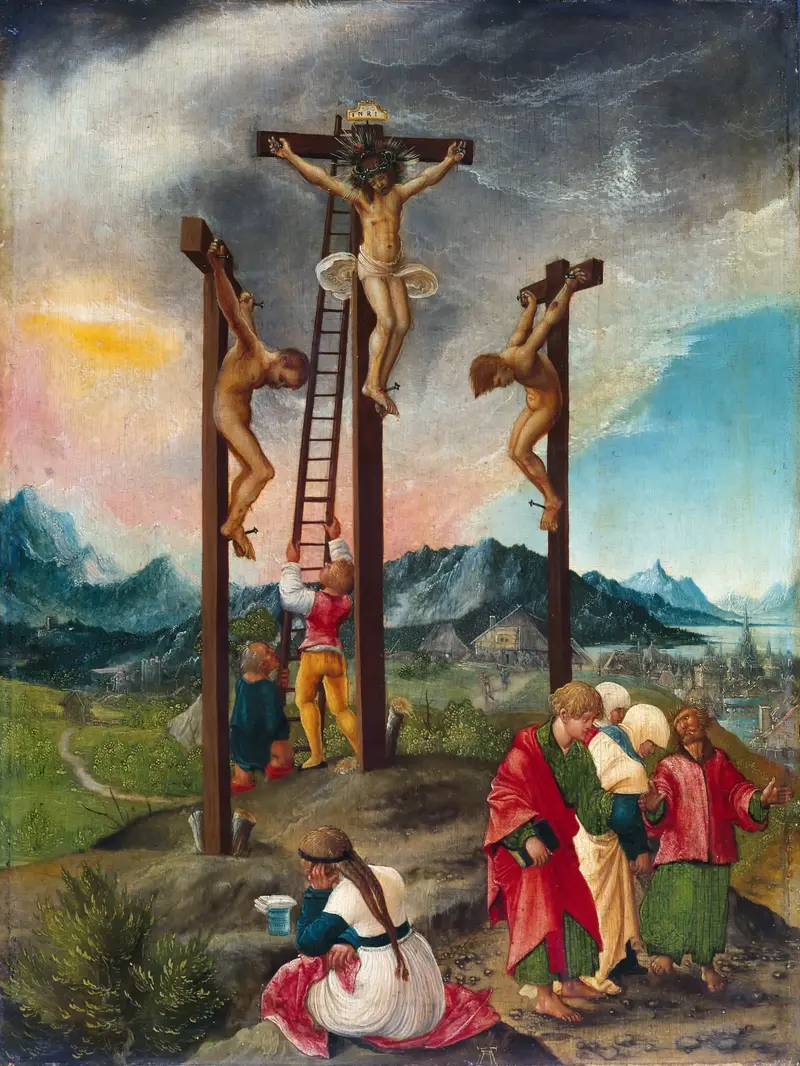
Christ on the Cross between the Two Thieves
Albrecht Altdorfer

Christ Taking Leave of his Mother
Albrecht Altdorfer
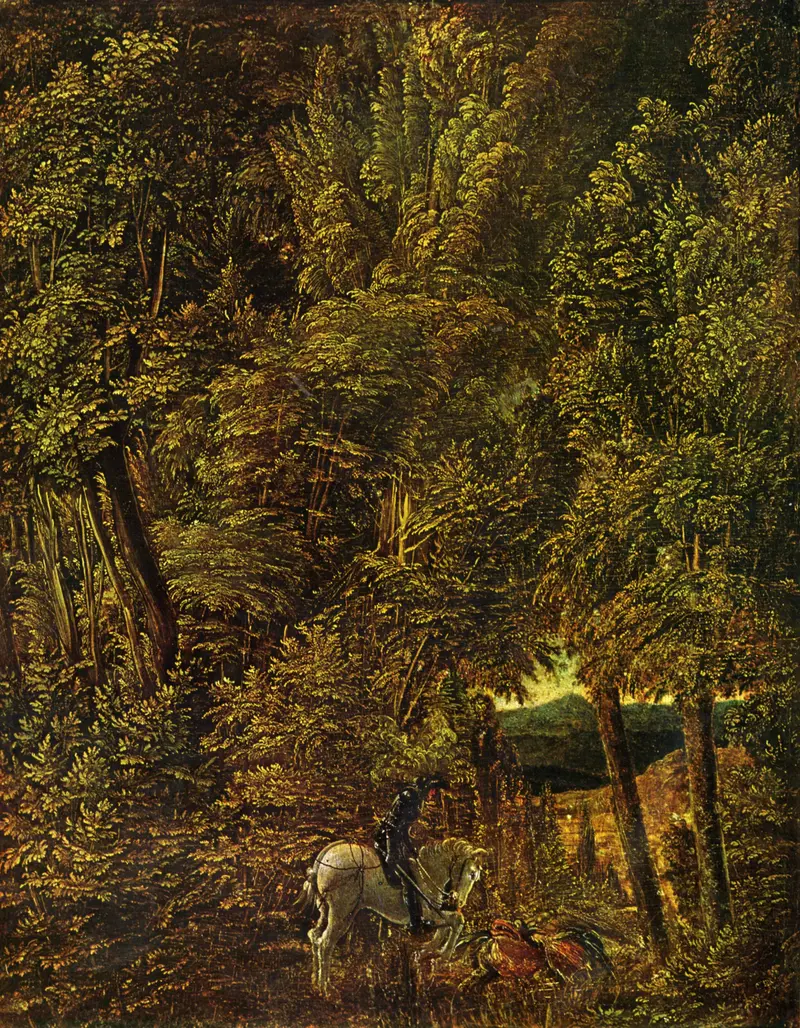
Countryside of Wood With Saint George Fighting the Dragon
Albrecht Altdorfer
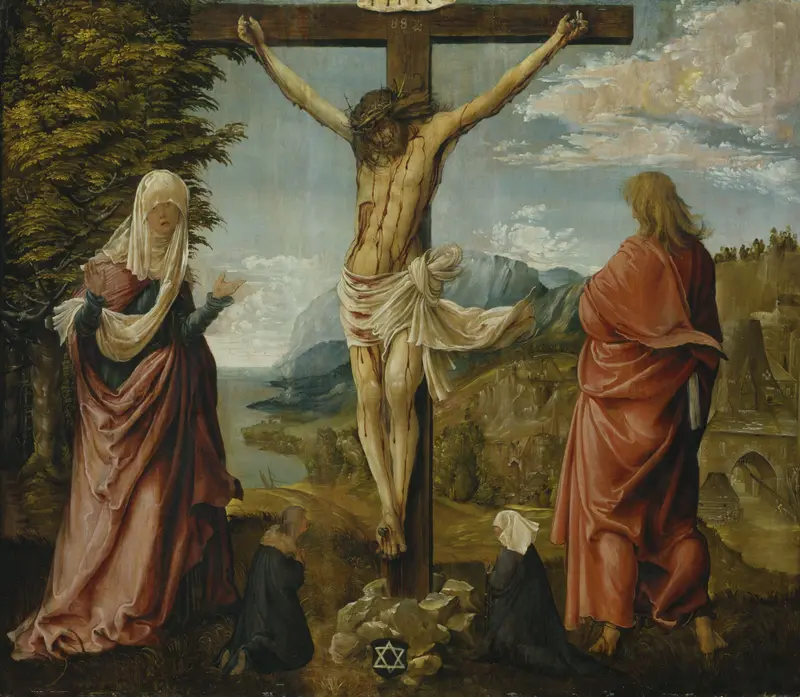
Crucifixion with Mary and John
Albrecht Altdorfer
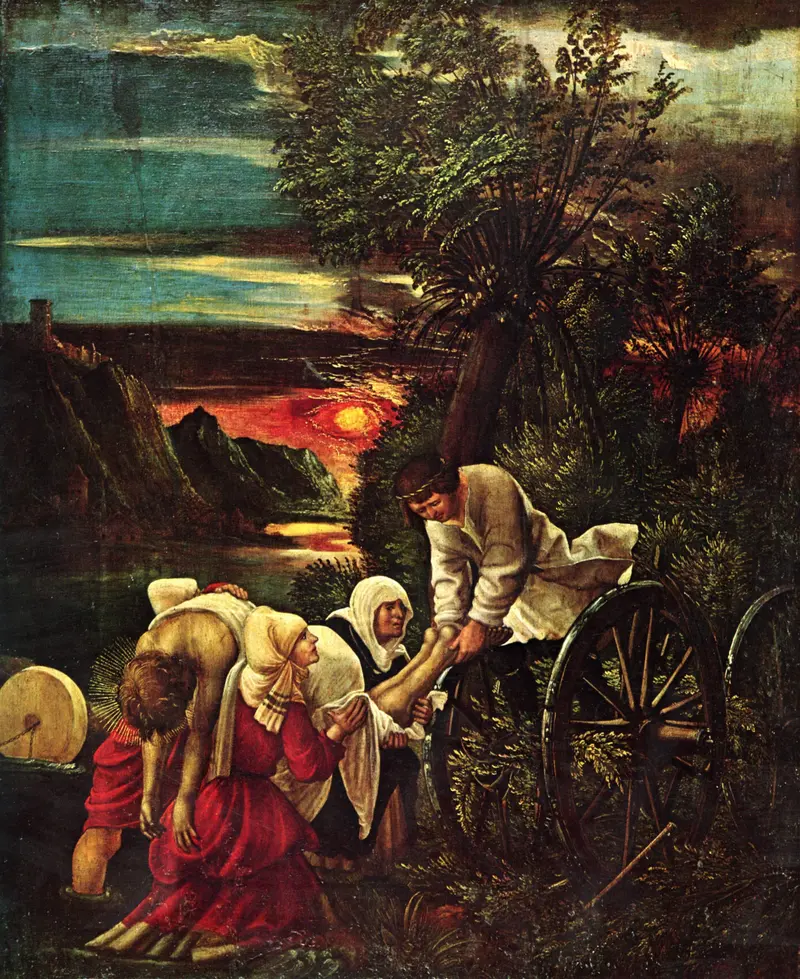
Finding of the Body of Saint Florian
Albrecht Altdorfer
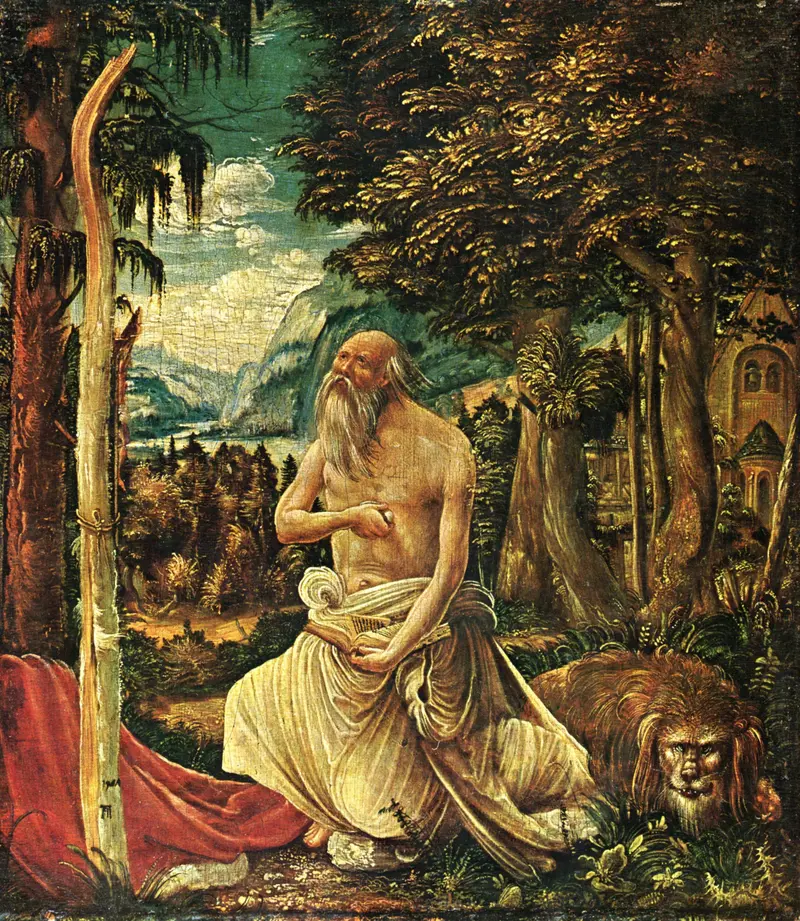
Penitent Hieronymus
Albrecht Altdorfer
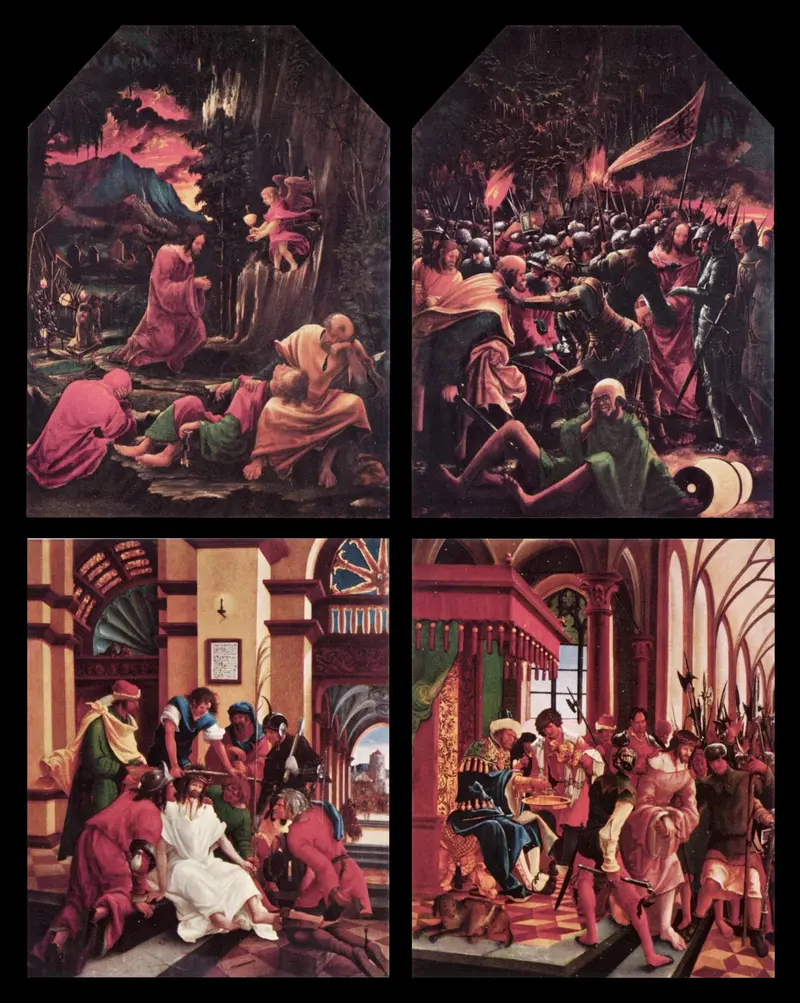
Pilate Washing His Hands by Altdorfer
Albrecht Altdorfer





