
Beheading of St. Catherine — History & Facts
What first arrests the eye here is the shaft of golden light, slicing through a dense, almost menacing forest, to fall upon a kneeling woman in brilliant red. Her calm, tilted face is framed by a delicate crown and the sweep of her gown, even as the executioner, garbed in bold stripes, raises his sword. The violence of the moment is suspended; the executioner's muscles tense, but the woman's hands are folded in prayer, her gaze steady and serene.
Every detail is charged with purpose: the jagged, broken wheel behind her, the scattered bodies, the sun’s rays that seem to sanctify the scene. The palette is both lush and severe, the contrast between the lush costume and the dark, wild landscape amplifying the sense of martyrdom. Painted by Albrecht Altdorfer between 1505 and 1510, this work belongs to a world where religious storytelling was a central force in art. Scenes of martyrdom like this were not only devotional objects but also vehicles for spiritual instruction and reflection, often commissioned by churches or wealthy patrons seeking to display both faith and status.
The early 16th century saw artists like Altdorfer infuse traditional narratives with heightened emotion and naturalistic detail, setting their figures against dramatic landscapes that echo the turmoil and hope of the era. While little is recorded about the specific journey of this painting—now documented in the gallerix.ru collection—the image itself stands as a testament to the period’s fascination with both the endurance of the saints and the power of nature as a stage for human fate. The longer you look, the more the interplay of light, costume, and gesture invites you into this charged, suspended moment.
More Artworks by Albrecht Altdorfer

Landscape with Two Pines
Albrecht Altdorfer
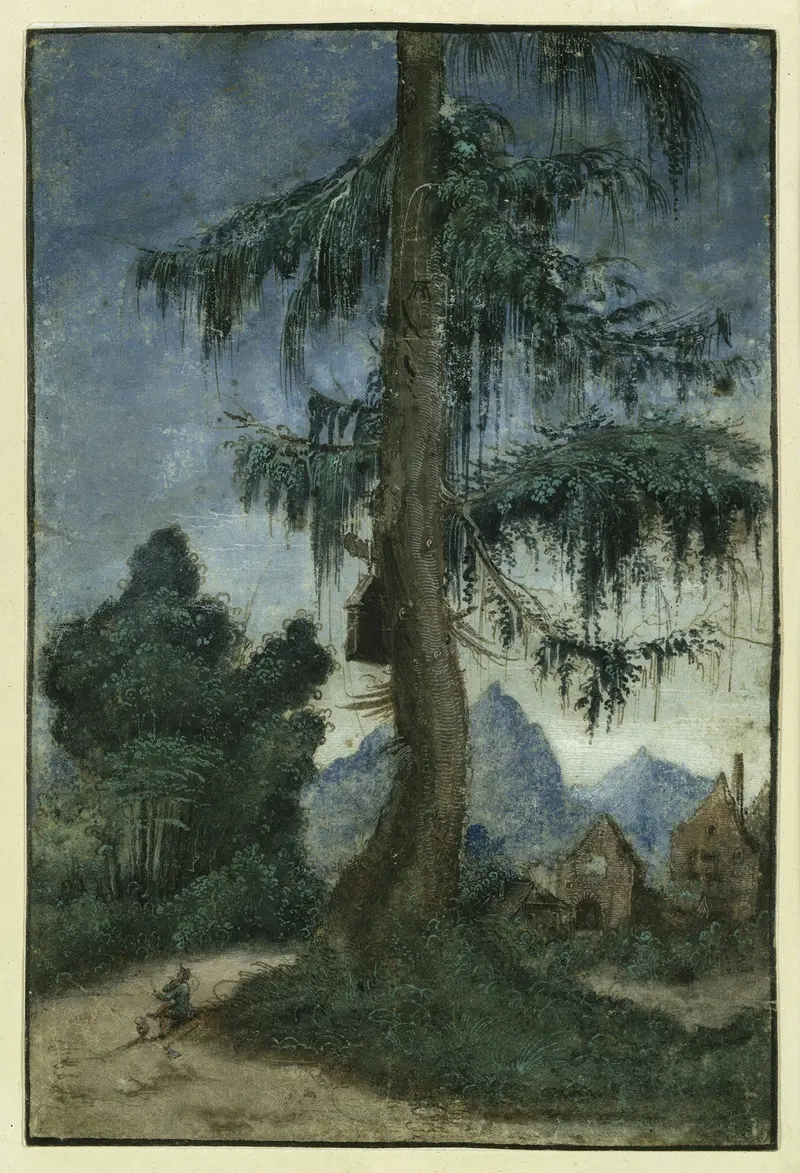
Landscape with spruce
Albrecht Altdorfer
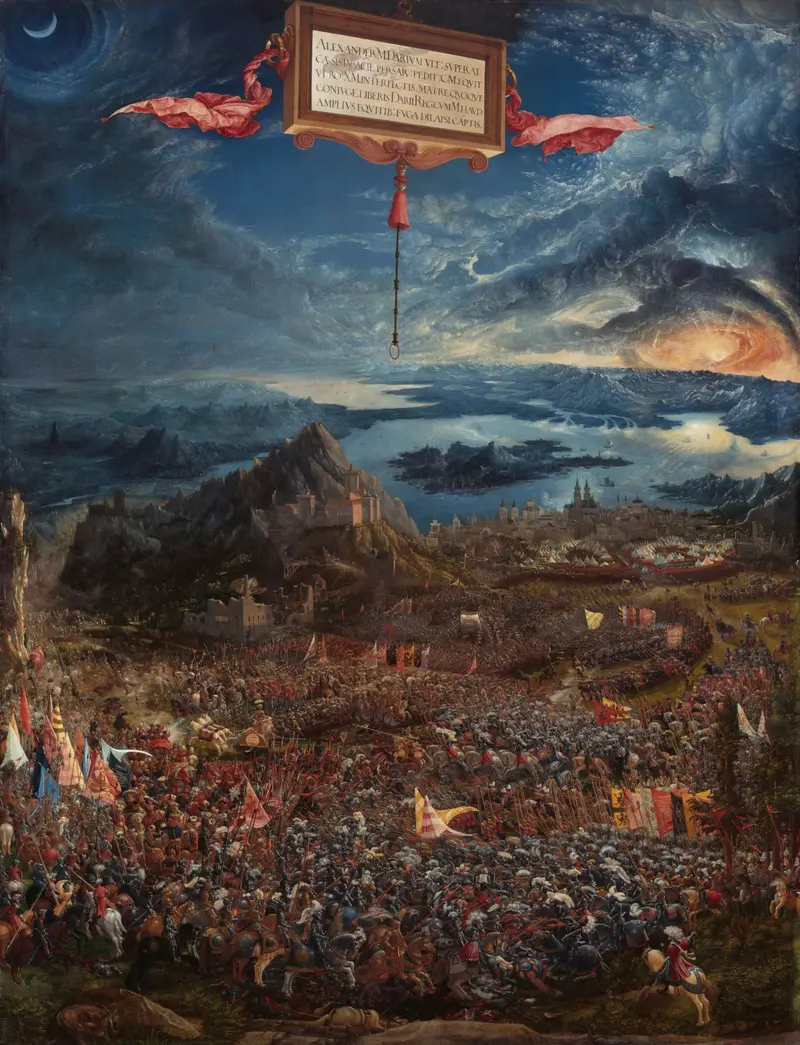
The Battle of Alexander at Issus
Albrecht Altdorfer
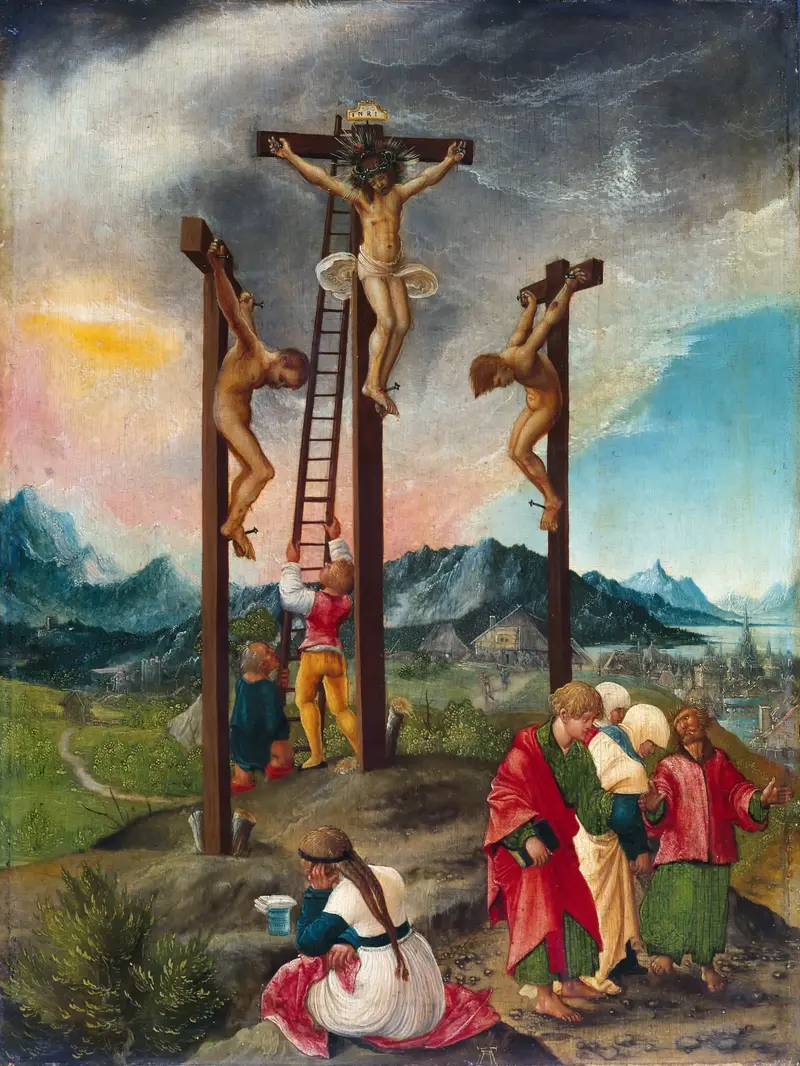
Christ on the Cross between the Two Thieves
Albrecht Altdorfer
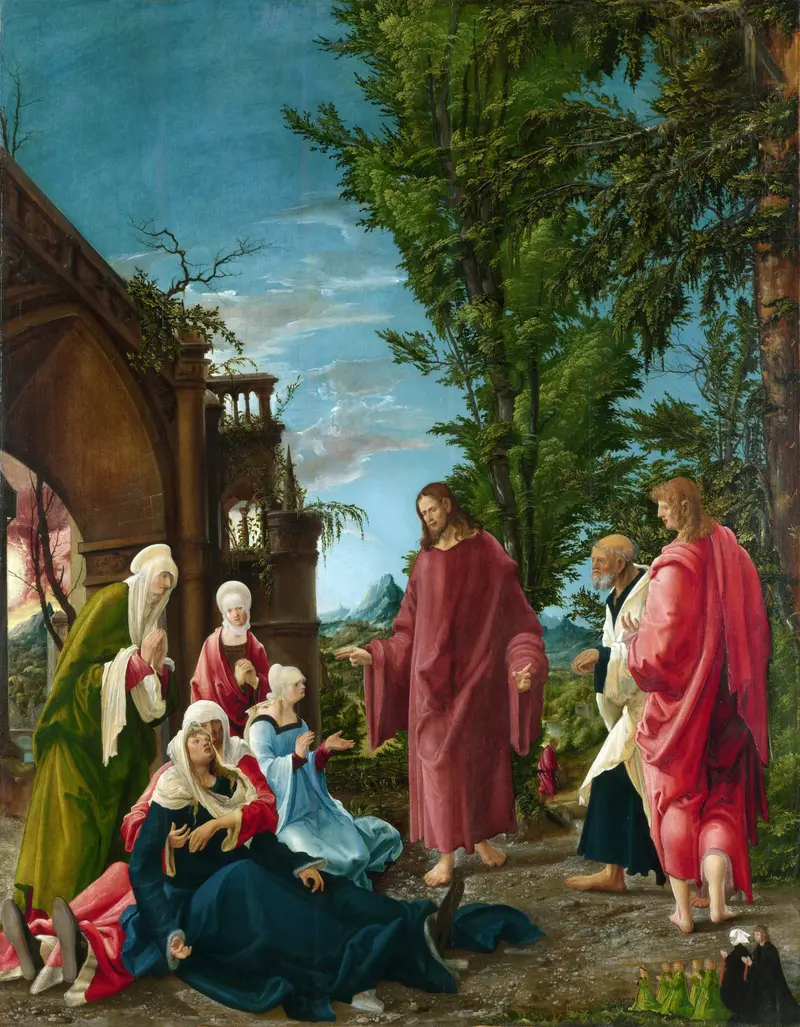
Christ Taking Leave of his Mother
Albrecht Altdorfer
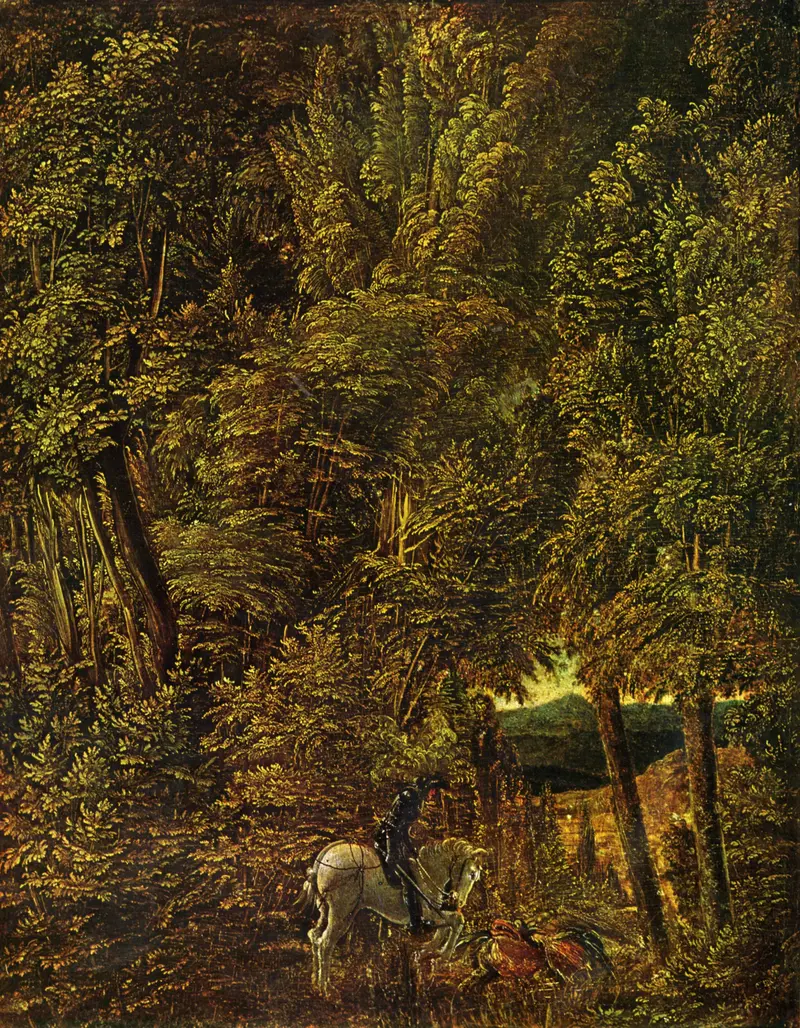
Countryside of Wood With Saint George Fighting the Dragon
Albrecht Altdorfer
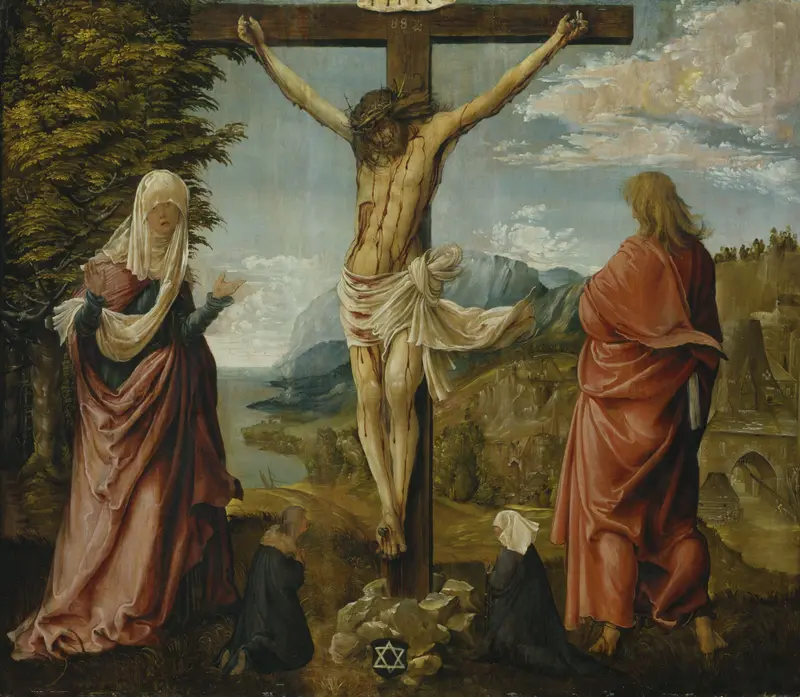
Crucifixion with Mary and John
Albrecht Altdorfer
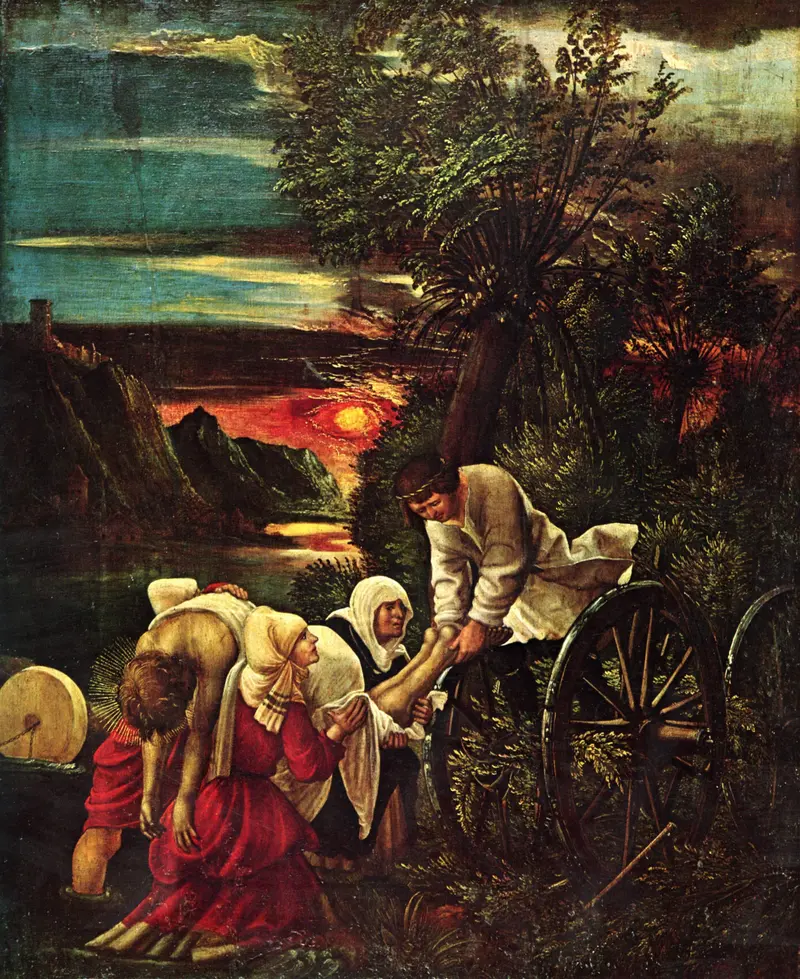
Finding of the Body of Saint Florian
Albrecht Altdorfer
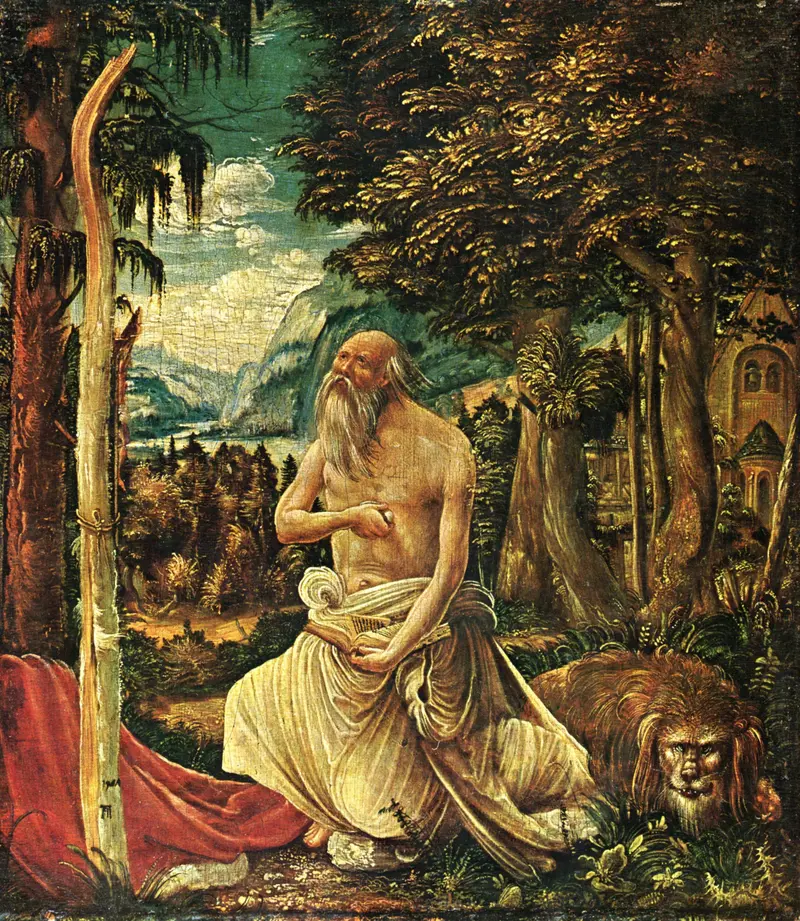
Penitent Hieronymus
Albrecht Altdorfer
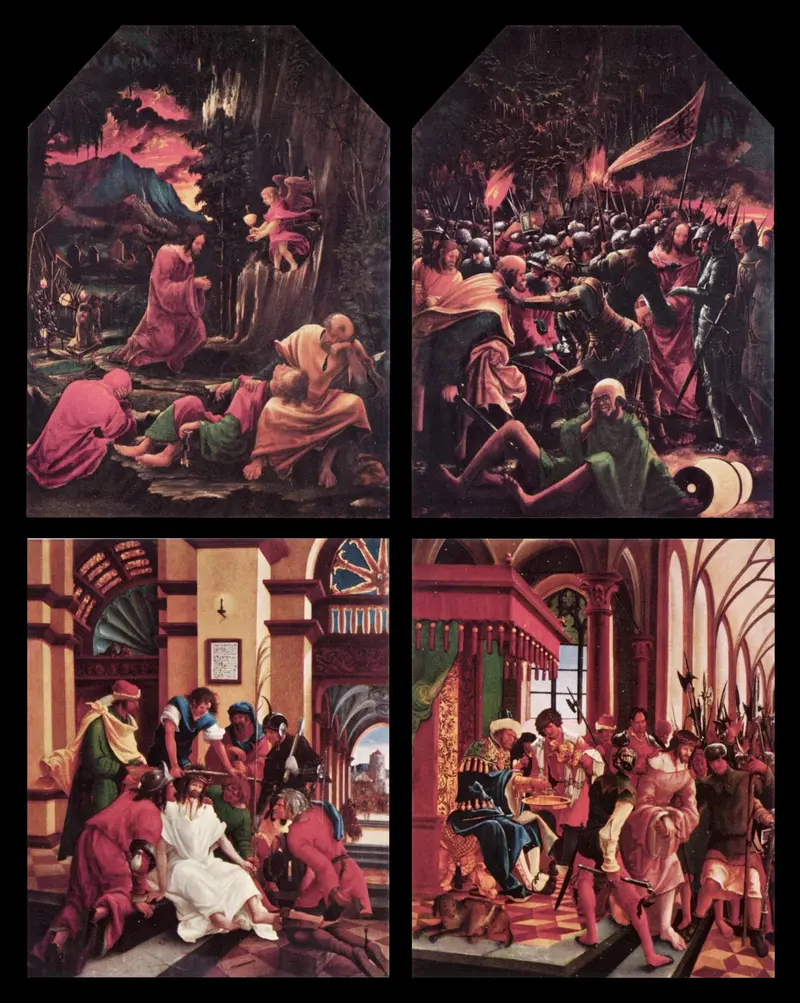
Pilate Washing His Hands by Altdorfer
Albrecht Altdorfer





