
Bei der Villerspitze — History & Facts
Who listens when art speaks of silence? In the stillness of a mountain landscape, echoes of time whisper the legacy of nature's grandeur, inviting contemplation and reflection. Focus on the majestic peaks rising sharply into the azure sky. Notice how the brushstrokes evoke texture—each stroke a testament to the artist’s meticulous attention to the interplay of light and shadow. The foreground, laden with a gentle mist, blurs the lines between earth and sky, drawing your gaze to the towering Villerspitze.
The color palette, dominated by cool blues and earthy greens, creates an atmosphere that feels both serene and monumental, encapsulating the awe-inspiring power of the mountains. Beneath the tranquil surface lies a poignant tension; the grandeur of the mountains stands in stark contrast to the delicate wisps of fog. This interplay suggests a conversation between permanence and transience—while the mountains endure, the mist hints at the ephemeral nature of existence. The composition invites viewers to contemplate their place within this timeless cycle, evoking a sense of humility in the face of nature's vastness. In 1880, Edward Theodore Compton painted Bei der Villerspitze amidst a burgeoning appreciation for alpine landscapes in Europe.
This was a period marked by the Romantic movement's influence, where artists sought to capture the sublime beauty of untamed nature. Compton, who spent much of his life in the Alps, embraced both the physical and emotional resonance of these landscapes, striving to convey their majesty while reflecting on humanity's relationship with the natural world.
More Artworks by Edward Theodore Compton
Browse all →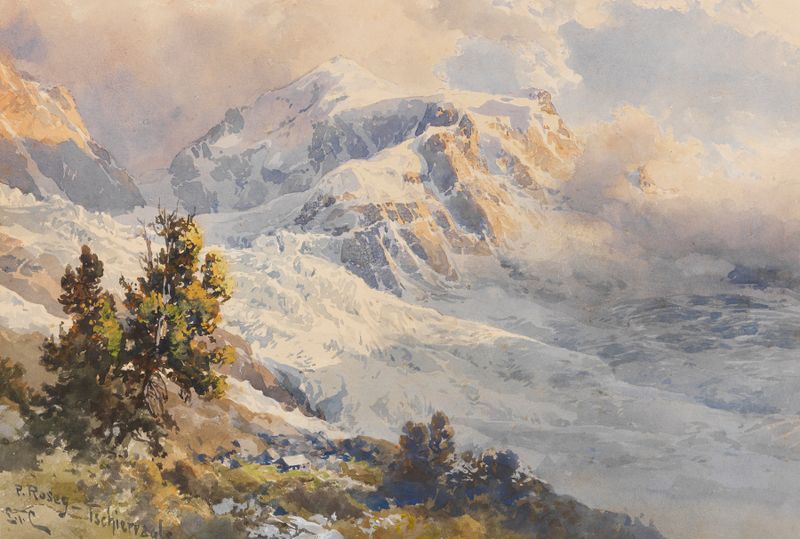
Piz Roseg – Tschiervagletscher
Edward Theodore Compton
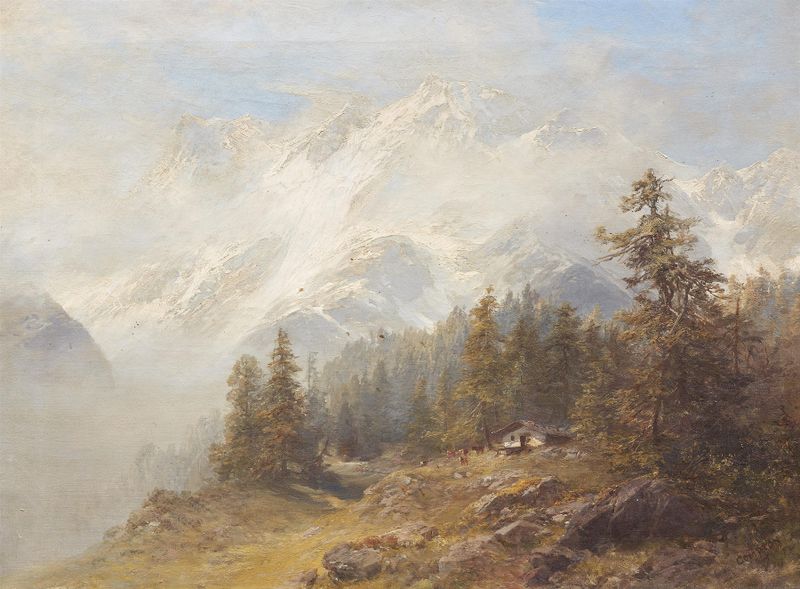
Alpenlandschaft vor schneebedecktem Massiv
Edward Theodore Compton
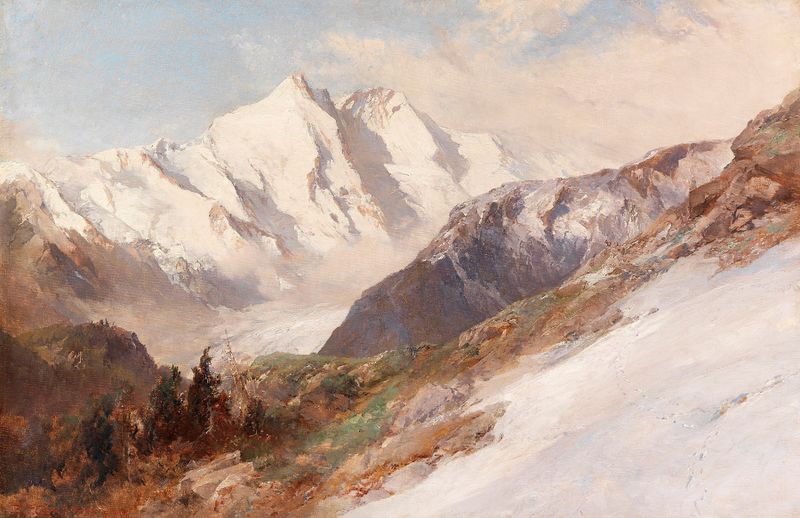
Blick auf die Nordseite des Großglockners
Edward Theodore Compton
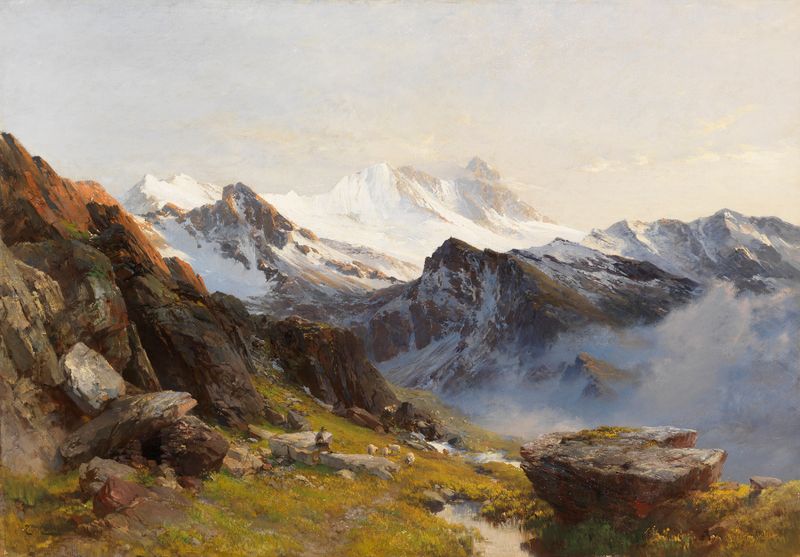
Großglockner von der Prager Hütte aus, früh
Edward Theodore Compton
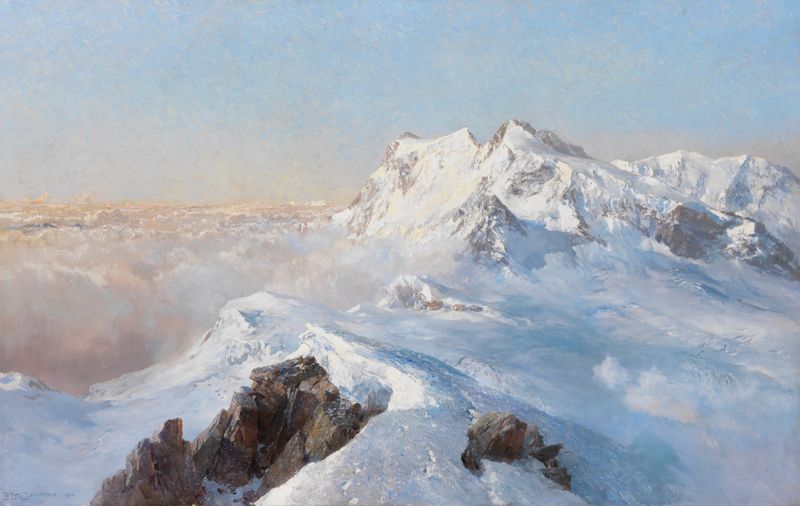
Über dem Nebelmeer (Monte Rosa vom Rimpfischhorn)
Edward Theodore Compton
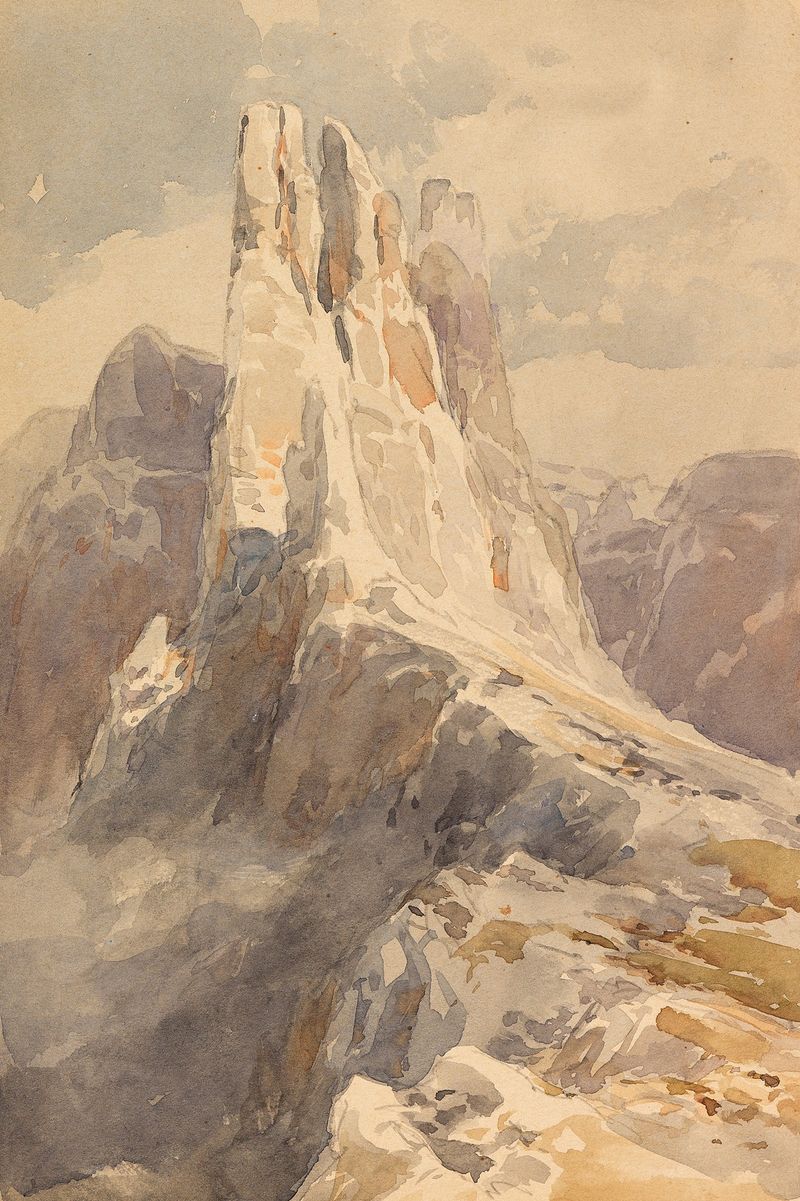
Blick auf die Vajolet-Türme in den Dolomiten
Edward Theodore Compton
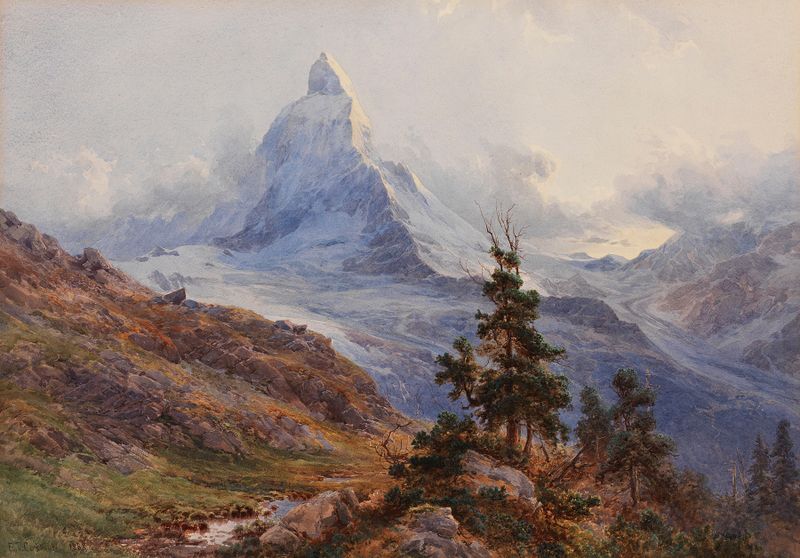
View of the Matterhorn
Edward Theodore Compton
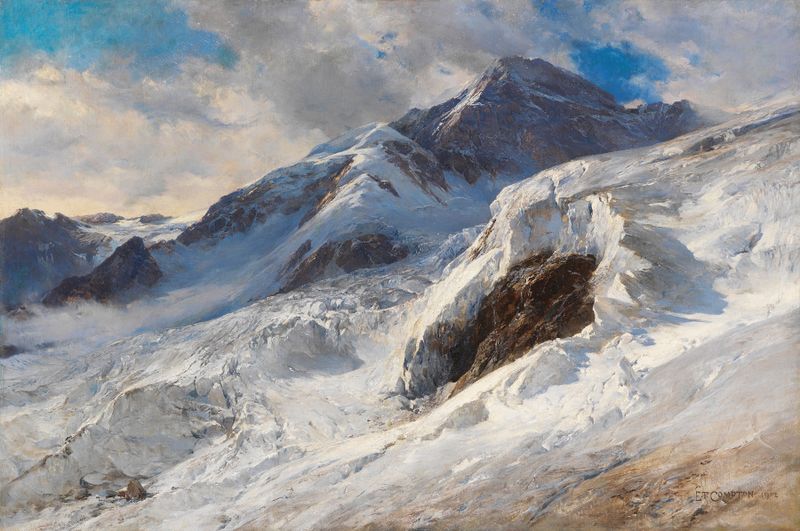
Lyskamm (Monte-Rosa)
Edward Theodore Compton
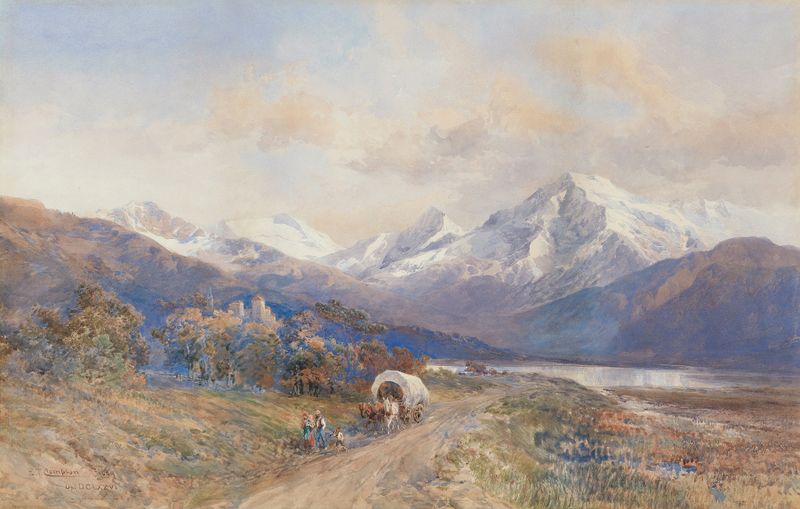
Blick auf den Ortler von St. Valentin
Edward Theodore Compton
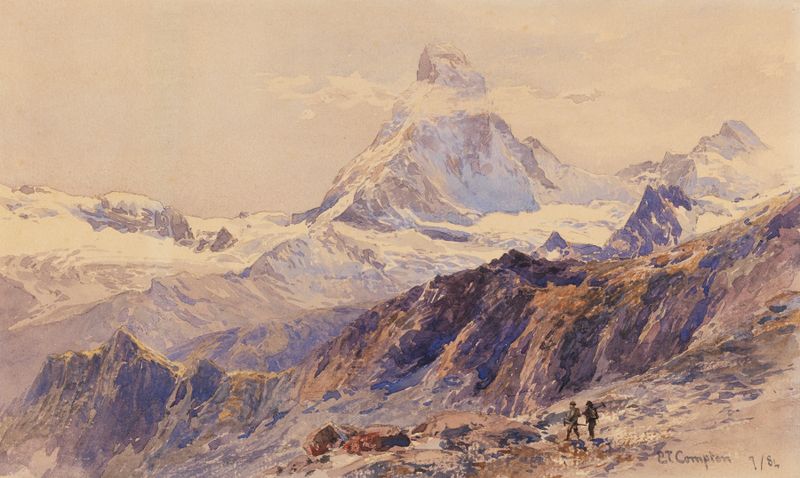
Das Matterhorn von der Triftkumme
Edward Theodore Compton





