
Bei Triest — History & Facts
In Bei Triest, light becomes a poignant vessel for memory, capturing moments that linger just out of reach. Look closely at the shimmering landscape, where the gentle interplay of warm ochres and cool blues draws your eye toward the horizon. Notice how the sun dapples the scene, casting ethereal glows over the undulating hills and reflecting off the tranquil water. The brushstrokes vary in intensity, creating depth and texture, guiding your gaze across the canvas as if you were wandering the very banks of this picturesque locale. As you explore the painting further, consider the emotional contrasts at play.
The serene beauty of the landscape belies an underlying tension—an awareness of transience, a fleeting joy suspended in time. Each brushstroke seems to whisper secrets of the past, urging you to ponder what has been cherished and lost in the passage of years. The delicate foliage and radiant light reflect a moment of profound stillness, inviting contemplation about life’s impermanence. This piece was created during a time when the artist was navigating the evolving world of the late 19th century.
Although the exact date remains unspecified, Marie Egner was active primarily in Vienna, where she contributed to the burgeoning movement of plein air painting. This style allowed her to capture the vibrant essence of nature and humanity, resonating with contemporary artists seeking to immortalize fleeting moments in a rapidly changing world.
More Artworks by Marie Egner
Browse all →
Late Summer on the Salzburger Moor near Untersberg
Marie Egner
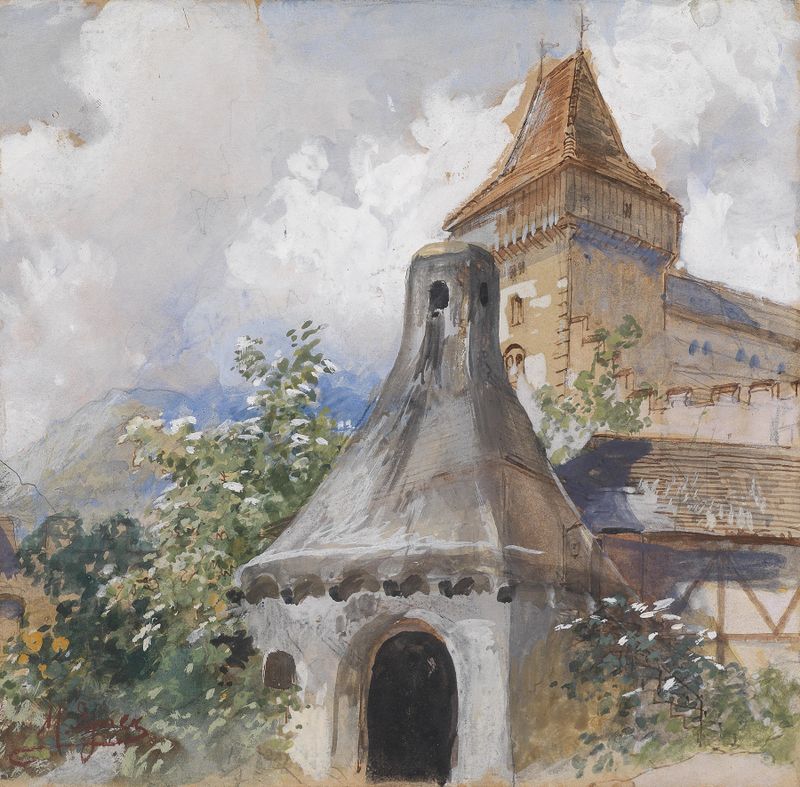
Burg und Dörrofen
Marie Egner
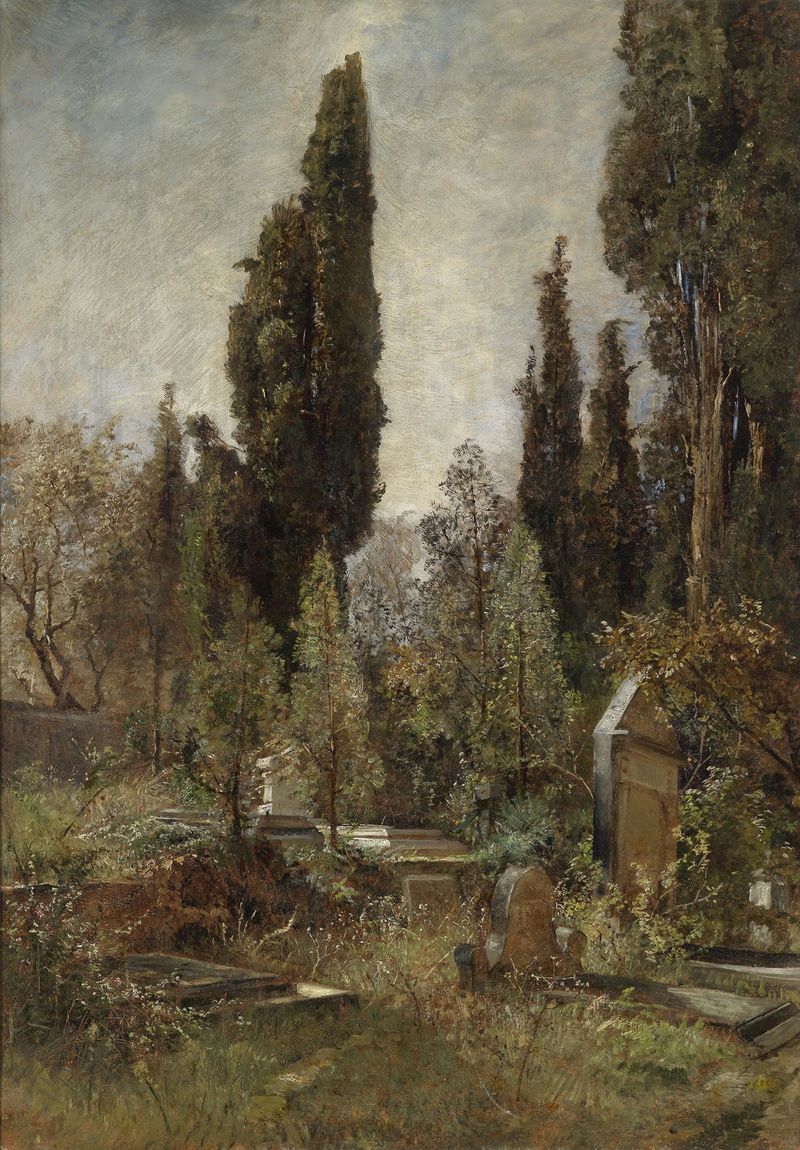
Alter Friedhof
Marie Egner

Blick gegen den Bisamberg
Marie Egner

Evening in Brittany
Marie Egner
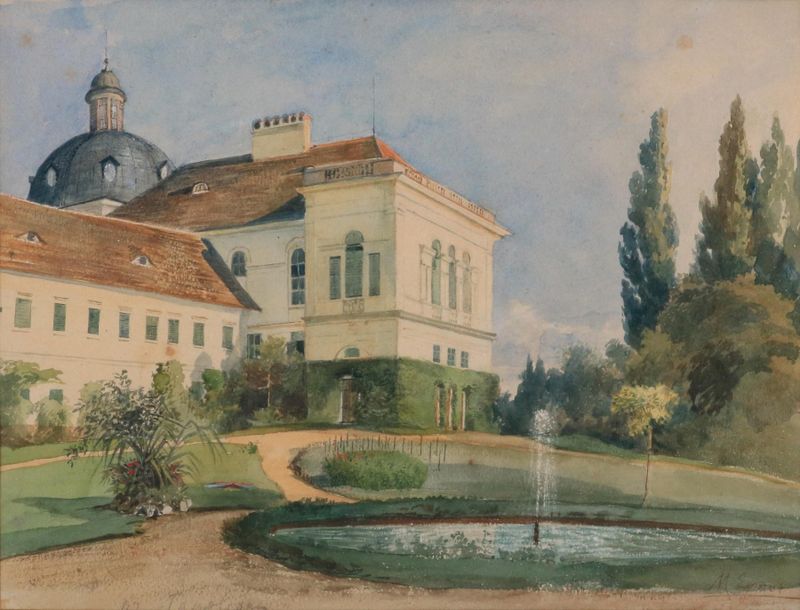
Schlosspark mit Springbrunnen
Marie Egner

A view of the courtyard at No. 8 Dreilaufergasse, 1070 Vienna
Marie Egner
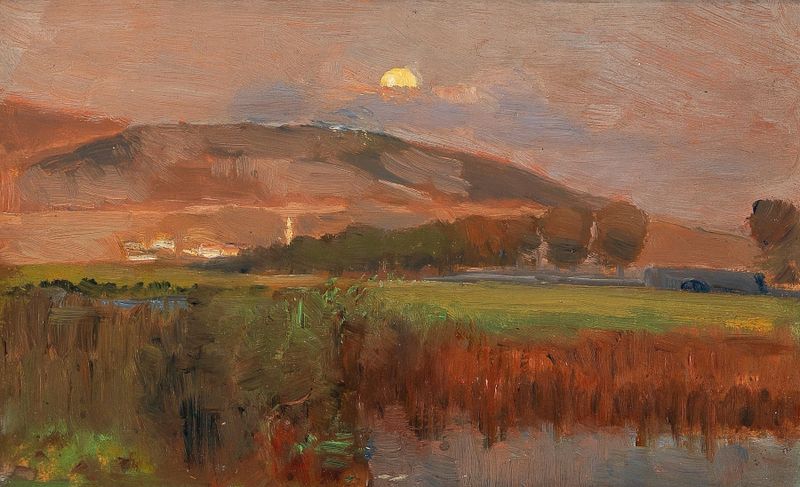
Abendstimmung
Marie Egner

Landschaftsstück
Marie Egner

Old Mill in Gastein
Marie Egner





