
Bei Zell am See — History & Facts
Where does light end, and longing begin? In Bei Zell am See, desire is captured not just in the landscape, but in the very essence of the light that dances across the canvas. Look closely at the tranquil lake nestled amidst the distant mountains; the surface shimmers with a golden hue, beckoning the eye to wander. Notice how the gentle strokes of blue and green convey a sense of serenity, while the soft pinks and yellows of the sky hint at an impending dusk. The composition skillfully draws the viewer into a world where nature is both inviting and elusive, as if whispering secrets of longing only to be felt, not explained. In every ripple on the water, a yearning is laid bare—an unfulfilled promise that resonates deeply.
The juxtaposition of the bright sky against the shadowy mountainous backdrop creates a tension between hope and melancholy. Each brushstroke tells the story of desire for connection, a search for something just beyond reach, reflecting the universal human experience of yearning for what we cannot have. Emil Barbarini painted Bei Zell am See in 1878 during a time of personal exploration and artistic growth. Living in a period characterized by the rise of Impressionism, he sought to capture the transient effects of light on landscapes.
As his contemporaries experimented with new techniques, Barbarini embraced these shifts while drawing inspiration from the natural beauty surrounding him in Austria, aiming to express both the external world and his internal landscape of emotions.
More Artworks by Emil Barbarini
Browse all →
Blick auf den Dobratsch
Emil Barbarini
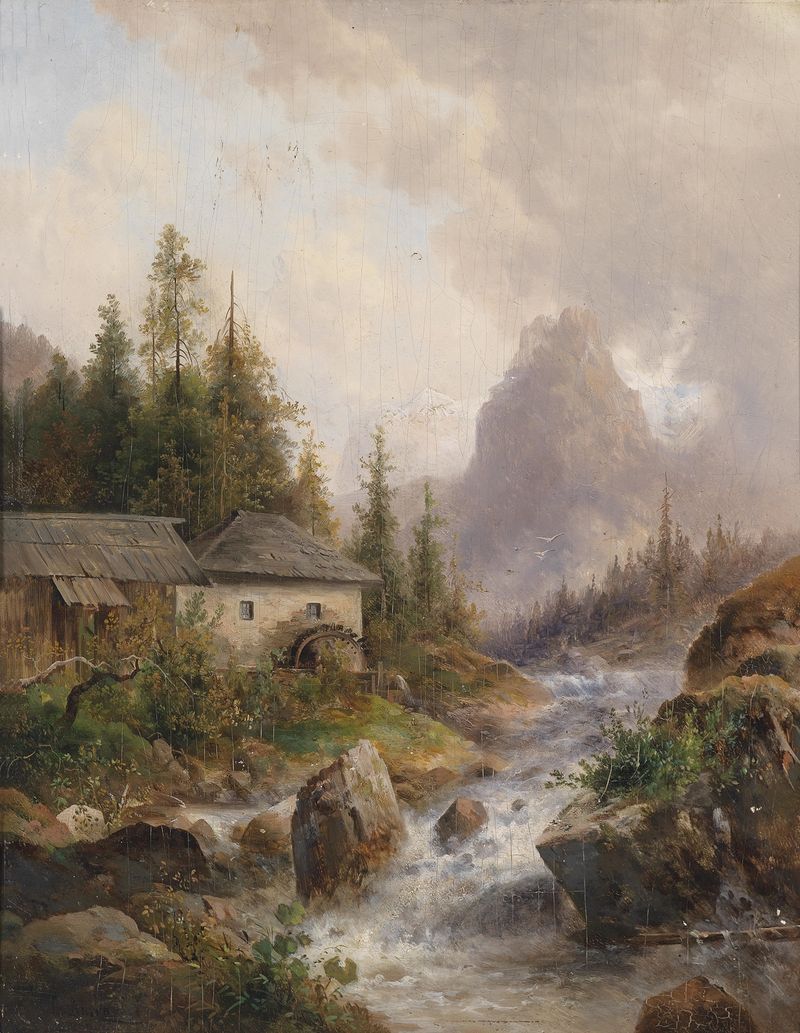
Mühle aus dem Hollthall
Emil Barbarini

Market before the Church of St. Charles, Vienna
Emil Barbarini

A flower market in Paris
Emil Barbarini

Der Haider See
Emil Barbarini
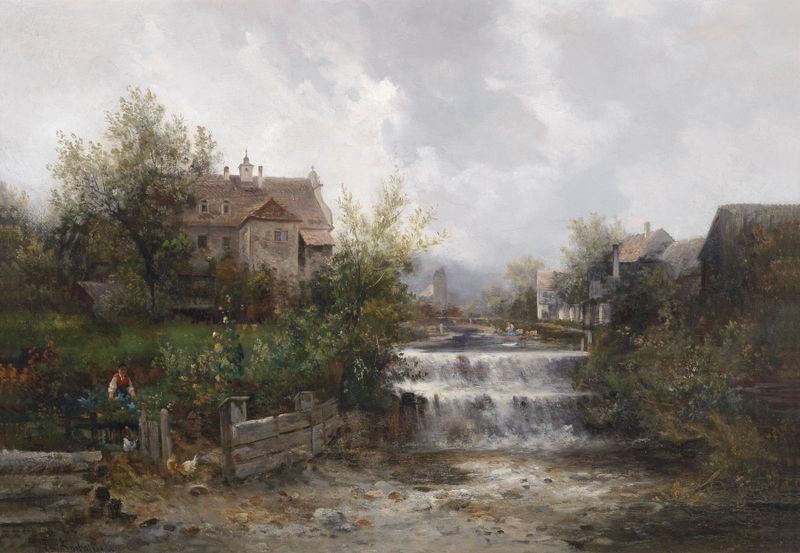
Motiv aus Zell an der Ybbs
Emil Barbarini

On the boulevard
Emil Barbarini
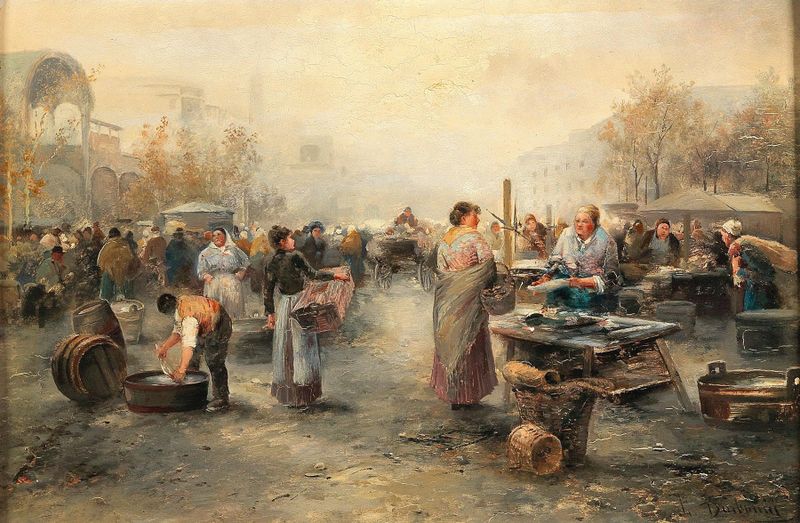
Fish Market
Emil Barbarini
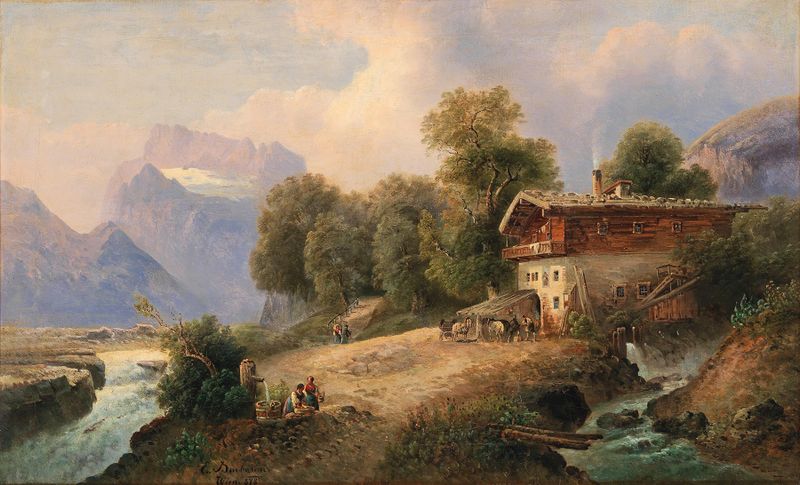
Bei Berchtesgaden
Emil Barbarini

Farmers with cattle
Emil Barbarini





