
Belebte Hochalm mit Blick auf Alpengipfel — History & Facts
In the stillness of the high alpine, where every blade of grass and peak is soaked in history, a revolution of nature unfolds. Time seems suspended as the vibrant landscape beckons the viewer to reflect on the life captured within its serene depths. Here, the artist intertwines the power of the land with an evocative silence that whispers of change. Look to the foreground, where a cluster of figures meander through the lush expanse of the meadow, their forms painted with delicate brushstrokes that show movement yet retain a stillness.
The soft greens and rich browns contrast beautifully with the crystalline blue sky, while the distant mountain range looms majestically in the background. Notice how the light dances upon the tops of the peaks, illuminating their jagged edges, invoking a sense of awe and reverence for the natural world. The composition balances the human presence against the overwhelming grandeur of nature, creating a harmony that is both inviting and awe-inspiring. As you study the painting further, consider the tension between the tranquility of the alpine scene and the undercurrents of societal upheaval during the time it was created.
The figures, seemingly absorbed in their pastoral surroundings, hint at a longing for connection to the land amidst the shifting tides of modernity. The vibrant colors, while celebrating the beauty of nature, also symbolize resilience, suggesting that even amidst revolution, life continues to thrive and flourish. In 1858, the artist captured this landscape during a period marked by significant socio-political change in Europe. At this time, the artistic movements were shifting toward realism, and Barbarini was exploring themes of nature as a refuge from the turmoil of the industrial age.
He sought to evoke a sense of peace and continuity in a rapidly transforming world, making Belebte Hochalm mit Blick auf Alpengipfel not just a painting, but a poignant reflection of his era.
More Artworks by Gustav Barbarini
Browse all →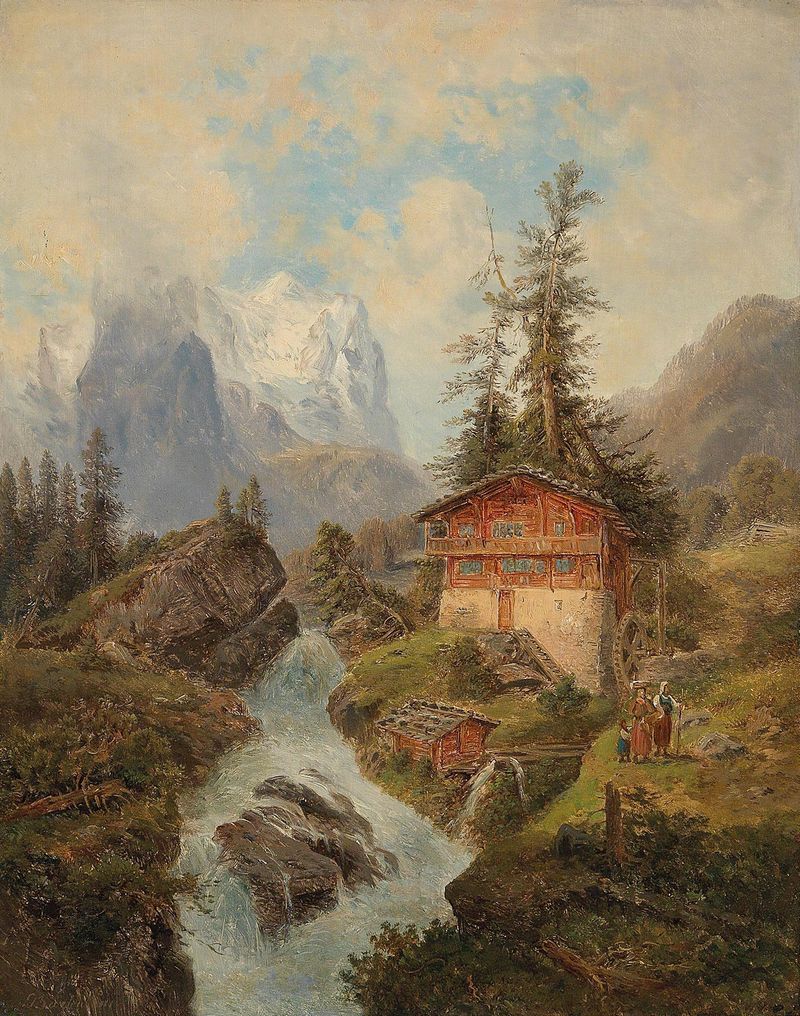
Das Wetterhorn
Gustav Barbarini
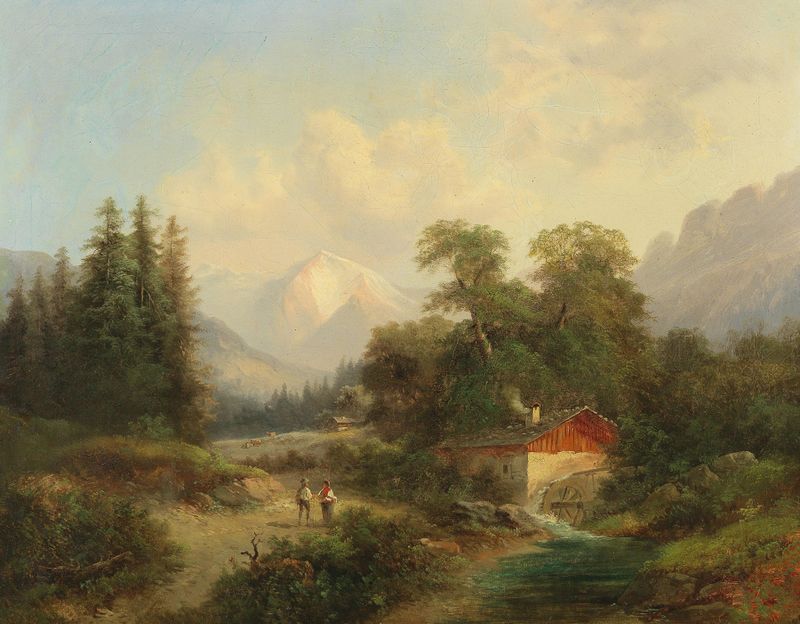
View of the Breite Riss, Puchberg in the Schneeberg Region
Gustav Barbarini
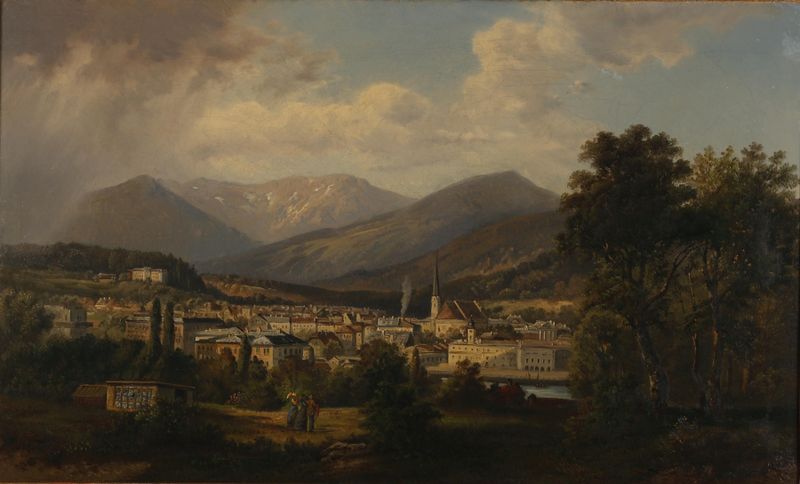
Blick auf Bad Ischl
Gustav Barbarini
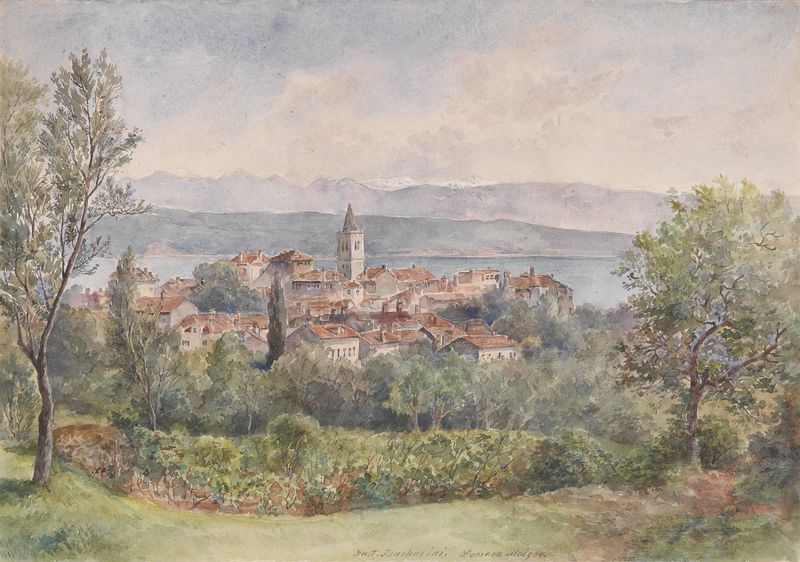
Blick auf Lovran
Gustav Barbarini
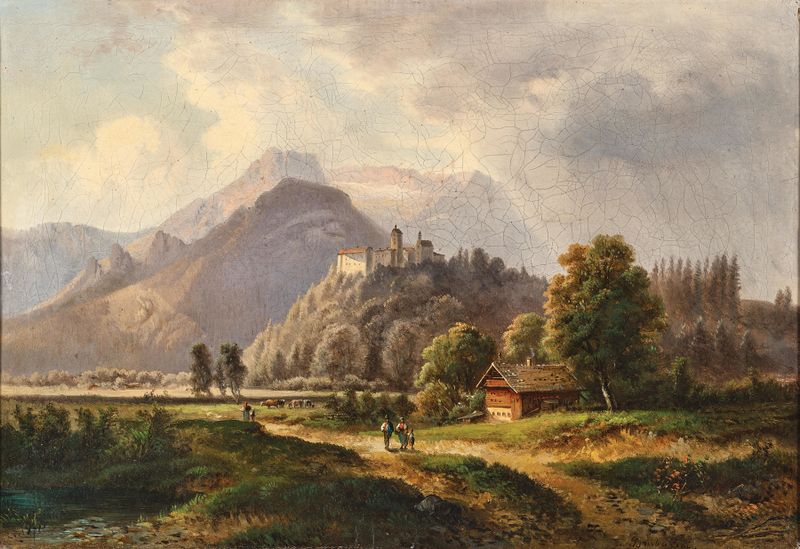
A View of the Glanegg Castle Ruins
Gustav Barbarini
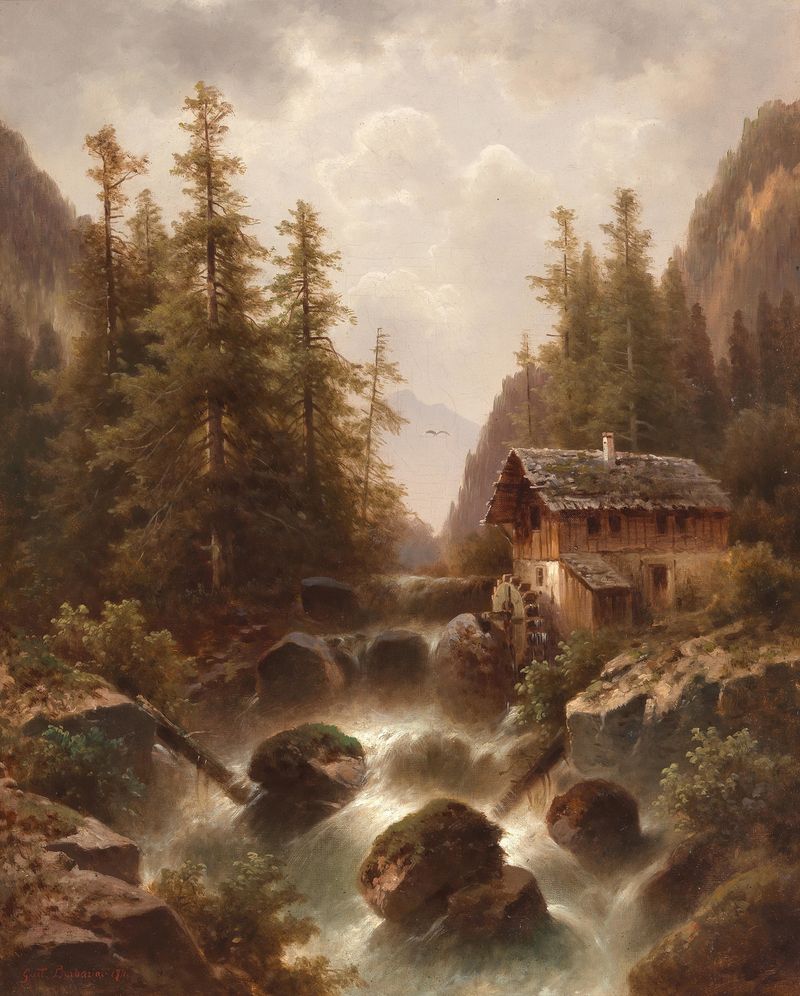
A Mill by a Mountain Torrent
Gustav Barbarini
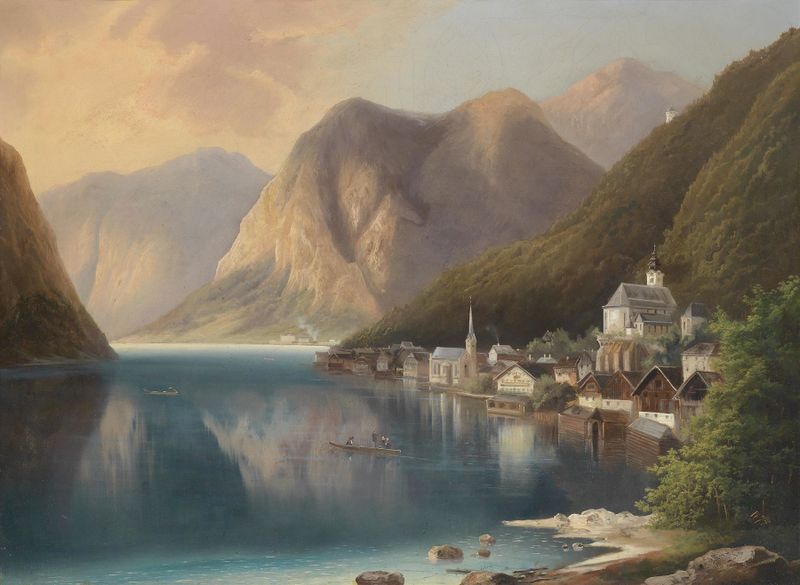
Blick auf Hallstatt
Gustav Barbarini
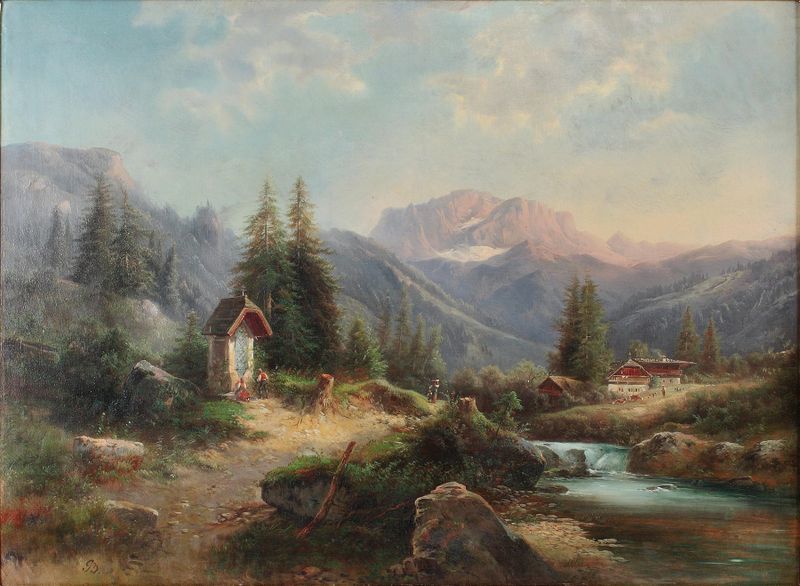
Bachlandschaft mit Figurenstaffage
Gustav Barbarini
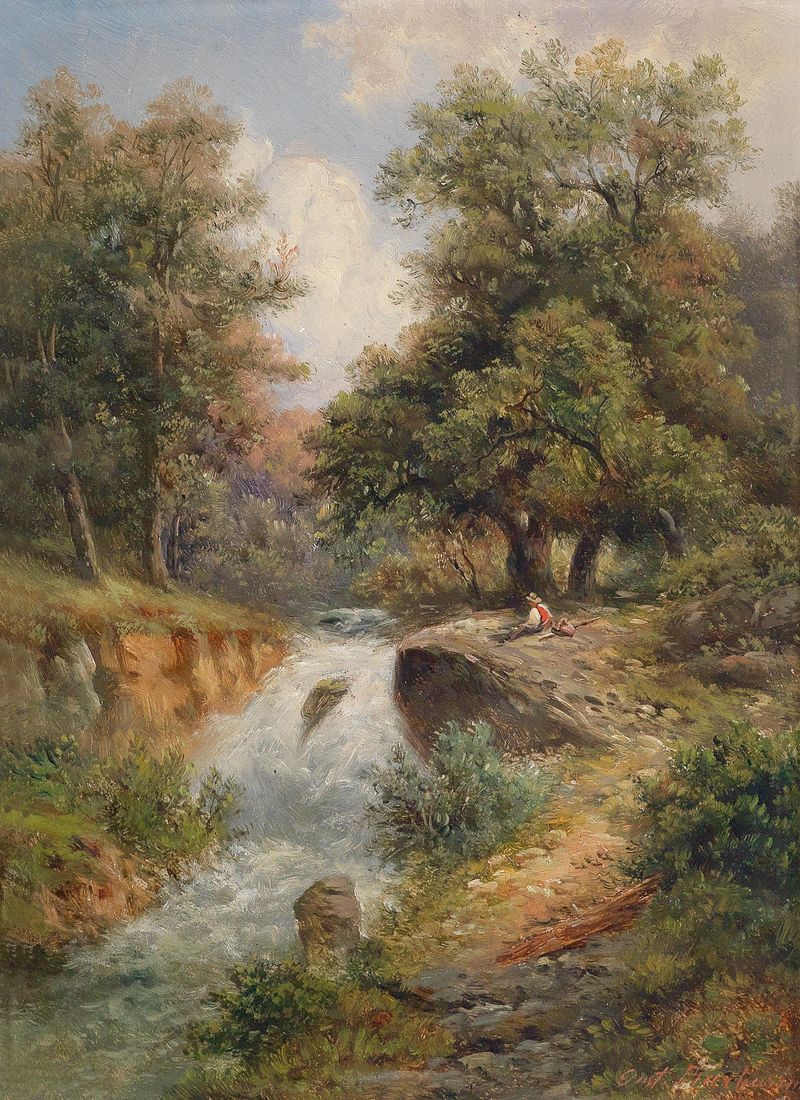
Wasserfall in Tirol in Windisch-Matrei
Gustav Barbarini
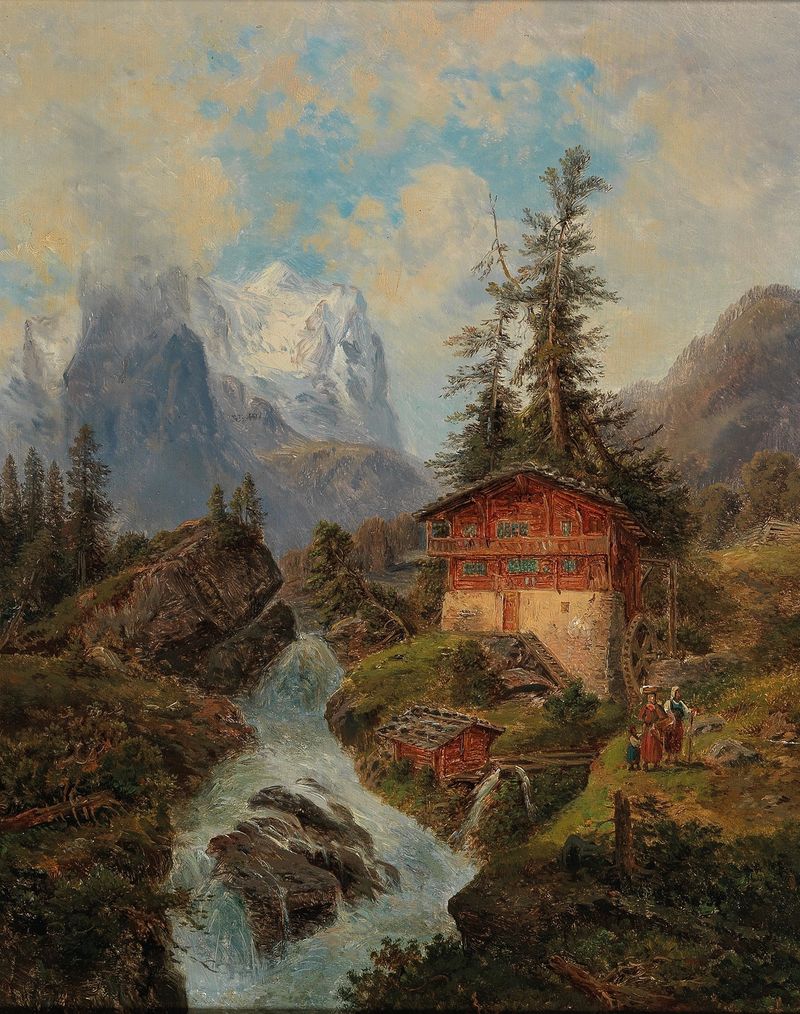
Das Wetterhorn in der Schweiz
Gustav Barbarini





