Bell-shaped cup with flower sprays — History & Facts
Can beauty exist without sorrow? In the delicate curves of porcelain, one finds a whisper of nostalgia, a reminder of fleeting moments encased in time. Look closely at the bell-shaped cup, where vibrant flower sprays dance across the surface, their colors a vivid testament to craftsmanship. The fine details of the blooms, intricately painted, draw the eye immediately to the center, guiding you through a kaleidoscope of hues. Notice how the soft glaze catches the light, imparting a subtle sheen that enhances the cup's elegance, while the gentle contours create a sense of intimacy and warmth. Yet, within this beauty lies a poignant contrast—the cup’s ornate exterior belies its utilitarian purpose.
Each flower, a symbol of the transitory nature of life, evokes a deeper sense of longing. The delicate craftsmanship serves as both a celebration of artistry and a reminder of impermanence. As the eye scans the piece, it becomes evident that every brushstroke carries with it a history, a story of joy intertwined with inevitable loss. Created between 1700 and 1724, this artwork reflects a time when porcelain was highly sought after in Europe, largely influenced by the trade with Asia.
The unknown artist was part of a vibrant community exploring the limits of decorative arts, amid cultural exchanges that shaped European tastes. The intricate designs on this cup reveal not just aesthetic intentions but also a rich tapestry of historical context, capturing the essence of an era defined by both beauty and transition.
More Artworks by Unknown Artist
Browse all →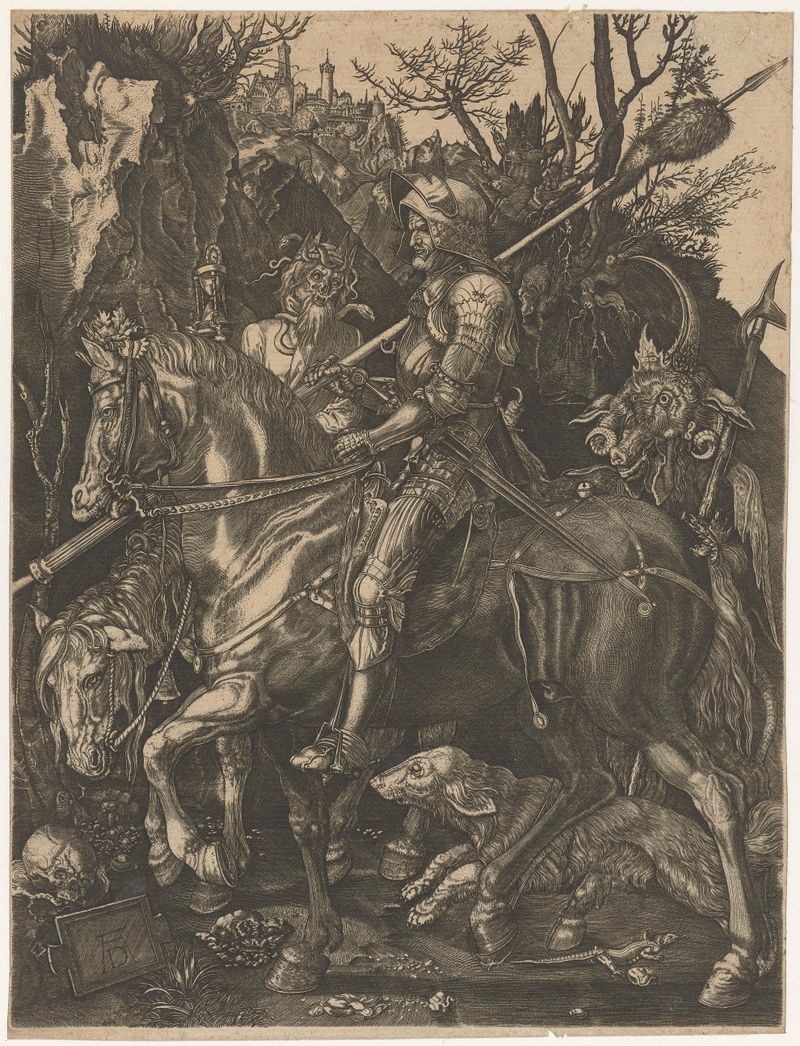
Ridder, Dood en Duivel
Unknown Artist
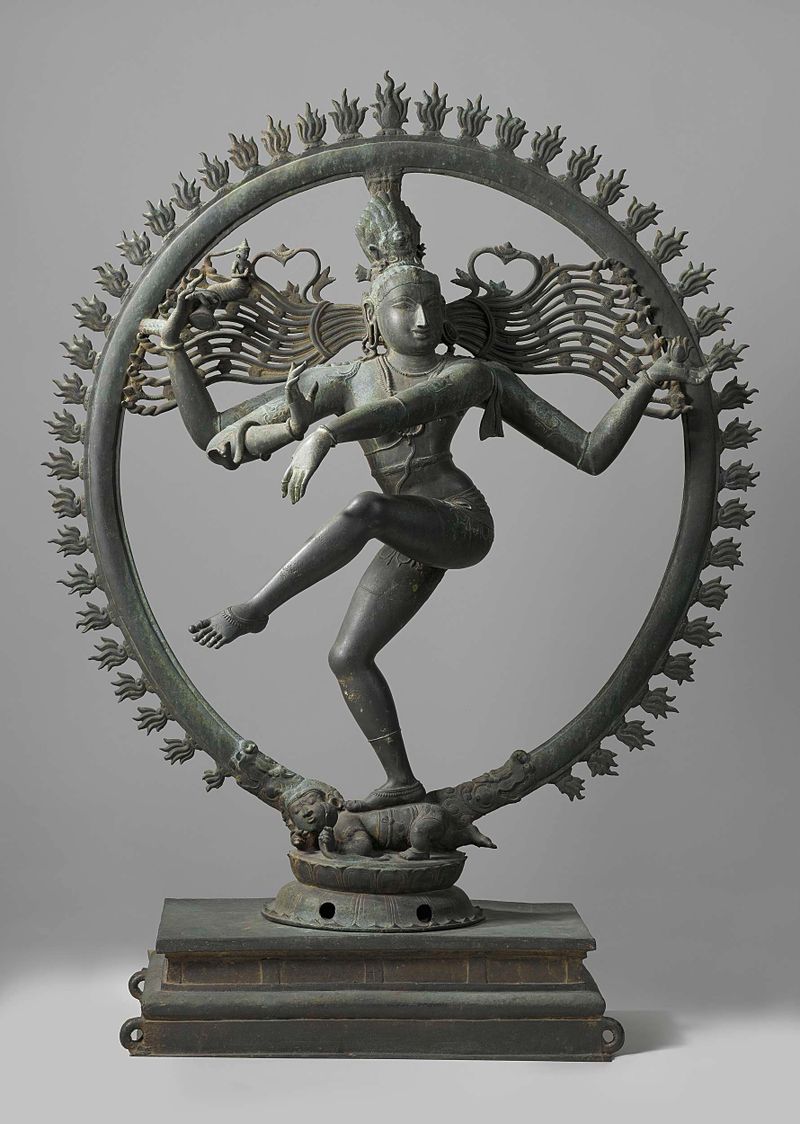
Shiva Nataraja
Unknown Artist
Portrait of Elizabeth I, Queen of England
Unknown Artist
Dolls’ house of Petronella Oortman
Unknown Artist
Shiva Nataraja
Unknown Artist

The Tale of Genji
Unknown Artist

The Tale of Genji
Unknown Artist
Cong
Unknown Artist
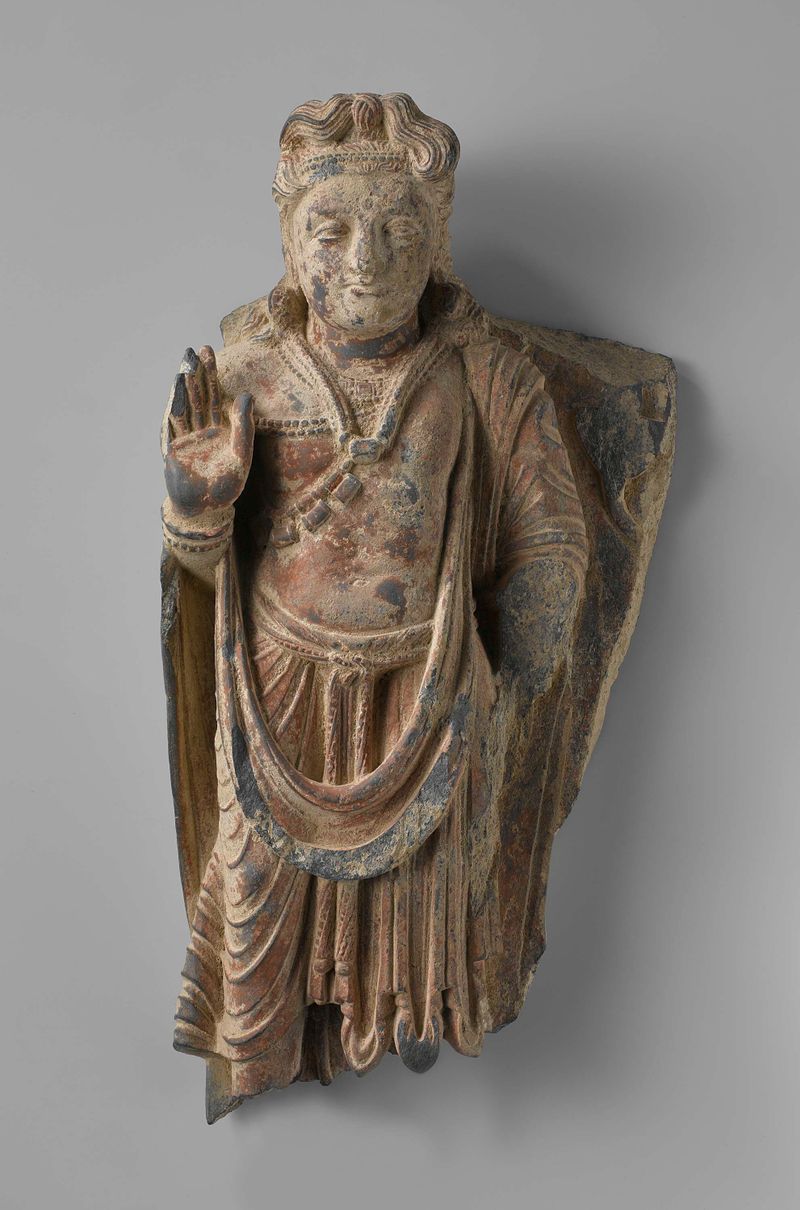
The bodhisattva Maitreya
Unknown Artist
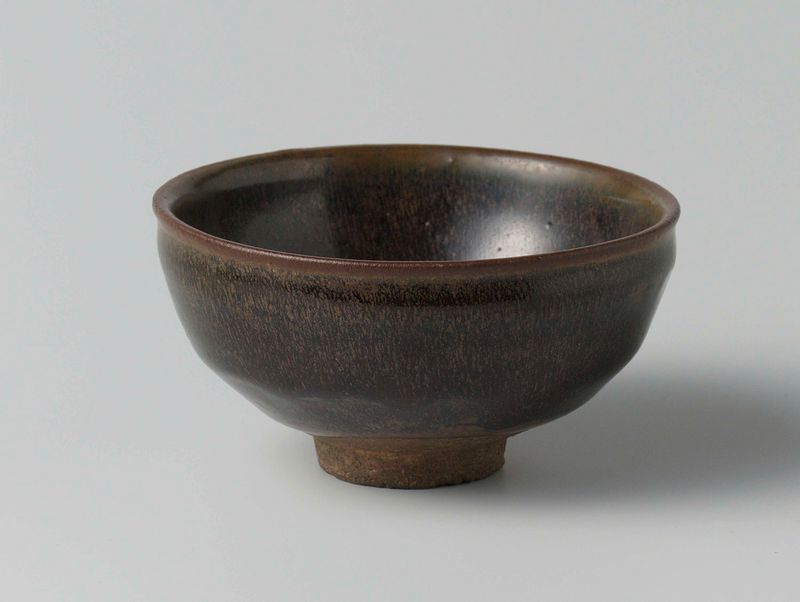
Teabowl with a 'hare's fur' glaze
Unknown Artist