
Ben Arthur, Scotland — History & Facts
Is this a mirror — or a memory? The ethereal quality of reflection blurs the line between the tangible and the ephemeral, inviting contemplation of our own illusions. Focus on the calm waters in the foreground, where the tranquil surface mirrors the rugged peaks of Ben Arthur. Notice how the soft, muted colors blend seamlessly, creating an almost dreamlike atmosphere. The artist skillfully employs delicate brushstrokes to depict the texture of the mountains, while dappled light dances upon the water, inviting the viewer to linger in this serene moment.
Each element feels intentional, with the harmony of earth and sky evoking a profound sense of belonging. Yet beneath this idyllic landscape lies a tension between reality and perception. The mirrored reflection creates a paradox — what is seen is both real and illusory, prompting questions about our own memories and experiences. The painting serves as a reminder of how nature can transcend time, each glance pulling us deeper into our own reflections, as if the canvas itself is a vessel of longing or nostalgia. In 1884, when this work was completed, Sir Frank Short was immersed in the Pre-Raphaelite movement, seeking to capture the beauty of the natural world with precision and depth.
Living in England, he was influenced by the Romantic ideals that celebrated nature as both a muse and a mirror of the human experience. This masterpiece reflects not only his technical prowess but also the broader artistic movements of his time, where illusion and reality danced hand in hand.
More Artworks by Sir Frank Short
Browse all →
Morning Haze in Chichester Harbor
Sir Frank Short
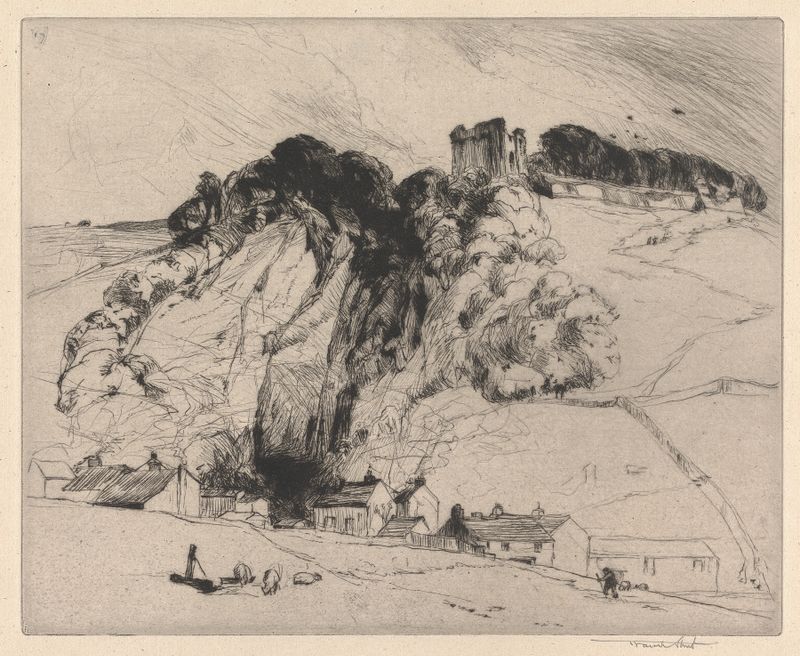
Peveril’s Castle, Derbyshire
Sir Frank Short
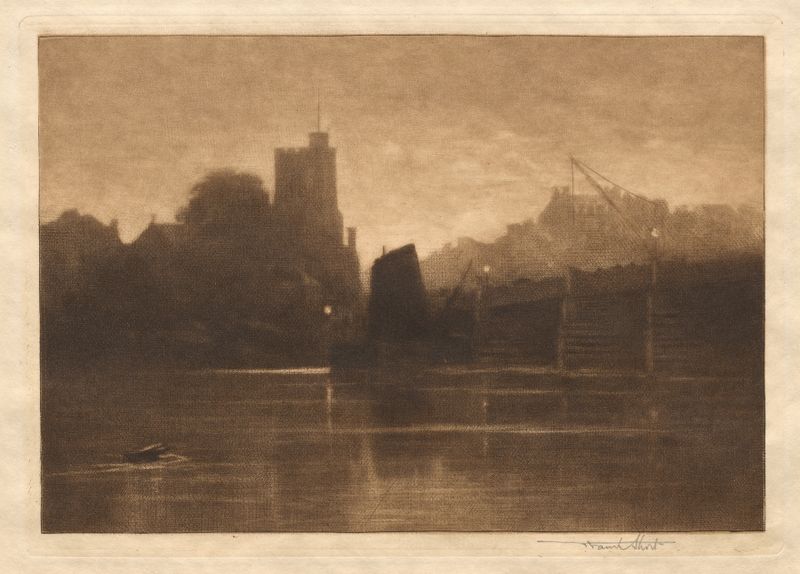
Ebb Tide, Putney Bridge
Sir Frank Short
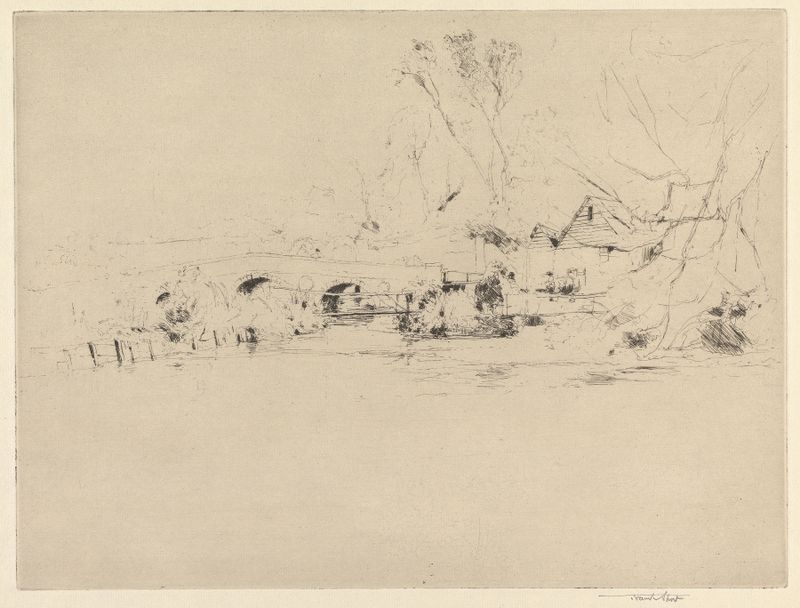
Old Mill on the Wandle, at Mitcham
Sir Frank Short

Moonlight on the Medway at Chatham
Sir Frank Short

Parkgate
Sir Frank Short
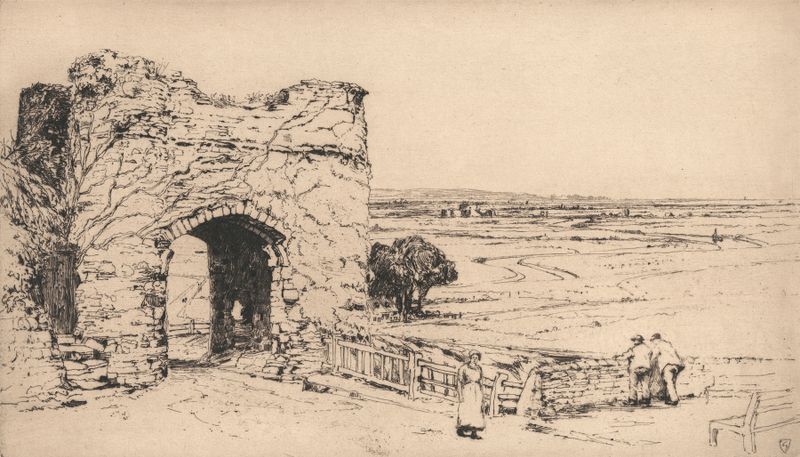
The Strand Gate, Winchelsea
Sir Frank Short

Bridgenorth
Sir Frank Short
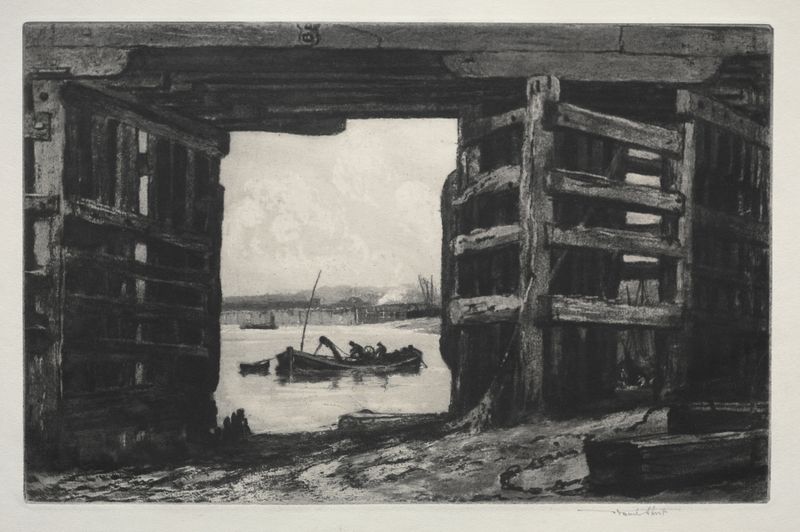
A Span of Old Battersea Bridge
Sir Frank Short

The Rope Walk, Spittal Bridge Whitby
Sir Frank Short





