
Berghang mit Baum — History & Facts
Can paint confess what words never could? In the quietude of Berghang mit Baum, the brush captures an obsession with nature that transcends mere representation, inviting viewers into a dialogue of sensation and solitude. Look to the left at the sturdy tree, its gnarled trunk twisted with age and yearning. The interplay of light and shadow creates a rhythm across the canvas, while verdant greens pulsate with life against the backdrop of a deep blue sky. Notice how the artist applies thick, expressive strokes, emphasizing the texture of the bark and the breeze that rustles through the leaves.
Each element draws the eye, creating a focal point that feels both intimate and grand. Delve deeper into the contrasts presented: the steadfastness of the tree versus the fleeting clouds gliding overhead. This juxtaposition evokes a sense of time—what remains versus what is ephemeral. Hidden within the colors and forms is an emotional weight, the tree standing as a solitary sentinel of memory, perhaps a reflection of the artist’s own inner landscape.
The quiet majesty of the scene hints at an obsession not just with nature, but with the deeper truths it embodies. Theodor Von Hörmann painted Berghang mit Baum during a time of personal exploration, likely in the late 19th century. This was an era marked by the rise of the Symbolist movement, where artists sought to express the ineffable through their work. Immersed in the artistic discourse of his time, Hörmann embraced the complexity of landscapes, revealing both the outer world and the inner turmoil of the human experience.
More Artworks by Theodor Von Hörmann
Browse all →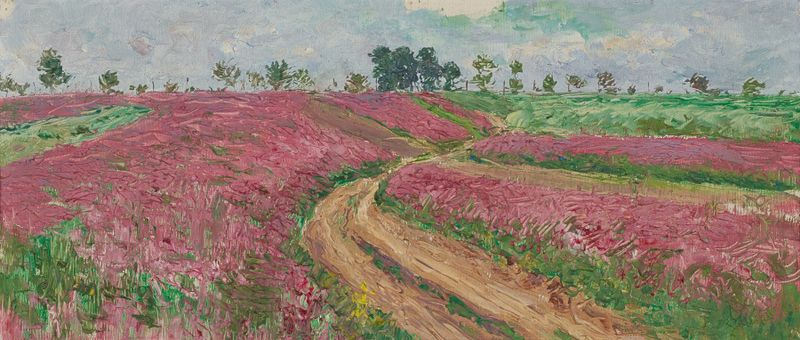
Esparsettenfeld Bei Znaim Ii
Theodor Von Hörmann

Blick Auf Paris
Theodor Von Hörmann

A Watering Place in Kis Bagh
Theodor Von Hörmann

Auf Der Ligethi Puszta
Theodor Von Hörmann
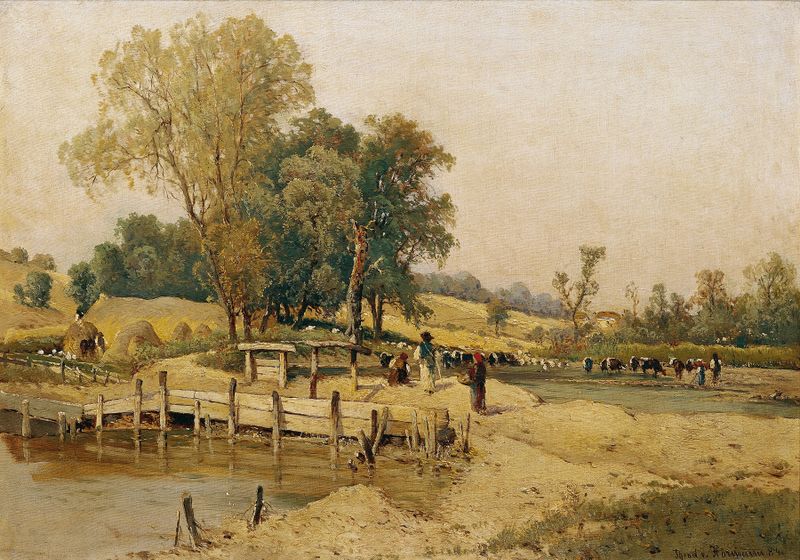
Ungarische Landschaft Mit Viehtränke
Theodor Von Hörmann
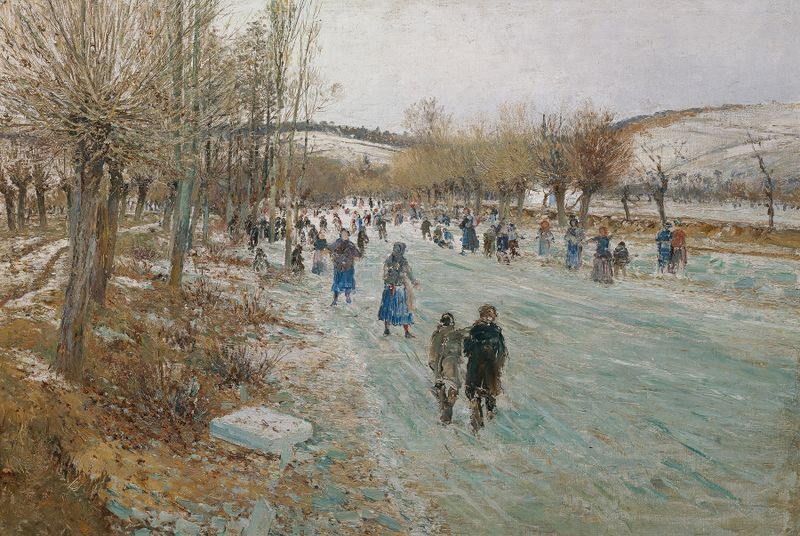
Eisläufer Auf Der Thaya Bei Lundenburg
Theodor Von Hörmann
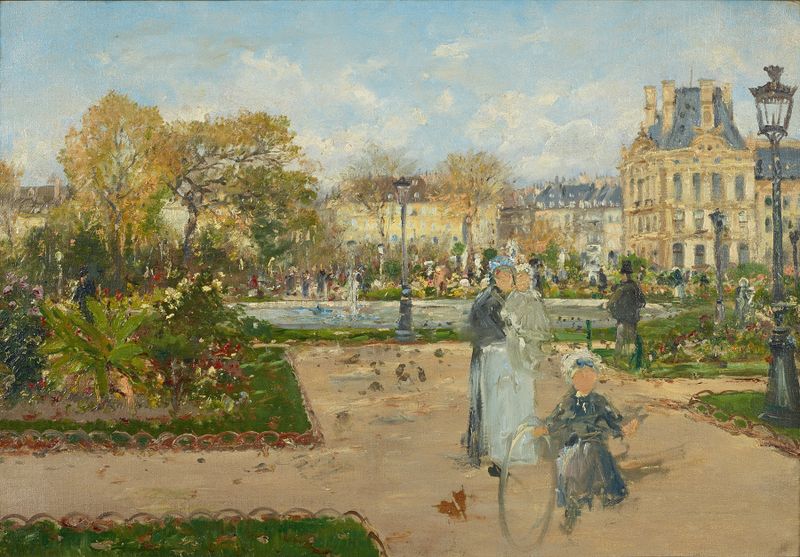
In Den Tuilerien
Theodor Von Hörmann

A Winter Day, Scene near St. Pölten
Theodor Von Hörmann

Znaim Im Schnee Ii
Theodor Von Hörmann
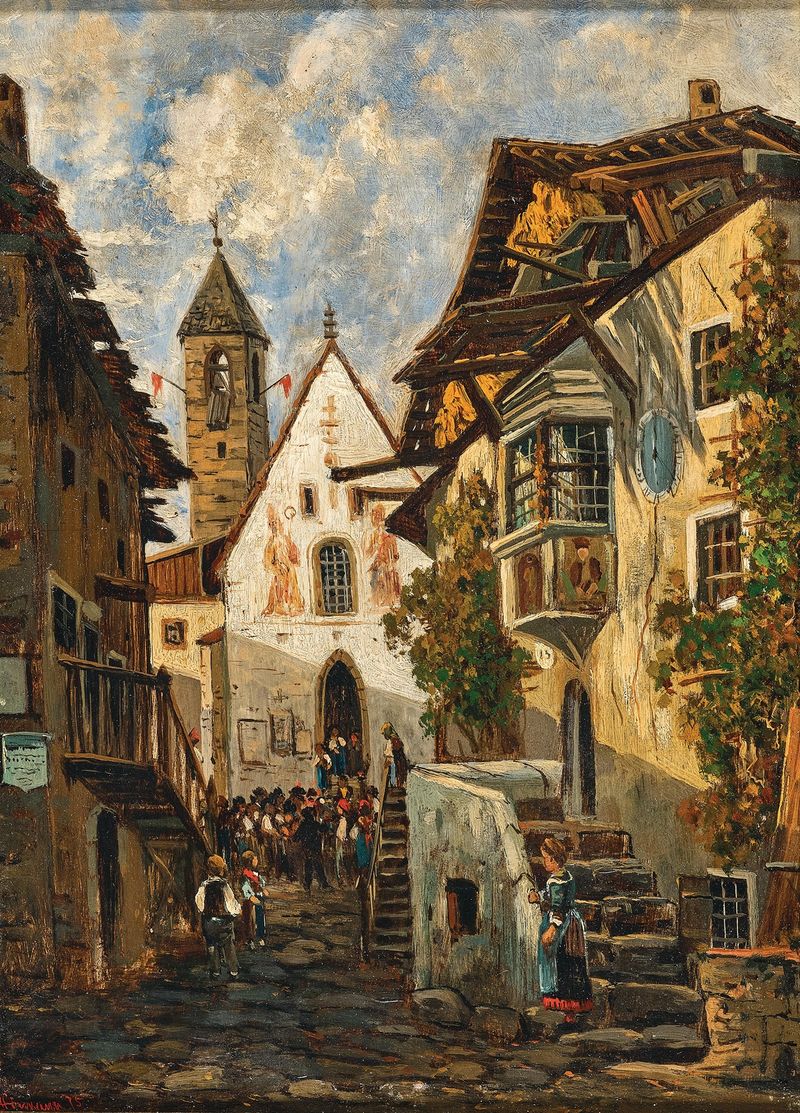
Dorfmotiv von Albeins bei Brixen, Tirol
Theodor Von Hörmann





