
Berghütten (Roßhag in den Zillertaler Alpen) — History & Facts
What if silence could speak through light? The stillness of a mountain landscape invites contemplation, capturing the awe of nature in its untouched beauty. Look to the left at the rocky outcroppings, where rugged forms stand resolute against a backdrop of soft, shimmering snow. Notice how the cool blues and whites merge with the warmth of distant sunlight, illuminating the eaves of the quaint wooden huts nestled below. The brushwork flows seamlessly, drawing your gaze towards the rugged peaks that loom majestically, the promise of adventure radiating from the canvas.
As your eyes wander, the delicate interplay of shadows and highlights subtly conveys the tranquility and harshness of alpine life. Within this serene composition lies a deeper narrative; the contrast between the sturdy cottages and the grandeur of the mountains speaks to mankind’s relationship with nature. The huts, though humble, symbolize resilience, standing firm amidst the overwhelming beauty of their surroundings. The transparency in the air, enhanced by the artist’s meticulous attention to light, evokes a sense of reverence, bridging the gap between the viewer and the divine. In the late 19th century, when this work was created, Edward Theodore Compton was immersed in the vibrant artistic landscape of England and the Alps.
Having settled in the picturesque regions of the Tyrol, he was inspired by the majestic scenery around him. During this period, the fascination with nature and the sublime in art was gaining momentum, as artists sought to encapsulate the awe-inspiring forces of the natural world, redefining the boundaries of landscape painting.
More Artworks by Edward Theodore Compton
Browse all →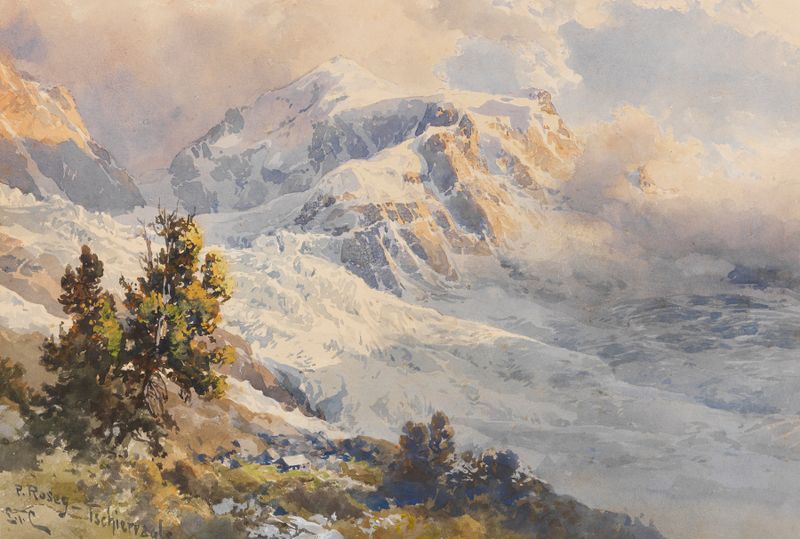
Piz Roseg – Tschiervagletscher
Edward Theodore Compton
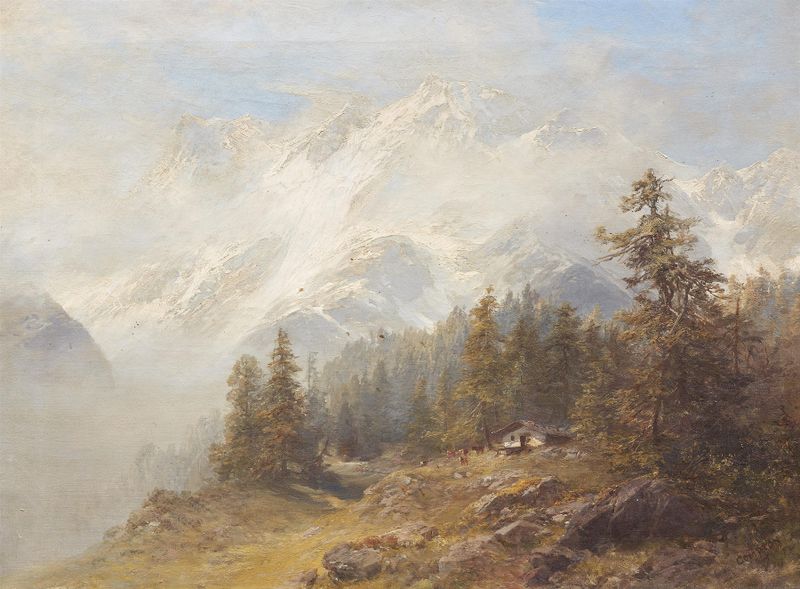
Alpenlandschaft vor schneebedecktem Massiv
Edward Theodore Compton
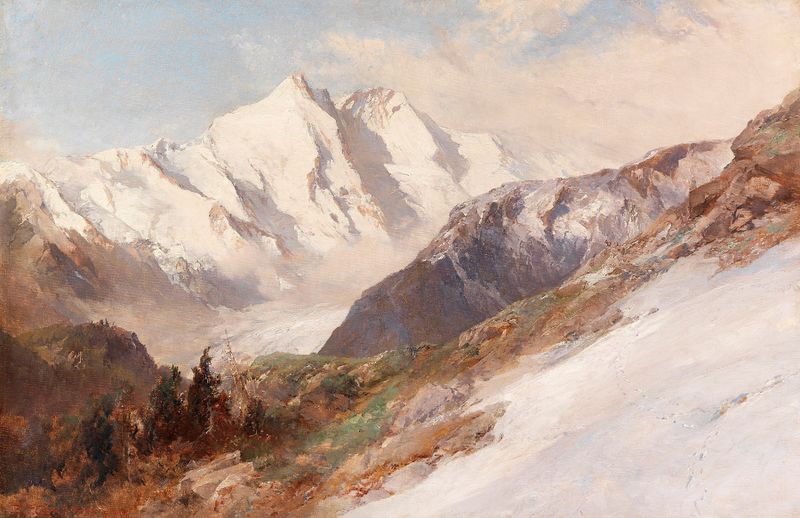
Blick auf die Nordseite des Großglockners
Edward Theodore Compton
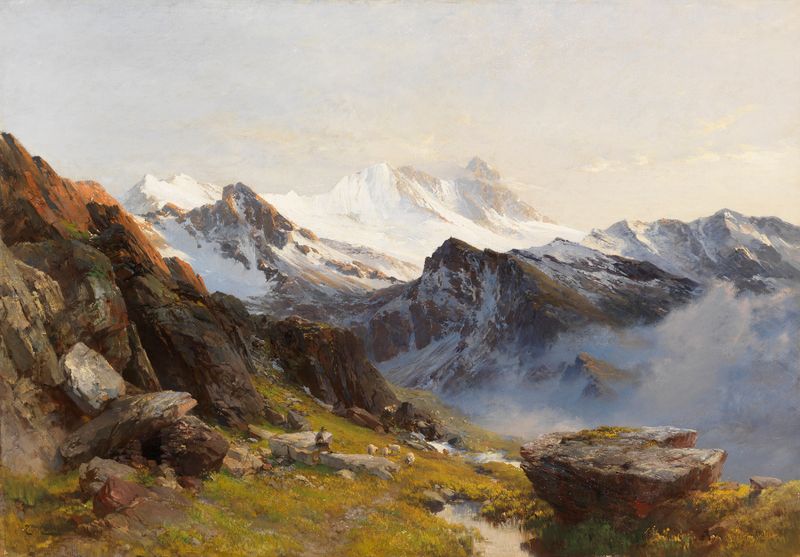
Großglockner von der Prager Hütte aus, früh
Edward Theodore Compton
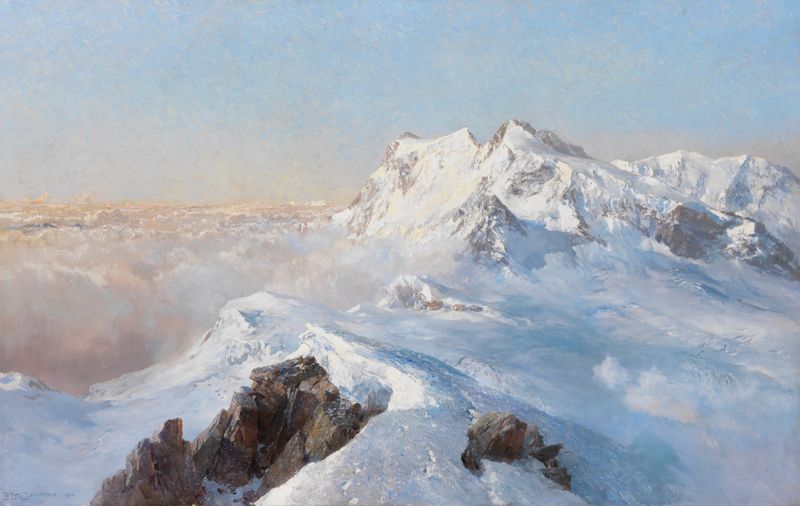
Über dem Nebelmeer (Monte Rosa vom Rimpfischhorn)
Edward Theodore Compton
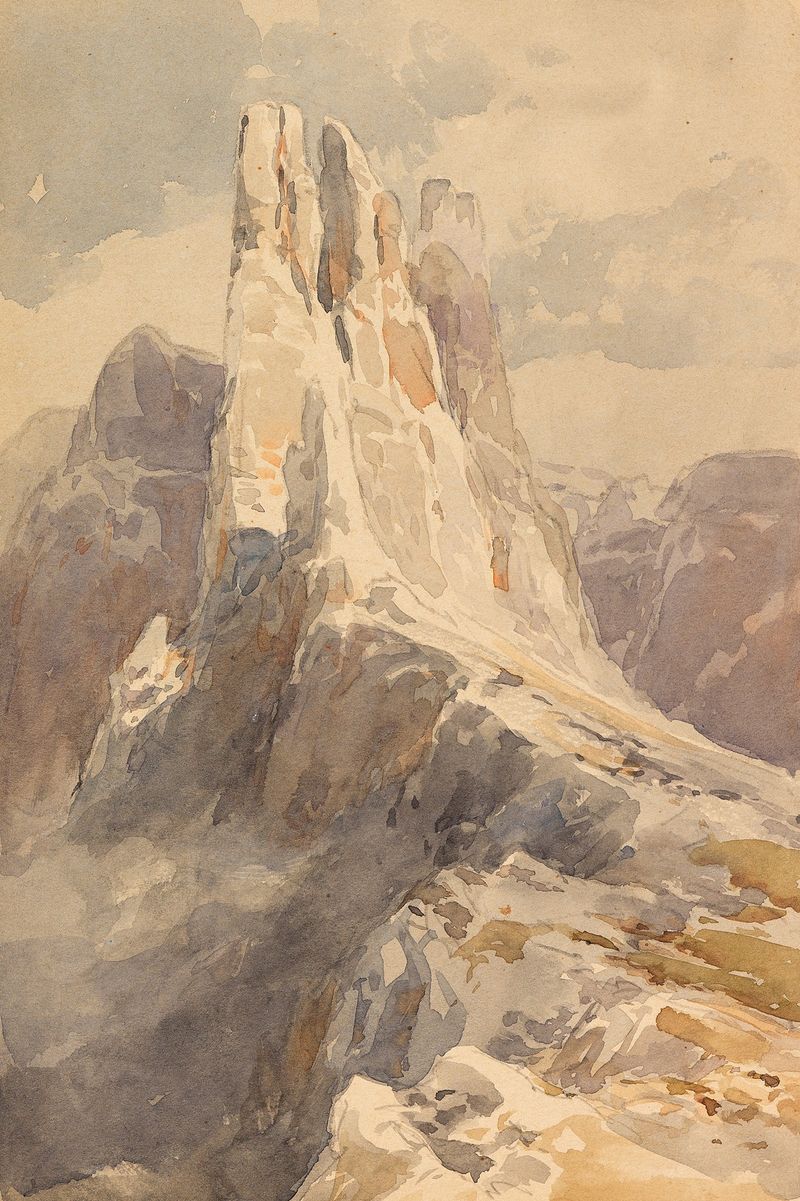
Blick auf die Vajolet-Türme in den Dolomiten
Edward Theodore Compton
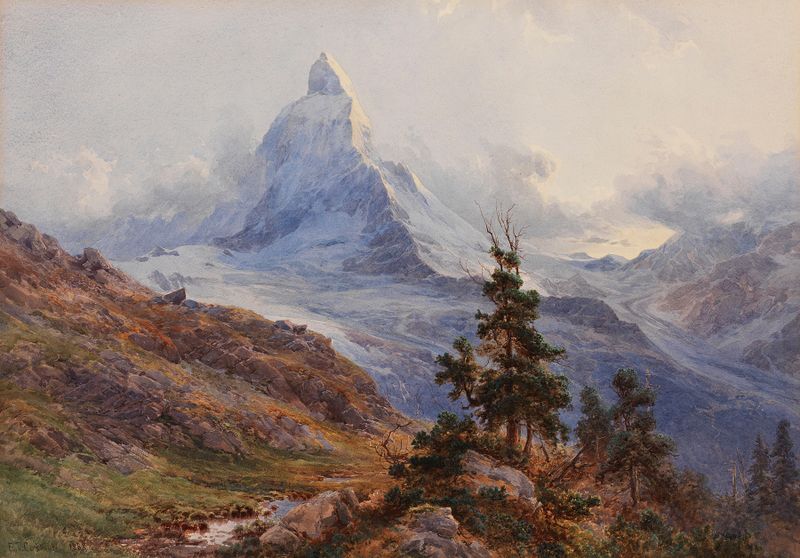
View of the Matterhorn
Edward Theodore Compton
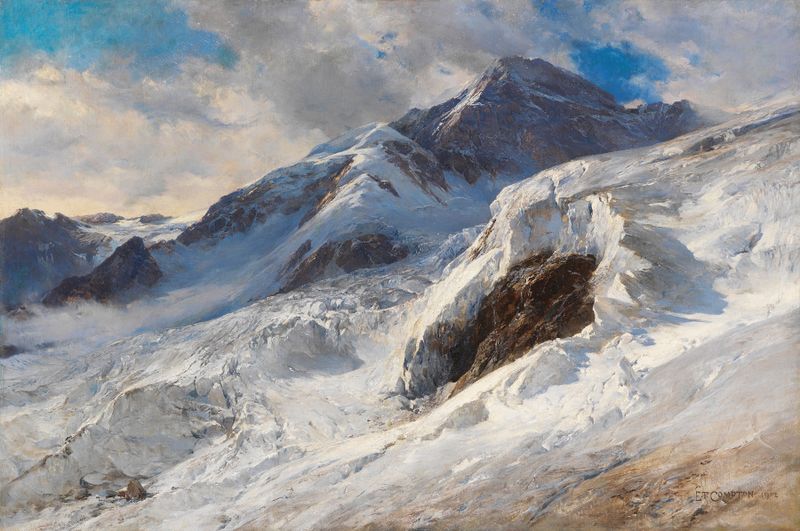
Lyskamm (Monte-Rosa)
Edward Theodore Compton
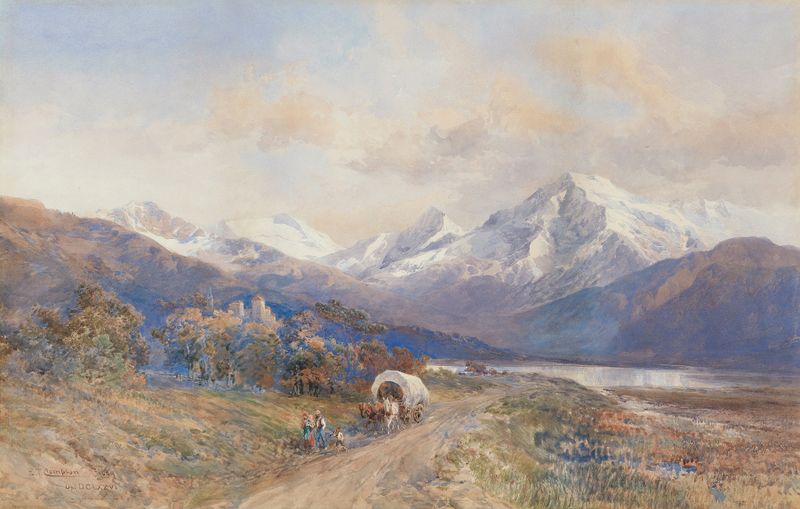
Blick auf den Ortler von St. Valentin
Edward Theodore Compton
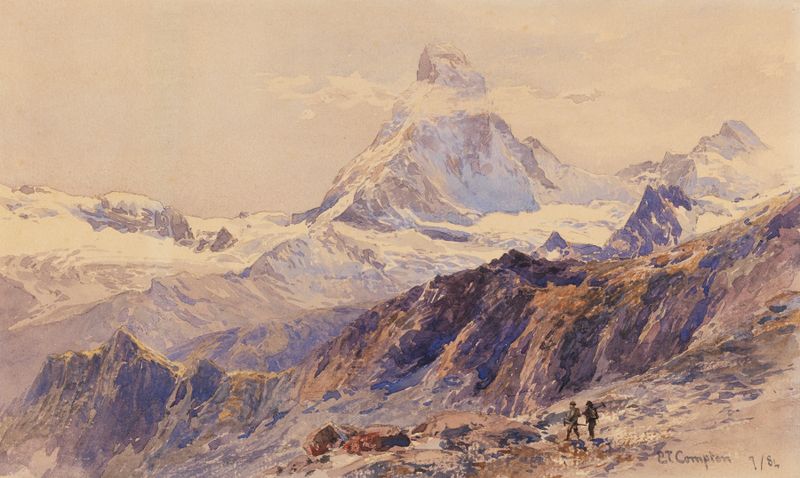
Das Matterhorn von der Triftkumme
Edward Theodore Compton





