
Besnijdenis van Christus — History & Facts
In the stillness of creation, each stroke holds a truth that whispers through time. The act of artistic birth is a sacred endeavor, a moment pregnant with potential. What unfolds within the confines of a frame is not merely a depiction, but a dialogue between the artist and the viewer. Look to the center of the composition, where the figure of Christ lies, poised and serene.
Notice the delicate interplay of light and shadow that Dürer masterfully orchestrates, illuminating the anticipation that fills the air. The rich hues of the garments enveloping the figures invite us to explore the intricate details of texture and form, each fold telling a story of devotion and history. The balanced arrangement draws the eye to the figures surrounding the Christ child, evoking an atmosphere of reverence and ritual. Beneath the surface lies a swirling tension between the sacred and the human.
The hands of those present convey an array of emotions — awe, fear, and acceptance — intertwining to create a narrative both intimate and universal. The stark contrast between the somber expressions of the adults and the tranquility of the child speaks to the gravity of the moment, suggesting that each onlooker bears witness to a profound transformation. Dürer captures not just a biblical scene, but the very essence of faith and the passage of time. Painted in Nuremberg during the early 16th century, this piece emerged at a transformative period in Dürer's career.
The artist, influenced by the Renaissance's embrace of humanism and detail, sought to blend spirituality with the reality of human experience. Engaging with both religious themes and emerging naturalism, he positioned himself as a pivotal figure in the evolving landscape of art, reflecting the broader cultural shifts sweeping across Europe.
More Artworks by Albrecht Dürer
Browse all →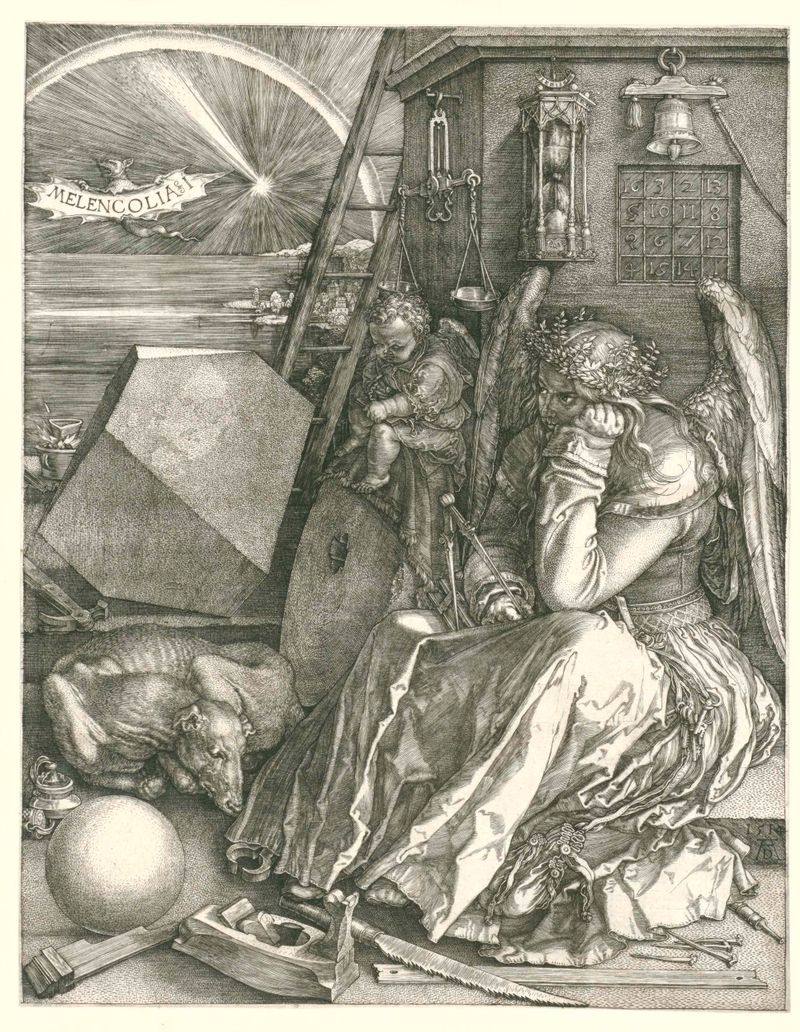
Melancholia
Albrecht Dürer
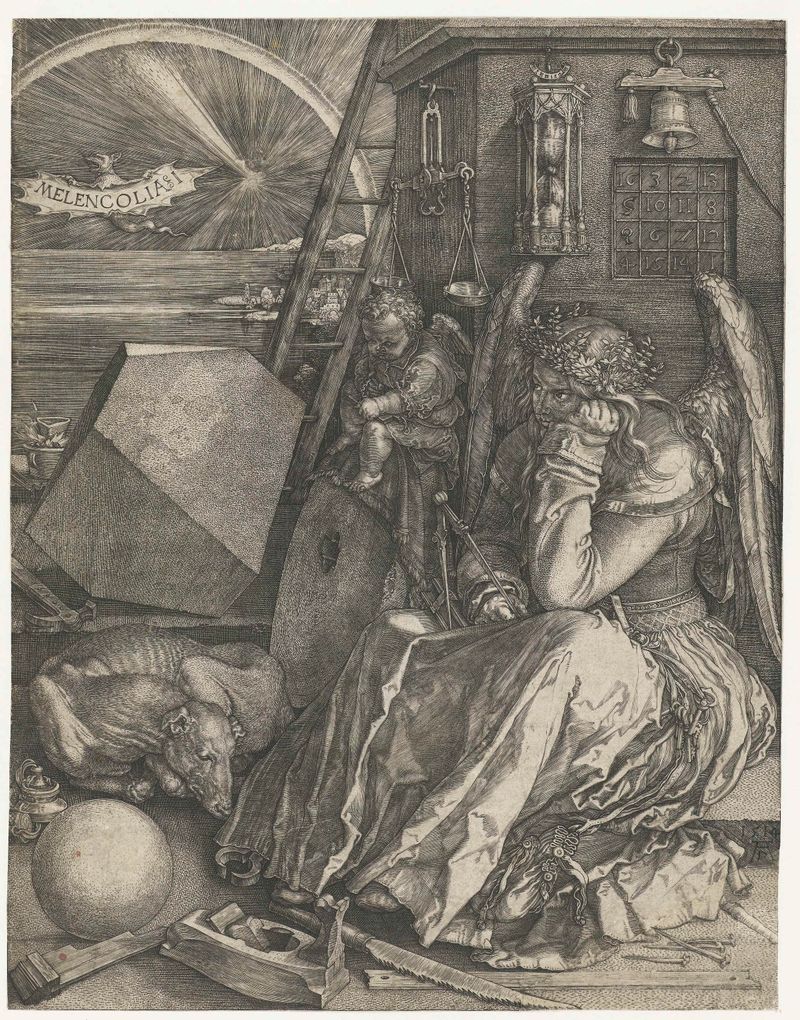
Melancholie
Albrecht Dürer
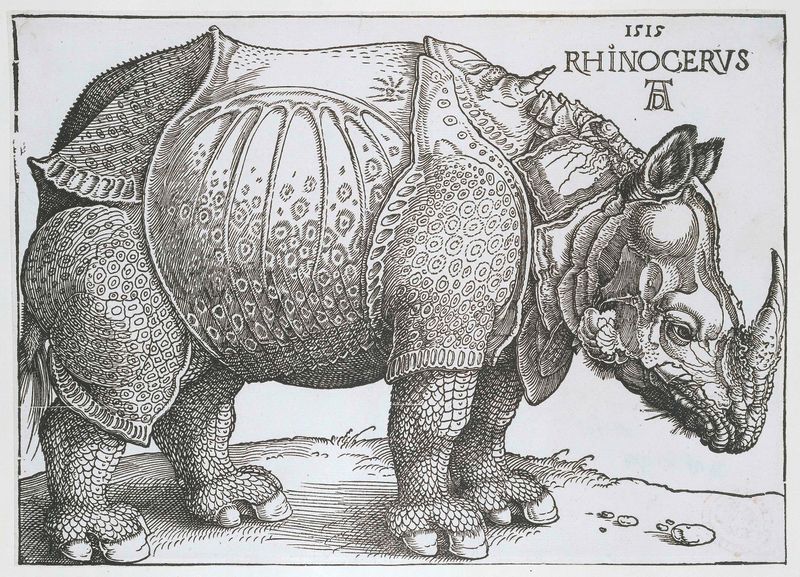
Neushoorn
Albrecht Dürer
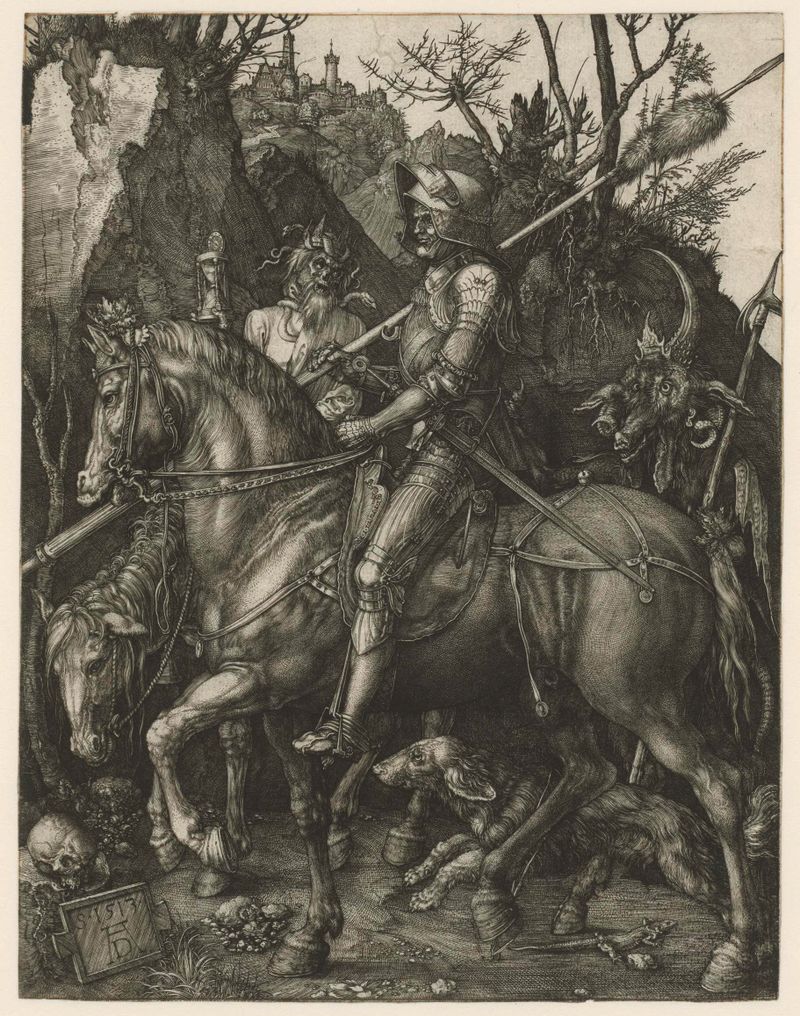
Knight, Death, and the Devil
Albrecht Dürer

De vier ruiters van de apocalyps
Albrecht Dürer

De vier ruiters van de apocalyps
Albrecht Dürer
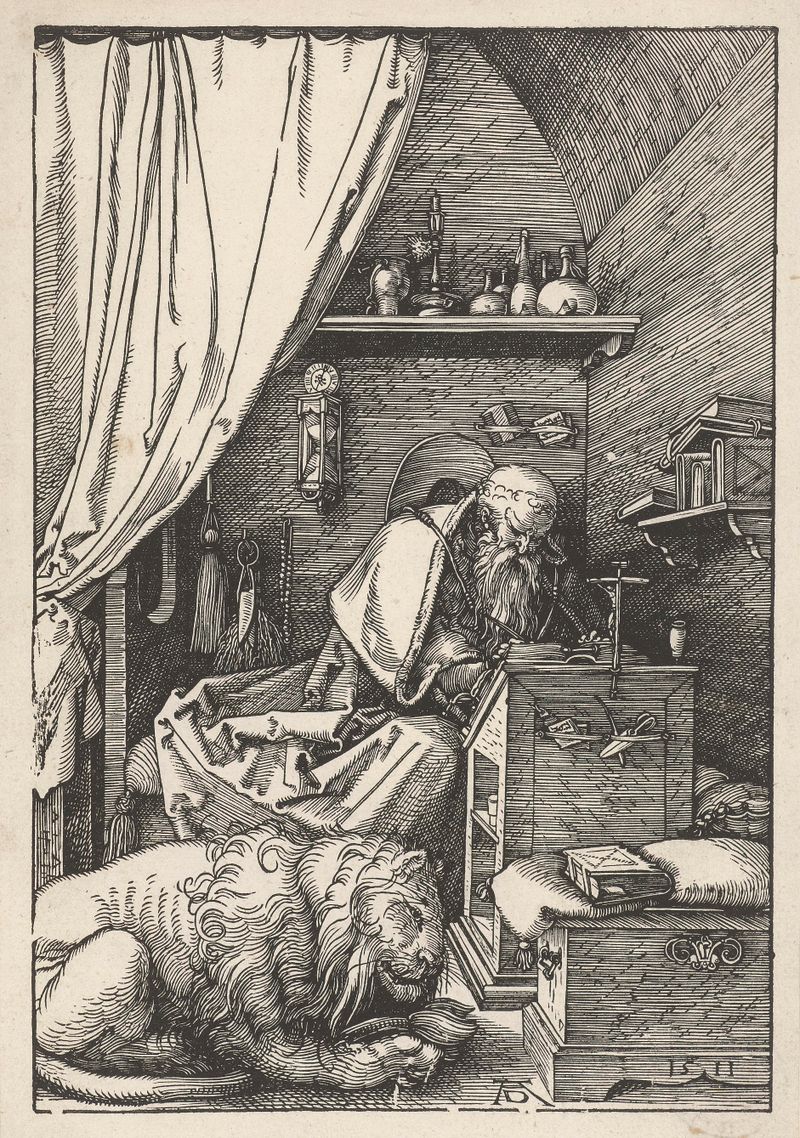
De Heilige Hiëronymus in zijn studeervertrek
Albrecht Dürer
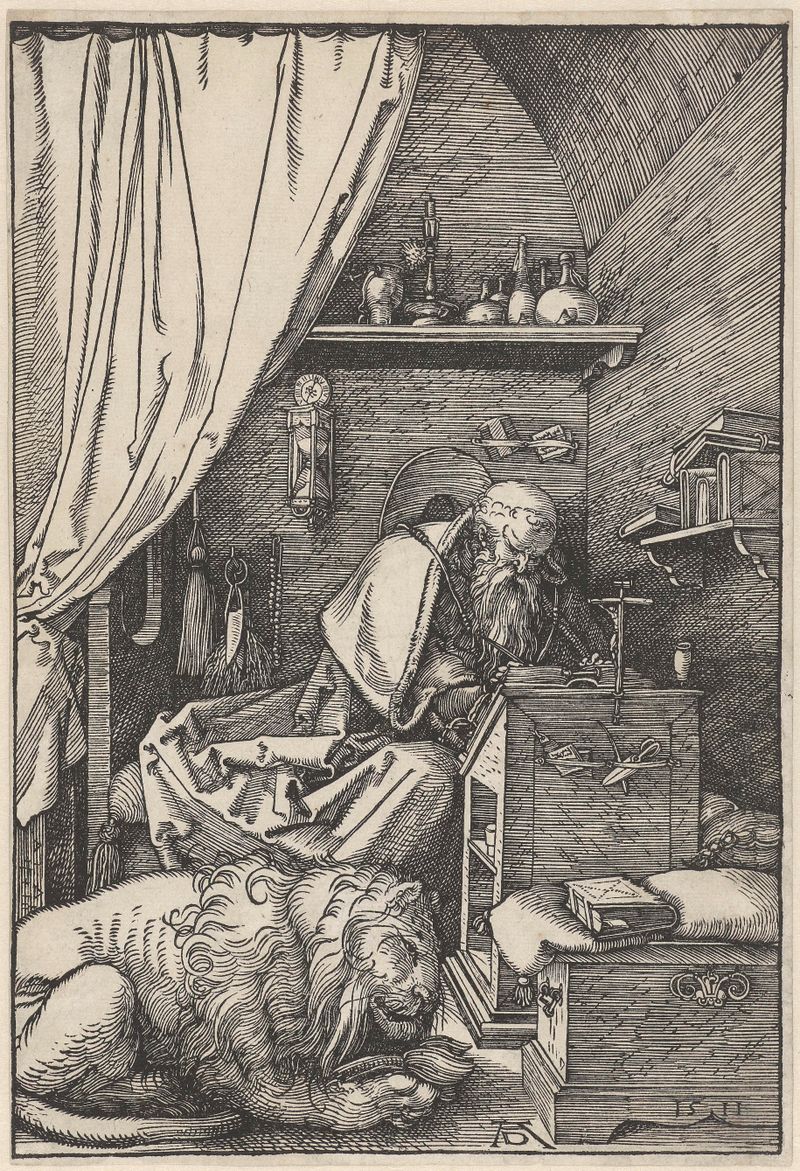
De Heilige Hiëronymus in zijn studeervertrek
Albrecht Dürer
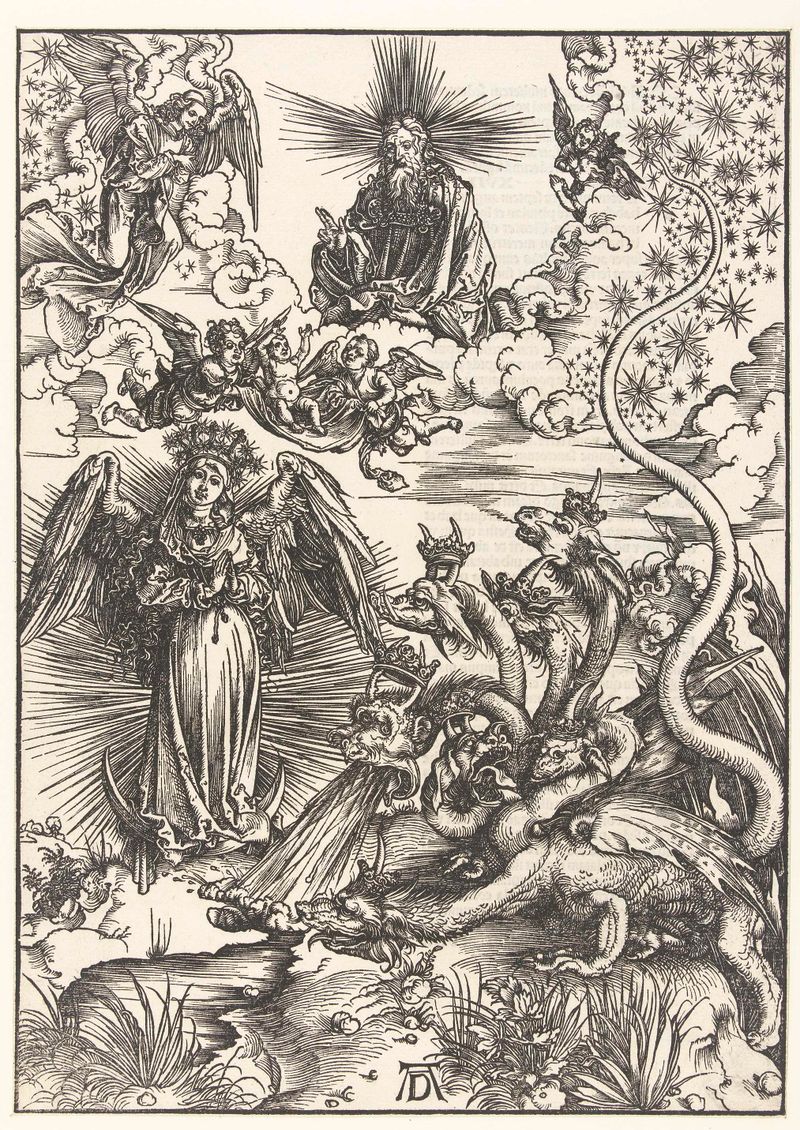
De apocalyptische vrouw en de zevenkoppige draak
Albrecht Dürer
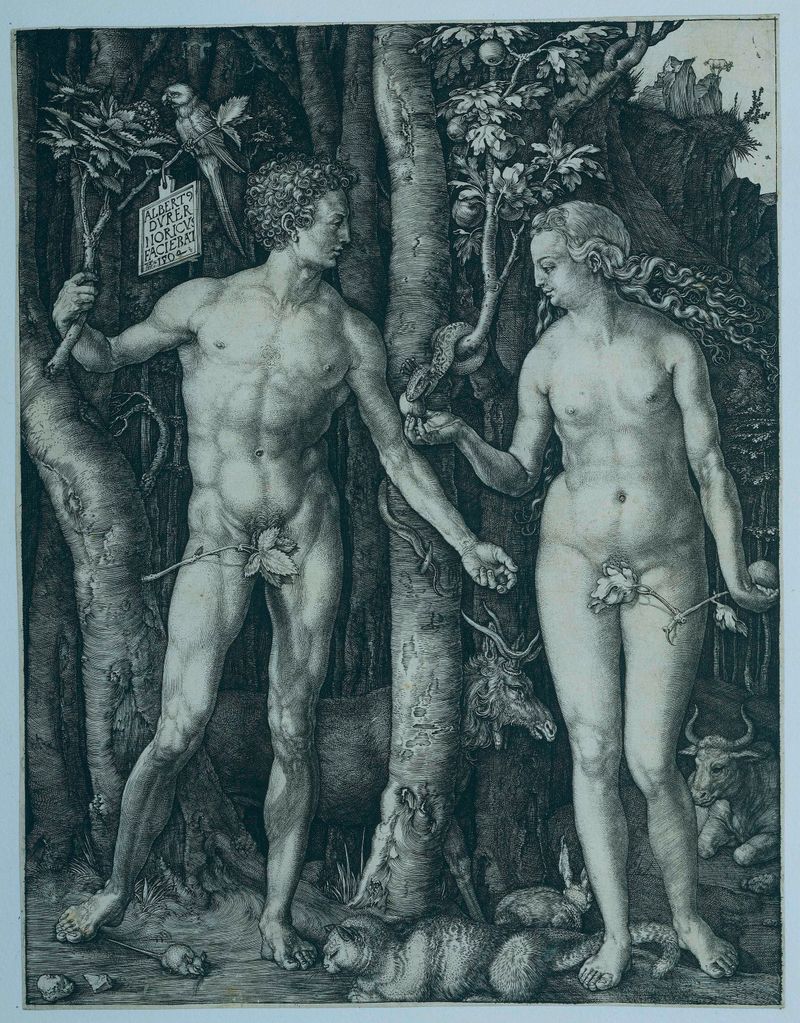
Adam en Eva
Albrecht Dürer
More Religious Art
Browse all →
The Return of the Prodigal Son
Rembrandt van Rijn

The Garden of Earthly Delights
El Bosco

Count Orgaz’ funeral
El Greco

The Hundred Guilder Print: the central piece with Christ preaching, the plate arched
Rembrandt van Rijn

The Descent from the Cross
Rogier van der Weyden

The return of the prodigal son
Rembrandt van Rijn