
Besnijdenis van Christus — History & Facts
Who listens when art speaks of silence? In Albrecht Dürer’s Besnijdenis van Christus, revelation unfolds not through sound but through the quiet intensity of its sacred moment. Focus first on the central figures, where Christ, a child, awaits the ceremonial act. The luminous skin tones contrast against the deep, muted colors of the surrounding drapery, drawing your eye to the delicate play of light across faces, emphasizing the solemnity of the event. Notice how the gentle curvature of the infant’s body and the reverence etched on the adult faces capture a profound stillness, inviting contemplation. Delve deeper to discover the emotional tensions woven into this intimate gathering.
The contrasting expressions among the adults reveal a spectrum of feelings—joy, anxiety, devotion—all underscored by the gravity of the moment. The meticulous details in the figures’ garments and the ornate background serve not only to frame the scene but also hint at the cultural weight of this ritual. Each element, from the tender grip of the holding hands to the soft shadows, contributes to a narrative of faith and the passage of life. Dürer painted Besnijdenis van Christus between 1502 and 1506, during a time of artistic exploration and transformation in Europe.
He was deeply engaged with the emerging Renaissance ideals, blending meticulous detail with spiritual depth, and this period saw him navigating the complexities of his own artistic identity against a backdrop of evolving religious discourse and personal introspection.
More Artworks by Albrecht Dürer
Browse all →
Melancholia
Albrecht Dürer
Melancholie
Albrecht Dürer

Neushoorn
Albrecht Dürer
Knight, Death, and the Devil
Albrecht Dürer

De vier ruiters van de apocalyps
Albrecht Dürer

De vier ruiters van de apocalyps
Albrecht Dürer
De Heilige Hiëronymus in zijn studeervertrek
Albrecht Dürer
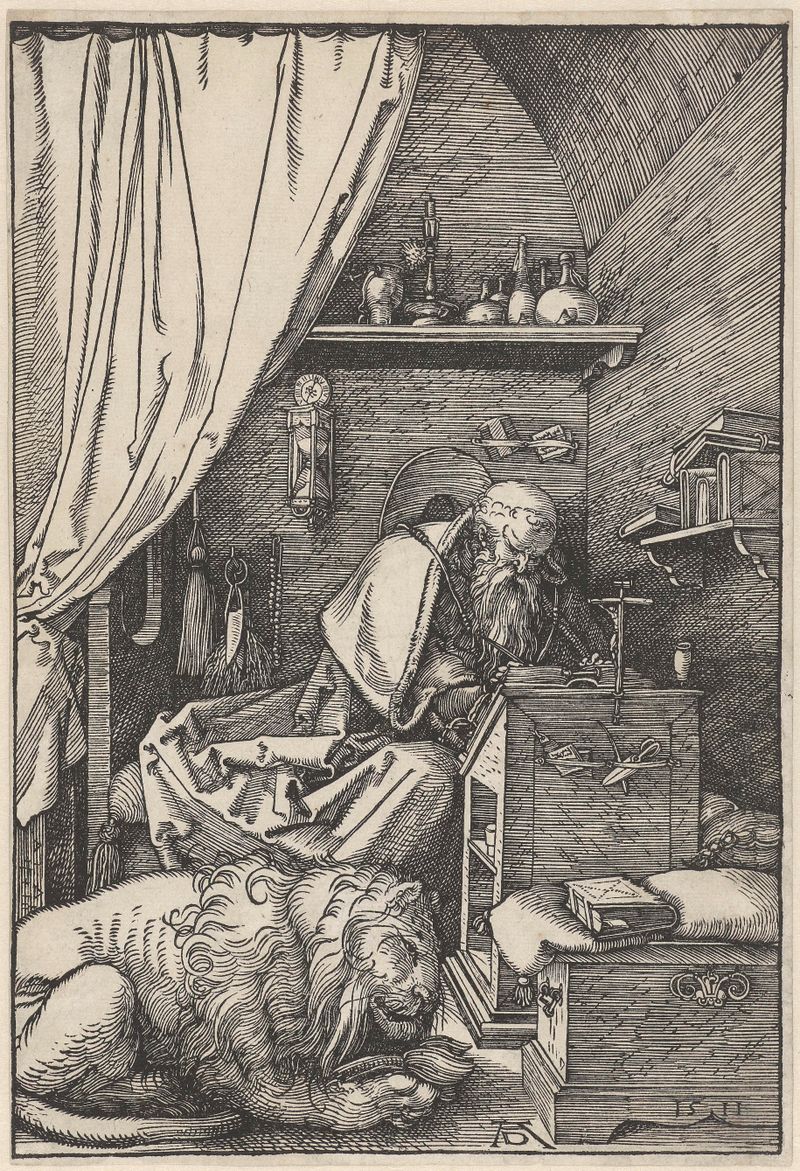
De Heilige Hiëronymus in zijn studeervertrek
Albrecht Dürer
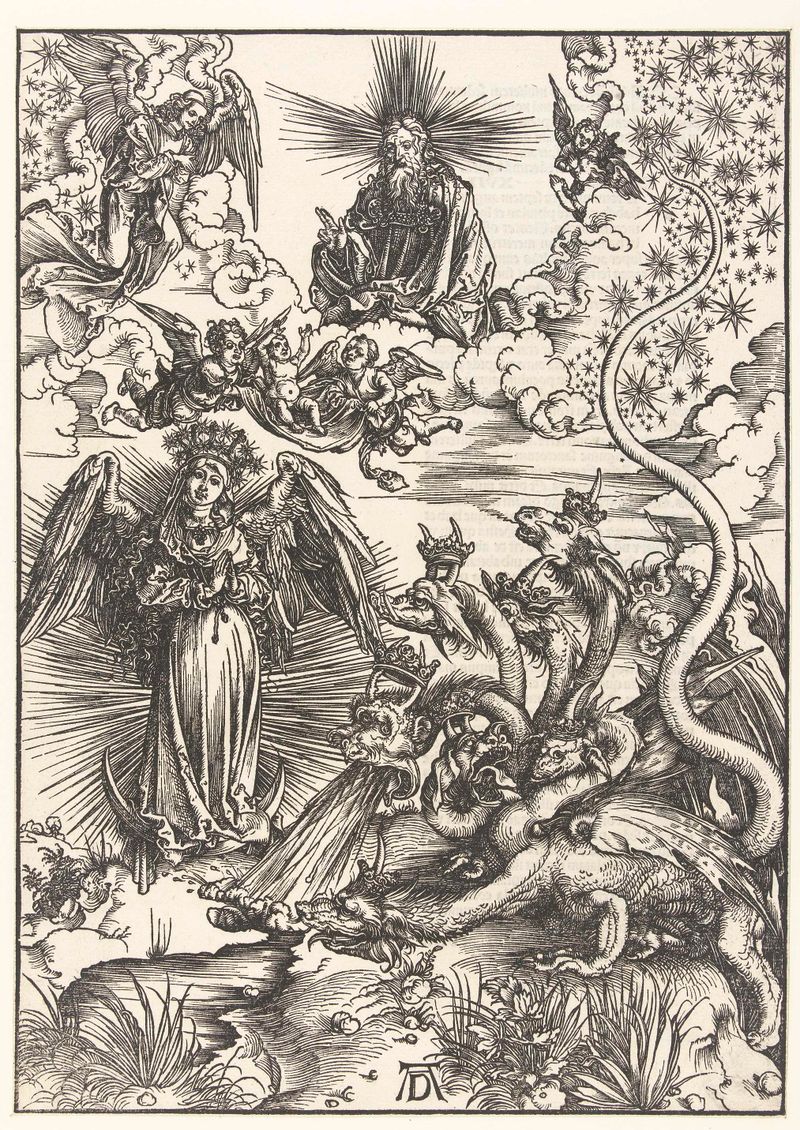
De apocalyptische vrouw en de zevenkoppige draak
Albrecht Dürer
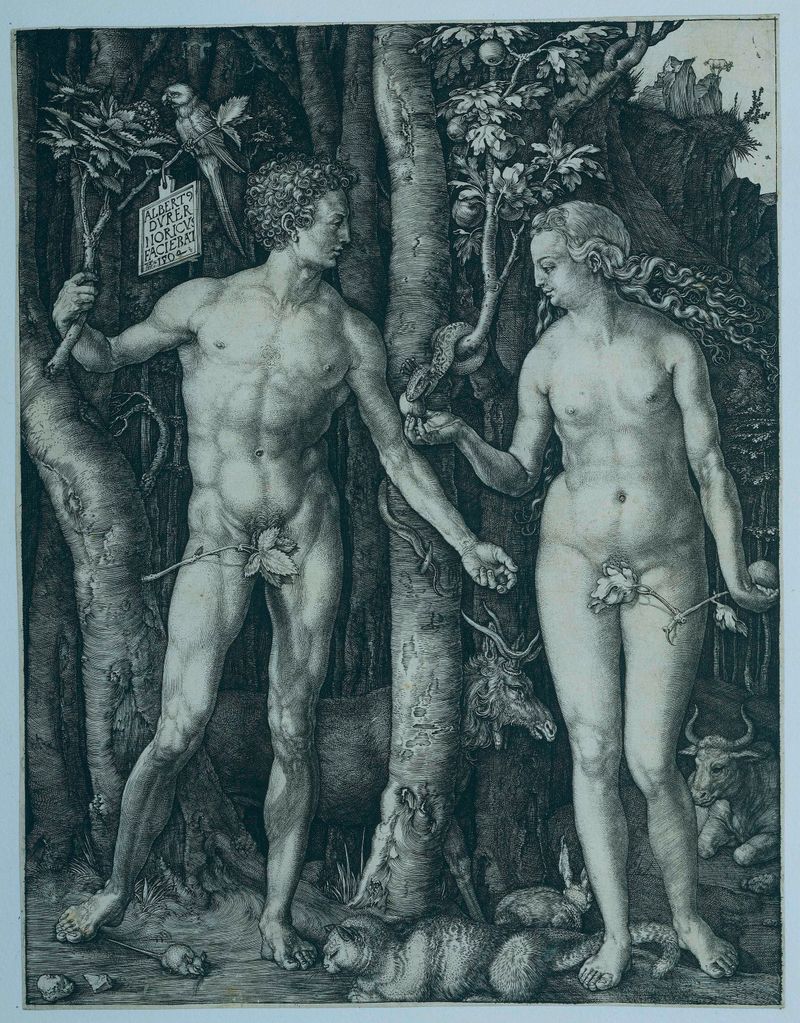
Adam en Eva
Albrecht Dürer
More Religious Art
Browse all →
The Return of the Prodigal Son
Rembrandt van Rijn

The Garden of Earthly Delights
El Bosco

Count Orgaz’ funeral
El Greco

The Hundred Guilder Print: the central piece with Christ preaching, the plate arched
Rembrandt van Rijn

The Descent from the Cross
Rogier van der Weyden

The return of the prodigal son
Rembrandt van Rijn