
Besnijdenis van Christus — History & Facts
When did color learn to lie? The layers of meaning in a work can transform perception, revealing truths hidden beneath the surface. Besnijdenis van Christus invites us into a world where bold hues and intricate details pulse with emotional resonance. Look closely at the delicate figures filling the foreground, each meticulously rendered with lifelike precision. Focus on the light illuminating the infant's face, juxtaposed against the deep shadows cast by the surrounding adults.
The warm, rich reds and golds contrast sharply with the cool blues, enhancing the sense of sacredness and tension within this moment of ritual. Dürer’s masterful use of line and form guides your gaze toward the serene expression of Christ, whose vulnerability contrasts with the gravity of the act being performed. The artwork resonates with deeper meanings of transformation — both physical and spiritual. The circumcision symbolizes a pivotal transition, not just for the child but for the faith he will inspire.
Each figure embodies a different response to the sacred event, from reverence to anxiety. The careful arrangement and gestural dynamics evoke a sense of collective emotional weight, suggesting the profound implications of this moment in time. Created in 1511 during Dürer’s residence in Nuremberg, this piece is a vivid reflection of the Northern Renaissance, a period marked by intricate craftsmanship and humanistic themes. At this time, Dürer was exploring the tensions between tradition and innovation in art, captivated by how human experience and divine significance intertwined.
His work not only illustrated biblical events but also sought to engage viewers in a deeper conversation about faith and humanity.
More Artworks by Albrecht Dürer
Browse all →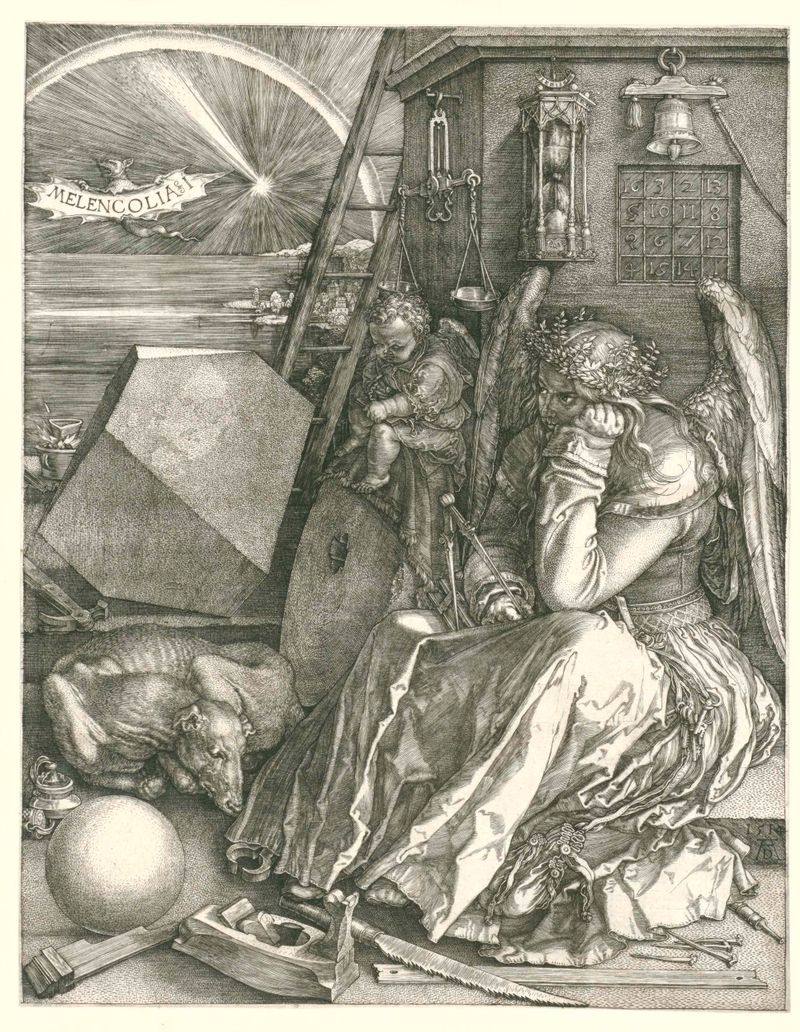
Melancholia
Albrecht Dürer
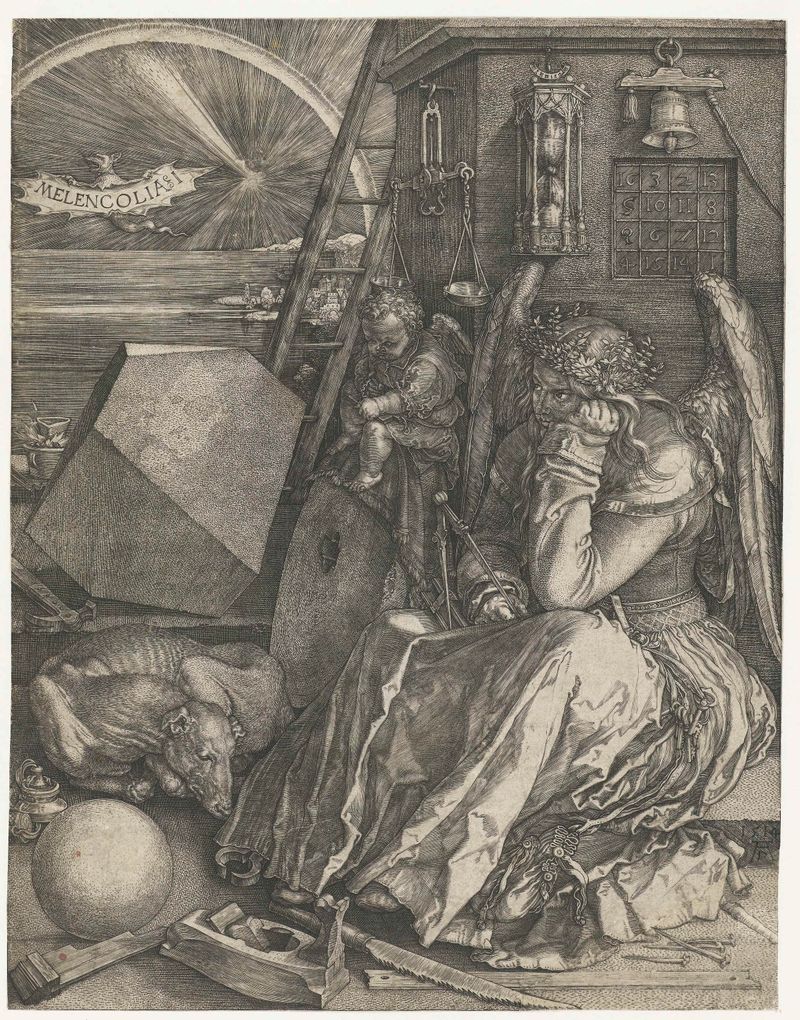
Melancholie
Albrecht Dürer
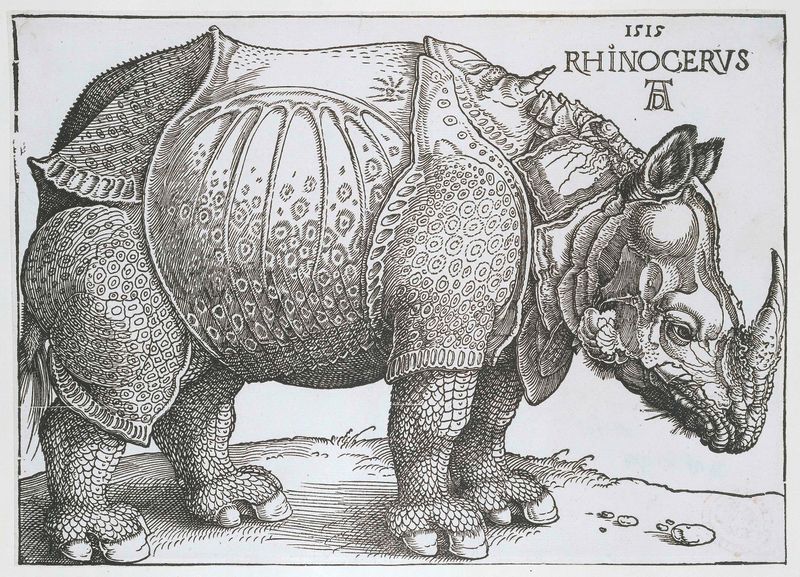
Neushoorn
Albrecht Dürer
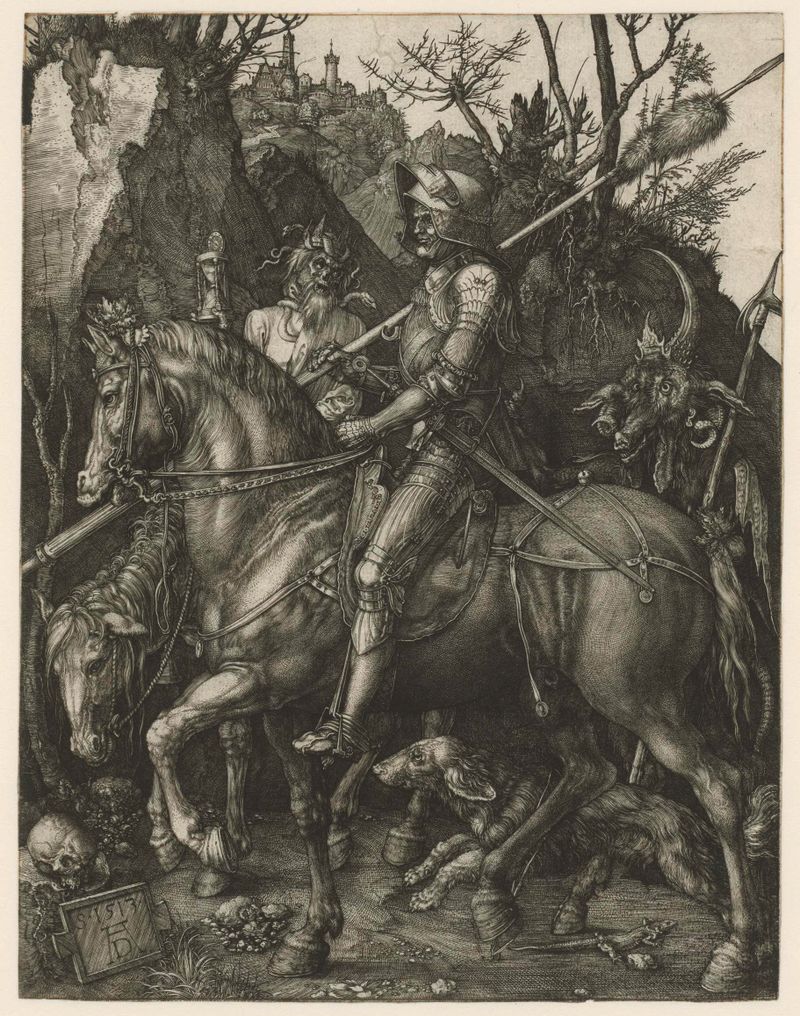
Knight, Death, and the Devil
Albrecht Dürer

De vier ruiters van de apocalyps
Albrecht Dürer
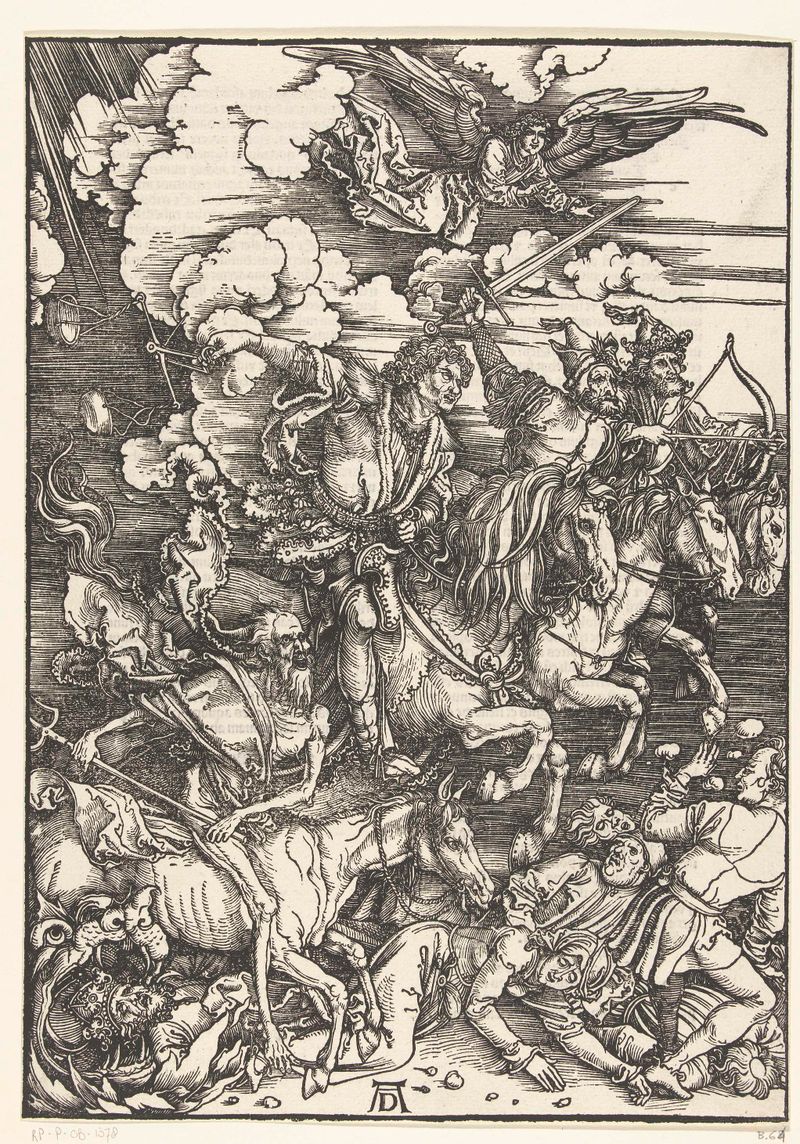
De vier ruiters van de apocalyps
Albrecht Dürer
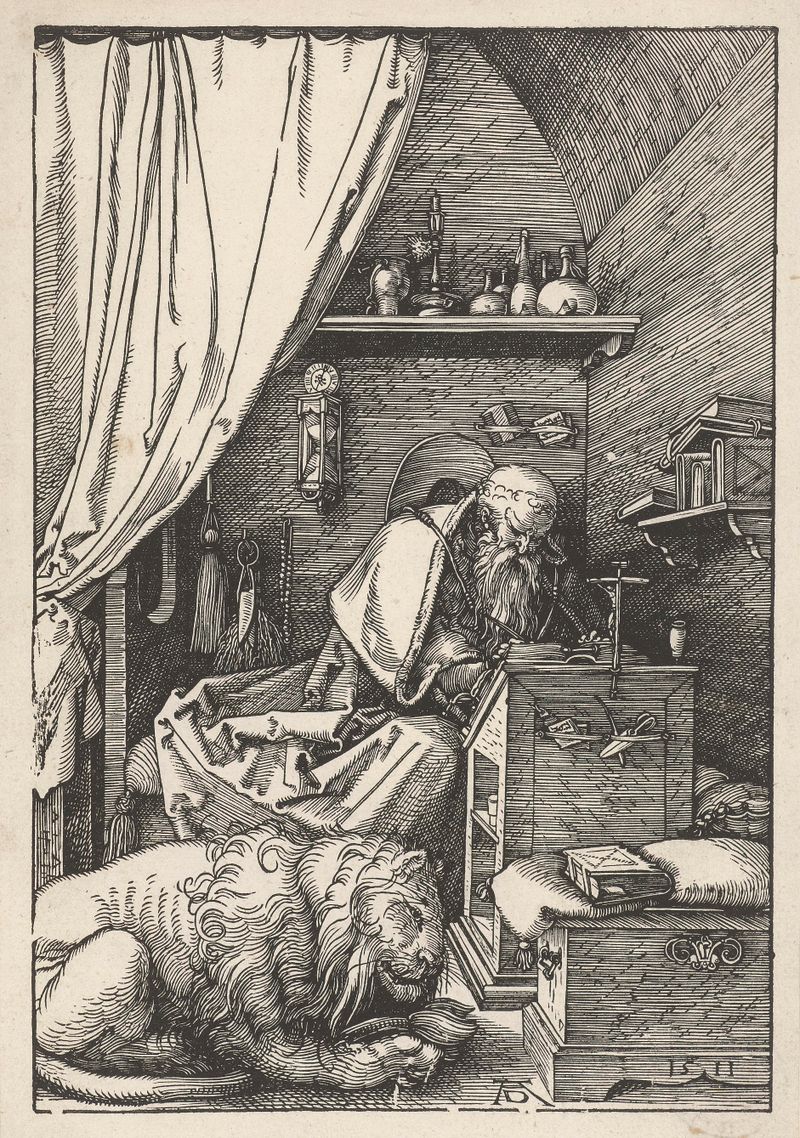
De Heilige Hiëronymus in zijn studeervertrek
Albrecht Dürer
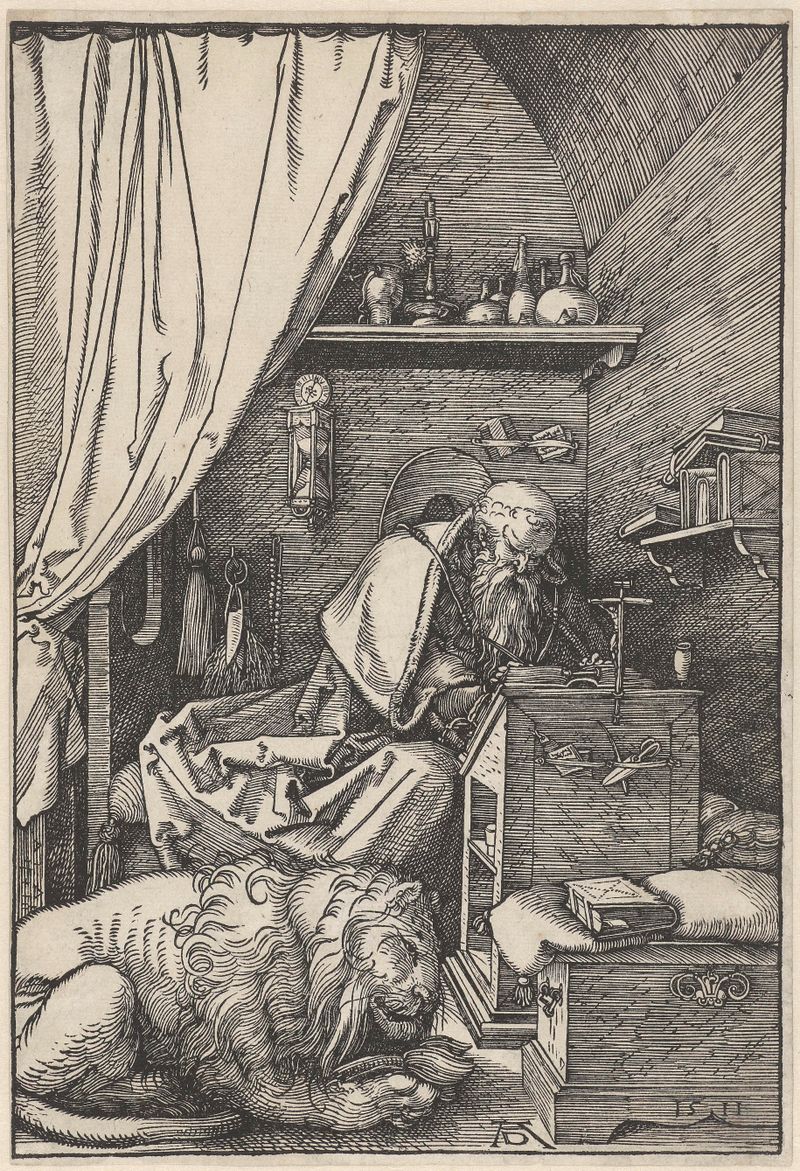
De Heilige Hiëronymus in zijn studeervertrek
Albrecht Dürer
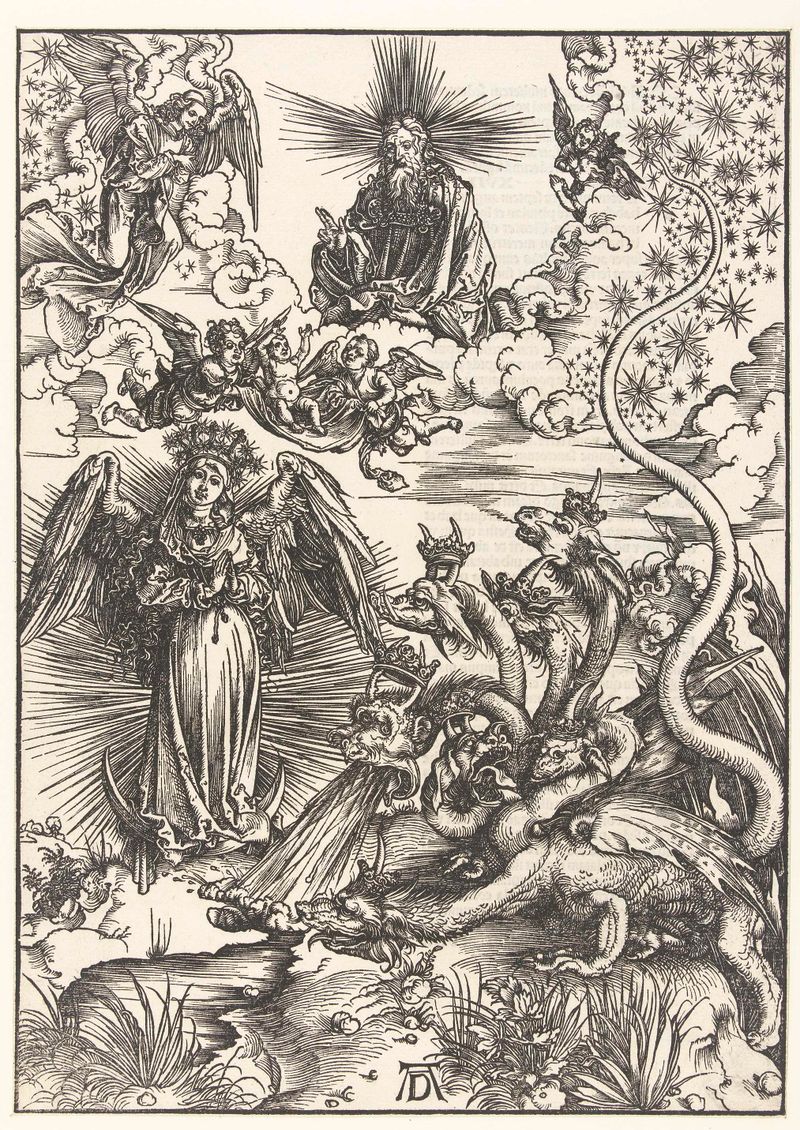
De apocalyptische vrouw en de zevenkoppige draak
Albrecht Dürer
Adam en Eva
Albrecht Dürer
More Religious Art
Browse all →
The Return of the Prodigal Son
Rembrandt van Rijn

The Garden of Earthly Delights
El Bosco

Count Orgaz’ funeral
El Greco

The Hundred Guilder Print: the central piece with Christ preaching, the plate arched
Rembrandt van Rijn

The Descent from the Cross
Rogier van der Weyden

The return of the prodigal son
Rembrandt van Rijn