Bettsws-y-Cood, North Wales and Nant Gwynnavt, North Wales — History & Facts
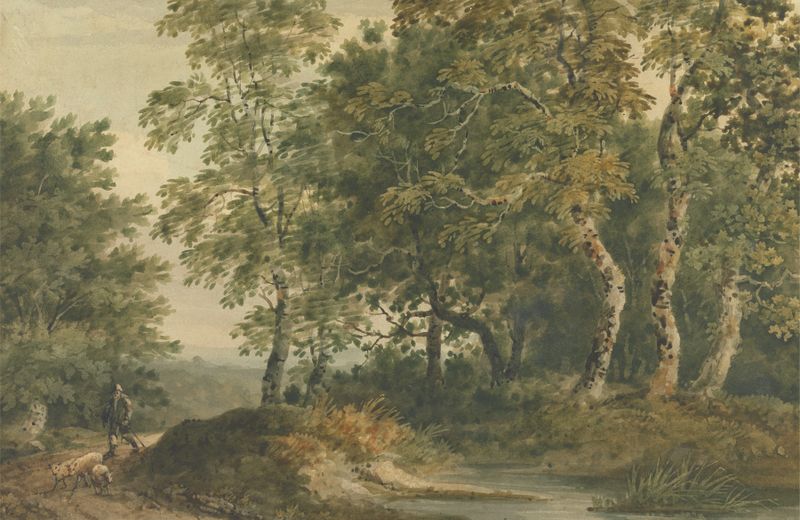
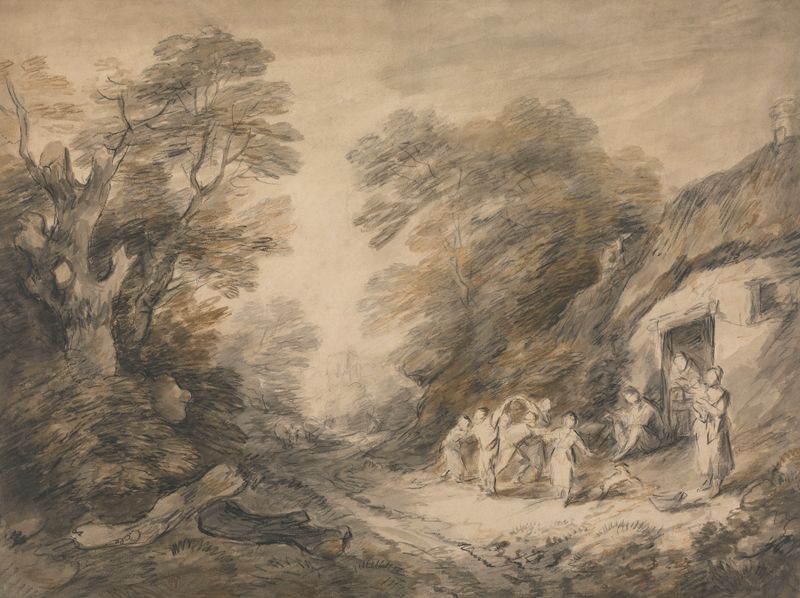
What secret hides in the quiet of the canvas? In the stillness of Thomas Barker’s Bettsws-y-Cood, North Wales and Nant Gwynnavt, North Wales, a serene landscape unfolds, inviting contemplation and introspection. Look to the foreground where lush greenery intermingles with a gently flowing stream, its surface shimmering under the soft embrace of natural light. The composition embraces a harmony of earthy tones—verdant greens, soft browns, and the delicate blues of the sky. Notice how the artist skillfully balances the elements, with rolling hills receding into the distance, drawing the viewer’s gaze toward the horizon, where the landscape seems to whisper stories untold. Yet, beneath the tranquil exterior lies a tension between the natural world and the fleeting passage of time.
The intricate detailing of the foliage hints at the vibrancy of life, while shadows lurking in the crevices suggest the presence of memories long forgotten. The quietude of the scene speaks volumes—each brushstroke captures a moment suspended in time, evoking both serenity and an underlying melancholy. In 1842, Barker painted this work amidst a burgeoning appreciation for the beauty of the British countryside. Living and working in Wales, he was influenced by the Romantic movement, which celebrated nature's majesty and the emotions it evokes.
This piece reflects his dedication to capturing the subtleties of the landscape, a testament to a creative period where artists sought solace and inspiration in the natural world around them.