Small Landscape — History & Facts
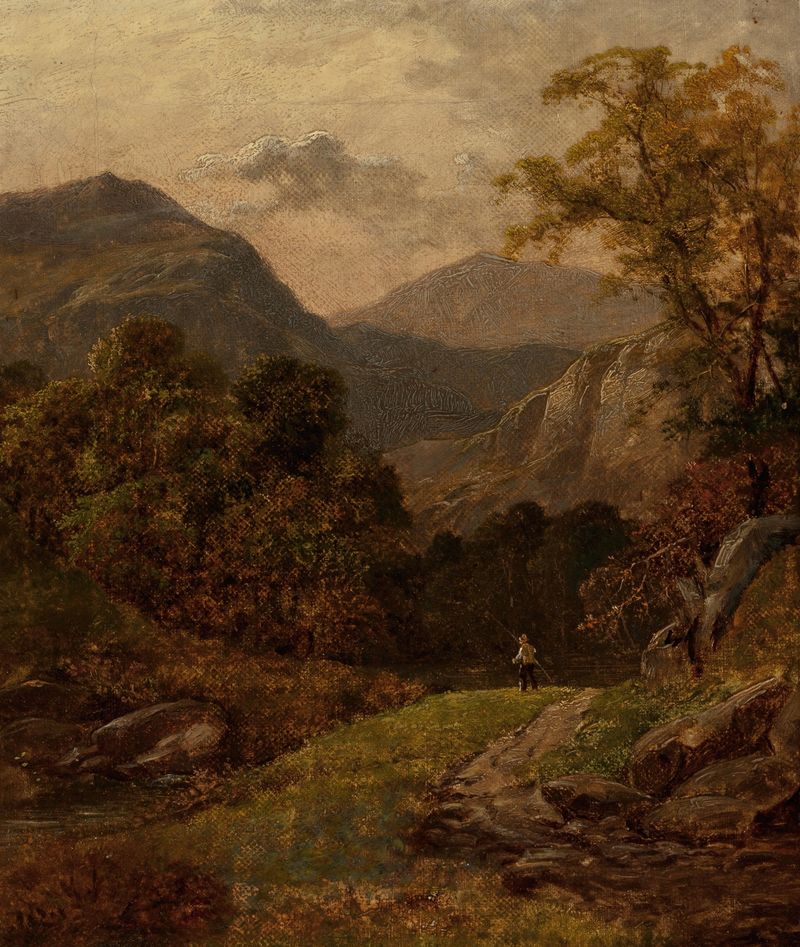
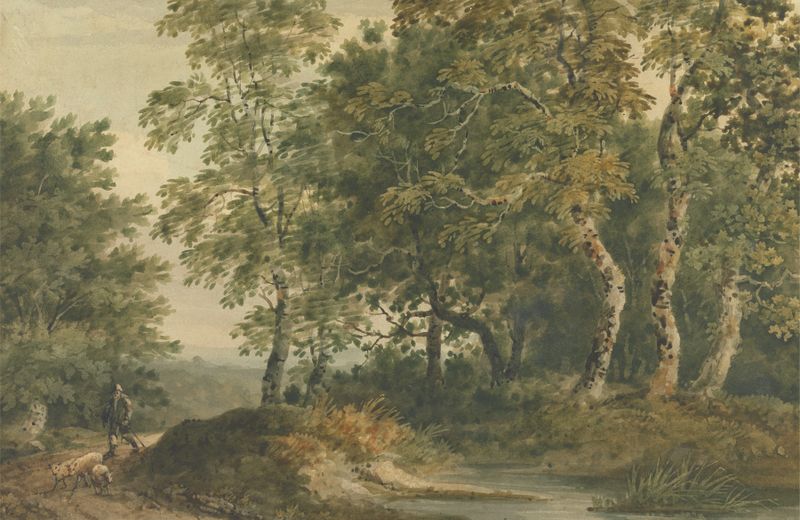
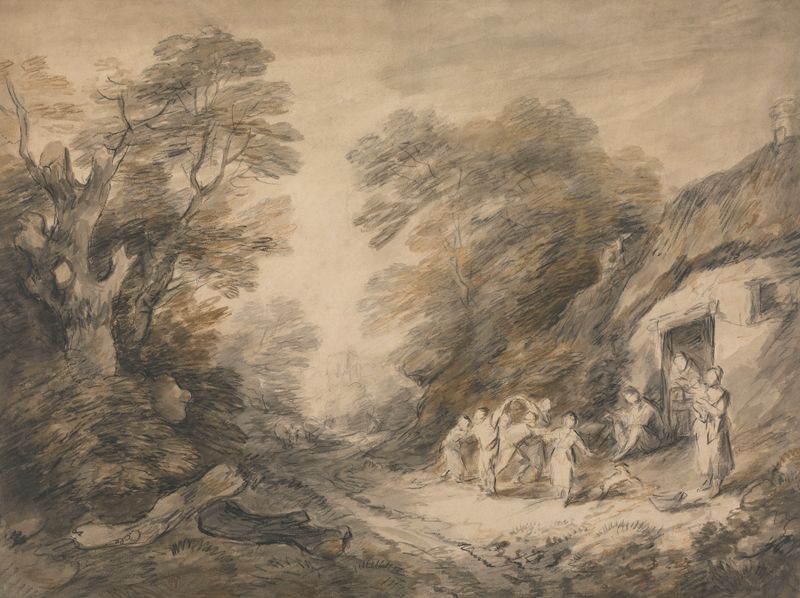
In a world where truths are often obscured, Small Landscape reveals the delicate balance between memory and reality, inviting us to reflect on what endures. Look to the foreground, where a lush meadow unfolds in gentle, verdant hues, inviting tranquility. Notice how the dappled light filters through the trees, casting intricate shadows upon the earth. The artist employs soft brushwork, blending greens and golds to evoke both the warmth of sunlight and the coolness of shade.
Each stroke seems to breathe life into the landscape, drawing the viewer’s eye deeper into the scene. Yet, beneath the painting’s serene surface lies a rich texture of emotional tension. The horizon, a thin line that separates the familiar from the unknown, whispers of the passage of time and the inevitable changes it brings. The stillness of the landscape suggests moments frozen in memory, while the vibrant colors pulse with the life that once filled the space.
It’s a juxtaposition of permanence and ephemerality, urging us to confront our own truths amidst the swirling chaos of existence. Created during a period of artistic exploration in the late 18th century, the artist found himself in a landscape transitioning between romanticism and realism. Working in England, he was influenced by the natural beauty surrounding him, as well as the shifting perceptions of art and nature. This painting reflects not only his personal experiences but also a broader movement toward capturing the essence of the world with honesty and reverence.