The Cottage Door — History & Facts
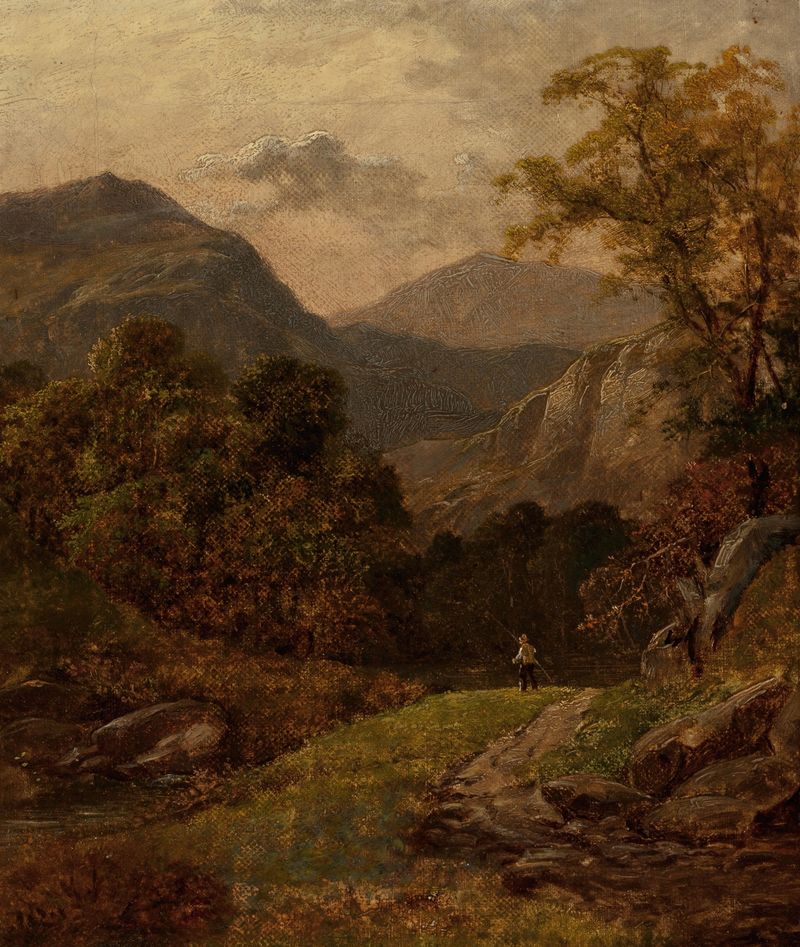
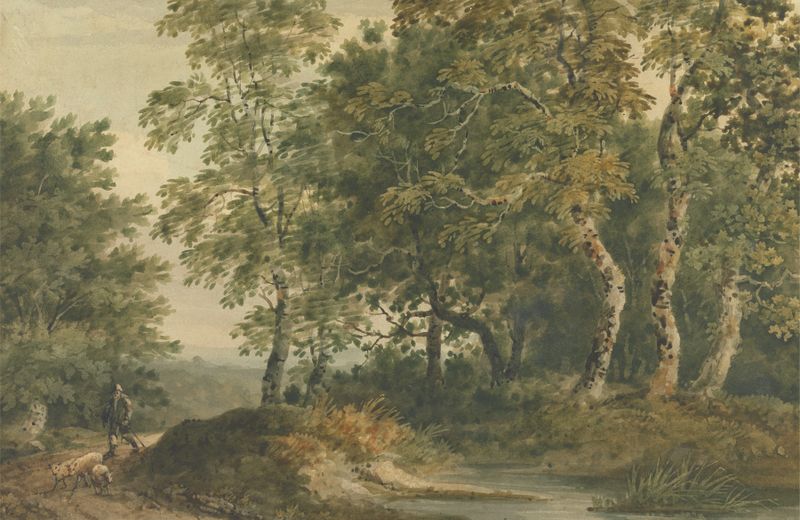
What secret hides in the quiet of the canvas? Behind the wooden door of a humble cottage, unspoken stories linger, echoing the whispers of revolution and change. Focus on the rich textures that define the scene; notice how the light dances across the door’s weathered surface, each brushstroke revealing time's passage. The muted palette of browns and greens evokes a sense of peace, yet hints at the tumult brewing beyond the threshold. Look closely at the intricacies of the foliage surrounding the entrance; the tangled vines seem to reach out, as if urging the viewer to step closer and uncover the mysteries held within. The composition teeters between serenity and anticipation.
The door, both inviting and enigmatic, suggests potential—a threshold that separates the known from the unknown. This duality mirrors the artist's own tumultuous era, where subtle shifts often ignited fervent change in society. The stillness of the cottage stands in stark contrast to the fervor of revolution, embodying the tension between tradition and progress. Created during a period when Thomas Barker was deeply engaged with themes of domestic life and social upheaval, this piece reflects a time of uncertainty in England.
The artist, actively painting around the late 18th century, skillfully blended realism with emotional depth, capturing the essence of life as it stood on the cusp of transformation. Each brushstroke resonates with the heartbeat of a society yearning for change, quietly beckoning viewers to reflect on their own crossroads.