
Beverly N.J. — History & Facts
The shimmering vistas of nature can mask the chaos that lies beneath, revealing the delicate balance between allure and madness. Look to the center of the canvas where a vibrant river winds its way through a dense forest, its surface catching the light with a golden hue. This shimmering effect contrasts with the deep greens and browns of the trees surrounding it, creating a visual tug-of-war between serenity and tumult. The sky above, a swirling mix of blues and whites, hints at an impending storm, suggesting that tranquility is often fleeting.
Moran's masterful brushwork, with its rhythmic strokes, guides the viewer’s eye along this path of beauty, inviting contemplation. The painting reveals hidden tensions through its juxtaposition of light and shadow. The serene river may symbolize peace, while the tempestuous clouds hint at underlying turmoil. The intricate details of the foliage offer a sense of depth, yet they also conceal the chaos of nature—an echo of the madness that can lurk behind beauty.
Each element in Beverly N.J. contributes to this dichotomy, prompting reflections on how we perceive our environment; the allure of the picturesque often obscures deeper truths. Created between 1880 and 1889, this work emerged during a period when Thomas Moran was increasingly celebrated for his landscape paintings. It was a time when the American art scene was evolving, as artists sought to capture the grandeur of nature while grappling with emerging industrialization. Moran's focus on the sublime reflects both his personal journey and the broader cultural shifts, as he navigated the tension between the pastoral ideal and the encroaching chaos of modern life.
More Artworks by Thomas Moran
Browse all →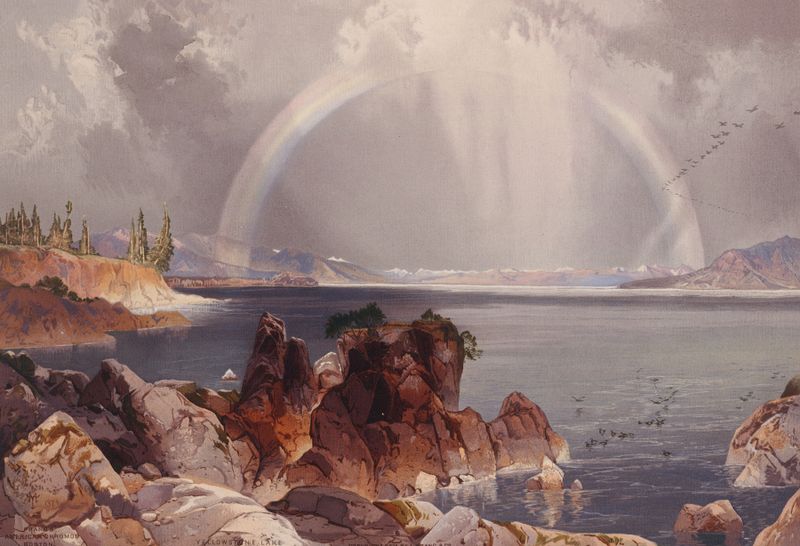
Yellowstone Lake
Thomas Moran

Grand Canyon of the Colorado River
Thomas Moran

Grand Canyon, Colorado River
Thomas Moran

The Towers of Tower Falls, Yellowstone
Thomas Moran
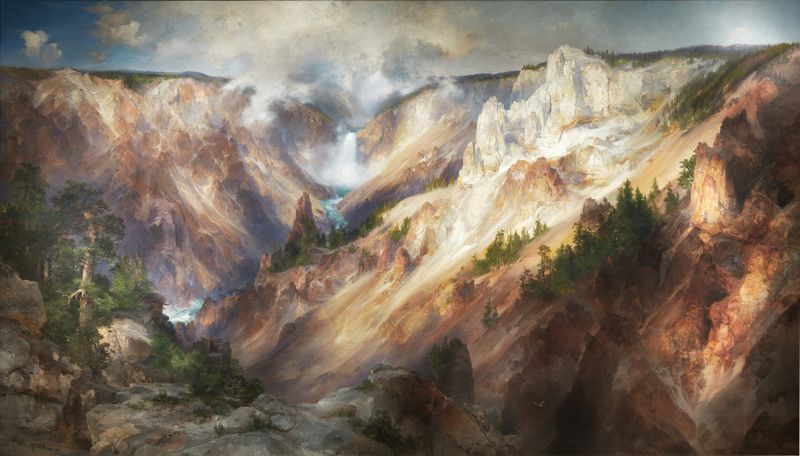
The Grand Canyon Of The Yellowstone
Thomas Moran

Mountain of the Holy Cross
Thomas Moran

Cliffs Of The Upper Colorado River, Wyoming Territory
Thomas Moran
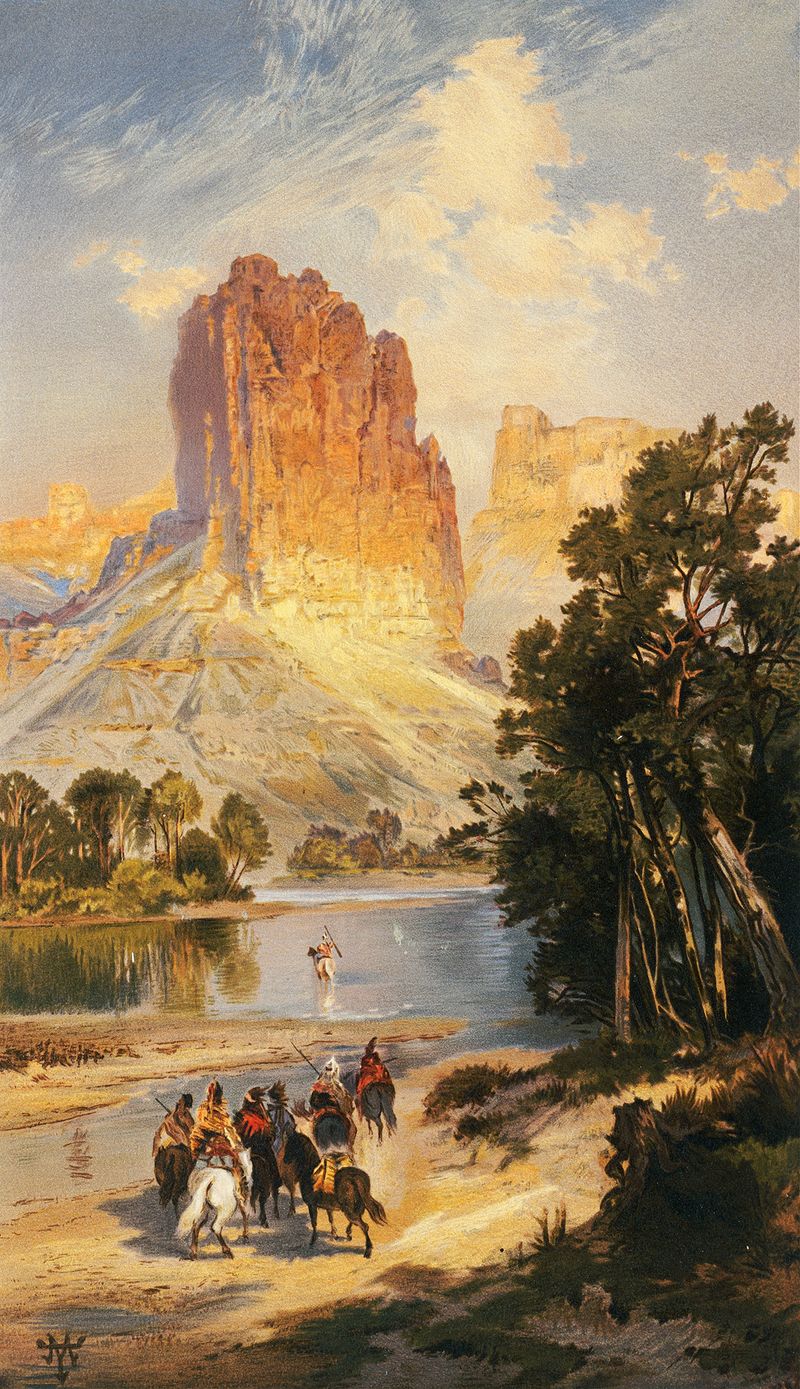
Cliffs of the Upper Colorado River, Wyoming Territory
Thomas Moran

Mammoth Hot Springs, Yellowstone
Thomas Moran
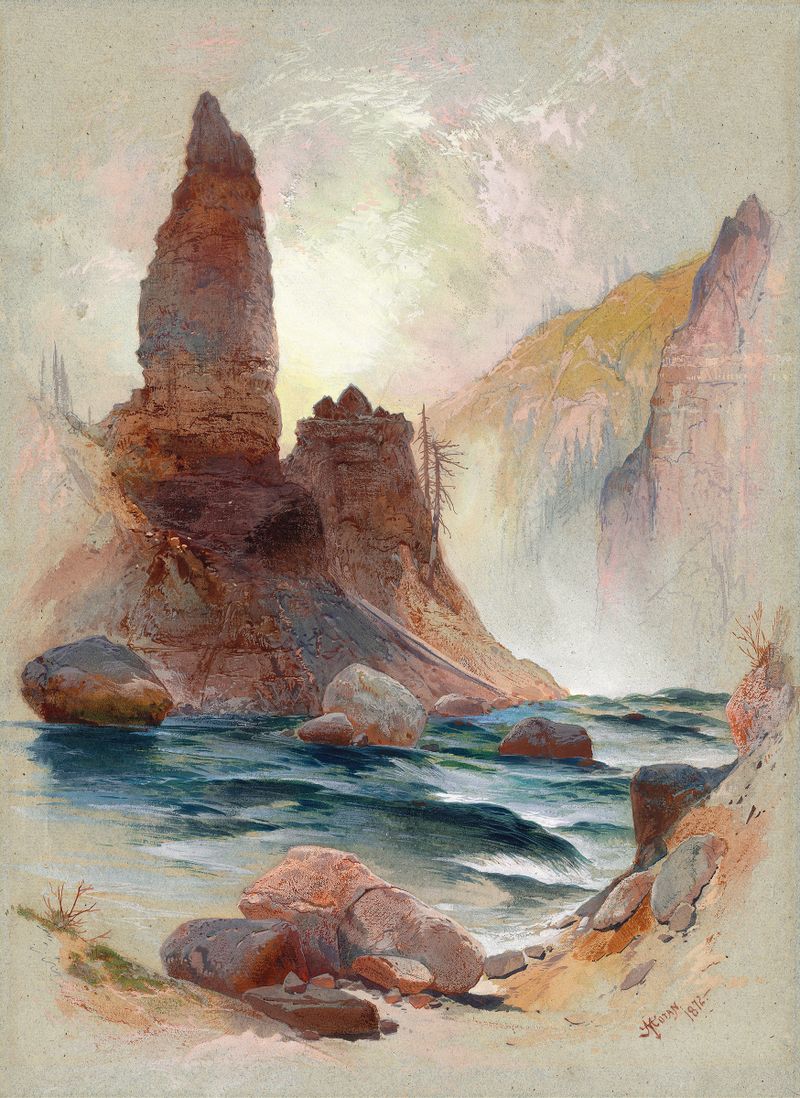
Tower at Tower Falls, Yellowstone
Thomas Moran





