
Bewening — History & Facts
Can paint confess what words never could? In Bewening, the intricate details of Dürer’s artistry weave a narrative that transcends mere language, beckoning the viewer into a realm of introspection and reverie. Start by examining the center of the composition, where two figures, draped in flowing garments, evoke a sense of solemnity and contemplation. Notice how Dürer skillfully employs a muted palette of earth tones that underscores the emotional gravity of the scene. The interplay of light and shadow on their faces captures a moment of profound connection and sorrow, leading the eye through their expressions, inviting you to feel their shared experience. Delve deeper into the subtleties, where the decorative elements frame the figures, suggesting a bridge between the earthly and the ethereal.
The delicate details of their hands, clasped yet reluctant, speak volumes about yearning and the fragility of human relationships. Each brushstroke holds the weight of unspoken dreams and desires, creating an emotional landscape that mirrors the complexity of the human condition. During 1498-1499, Dürer was in Nuremberg, deeply influenced by the shifting tides of the Renaissance and the burgeoning interest in human emotion and realism. This era marked a significant turning point in art, as artists began to explore more intimate themes.
Bewening stands as a testament to Dürer’s mastery and innovation, capturing a moment that resonates through time, allowing viewers to grapple with their own dreams and confessions.
More Artworks by Albrecht Dürer
Browse all →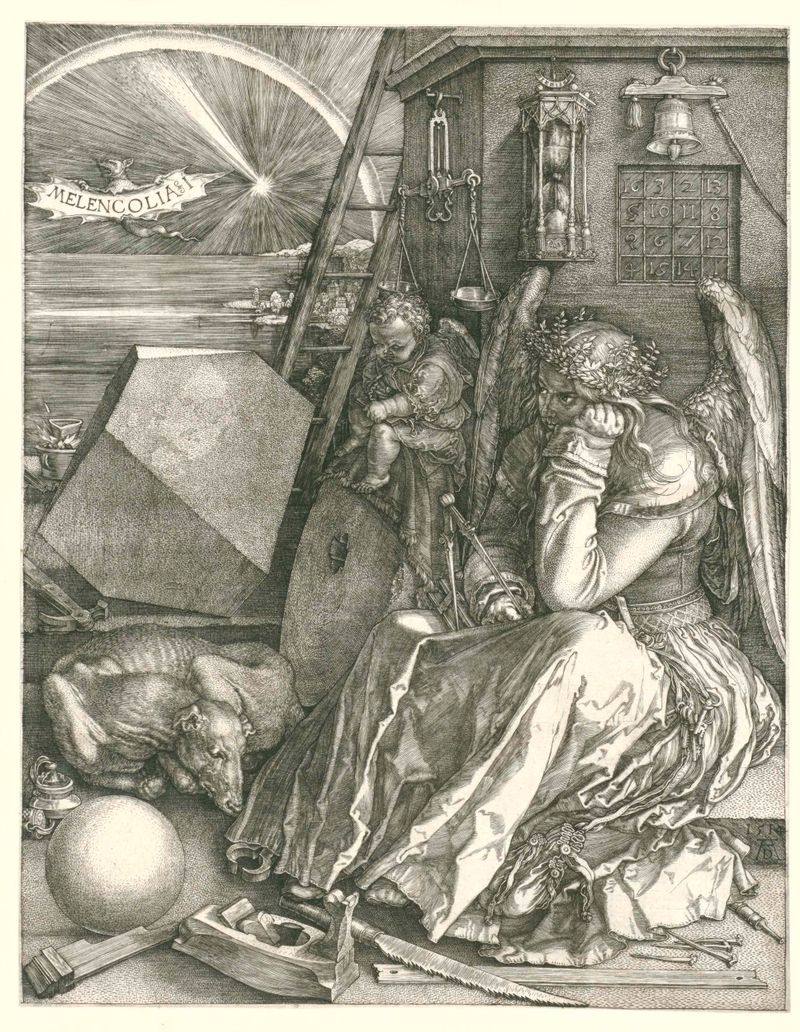
Melancholia
Albrecht Dürer
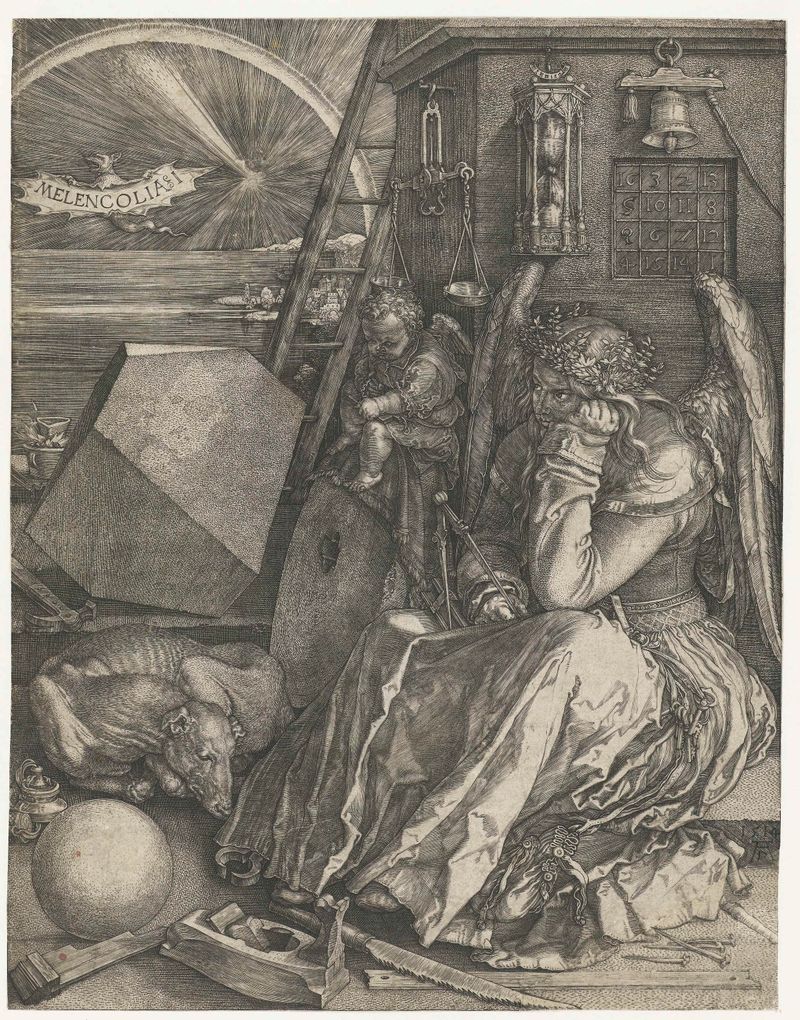
Melancholie
Albrecht Dürer
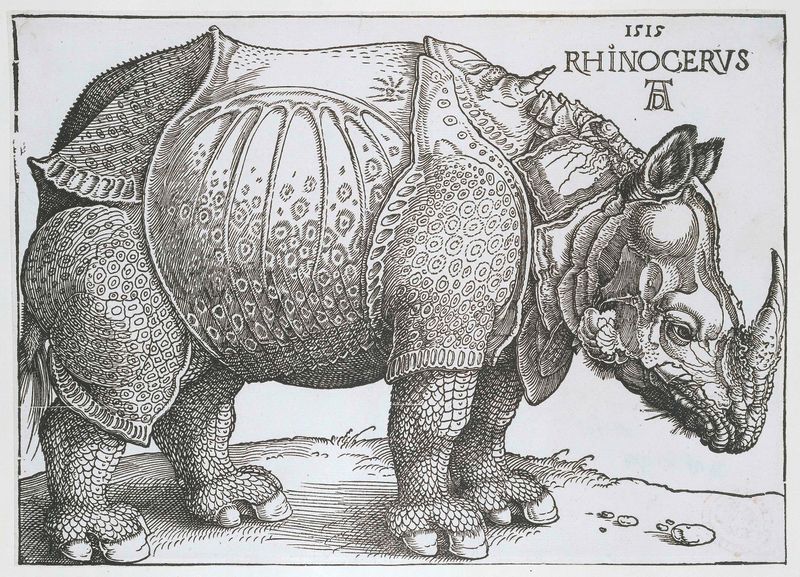
Neushoorn
Albrecht Dürer
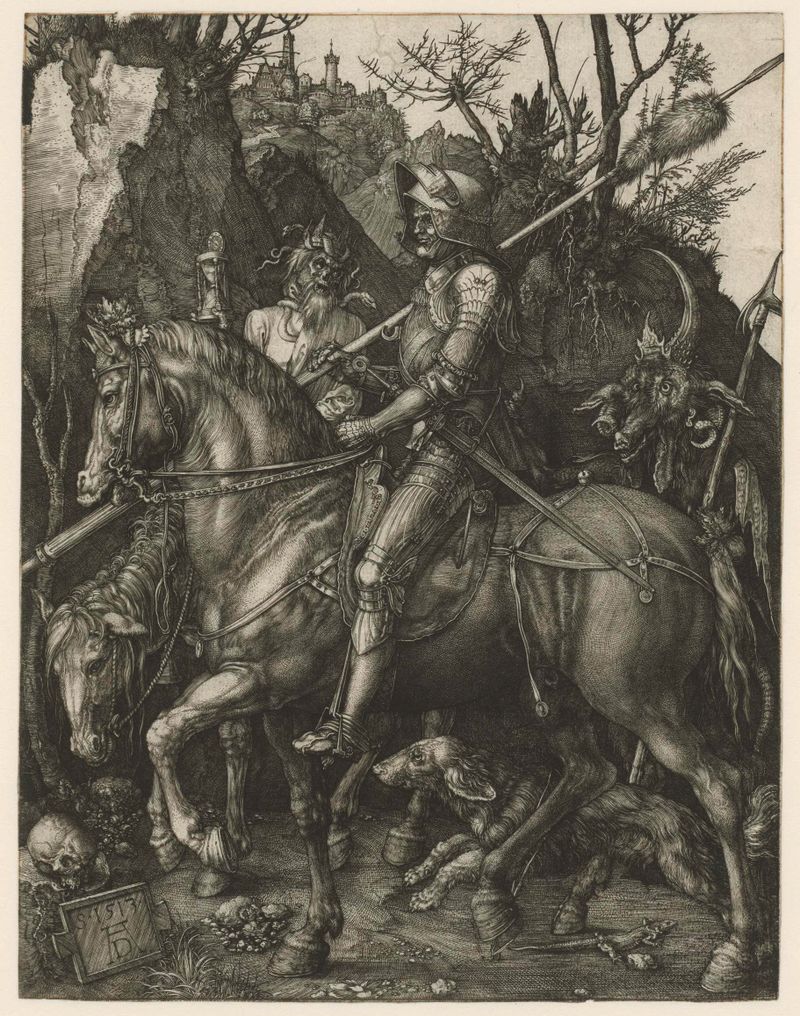
Knight, Death, and the Devil
Albrecht Dürer

De vier ruiters van de apocalyps
Albrecht Dürer

De vier ruiters van de apocalyps
Albrecht Dürer
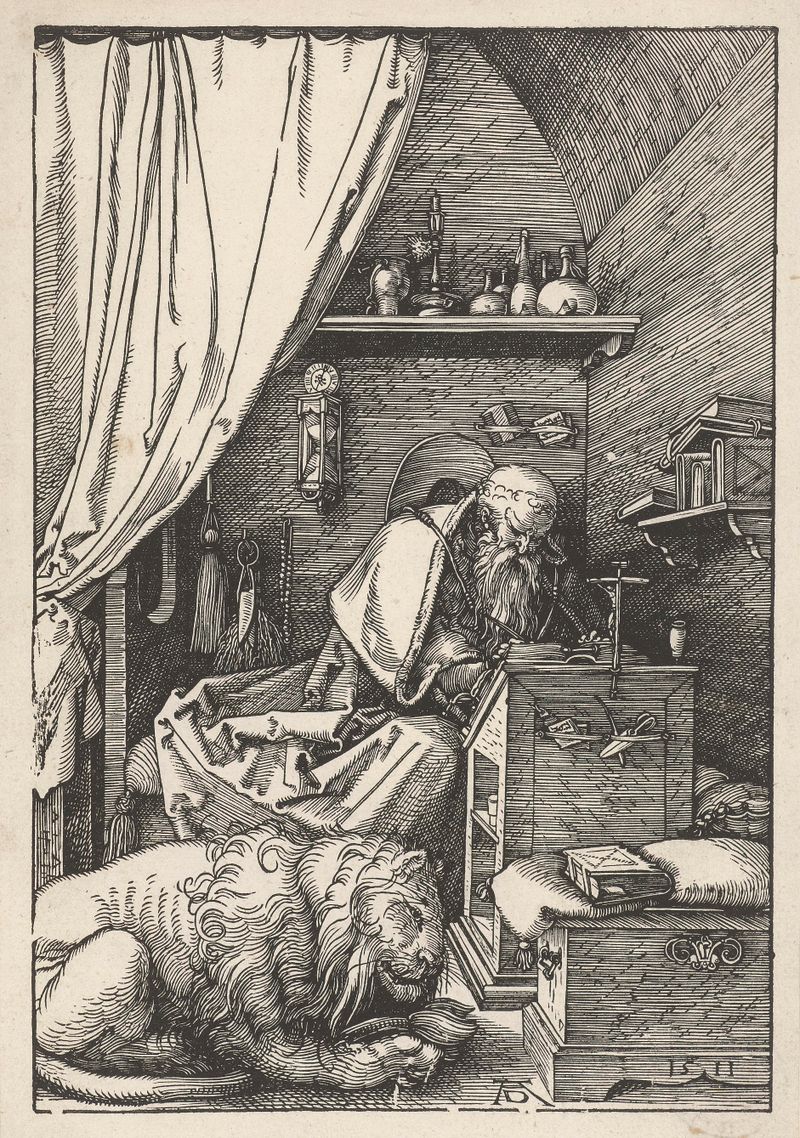
De Heilige Hiëronymus in zijn studeervertrek
Albrecht Dürer
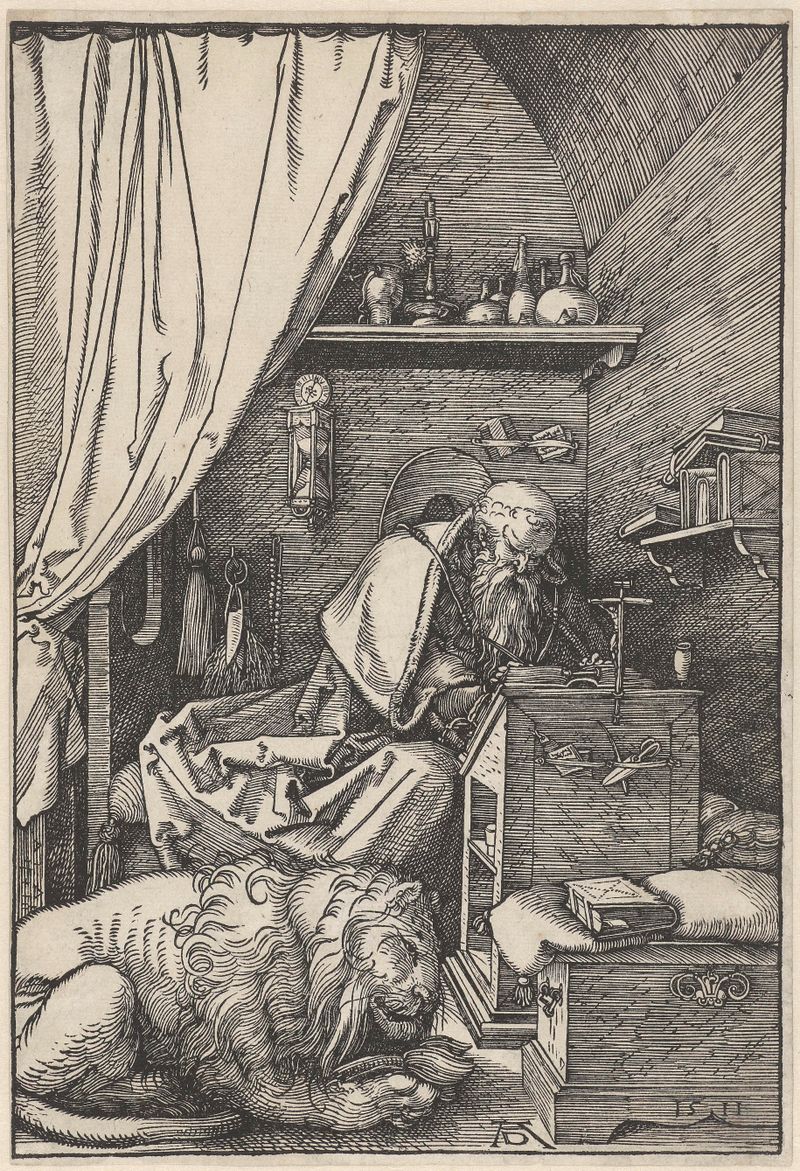
De Heilige Hiëronymus in zijn studeervertrek
Albrecht Dürer
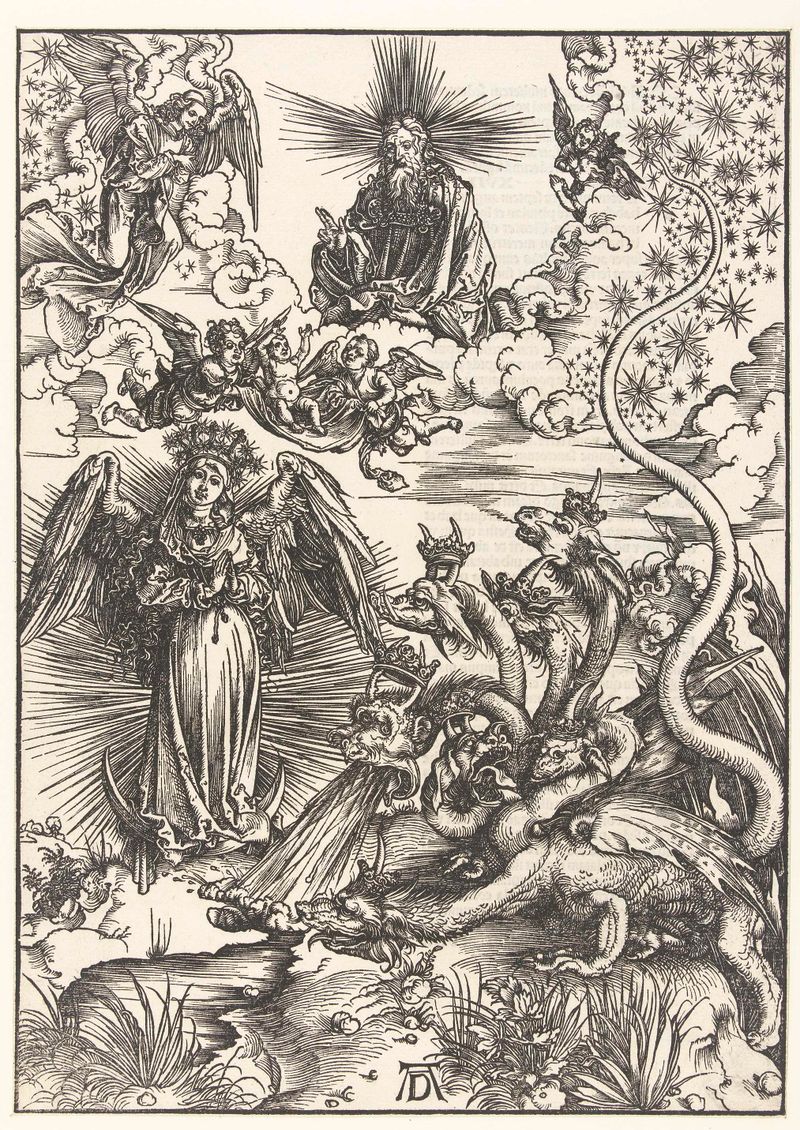
De apocalyptische vrouw en de zevenkoppige draak
Albrecht Dürer
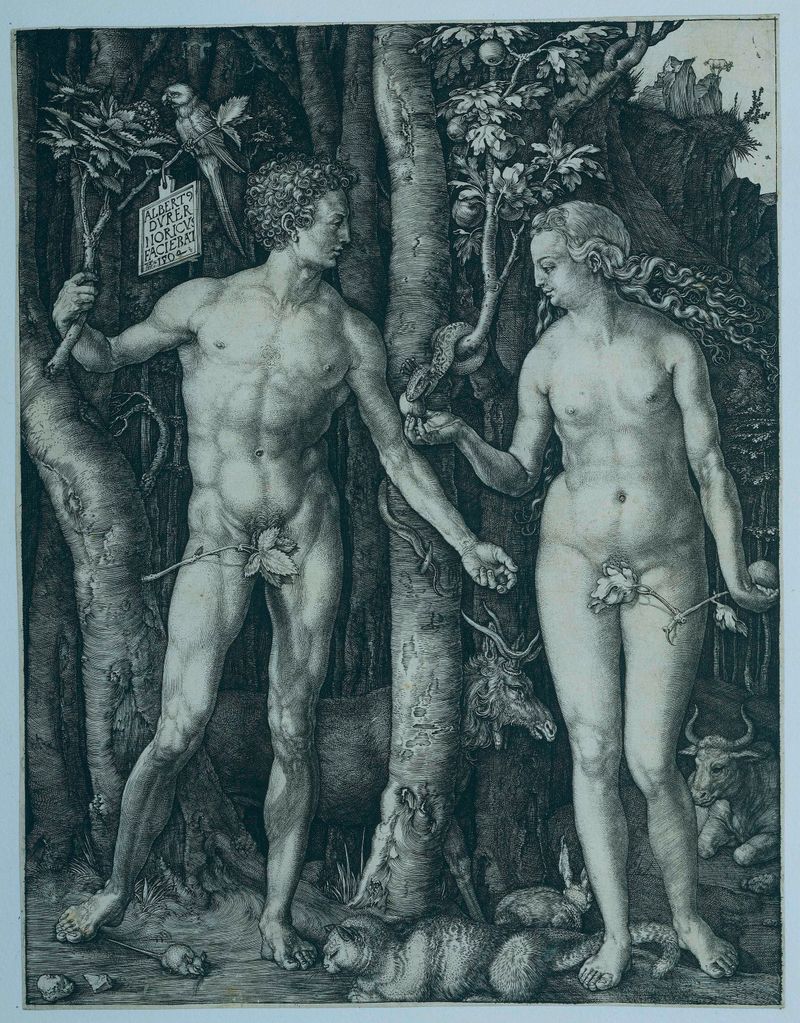
Adam en Eva
Albrecht Dürer
More Religious Art
Browse all →
The Return of the Prodigal Son
Rembrandt van Rijn

The Garden of Earthly Delights
El Bosco

Count Orgaz’ funeral
El Greco

The Hundred Guilder Print: the central piece with Christ preaching, the plate arched
Rembrandt van Rijn

The Descent from the Cross
Rogier van der Weyden

The return of the prodigal son
Rembrandt van Rijn