
Bewening — History & Facts
In the stillness of Bewening, an unsettling void lingers, inviting viewers to confront their own reflections on mortality and the weight of existence. Look closely at the somber figures occupying the foreground, their postures a blend of reverence and despair. Notice how Dürer employs a muted palette of greys and earth tones, allowing the light to subtly caress the faces, highlighting furrowed brows and closed eyes. The stark contrast between the shadowy background and the illuminated subjects amplifies the tension, as if time itself has paused in this moment of mourning.
The composition draws the eye to the central figure, capturing the profound stillness that envelops each character in this haunting tableau. Delve deeper into the intricate details that breathe life into this scene of sorrow. The delicate folds of the garments hint at the weight of grief, while the interplay of light and shadow creates a palpable sense of longing. The absence of vibrant color reflects a world stripped of joy, further enhancing the emotional landscape.
Each gesture speaks volumes; a hand gently clasped, a head bowed in prayer, suggests a collective experience of loss that transcends individual narratives, uniting them in their shared silence. Albrecht Dürer created Bewening in 1511 while living in Nuremberg, a city at the crossroads of the Northern Renaissance. At this time, he was establishing himself as a master printmaker and painter, navigating the intricate relationship between art and spirituality. As Europe grappled with the tensions of the Reformation, Dürer’s work began to reflect profound philosophical inquiries, illustrating the complex interplay between life, death, and the void that follows.
More Artworks by Albrecht Dürer
Browse all →
Melancholia
Albrecht Dürer
Melancholie
Albrecht Dürer

Neushoorn
Albrecht Dürer
Knight, Death, and the Devil
Albrecht Dürer

De vier ruiters van de apocalyps
Albrecht Dürer

De vier ruiters van de apocalyps
Albrecht Dürer
De Heilige Hiëronymus in zijn studeervertrek
Albrecht Dürer
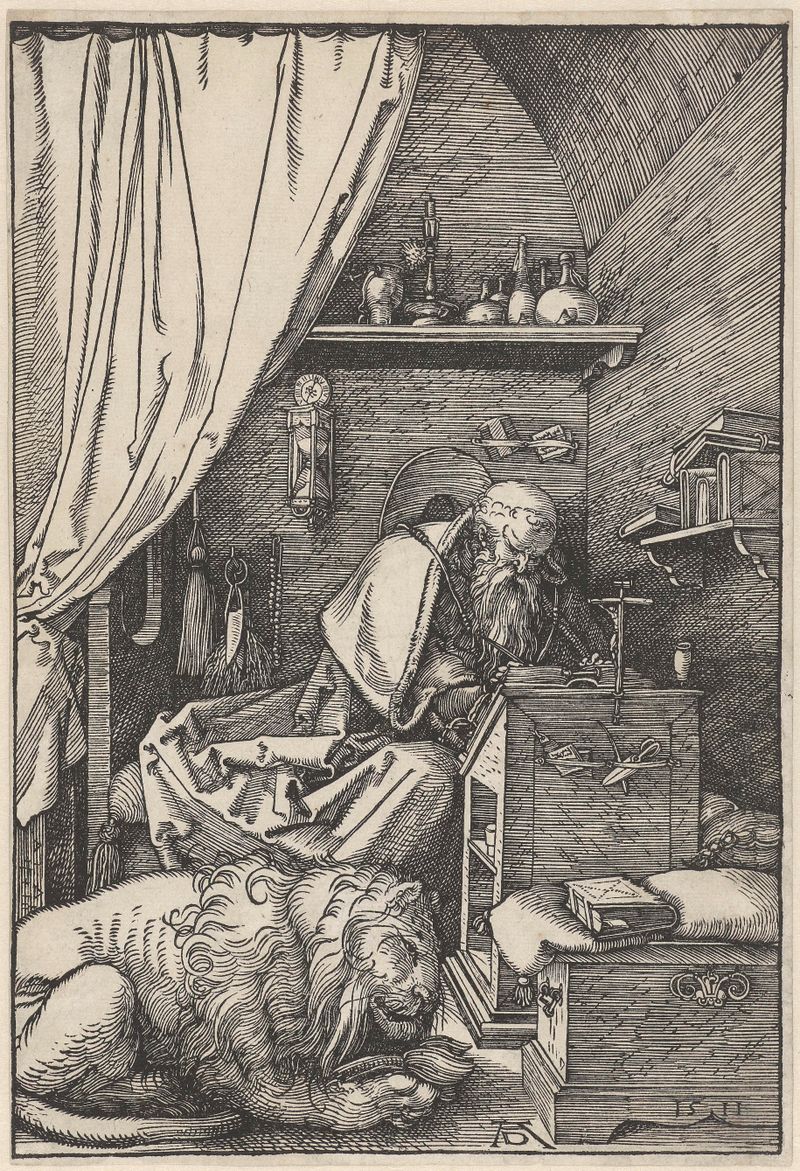
De Heilige Hiëronymus in zijn studeervertrek
Albrecht Dürer
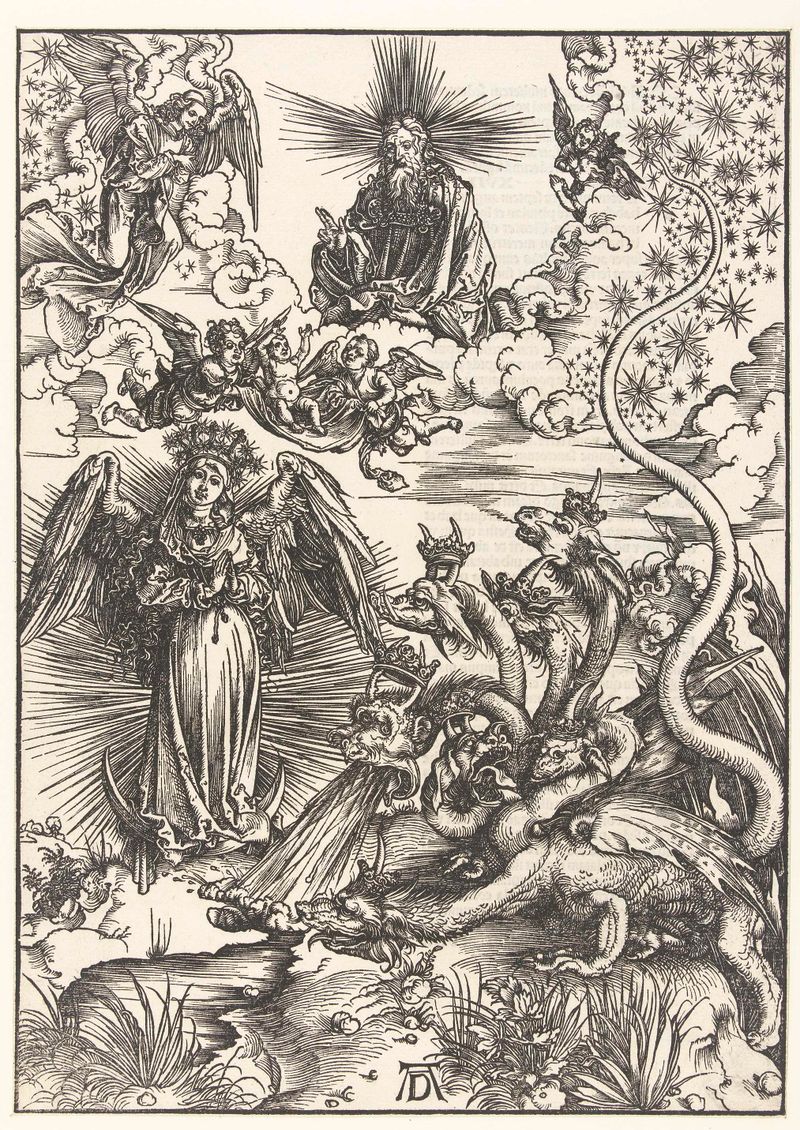
De apocalyptische vrouw en de zevenkoppige draak
Albrecht Dürer
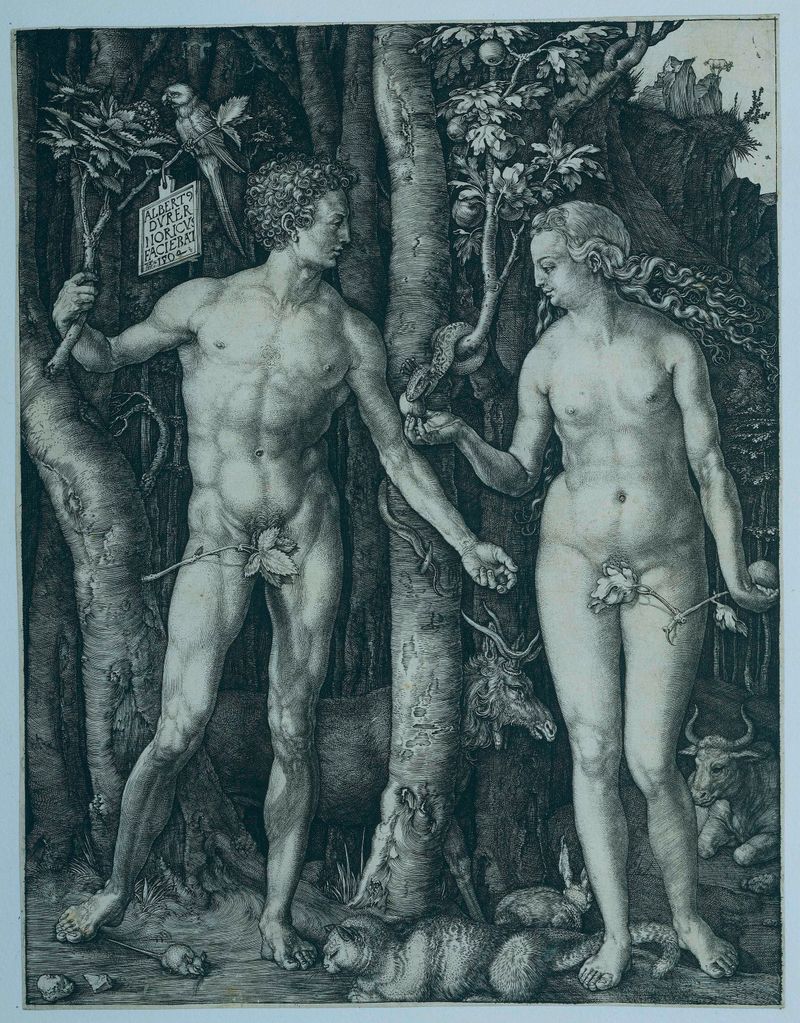
Adam en Eva
Albrecht Dürer
More Religious Art
Browse all →
The Return of the Prodigal Son
Rembrandt van Rijn

The Garden of Earthly Delights
El Bosco

Count Orgaz’ funeral
El Greco

The Hundred Guilder Print: the central piece with Christ preaching, the plate arched
Rembrandt van Rijn

The Descent from the Cross
Rogier van der Weyden

The return of the prodigal son
Rembrandt van Rijn