
Biddle Stair, Goat Island, July 22, 1846 — History & Facts
When did color learn to lie? In the delicate balance of this artwork, the hues whisper stories of hope and illusion, inviting us to delve deeper into the heart of nature’s beauty. Look to the foreground, where the staircase winds like a ribbon through the verdant landscape, its steps bathed in dappled sunlight. Notice how the artist employs rich greens and soft blues, creating a luminous atmosphere that evokes an almost dreamlike quality. The composition plays with perspective, leading the eye upward toward the distant horizon, where the sky meets the land in a gentle embrace.
The interplay of light and shadow not only frames the stairs but also infuses the piece with a sense of serenity and anticipation. Yet, within this picturesque scene lies a subtle tension. The staircase, inviting yet precarious, represents the journey between the known and the unknown, a metaphor for the choices we face in life. The vibrant colors of the foliage suggest flourishing growth, while the muted tones of the sky foreshadow an impending storm.
This contrast evokes a poignant reminder that beauty often exists alongside uncertainty—hope interwoven with the complexities of life. In the summer of 1846, Biddle Stair, Goat Island emerged from the hands of Michael Seymour while he explored the scenic beauty of Niagara Falls. Art was undergoing a shift, as many artists were embracing the principles of Romanticism, focusing on the sublime aspects of nature. At this time, Seymour sought to capture both the grandeur and the intricacies of the American landscape, navigating the delicate balance between realism and a more emotive interpretation of the world around him.
More Artworks by Michael Seymour
Browse all →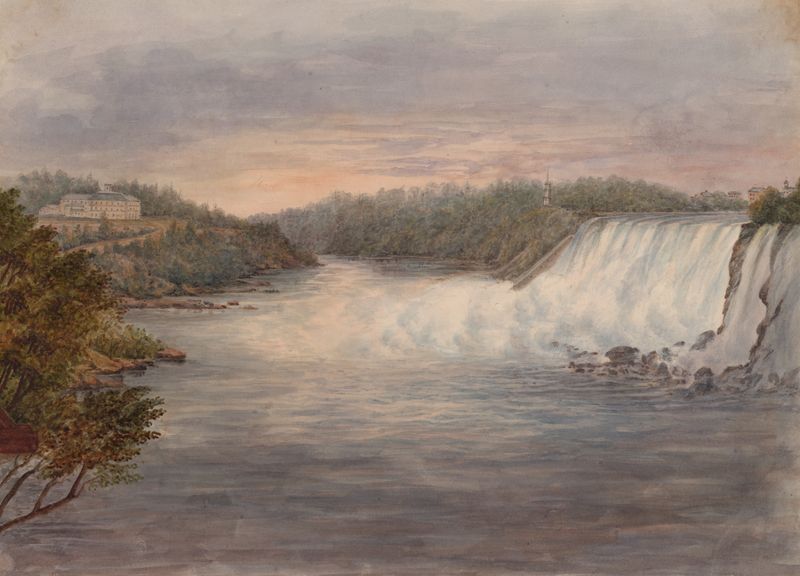
Clifton House & Niagara, Monday, July 22d, 1846, from above the Stair – Table Rock
Michael Seymour
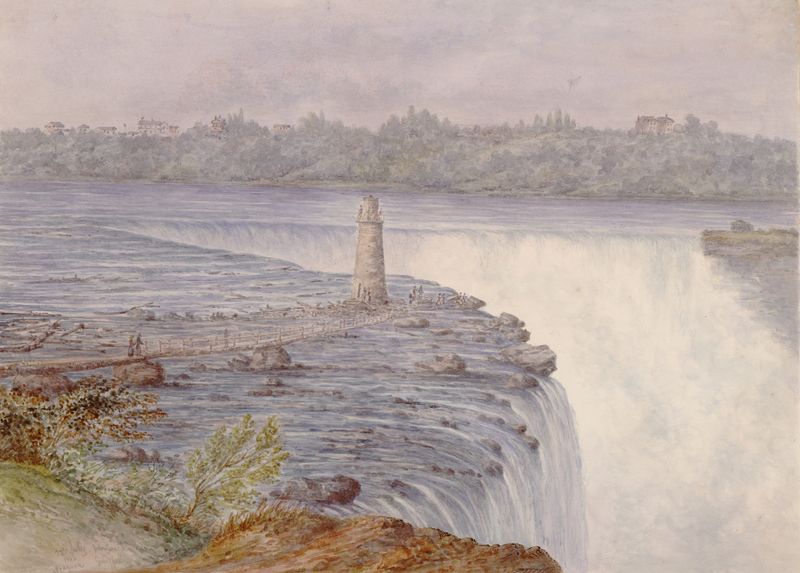
Grand Falls at Niagara from near the observatory, Goat Island, July 22, 1846
Michael Seymour
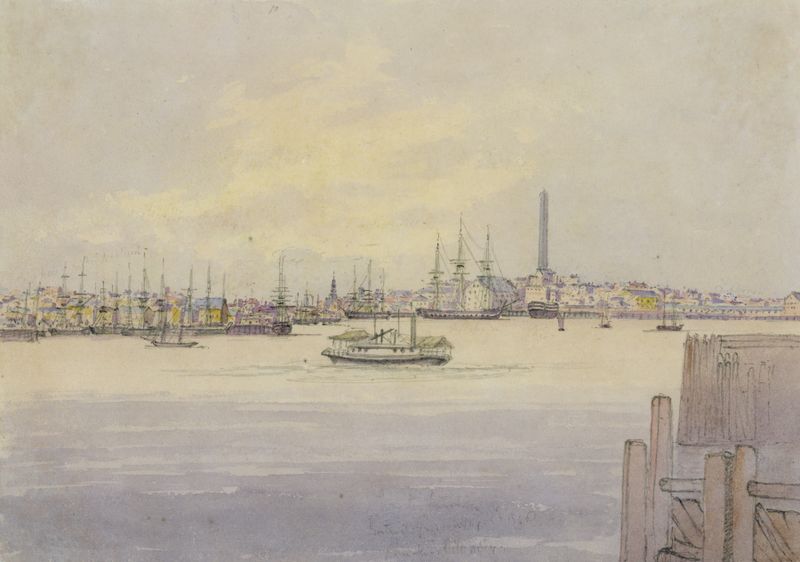
From the Cambria steamer, starting from Boston, U.S. Bunker’s Hill Monument
Michael Seymour

The Highlands from Newburgh and Butter Hill, Hudson River
Michael Seymour
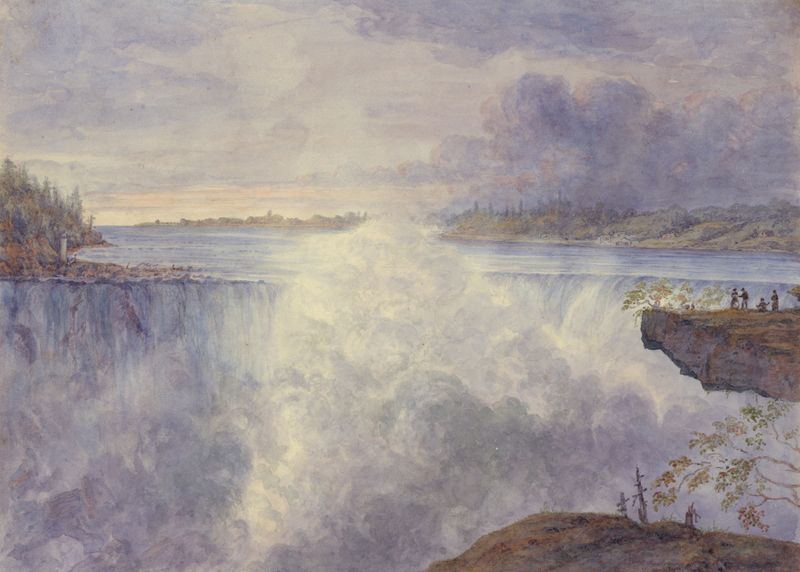
Grand Falls at Niagara from near the Table Rock, Canada side, July 22, 1846
Michael Seymour
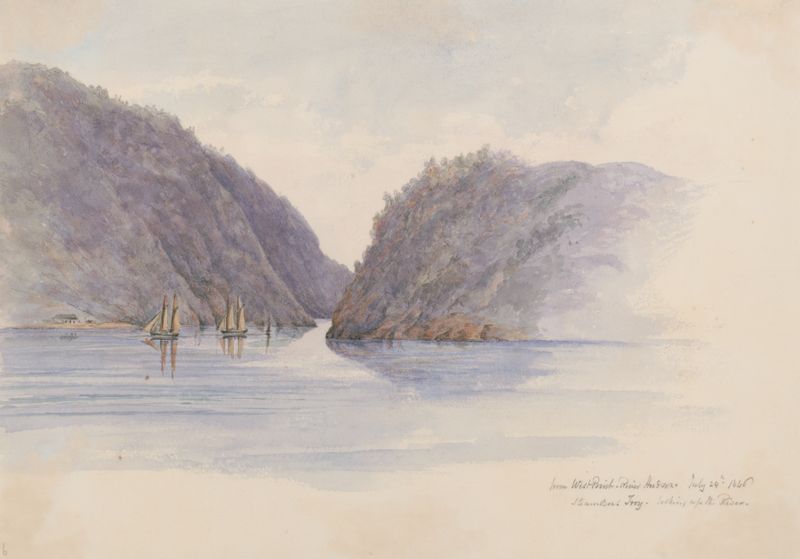
Looking up the Hudson from West Point U.S. July 24th 1846
Michael Seymour
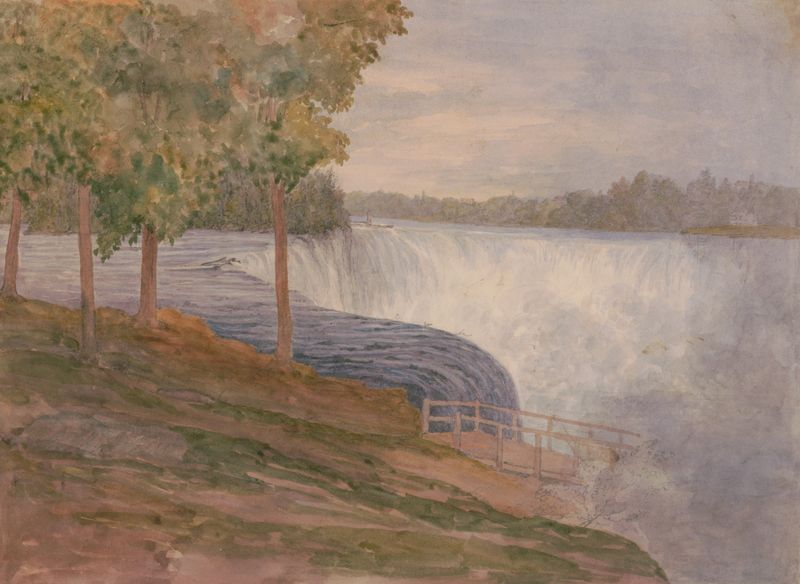
First sight of falls of Niagara before descending the ferry stairs, Wednesday July 22nd 1846
Michael Seymour

Approaching West Point, going down the Hudson, July 24, 1846
Michael Seymour
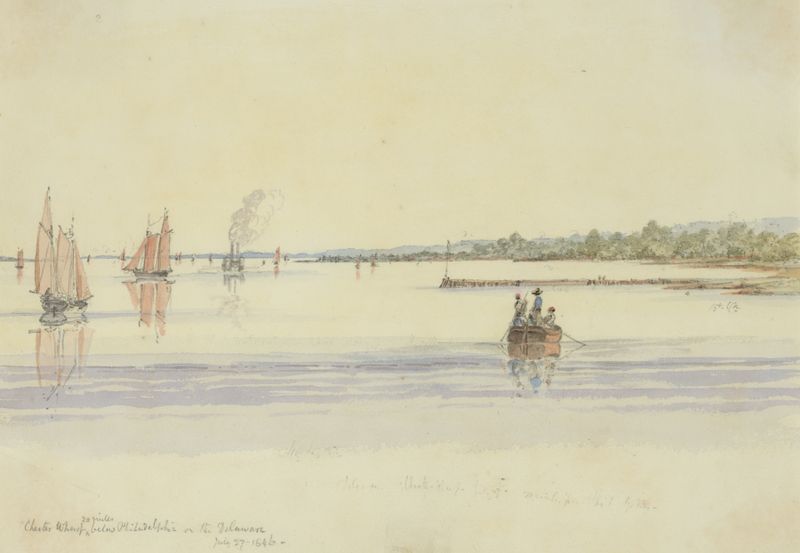
Chester Wharf 20 miles below Philadelphia on the Delaware, July 27, 1846
Michael Seymour

Stony Point, near Gibraltar, on the Hudson River, U.S. July 24th 1846
Michael Seymour





