
Grand Falls at Niagara from near the observatory, Goat Island, July 22, 1846 — History & Facts
Time, a silent current, flows through the landscape, connecting the past and future. It reminds us of the fleeting moment captured in a vivid scene amid the relentless rush of the falls. Look to the center of the canvas where the powerful cascade of water draws your gaze, its frothy white peaks contrasting dramatically with the deep greens of the surrounding foliage. Notice how the artist employs a muted palette, allowing the natural light to dance over the falls, illuminating their tumultuous beauty.
Every stroke serves to encapsulate the moment, inviting viewers to explore the texture of the water, the solidity of the rocks, and the serenity of the wooded surroundings. As you delve deeper, observe the subtle interplay between the chaos of the falls and the calmness of the land. The turbulent rush of water symbolizes life's uncontrollable forces, while the sturdy trees and rocks represent enduring stability. This contrast evokes a profound sense of harmony, suggesting a balance between the ebbs and flows of existence.
Each detail, from the delicate mist rising in the air to the shadows cast by the trees, speaks of time’s passage, inviting reflection on how natural beauty persists amid constant change. In July 1846, Michael Seymour painted this tranquil yet powerful scene near the observatory on Goat Island, a vantage point that offered a unique perspective of the renowned falls. At the time, America was experiencing a surge in appreciation for natural landscapes, with artists increasingly seeking to capture the sublime beauty of the untamed wilderness. Seymour, influenced by the romantic movement, sought to convey both the majesty of nature and the ephemerality of its display, a theme that would remain relevant in the evolving art world.
More Artworks by Michael Seymour
Browse all →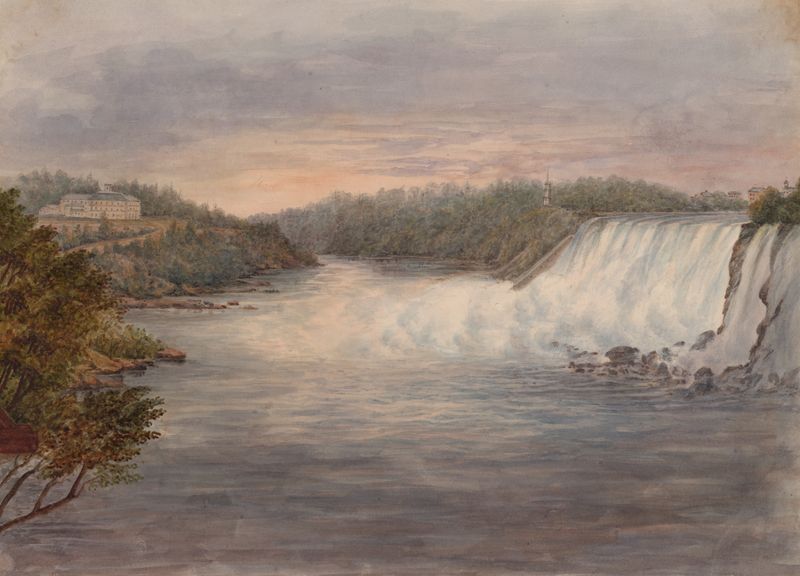
Clifton House & Niagara, Monday, July 22d, 1846, from above the Stair – Table Rock
Michael Seymour
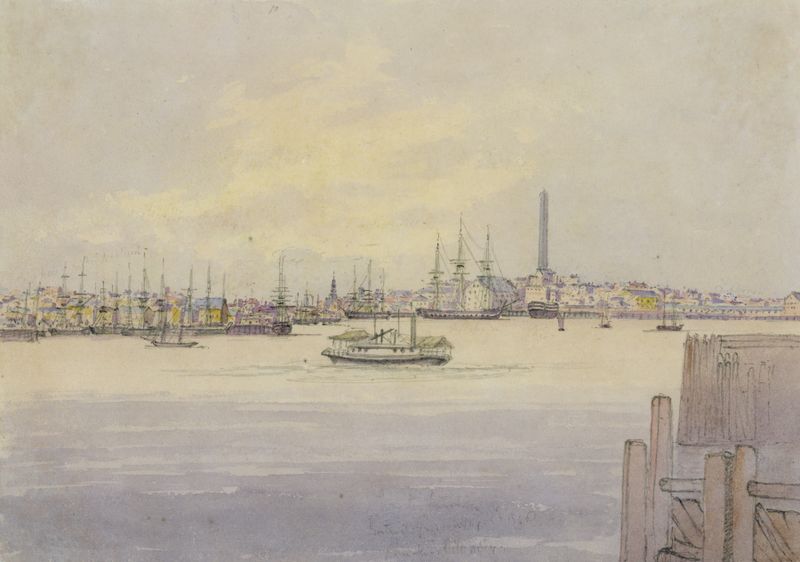
From the Cambria steamer, starting from Boston, U.S. Bunker’s Hill Monument
Michael Seymour

The Highlands from Newburgh and Butter Hill, Hudson River
Michael Seymour
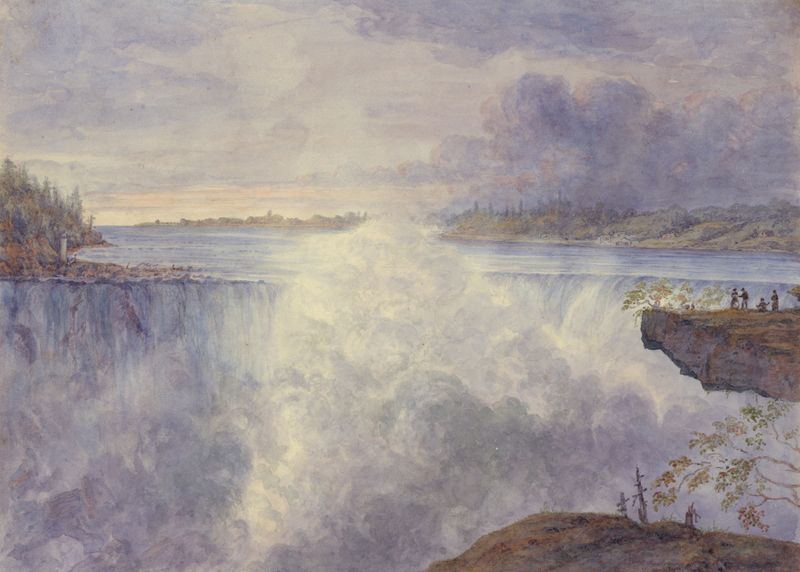
Grand Falls at Niagara from near the Table Rock, Canada side, July 22, 1846
Michael Seymour
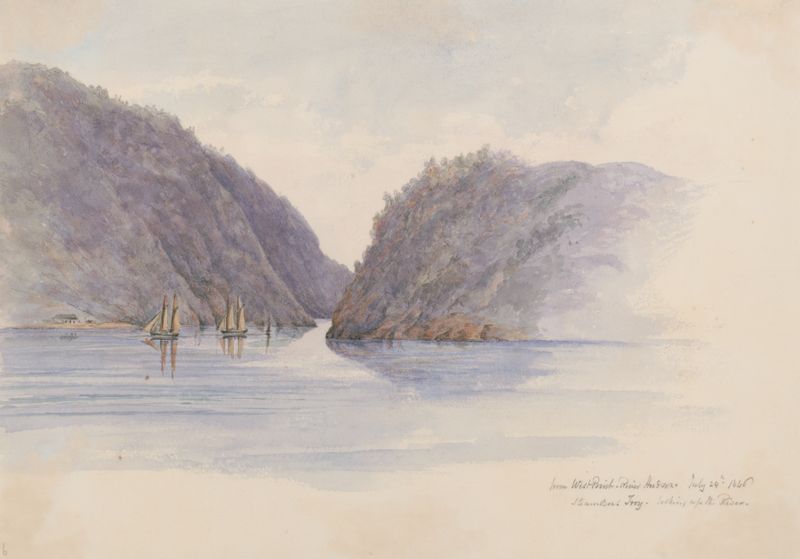
Looking up the Hudson from West Point U.S. July 24th 1846
Michael Seymour
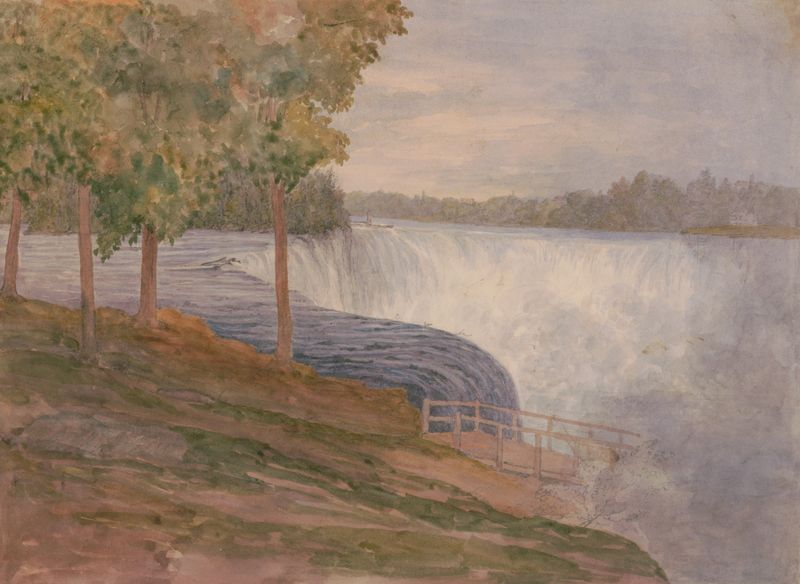
First sight of falls of Niagara before descending the ferry stairs, Wednesday July 22nd 1846
Michael Seymour

Approaching West Point, going down the Hudson, July 24, 1846
Michael Seymour
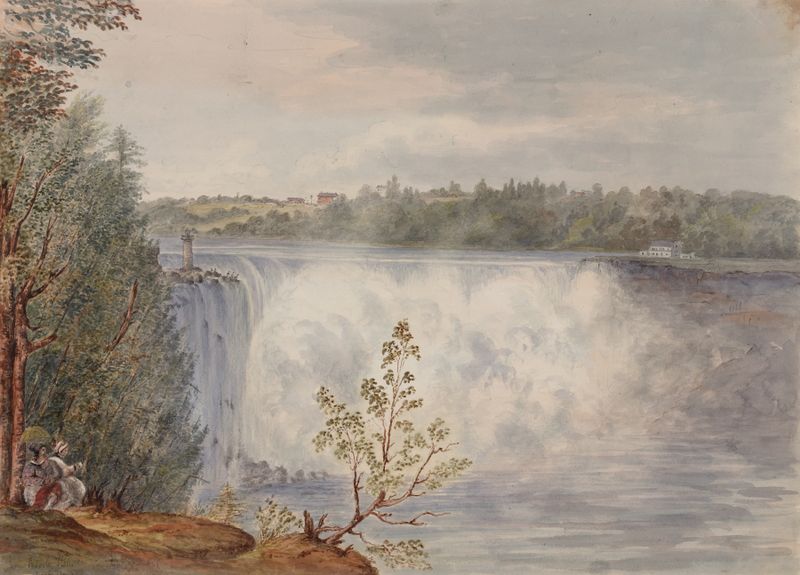
Biddle Stair, Goat Island, July 22, 1846
Michael Seymour
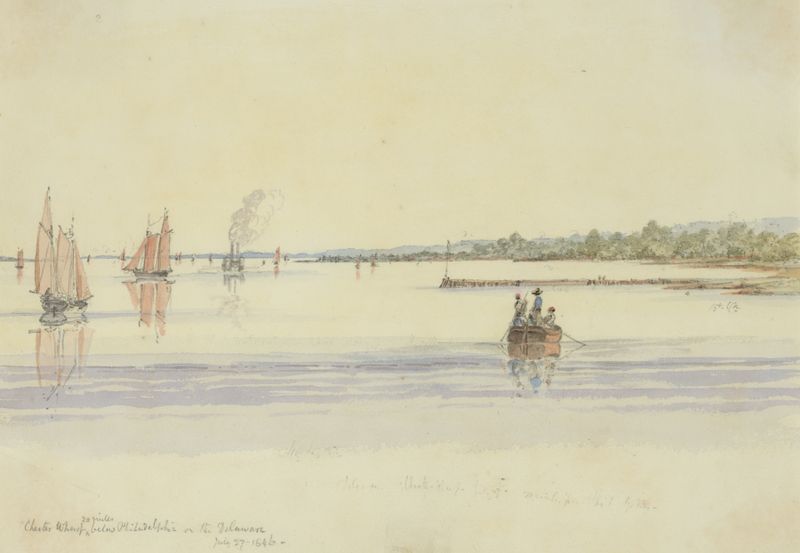
Chester Wharf 20 miles below Philadelphia on the Delaware, July 27, 1846
Michael Seymour

Stony Point, near Gibraltar, on the Hudson River, U.S. July 24th 1846
Michael Seymour





