
From the Cambria steamer, starting from Boston, U.S. Bunker’s Hill Monument — History & Facts
Could beauty survive in a century of chaos? A question echoes through the ages, inviting contemplation as we gaze upon the serene panorama captured by the artist. This artwork stands not only as a tribute to a monument but as a profound meditation on mortality and the legacy we leave behind. Look to the foreground where the Cambria steamer glides effortlessly along the water, its sleek lines contrasting with the rugged silhouette of Bunker Hill Monument rising in the distance. The maritime hues of deep blues and soft grays envelop the scene, while the early evening sky blushes with hints of orange and pink.
Notice how the light dances on the water’s surface, creating a shimmering path of reflection that draws the eye toward the towering monument, grounding the composition in both the present and the past. Amid the serene beauty lies an undercurrent of emotional tension. The juxtaposition of the steamer’s modernity against the historical significance of the monument invites the viewer to ponder the passage of time and the mortal journey we all undertake. Each brushstroke carries a whisper of nostalgia, reminding us of the sacrifices made at Bunker Hill and the ongoing struggle for identity in a rapidly changing world.
This artwork captures not just a moment in time but also the echoes of lives intertwined with the monument’s history. In 1846, Michael Seymour painted this piece during a period of burgeoning national identity in the United States, marked by growth and ambition. As America wrestled with its past, the artist found inspiration in the very landscape that witnessed its triumphs and trials. In an era of transformation, this work stands as a poignant reminder of both beauty and the inevitability of mortality.
More Artworks by Michael Seymour
Browse all →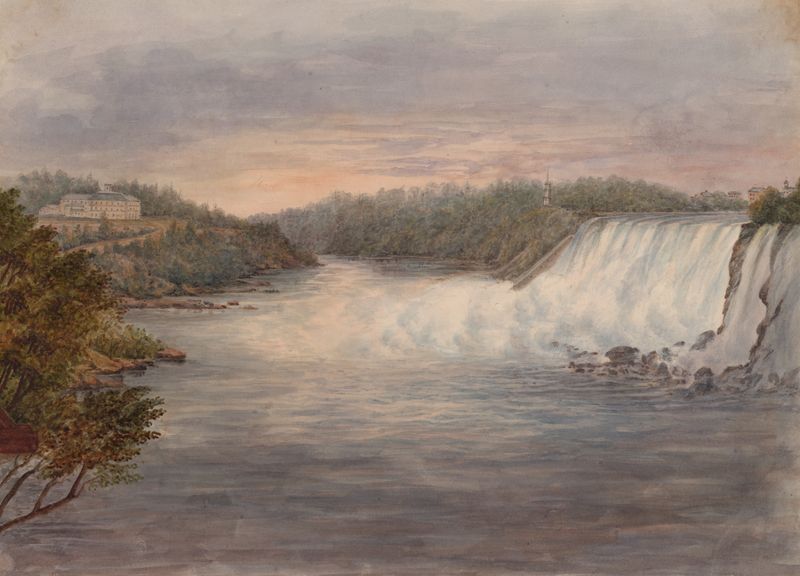
Clifton House & Niagara, Monday, July 22d, 1846, from above the Stair – Table Rock
Michael Seymour
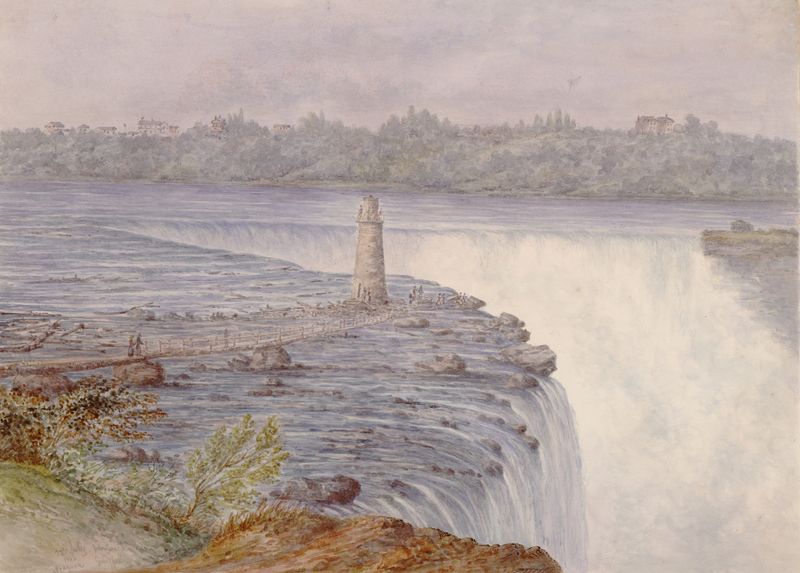
Grand Falls at Niagara from near the observatory, Goat Island, July 22, 1846
Michael Seymour

The Highlands from Newburgh and Butter Hill, Hudson River
Michael Seymour
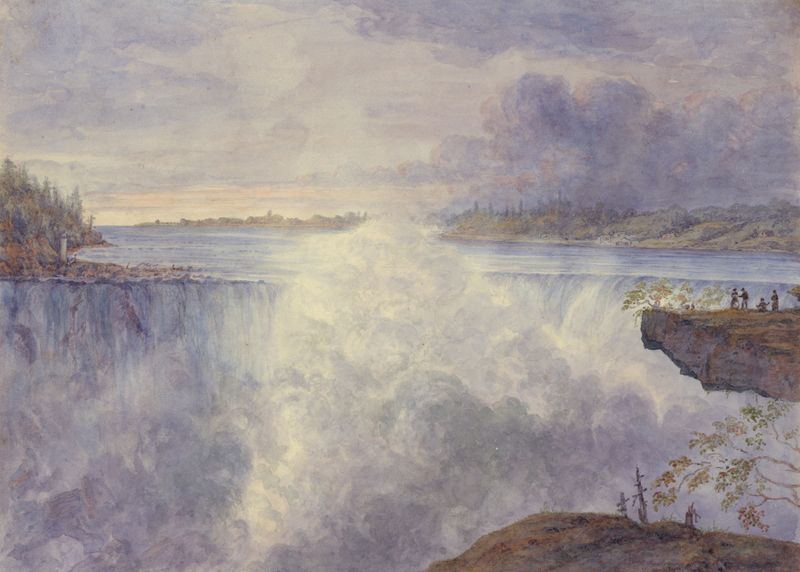
Grand Falls at Niagara from near the Table Rock, Canada side, July 22, 1846
Michael Seymour
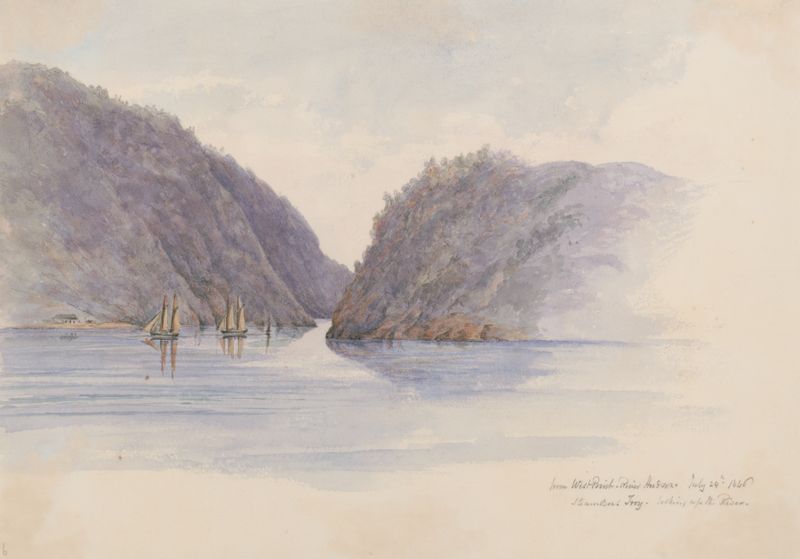
Looking up the Hudson from West Point U.S. July 24th 1846
Michael Seymour
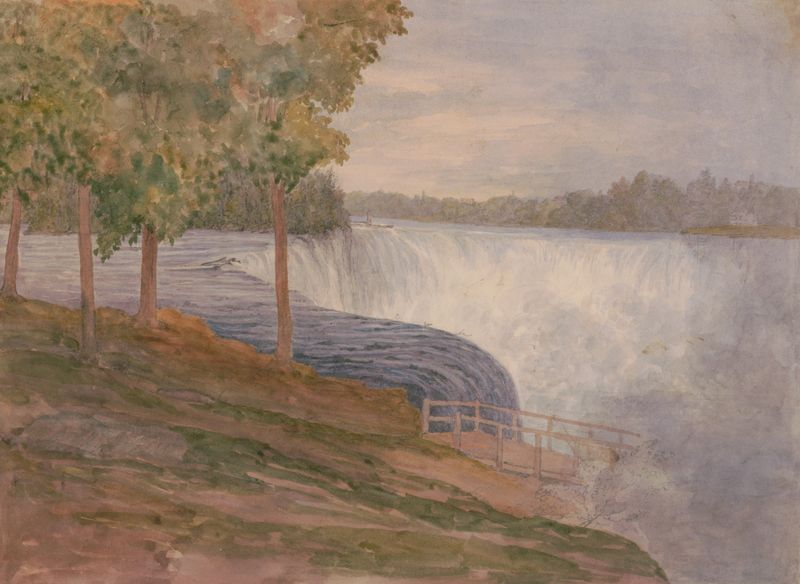
First sight of falls of Niagara before descending the ferry stairs, Wednesday July 22nd 1846
Michael Seymour

Approaching West Point, going down the Hudson, July 24, 1846
Michael Seymour
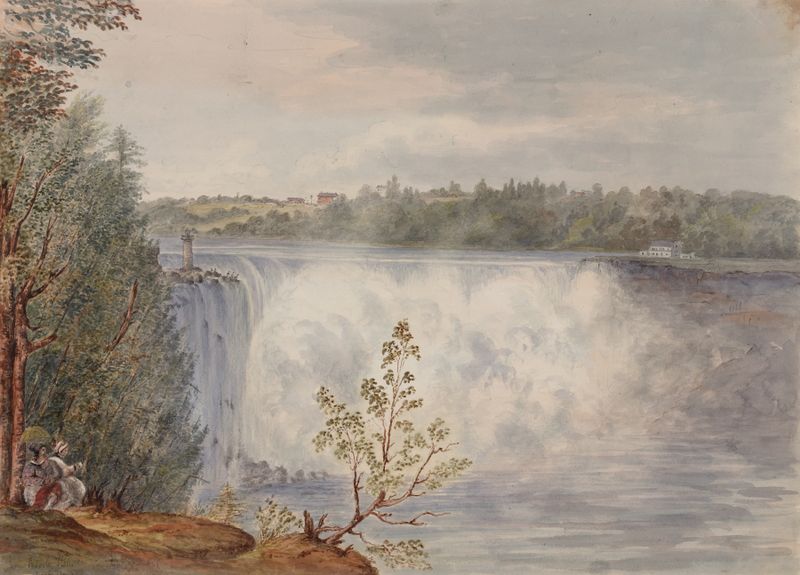
Biddle Stair, Goat Island, July 22, 1846
Michael Seymour
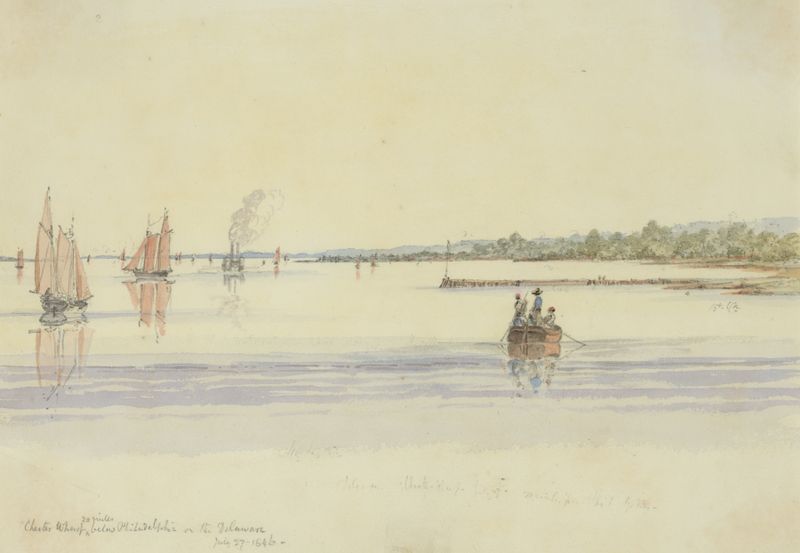
Chester Wharf 20 miles below Philadelphia on the Delaware, July 27, 1846
Michael Seymour

Stony Point, near Gibraltar, on the Hudson River, U.S. July 24th 1846
Michael Seymour





