
Birchpoint — History & Facts
In this stillness, the act of creation breathes life into the mundane, awakening emotions that often lie dormant within us. Look closely at the left side of the canvas, where pale birch trees rise with an elegant grace, their white bark glowing against a backdrop of deep greens and browns. The light filters through the leaves in dappled patterns, inviting your gaze to trace the intricate interplay of shadow and illumination. Notice the luminous quality of the foliage, each brushstroke revealing the artist’s deft hand in capturing the delicate nuances of nature. In the foreground, a gentle stream reflects the canopy above, symbolizing a passage between worlds — the physical and the ethereal.
The play of light on the water’s surface suggests movement and continuity, while the rooted trees stand firm, embodying the strength of resilience. This juxtaposition of fluidity and stability evokes a deep emotional resonance, inviting contemplation on the significance of nature in our lives. Created in 1891, this work emerged during a pivotal time for the artist, who was exploring his identity within the American art scene. Harlow was influenced by the rising popularity of Impressionism, yet he sought to carve out a unique voice by grounding his landscapes in a sense of realism.
The late 19th century was a period marked by profound changes in society, and Harlow’s connection to the natural world reveals his response to the complexities surrounding him, infusing Birchpoint with a sense of awakening that still speaks to viewers today.
More Artworks by Louis Kinney Harlow
Browse all →
West Chop Light, Vineyard Sound, Mass.
Louis Kinney Harlow
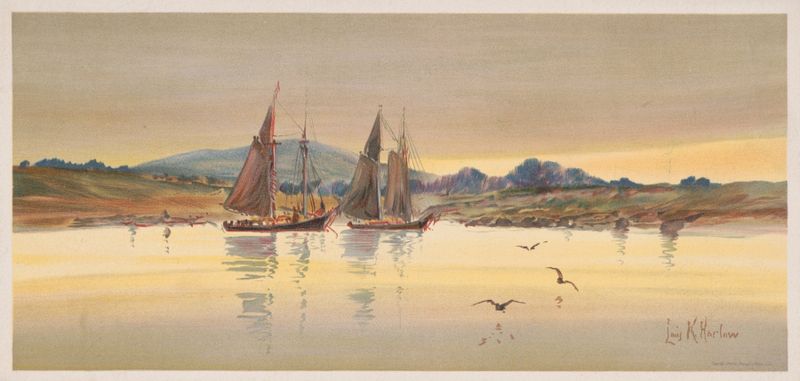
Sunset in Rockland Harbor
Louis Kinney Harlow
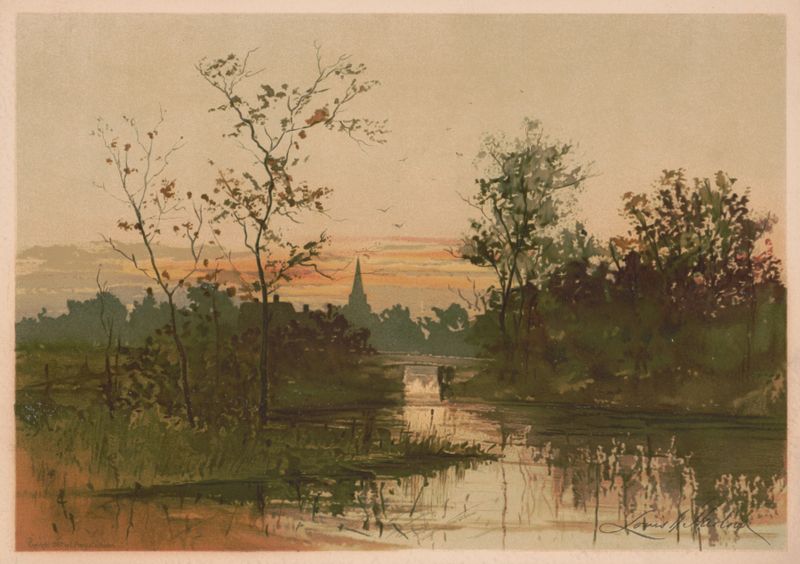
Nemasket River, Maine
Louis Kinney Harlow
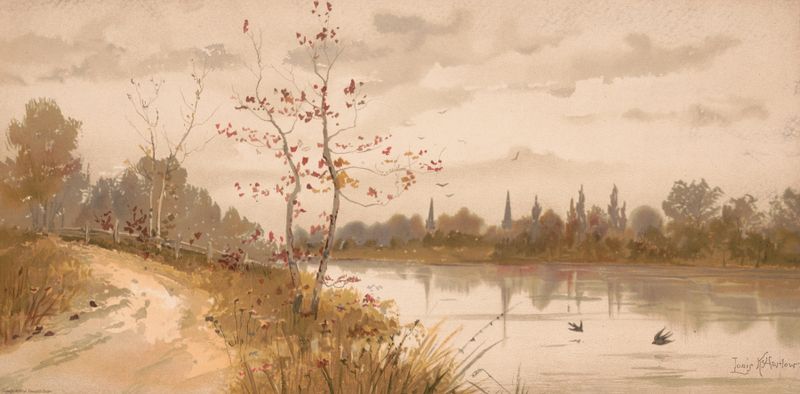
A river path
Louis Kinney Harlow

Castine, Maine
Louis Kinney Harlow

A bit of Monhegan, Maine
Louis Kinney Harlow
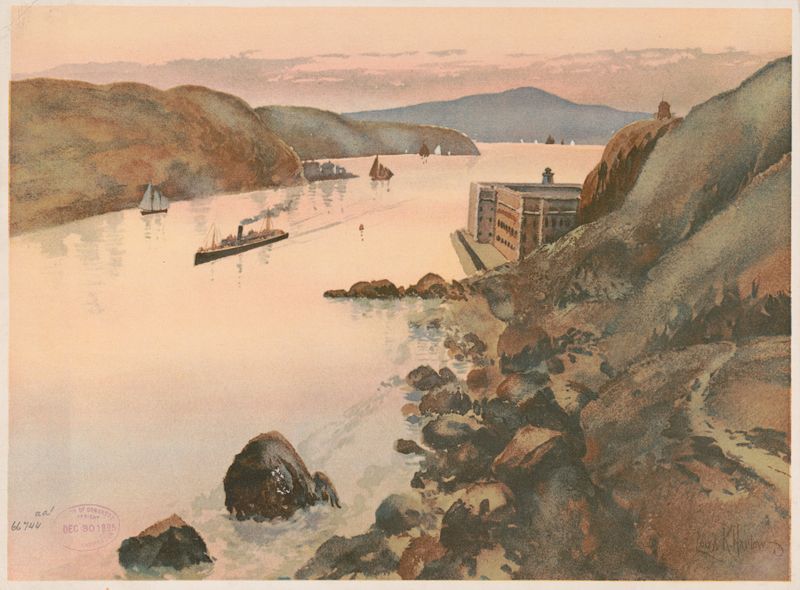
Fortifications and Golden Gate
Louis Kinney Harlow

Blue Hills, Camden, Me.
Louis Kinney Harlow

Near Boothbay Harbor, Maine coast
Louis Kinney Harlow

Evening rest
Louis Kinney Harlow





