
Birkenallee im Wannseegarten — History & Facts
In the soft embrace of memory, hope emerges like a flower through concrete, resilient and radiant. Look to the left at the gentle arch of the birch trees, their white bark standing out against the lush green foliage. Notice how the dappled light filters through the leaves, casting playful shadows on the ground below. The painter's brushstrokes breathe life into the scene, imbuing it with a vibrancy that seems almost palpable.
The palette is rich yet delicate, a symphony of greens and earthy tones that invites the viewer to step into this serene garden, a warm refuge from the outside world. In this tranquil composition, the contrast between the stillness of the path and the lively canopy above captures a profound emotional tension. The birches symbolize hope, resilience, and the enduring beauty of nature, offering a reminder of life’s continuity even amid chaos. The viewer might find themselves reflecting on their own relationship with nature, the passage of time, and the quiet moments that inspire hope and introspection. Max Liebermann painted Birkenallee im Wannseegarten in 1918, during a time marked by the aftermath of World War I.
Residing in Berlin and actively engaged in the art scene, he was wrestling with themes of renewal against a backdrop of societal upheaval. This piece encapsulates his dedication to capturing the beauty of everyday scenes, reflecting a yearning for peace and tranquility in a world yearning for healing.
More Artworks by Max Liebermann
Browse all →
Die Blumenterrasse in Wannsee mit Blick auf den Fischotterbrunnen
Max Liebermann
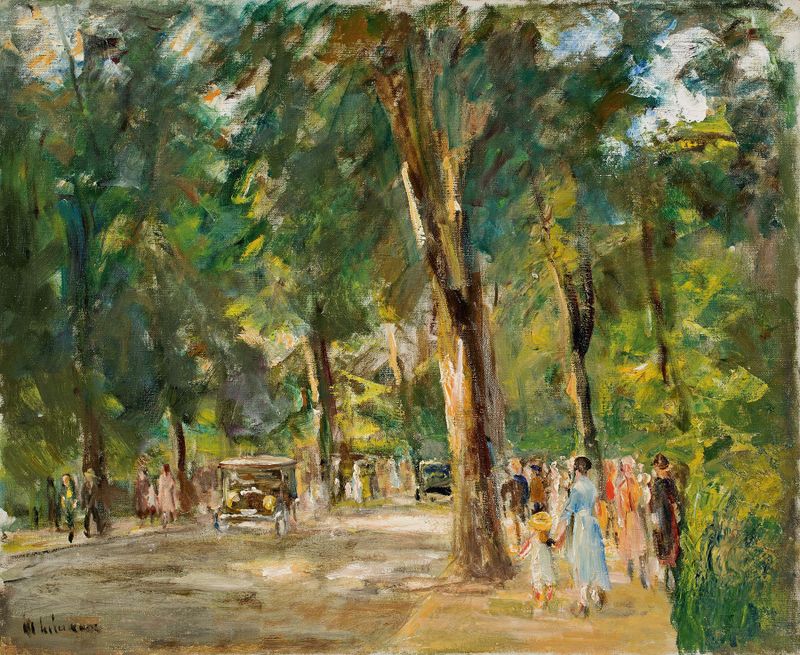
Die Große Seestraße in Wannsee mit Spaziergängern
Max Liebermann

Seitlicher Blick in den Wannseegarten
Max Liebermann

Der Rosengarten in Wannsee
Max Liebermann

Allee mit Spaziergängern und Automobilen
Max Liebermann

Blick in meinen Garten
Max Liebermann
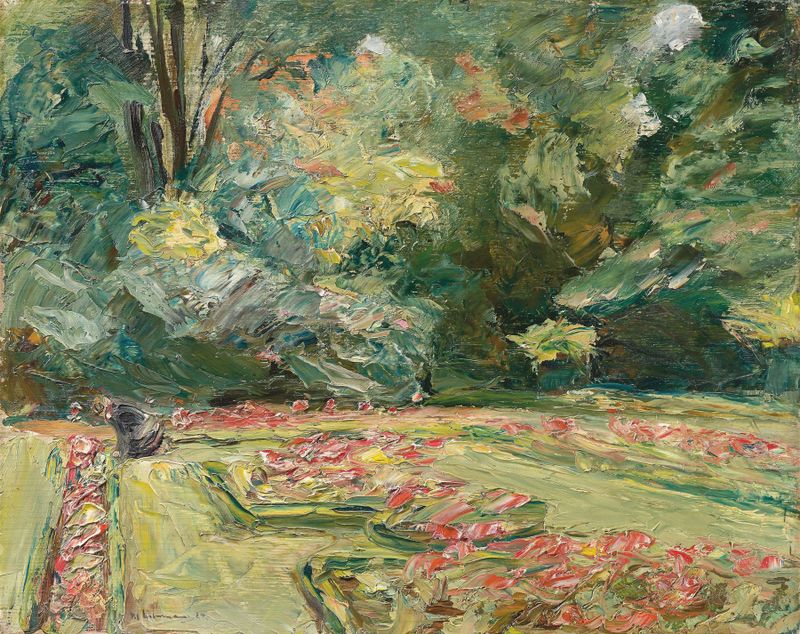
Die Blumenterrasse im Wannseegarten nach Norden
Max Liebermann

Spielende Kinder am Strand
Max Liebermann
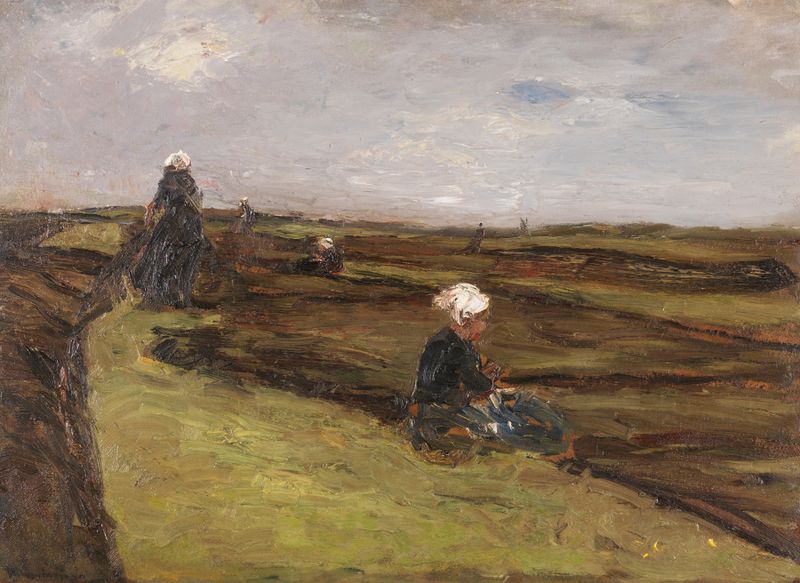
Die Netzflickerinnen
Max Liebermann

Am Strand von Noordwijk
Max Liebermann





