
Biskra (Desert) — History & Facts
Did the painter know this moment would outlive them? In the heart of the desert, time stands still, capturing the haunting beauty of loss amid the arid expanse. Focus on the sunlit horizon, where warm golden tones meld seamlessly with soft ochres and deep browns, painting a vast landscape that resonates with solitude. Notice how the brushstrokes carry a rhythmic quality, mirroring the undulating dunes, while the distant mountains loom like forgotten memories. The interplay of light and shadow creates an ethereal atmosphere, subtly suggesting an emotional weight that permeates the scene. In this artwork, contrasts emerge between the harshness of the terrain and the delicate inflections of the sky.
Each grain of sand seems to whisper stories of those who have traversed the land, evoking a sense of yearning for connections lost to time. The solitude of the composition invites contemplation, encouraging viewers to reflect on their own experiences of absence and longing. Ciągliński painted Biskra (Desert) in 1909 during a period of personal exploration and artistic experimentation. Living in Paris but deeply influenced by his travels, he sought to capture the essence of North Africa—a world both foreign and familiar.
This work emerged against the backdrop of a rapidly changing art scene, as Symbolism and Impressionism were giving way to more modern approaches, allowing him to merge realism and emotional depth in his landscapes.
More Artworks by Jan Ciągliński
Browse all →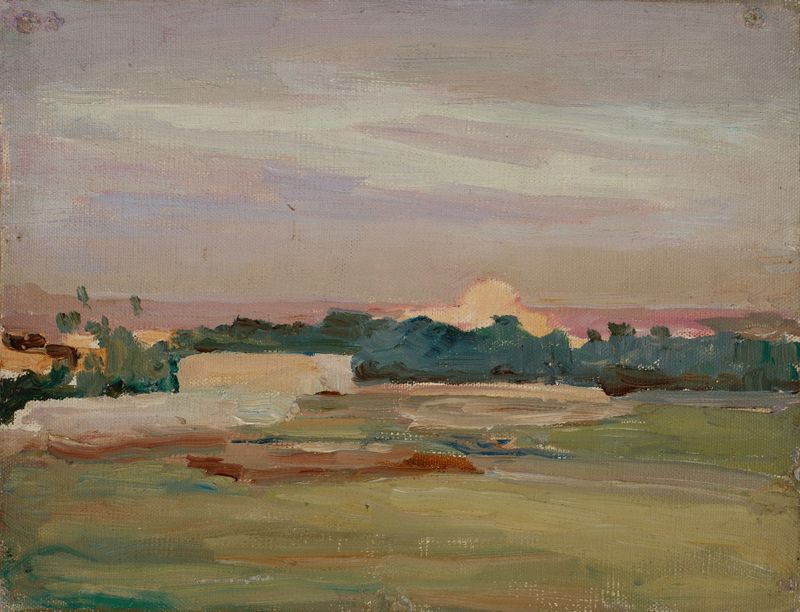
The Sirocco
Jan Ciągliński
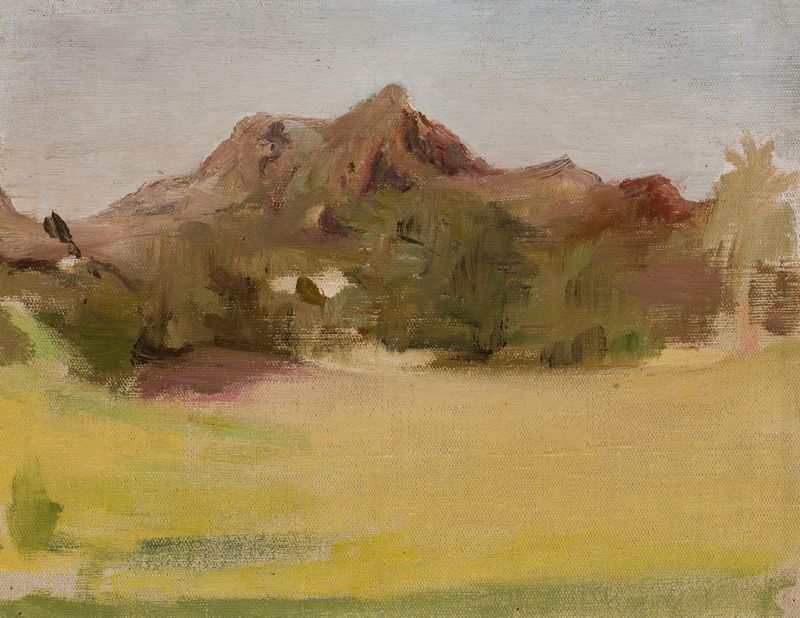
Mountain landscape. From the journey to India
Jan Ciągliński
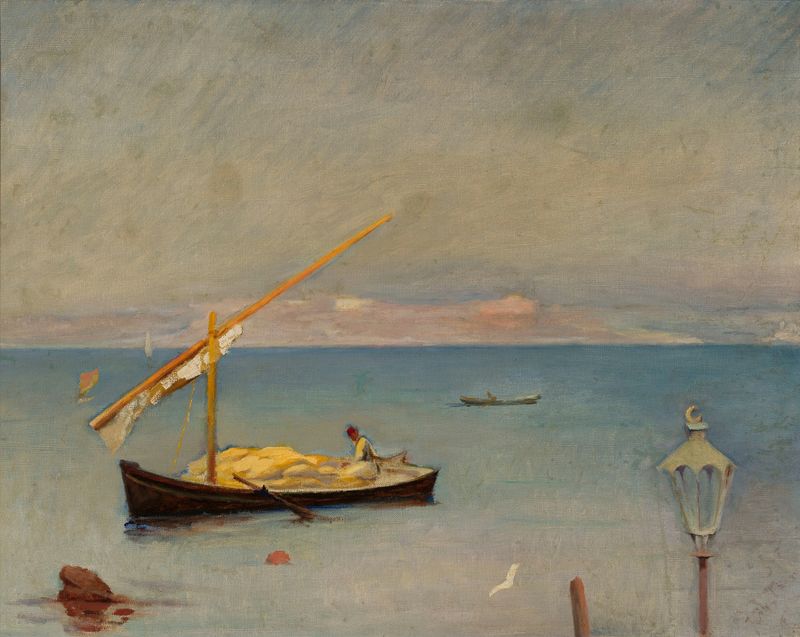
At Bosporus
Jan Ciągliński
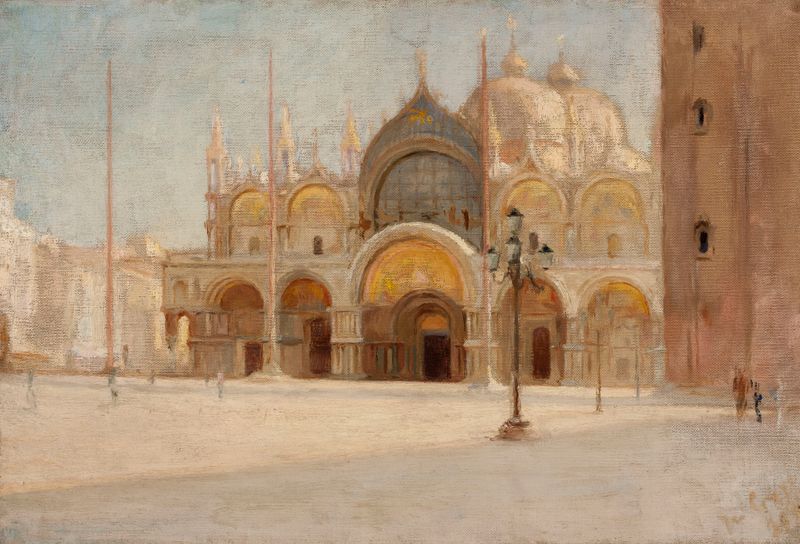
St Mark’s Square in Venice
Jan Ciągliński
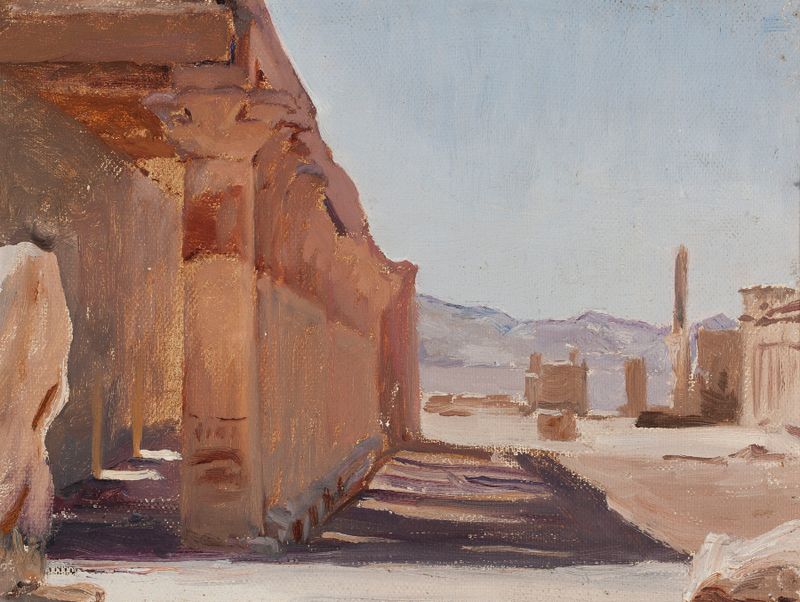
Temple. From the journey to Egypt
Jan Ciągliński
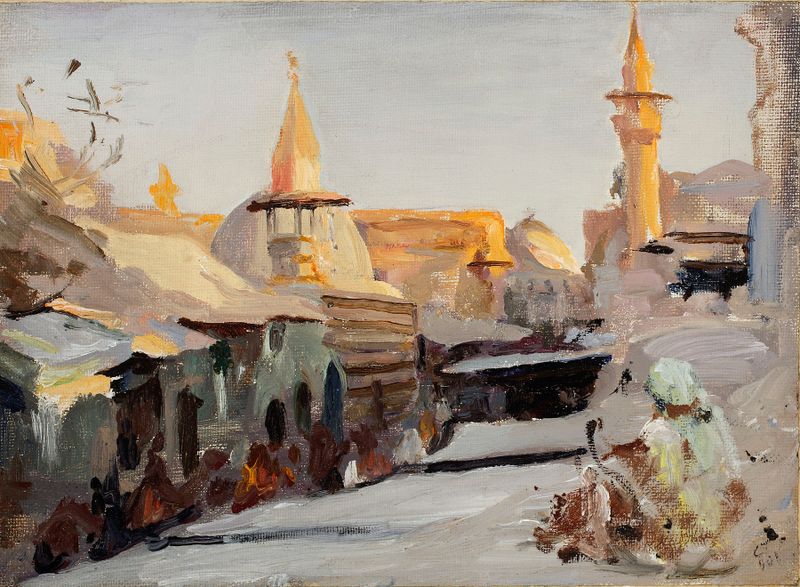
Street in Damascus. From the journey to Palestine
Jan Ciągliński
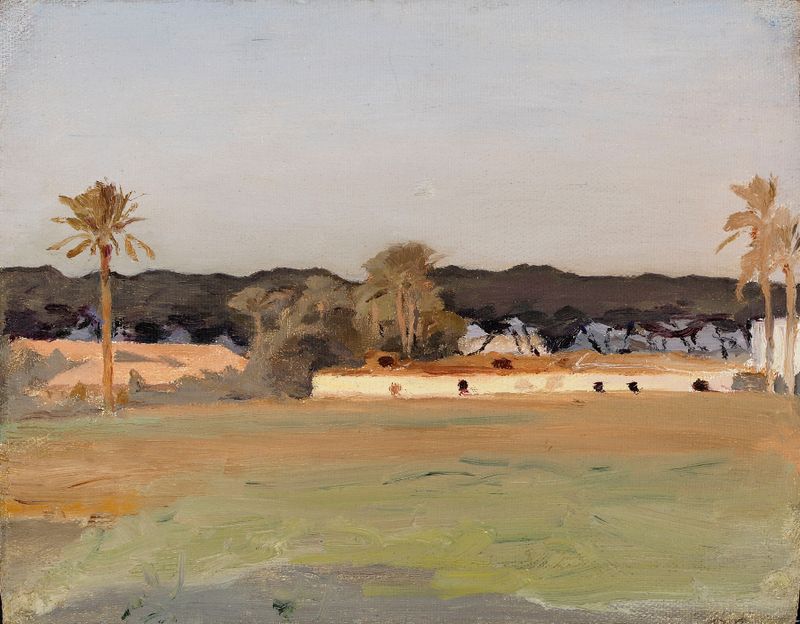
Evening. From the journey to Egypt
Jan Ciągliński
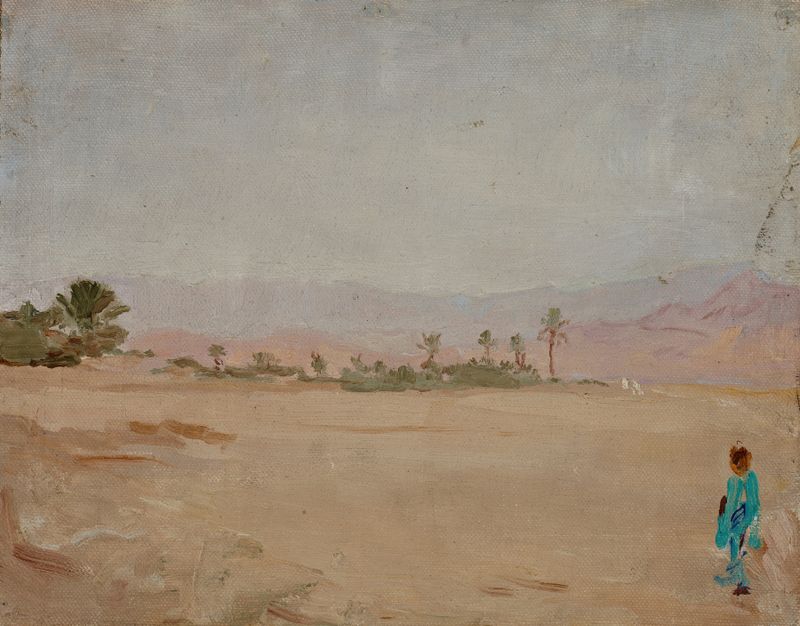
Sahara (Desert)
Jan Ciągliński
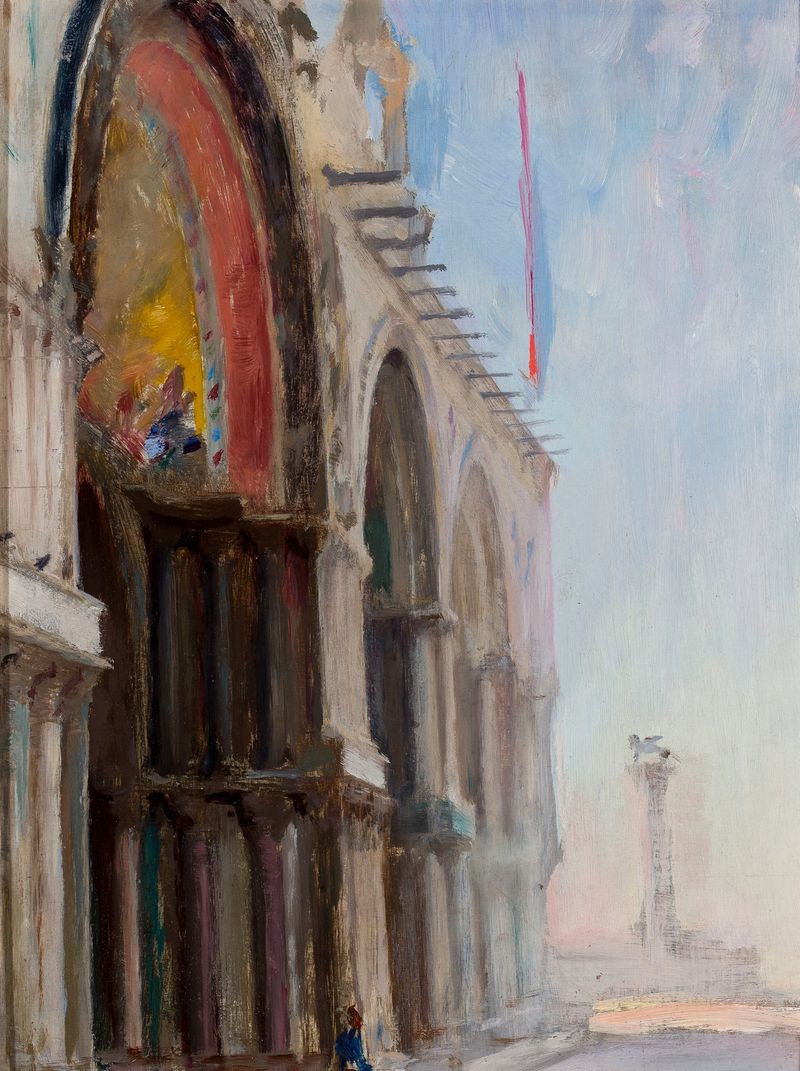
Venice – San Marco. From the journey to Italy
Jan Ciągliński
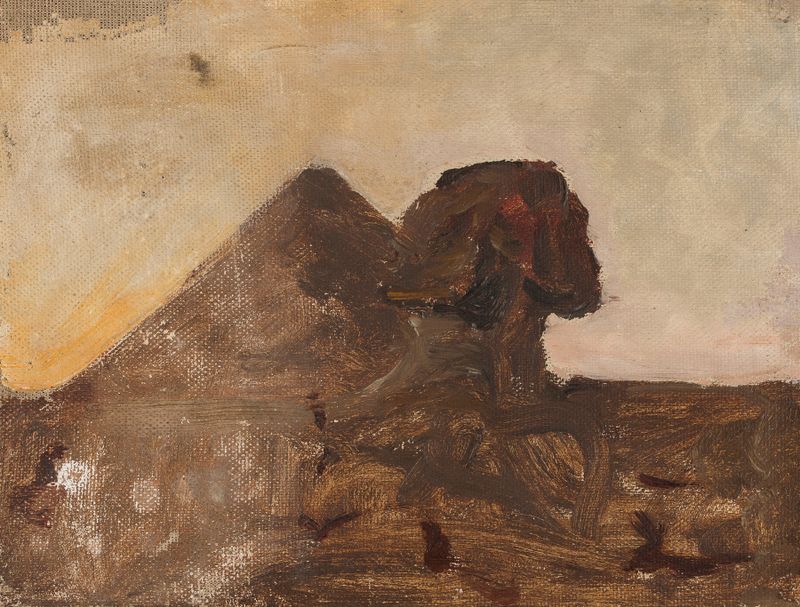
Evening in the desert – Sphinx and pyramid. From the journey to Egypt
Jan Ciągliński





