
Blackstone Square. Boston. — History & Facts
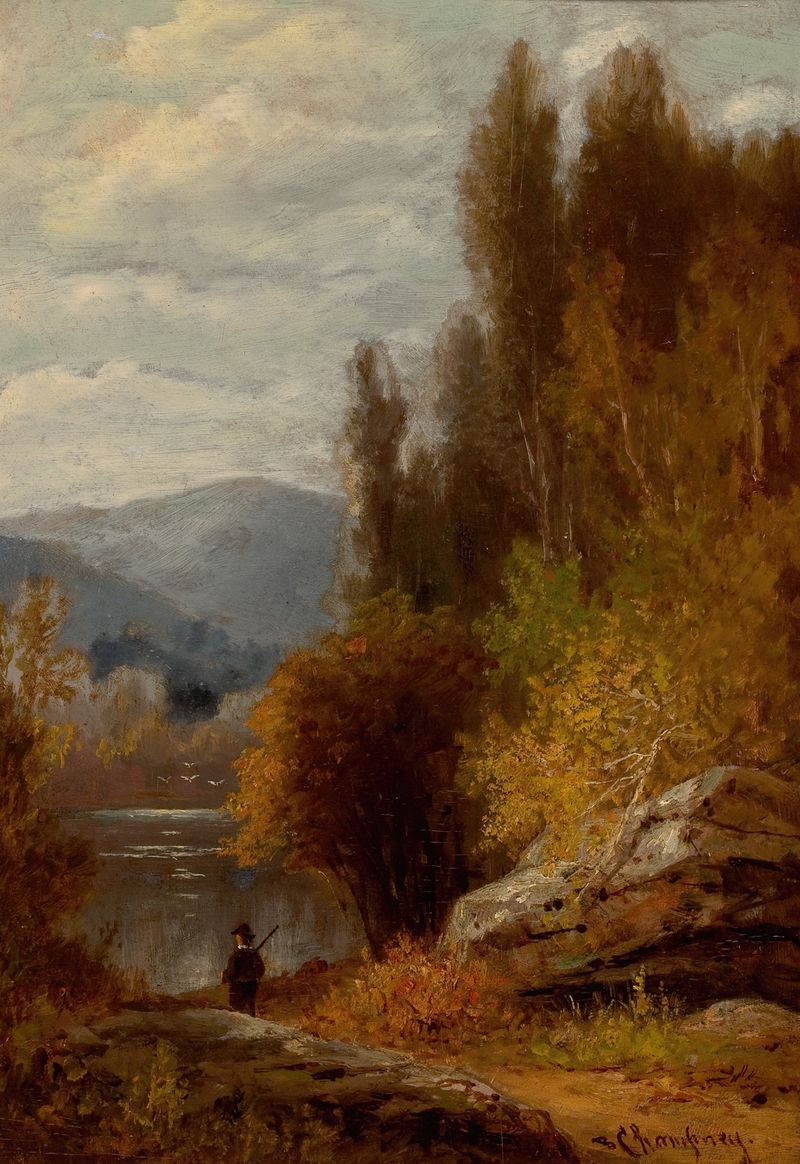
What secret hides in the quiet of the canvas? In Blackstone Square, the stillness belies a tension woven into its very fabric, hinting at the revolutionary fervor brewing just beneath the surface of everyday life in 1850 Boston. Look to the left at the shadows cast by the gracefully arching trees, their branches reaching out like outstretched hands inviting conversation. Notice the figures scattered throughout the square, some deep in thought with heads bowed, while others engage in hushed whispers under the watchful gaze of the elegant architecture that frames their interactions. Champney's use of a muted palette, primarily greens and browns, evokes a sense of solemnity, contrasting with the vibrant potential buzzing in the air, hinting at the transformative spirit of the time. In the quietude of this scene lies a multitude of narratives—each figure a vessel of unspoken hopes or fears.
The careful placement of light accentuates the unease of a community caught between the stability of tradition and the allure of change. The calm demeanor of the men contrasts with the anxious energy of the women, illustrating the societal tensions between public and private spheres during a time ripe for upheaval. Each brushstroke captures the essence of a society on the brink, reflecting the pulse of a city wrestling with its identity. Benjamin Champney painted Blackstone Square in Boston during a pivotal moment in American history.
Amidst the backdrop of social reform and the early stirrings of industrialization, he sought to capture the essence of a city grappling with its future. His art of this period often reflects the serene yet charged atmosphere of urban life, marking him as a keen observer of the changes that would soon redefine society.
More Artworks by Benjamin Champney
Browse all →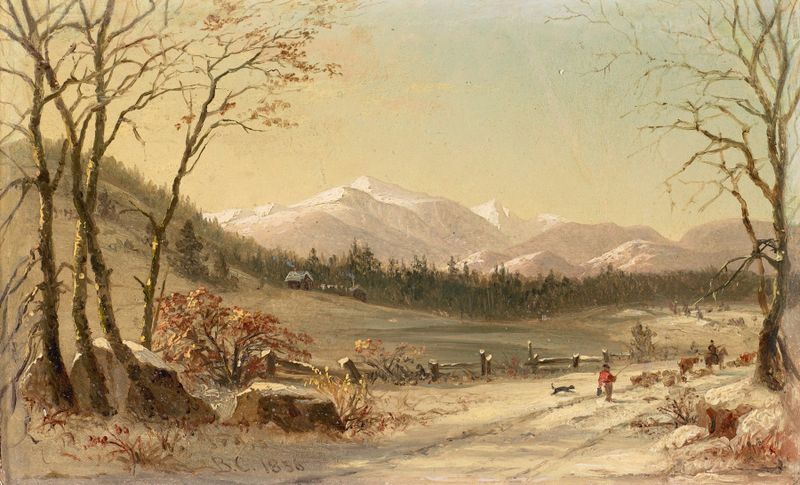
White Mountains (Winter Scene)
Benjamin Champney
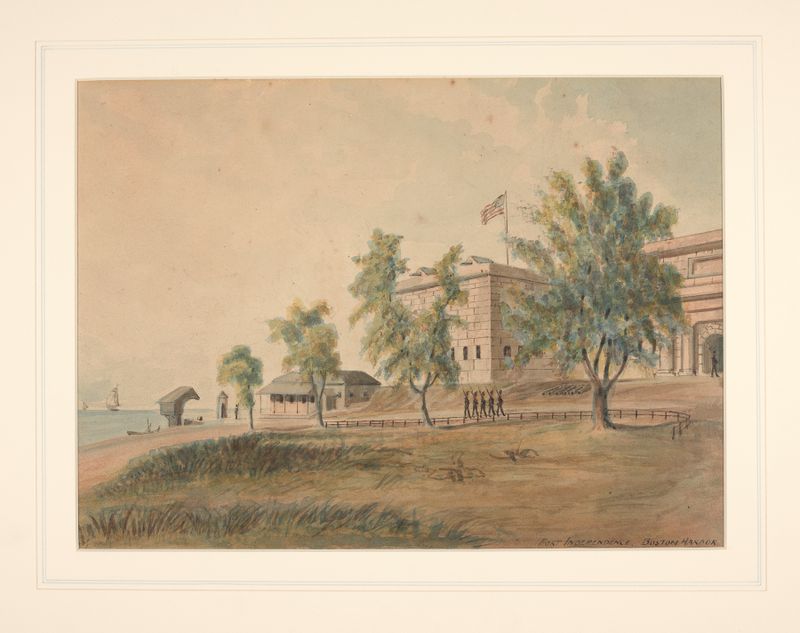
Fort Independence. Boston Harbor.
Benjamin Champney

New Boston Theater. Washington Street.
Benjamin Champney

View of the Roman Campagna
Benjamin Champney

Summer Street. Boston
Benjamin Champney
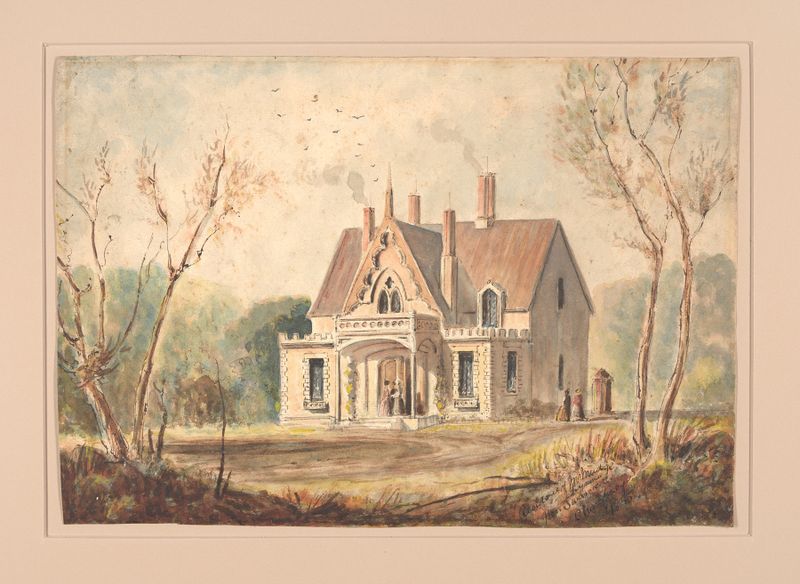
Residence of Mr. Mudge Lyman near Swanscot.
Benjamin Champney
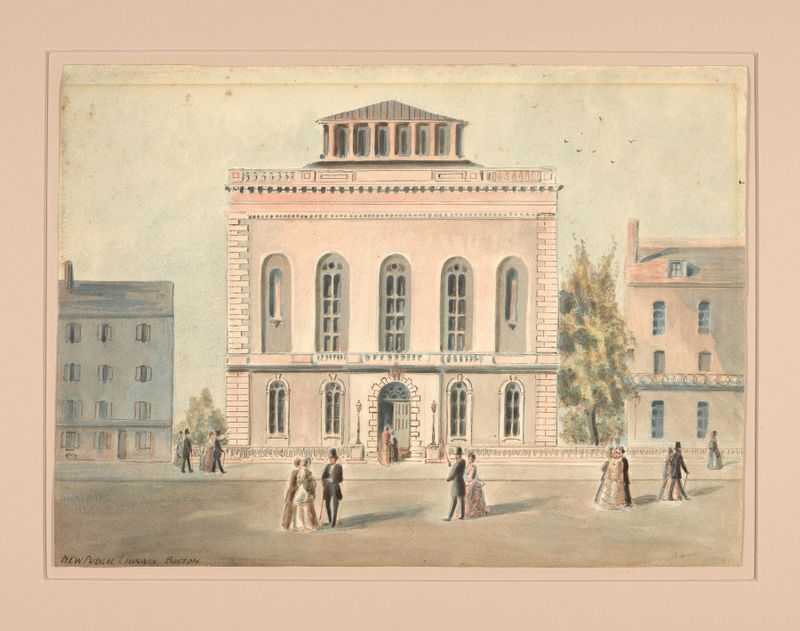
New Public Library Boston
Benjamin Champney

Oil Study for Seascape
Benjamin Champney
Hunter on the Path
Benjamin Champney

Boston City Library.
Benjamin Champney





