
Fort Independence. Boston Harbor. — History & Facts
This thought lingers as one gazes upon the essence of a bygone era, encapsulated in a moment that whispers of both beauty and melancholy. Look to the foreground, where the rugged land juts out toward the water, inviting your eyes to travel across the verdant hills that cradle Fort Independence. The painting’s palette is awash in muted greens and soft blues, creating a tranquil harmony that contrasts with the deep shadows lurking beneath the fort’s fortified walls. Notice the billowing clouds, their soft edges hinting at an imminent storm, while the light dances over the water’s surface, a fleeting reflection of both hope and despair. Deeper within the canvas lies the tension of memory—what remains and what has faded.
The fort stands resolute, a silent sentinel of history, yet its isolation evokes a sense of longing for connection and lost moments. Each brushstroke conveys the passage of time, reminding the viewer of the enduring weight of history against the backdrop of nature's relentless cycle—life, decay, and rebirth. In 1850, during the height of the American Romantic movement, Benjamin Champney produced this piece while residing in New England, inspired by the picturesque landscapes that surrounded him. This period saw a growing appreciation for nature's beauty and a longing for the simplicity of earlier times.
As the nation grappled with industrialization and its effects, Champney's work served as a poignant reminder of the landscapes and histories that shaped American identity.
More Artworks by Benjamin Champney
Browse all →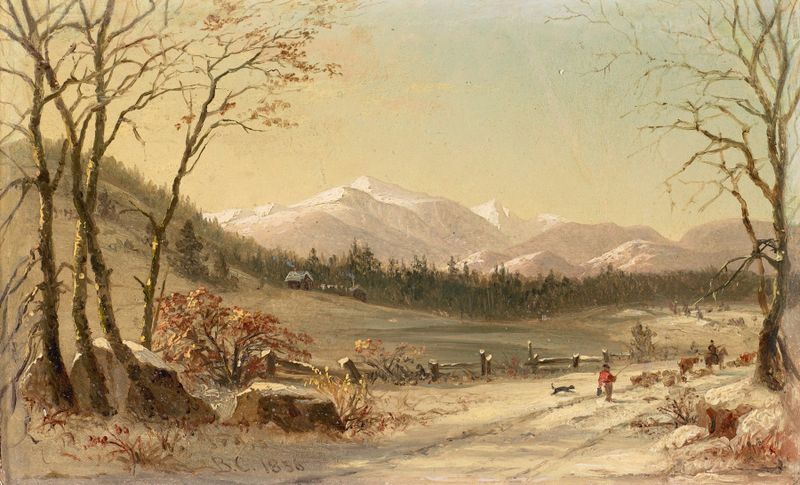
White Mountains (Winter Scene)
Benjamin Champney

New Boston Theater. Washington Street.
Benjamin Champney

View of the Roman Campagna
Benjamin Champney
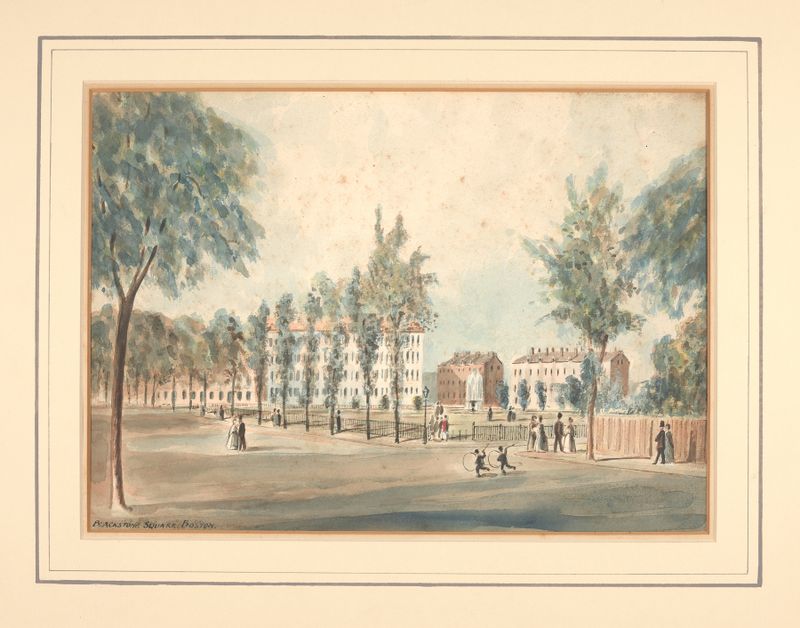
Blackstone Square. Boston.
Benjamin Champney

Summer Street. Boston
Benjamin Champney
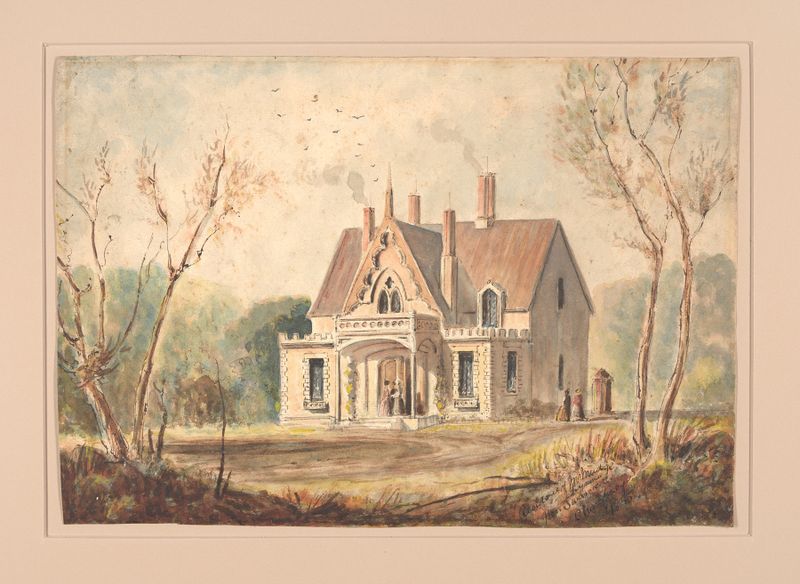
Residence of Mr. Mudge Lyman near Swanscot.
Benjamin Champney
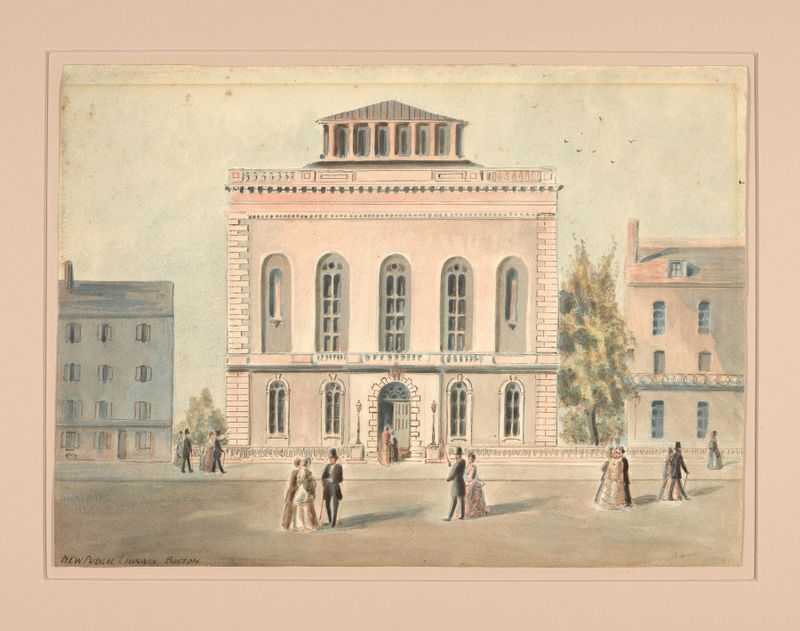
New Public Library Boston
Benjamin Champney

Oil Study for Seascape
Benjamin Champney
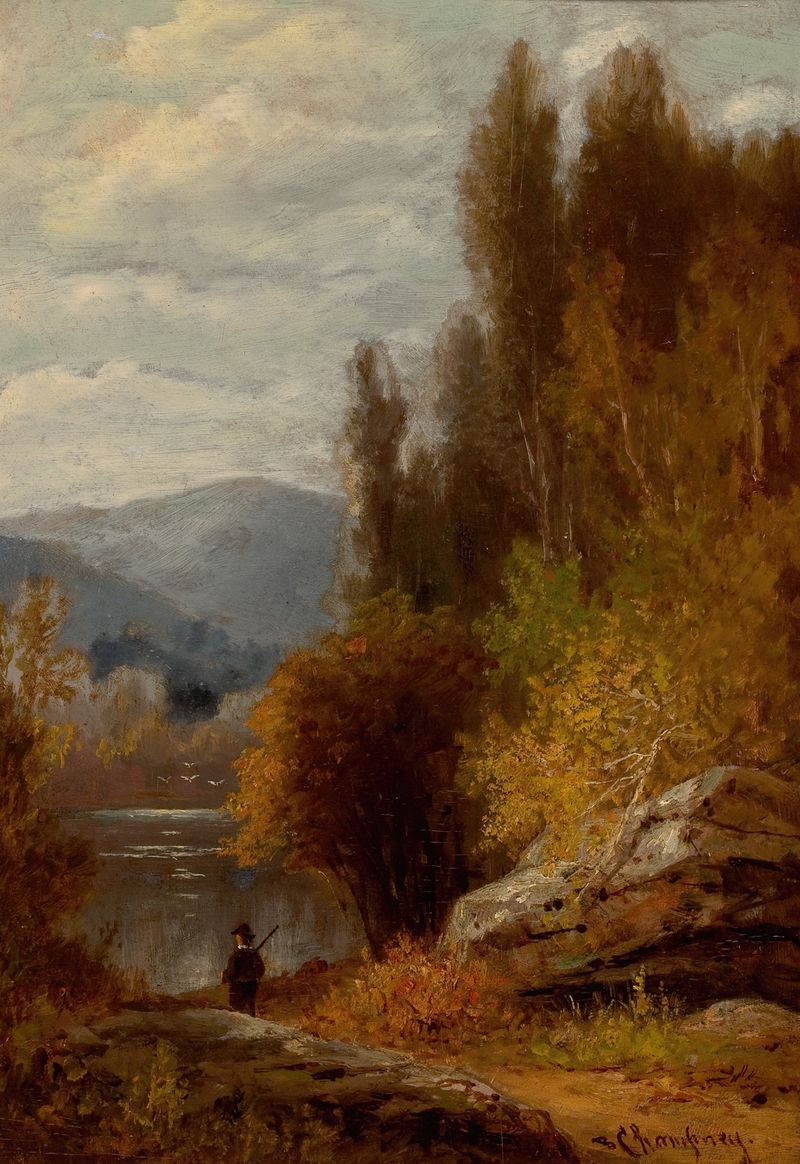
Hunter on the Path
Benjamin Champney

Boston City Library.
Benjamin Champney





