
New Boston Theater. Washington Street. — History & Facts
What secret hides in the quiet of the canvas? Beneath the gentle facade of a bustling theater, time whispers its untold stories, echoing the lives that have passed through its doors. Focus on the theater’s façade, where soft light illuminates the entrance, drawing the eye toward the warm glow spilling from the windows. The contrast of deep shadows against the illuminated structure captures a moment where the past and present converge. Intricate details adorn the architecture, revealing the artist’s careful hand in rendering the ornate design, while a palette of muted blues and earthy tones enhances the sense of nostalgia. Delve deeper into the scene, where the stillness of the evening suggests a world paused in anticipation.
The gathering figures in their period clothing evoke a sense of community and shared experience, yet their expressions hint at individual stories waiting to unfold. There’s a contrast between the vibrancy suggested by the theater and the quietude of the streets surrounding it, creating an emotional tension that reminds us of fleeting moments in time, where every glance and gesture matters. In 1850, Benjamin Champney was entrenched in the thriving artistic environment of New England, where the Hudson River School's influence was palpable. He painted this scene during a period marked by both an appreciation for romantic landscapes and burgeoning urban life.
As the Industrial Revolution transformed cities, Champney’s work captured both the allure of progress and the echoes of a quieter, more intimate past.
More Artworks by Benjamin Champney
Browse all →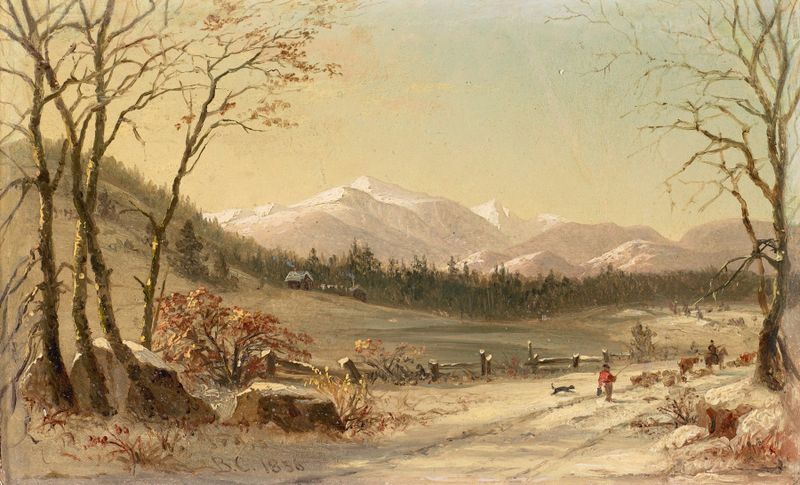
White Mountains (Winter Scene)
Benjamin Champney
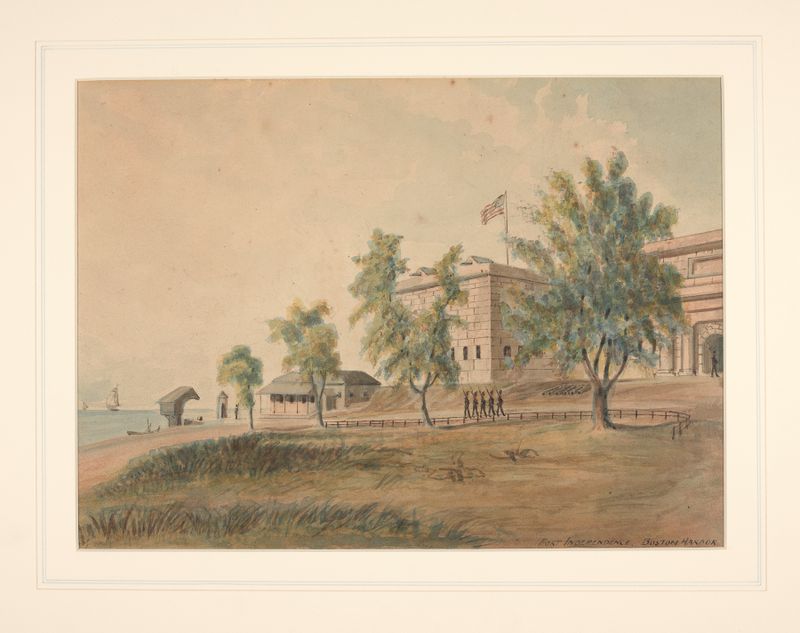
Fort Independence. Boston Harbor.
Benjamin Champney

View of the Roman Campagna
Benjamin Champney
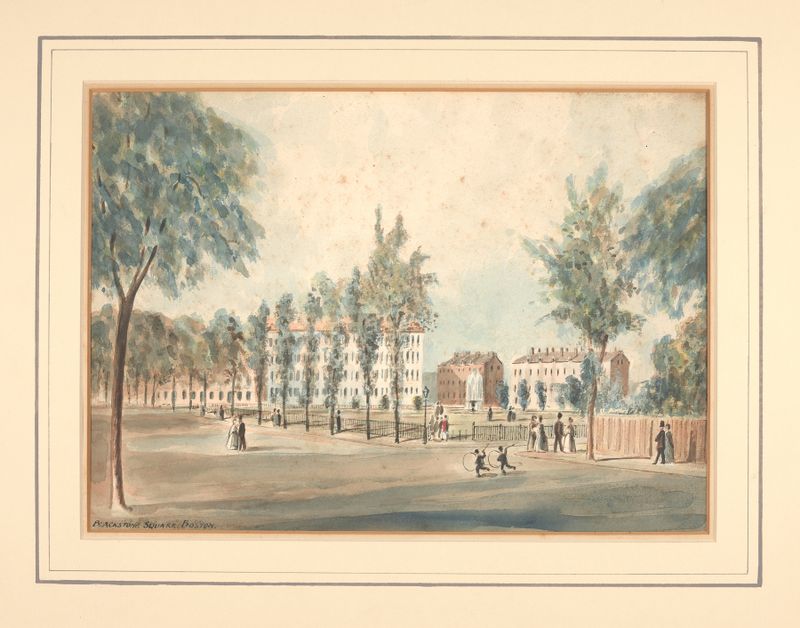
Blackstone Square. Boston.
Benjamin Champney

Summer Street. Boston
Benjamin Champney
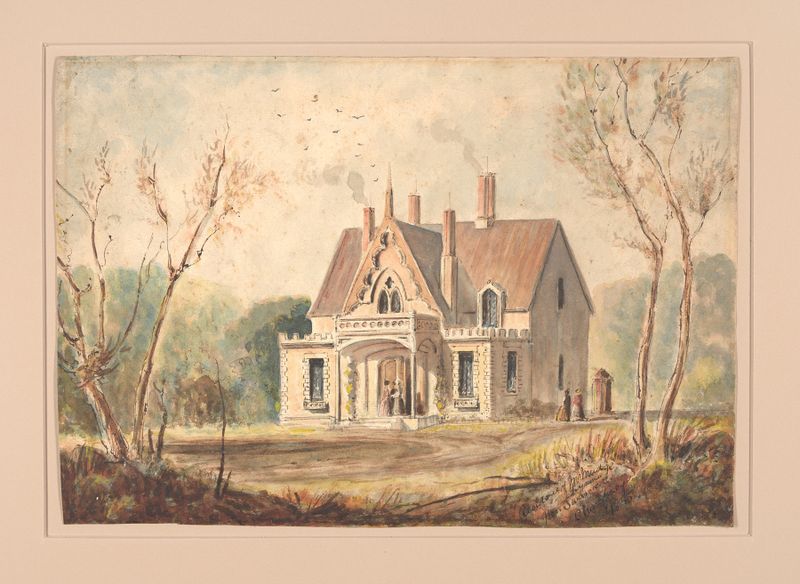
Residence of Mr. Mudge Lyman near Swanscot.
Benjamin Champney
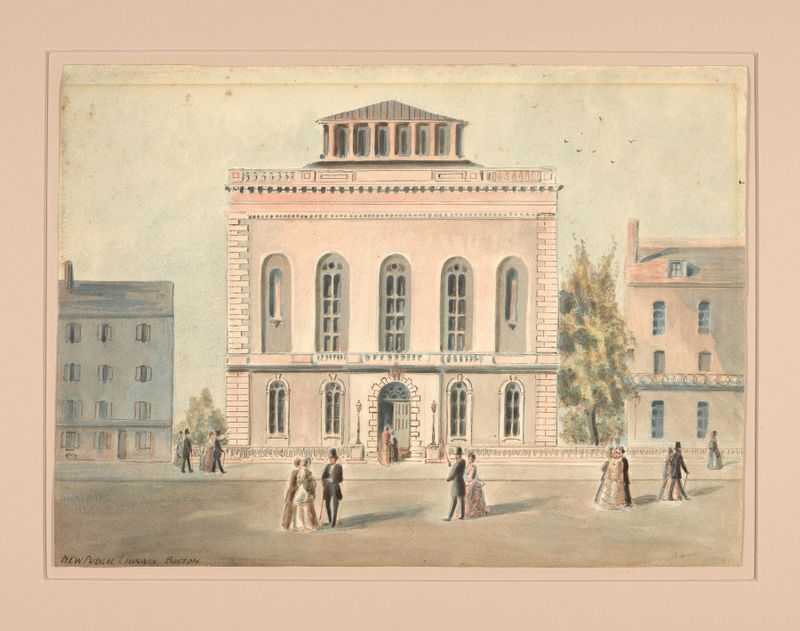
New Public Library Boston
Benjamin Champney

Oil Study for Seascape
Benjamin Champney
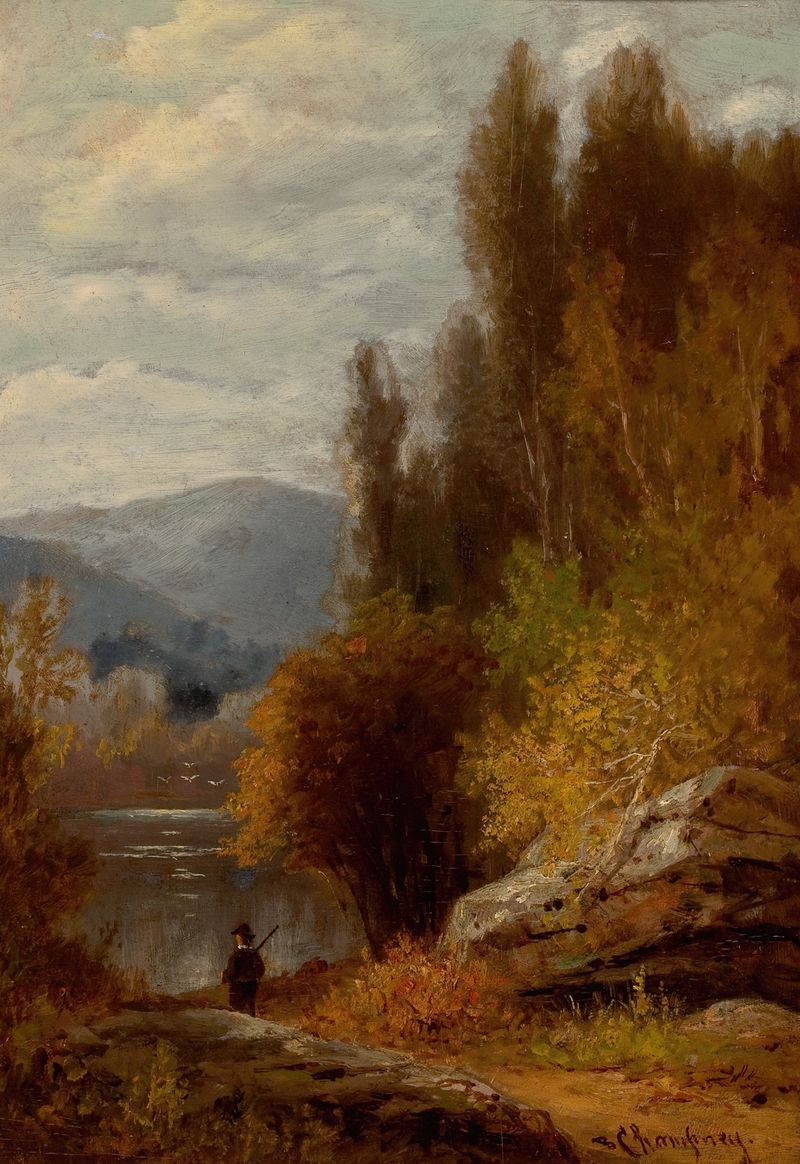
Hunter on the Path
Benjamin Champney

Boston City Library.
Benjamin Champney
More Architecture Art
Browse all →
The statue of Liberty
Frédéric Auguste Bartholdi

View of Houses in Delft, Known as ‘The Little Street’
Johannes Vermeer

View of Houses in Delft, Known as ‘The Little Street’
Johannes Vermeer

The Cathedral in Rouen. The portal, Grey Weather
Claude Monet

The yellow house
Vincent van Gogh

The Church in Auvers-sur-Oise, View from the Chevet
Vincent van Gogh